The best walks and hikes around Mucientes
4.4
(108)
993
hikers
90
hikes
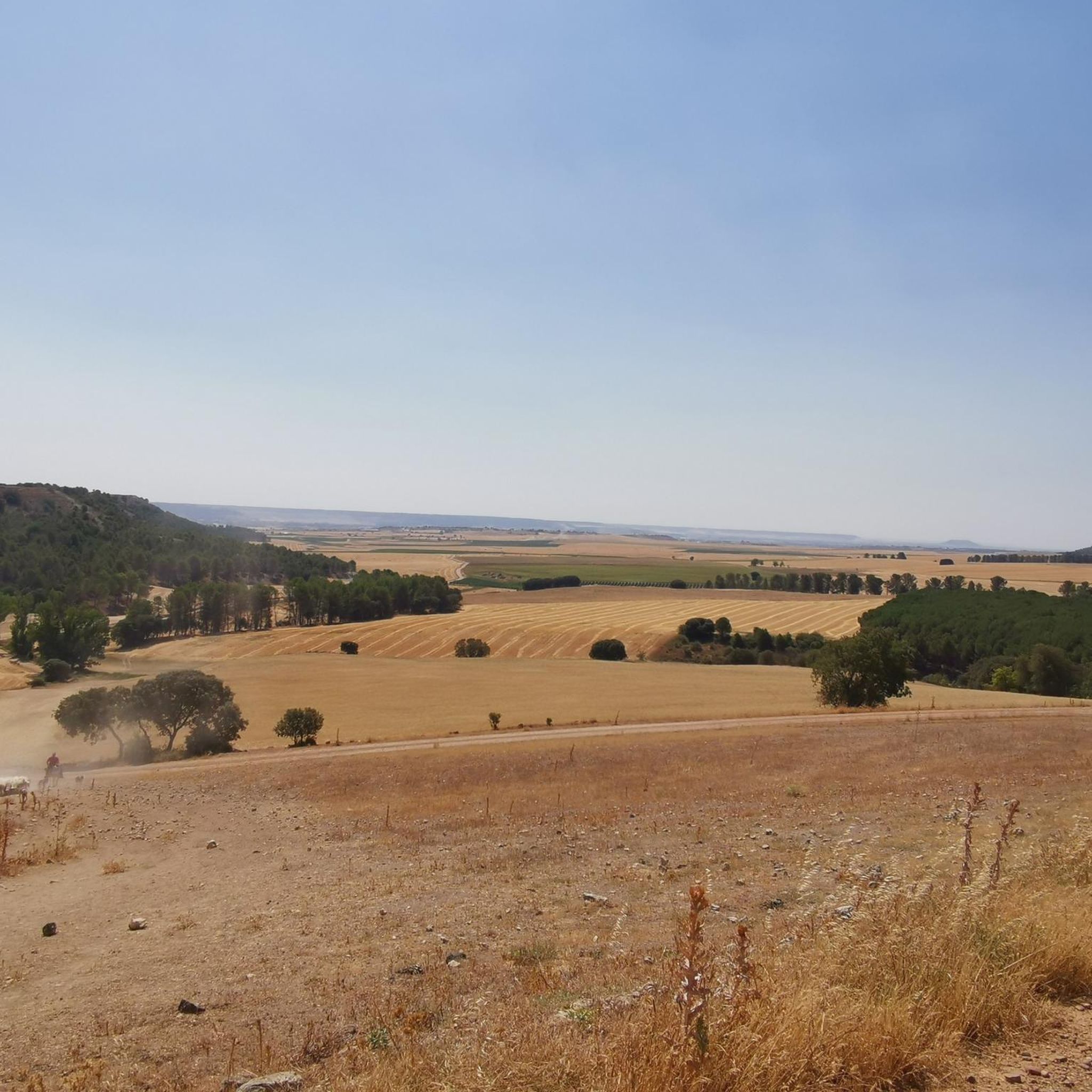
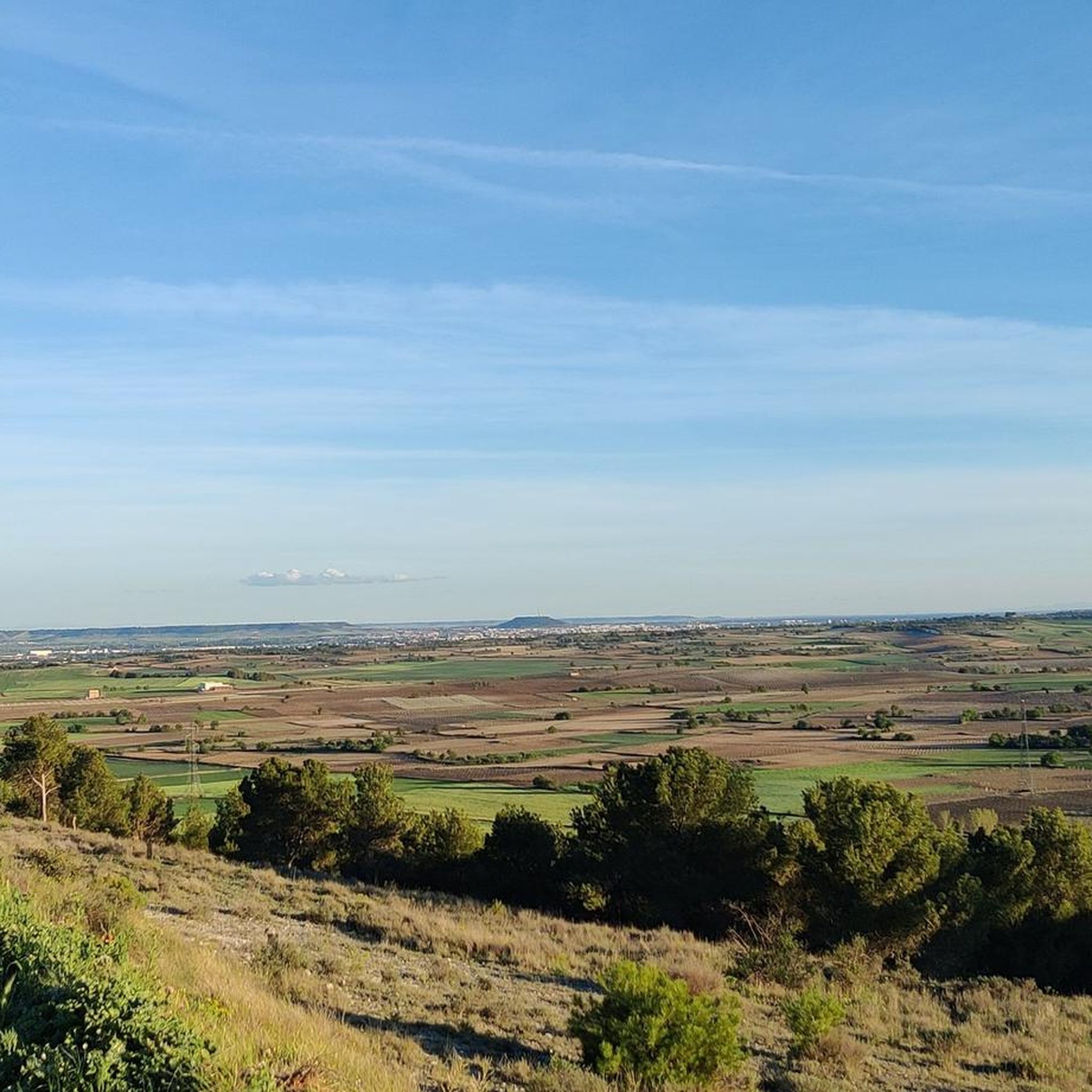
Hiking around Mucientes offers exploration of a Castilian landscape characterized by rolling hills, agricultural fields, and river valleys. The area features notable natural formations such as the "cortados" (cliffs or cut banks) along the Pisuerga Valley. These geological features provide varied terrain and scenic vistas for walkers. The region's trails often traverse tranquil rural settings, providing a blend of natural beauty and cultural points of interest.
Best hiking trails in Mucientes
- The most popular hiking route is Clarete Trails of…
Last updated: June 23, 2026
1
hikers
9.46km
02:28
70m
70m
Hike the moderate 5.9-mile Sendero Las Arroyos circular route near Mucientes, exploring vineyards, oak forests, and panoramic views.
13.7km
03:36
120m
120m
Moderate hike. Good fitness required. Easily-accessible paths. Suitable for all skill levels.

Sign up for free
17.3km
04:33
140m
140m
Moderate hike. Good fitness required. Easily-accessible paths. Suitable for all skill levels.
17.7km
04:38
140m
140m
Hike the Clarete Trails 2: Mucientes-Cigales, a moderate 11.0-mile route through vineyards and historic towns in Spain's wine country.
3.0
(1)
3
hikers
9.57km
02:34
110m
110m
Moderate hike. Good fitness required. Easily-accessible paths. Suitable for all skill levels.
Get access to more routes and recommendations from other explorers.
Sign up for free
Already have an account?
Our route recommendations are based on thousands of hikes, rides, and runs completed by other people on komoot.
Start today with a free account
Your next adventure awaits.
Login or Signup

Tips from the Community

The ruins of Mucientes Castle, in the province of Valladolid, are a valuable historical testament, although today only vestiges of its former grandeur remain. It was built in the 14th century as a stone and masonry castle-palace. The castle has been designated a public park, with trails that allow visitors to explore the archaeological remains. It's an ideal place to combine with a visit to the nearby Mucientes Winery District.
1
0
The Bodegas neighborhood of Mucientes, especially the one known as Cuarto de San Pedro, is one of the most unique ethnographic sites in Castile and León. The construction of wine cellars began outside the town center in the 16th century, as a measure to avoid risks within the town. In Mucientes, there are more than 200 underground wine cellars, mainly grouped in the neighborhoods of San Antón and San Pedro.
1
0

very well preserved.
0
0
It was built in the 15th century by the Vivero family, nobles of Galician origin, as a stately residence. The castle is modeled after the Valladolid school and was conceived more as a residence than as a military fortress. Throughout its history, it has had various palatial uses and was also the headquarters of the Cortes of Castilla y León. Currently, it has been restored and converted into a medieval museum. This castle, which was the headquarters of the Cortes of Castilla y León between 1983 and 2007, is property of the Provincial Council of Valladolid and is currently used as an interpretation center for the castles. 🏰🌟
3
0
The monumental Church of Santiago is a grandiose project begun in 1535 under the design of Rodrigo Gil de Hontañon, considered one of the introducers of the Renaissance in Spain. The project was finally carried out by Juan de Saravia and Diego de Praves, ending in the year 1772.
9
0

Fortification built in the 15th century, it stands out for its elegant Gothic architecture and its imposing keep. This castle has witnessed numerous events over the centuries, it was here that the Catholic Monarchs signed their betrothal on October 18, 1469. The castle has stood the test of time with pride.
1
0

This castle has a long and interesting history like many others, but this one wasn't really open to the public until 2012. It's worth a visit if you're in the area.
0
0
Cigales is an interesting little town not far from Valladolid. Probably the most interesting site is the Church of Santiago de Cigales. Head to the outskirts of the city to find some good mountain biking.
0
1
Frequently Asked Questions
What kind of landscape can I expect while hiking around Mucientes?
Hiking around Mucientes offers a classic Castilian landscape, characterized by rolling hills, agricultural fields, and river valleys, particularly along the Pisuerga. You'll also encounter unique geological formations known as "cortados" (cliffs or cut banks), which provide varied terrain and scenic vistas. The trails often traverse tranquil rural settings, blending natural beauty with cultural points of interest.
How many hiking trails are available in Mucientes?
There are nearly 100 hiking routes available around Mucientes on komoot. These range from easy strolls to more challenging paths, ensuring options for various ability levels.
Are there easy hiking trails suitable for beginners in Mucientes?
Yes, Mucientes offers a good selection of easy trails. Approximately half of the routes available are classified as easy, making them perfect for beginners or those looking for a relaxed walk. The overall network includes 48 easy and 48 moderate routes, with only a couple considered difficult.
What are some notable natural attractions or viewpoints near Mucientes?
One of the most significant natural attractions is the Mirador de los Cortados, located near Cabezón de Pisuerga. This viewpoint offers spectacular panoramic views of the Pisuerga Valley and is part of the Senda de los Cortados hiking route. You can find more information about this highlight here: Mirador de los Cortados.
Are there any circular hiking routes around Mucientes?
Yes, many routes around Mucientes are designed as circular walks. For example, the Clarete Trails of Mucientes Loop is a popular moderate route that explores the local winemaking heritage in a circular fashion. Another option is the Mucientes from Cigales — circular by the Senderos del Clarete (GR 296).
What cultural or historical points of interest can I explore while hiking in Mucientes?
Mucientes itself offers several cultural points of interest that can complement your outdoor exploration. You can visit the traditional "bodegas mucenteñas" in El Cuarto de San Pedro, explore the Bodega Aula de Interpretación for insights into winemaking, or admire the Gothic-style Church of San Pedro. The town also features 12 murals by painter Manuel Sierra, turning the village into an open-air museum. For historical landmarks, consider the ruins of the 10th-century Mucientes Castle-Palace. Nearby, you can also visit Fuensaldaña Castle.
What do other hikers say about the trails in Mucientes?
The hiking trails in Mucientes are highly rated by the komoot community, with an average score of 4.3 stars from over 100 reviews. Hikers often praise the varied terrain, the tranquil rural settings, and the blend of natural beauty with cultural highlights like vineyards and historical sites.
Is Mucientes a good destination for family-friendly hikes?
Given the significant number of easy and moderate trails, Mucientes is well-suited for family-friendly hikes. The gentle rolling hills and agricultural landscapes provide accessible paths for all ages. Many routes are relatively short, such as the Clarete Trails of Mucientes Loop, which is under 10 km.
What is the best time of year to go hiking in Mucientes?
The best time for hiking in Mucientes is generally during spring and autumn when the weather is mild and pleasant. Spring brings blooming landscapes, while autumn offers comfortable temperatures and often vibrant colors in the vineyards. Summers can be hot, and winters might involve muddy slopes, especially after rain or frost, adding a different challenge.
Are there any trails that connect Mucientes with other historical sites or towns?
Yes, some routes connect Mucientes with nearby historical sites. For instance, the Mucientes from Fuensaldaña — castles of Campiña del Pisuerga trail connects historical sites within the broader Campiña del Pisuerga region. Another option is the Clarete Trails 2: Mucientes-Cigales, which links Mucientes to the town of Cigales.
What kind of terrain can I expect on the trails around Mucientes?
The terrain around Mucientes is varied, featuring rolling hills, agricultural fields, and river valleys. You'll encounter paths through vineyards and open countryside. Some areas, particularly along the Pisuerga Valley and the "cortados," can have dramatic geological formations and potentially muddy slopes after rain or frost, adding to the adventure.
Are there any specific trails focused on the local winemaking heritage?
Absolutely. Mucientes is known for its winemaking heritage. The Clarete Trails of Mucientes Loop is specifically designed to explore this aspect, taking you through vineyards and offering insights into the local wine culture. Another related route is the Mucientes from Cigales — circular by the Senderos del Clarete (GR 296).
Most popular routes around Mucientes
Most popular attractions around Mucientes

Get inspired with the komoot mobile app


Explore more
Browse the best Hikes in other regions.
