Attractions and Places To See around Miralrío - Top 10
Best attractions and places to see around Miralrío include a blend of natural landscapes and historical sites. Located in the province of Guadalajara, Spain, Miralrío offers views of the Henares River valley and the surrounding areas, including the Henares and Bornova river valleys. The region features historical landmarks and natural viewpoints, providing diverse points of interest for visitors.
Best attractions and places to see around Miralrío
- The most popular attractions is Church of San Juan Bautista of Jadraque, a…
Last updated: June 24, 2026
Jadraque Castle
Highlight • Castle
Translated by Google •
Tip by

Church of San Juan Bautista of Jadraque
Highlight • Religious Site
Translated by Google •
Tip by

Sign up now to discover places like this
Get recommendations on the best single tracks, peaks, & plenty of other exciting outdoor places.
Sign up for free
Jadraque
Highlight • Castle
Translated by Google •
Tip by

Argecilla Ascent
Highlight (Segment) • Climb
Translated by Google •
Tip by

Church of Our Lady of the Rosary, Castilblanco de Henares
Highlight • Religious Site
Translated by Google •
Tip by

Sign up for free to discover even more attractions around Miralrío.
Sign up for free
Already have an account?
Start today with a free account
Your next adventure awaits.
Login or Signup
Popular around Miralrío
Tips from the Community

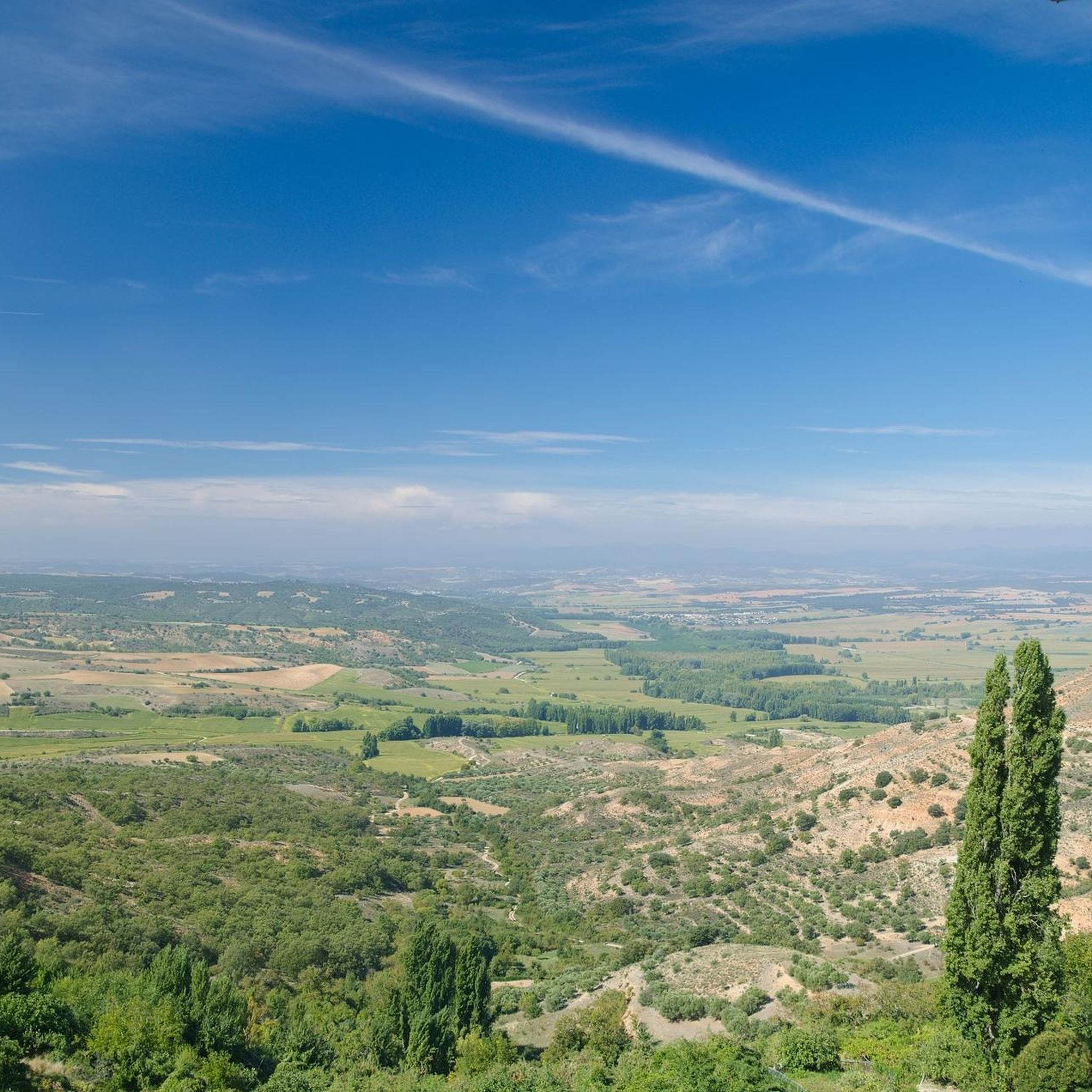
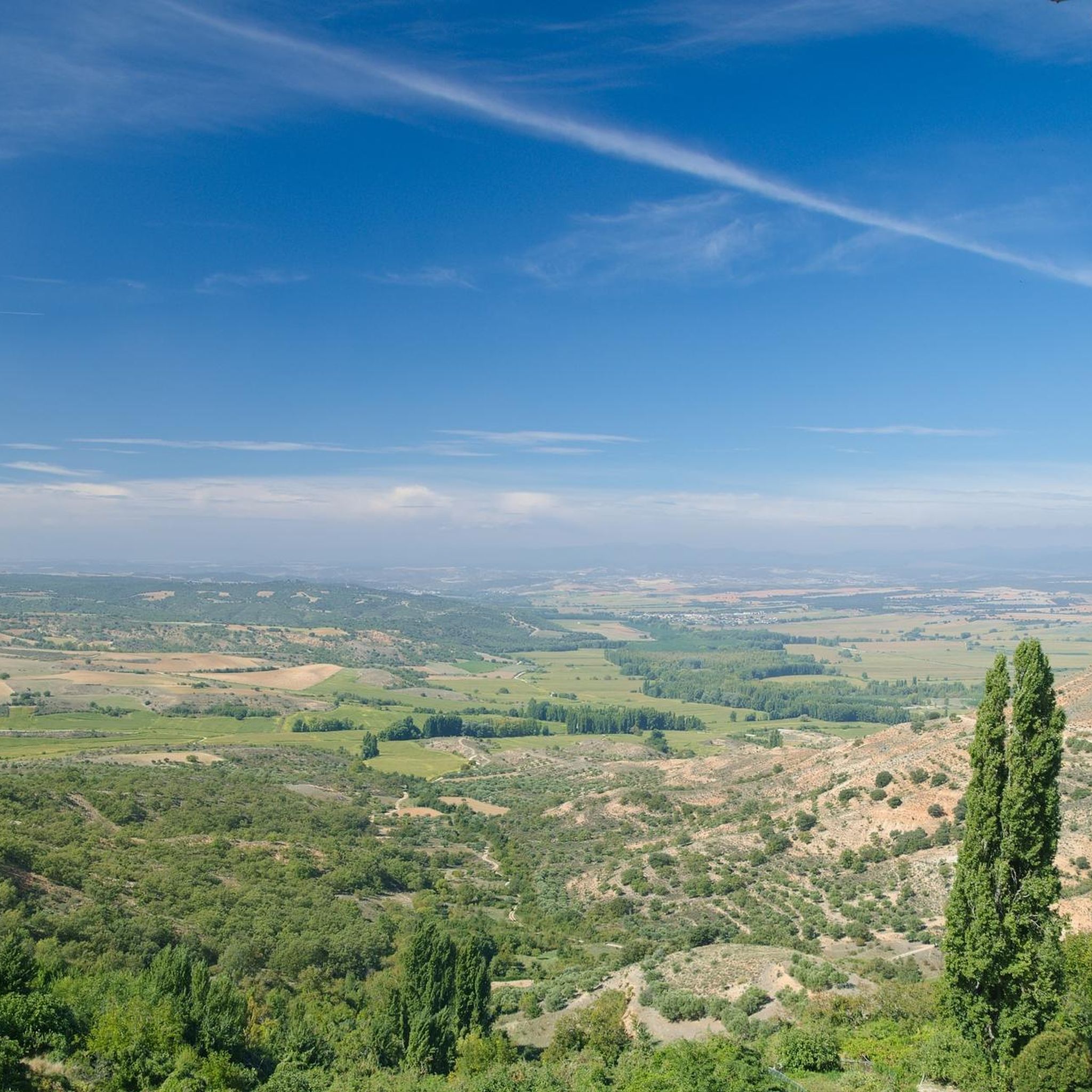
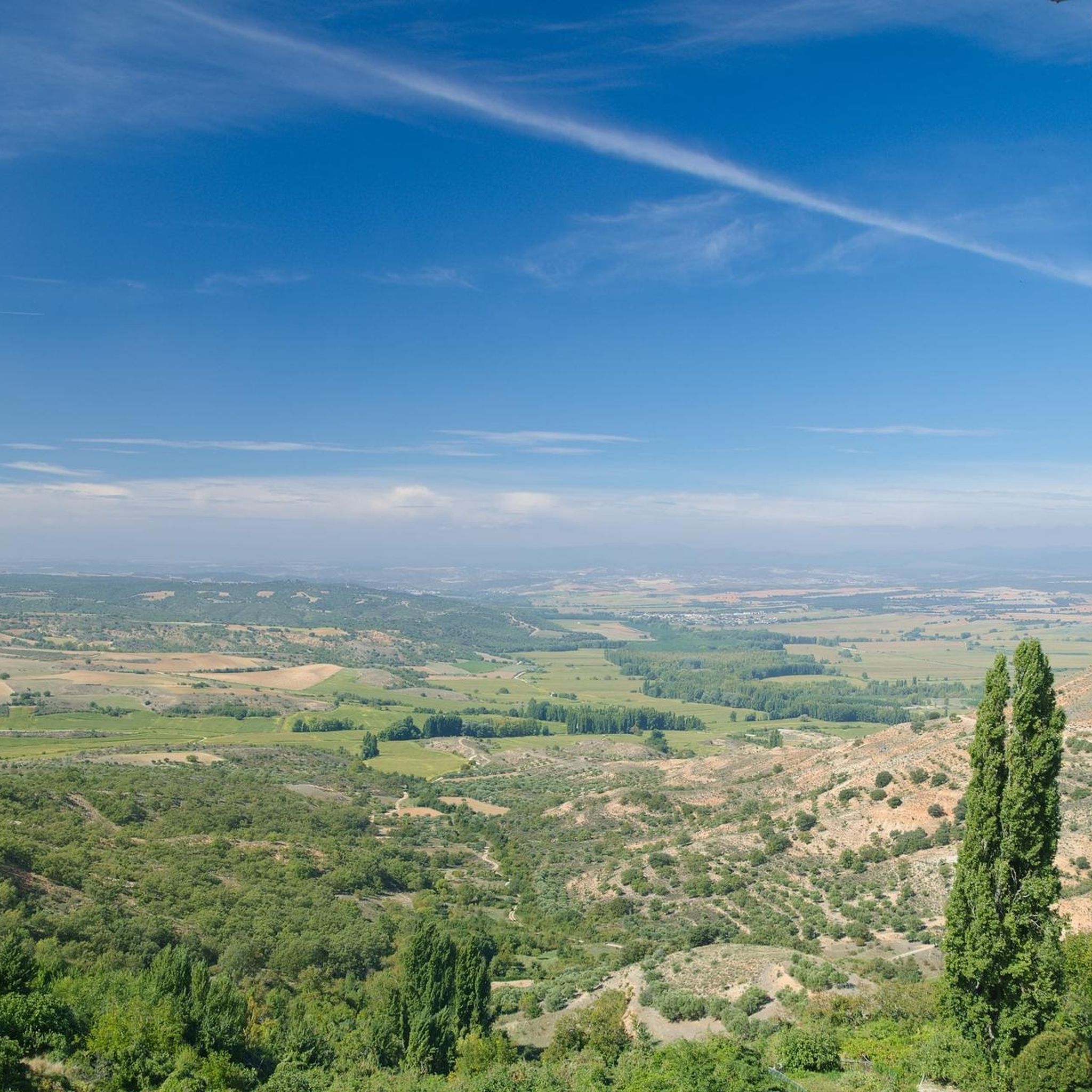
A beautiful climb with views of the entire valley. Near the end, we find a beautiful, flowing fountain.
0
0

Although it is associated with El Cid, it was never related to the mercenary knight, but rather to the first Count of El Cid, Rodrigo Días de Vivar y Mendoza, a noble title granted by the Catholic Monarchs in 1492. This fortress, dating back to the High Middle Ages, watches over the Henares valley at the foot of the Alcarria Mountains. A natural paradise with a variety of altitudes.
0
0
The exit from the town via the Camino del Cid is a very steep climb that can surely be avoided.
0
0

Climb with about 10% on a well-paved and quiet country road with beautiful scenery around it, which almost makes you forget the effort
0
0
imposing castle, called del Cid, although Rodrigo Díaz never lived there. The current Jadraque castle is almost entirely the work of the last third of the 15th century, that is, from the last group of medieval castle-palaces, already on the verge of disappearance at this time. Its reform in the 15th century was due to the master builder Alberto de Caravajal, helped by stonemasons from Northern Spain. This master builder also directed the renovation of the castle of Puebla de Almenara (Cuenca). It is likely that the outlines of the reform were given by the architect Juan Guas, although his intervention is not documented. The renovation work greatly affected almost everything that had previously existed there, as the natural terrain of the hill was even lowered. Only what was a large pentagonal tower in the bow was used in the construction of the new late medieval castle (probably towards the middle of the 20th century, almost the entire tower was dismantled to serve as a quarry). One of its panels is fallen today and the castle is closed to visitors.
0
0
Although Jadraque is famous for its castle, it does not detract from its monumental centre, which stands out: its 17th century church, which keeps inside the flagellated Christ collecting his tunic, by Zurbarán, and a carving attributed to Pedro de Mena. The Ursuline mansion, which served as a refuge in 1808 for the politician of the Enlightenment, Jovellanos, and for the painter Francisco de Goya. Another mansion, of the opposite sign, is that of the Inquisition, in the Plaza Mayor and with the institution's coat of arms partially destroyed. Together with the church we have a fountain where we can fill the can.
0
0

Beautiful Castle of Muslim origin, later rebuilt by the Mendoza family from Guadalajara.
1
0

Castilblanco de Henares is a small rural town on the banks of the Cañamares River before it flows into the Henares River. You can rest in the Plaza Mayor or in the Church of Nuestra Señora del Rosario.
1
0
Frequently Asked Questions
What natural features can I explore around Miralrío?
Miralrío offers stunning views of the Henares River valley and the Bornova River valley. A prominent natural viewpoint is the Mirador de la Muela, which provides spectacular vistas and is popular among paragliding enthusiasts. For broader natural exploration, the nearby Sierra Norte de Guadalajara Natural Park and Alto Tajo Natural Park offer rugged landscapes, diverse flora and fauna, and features like the Hayedo de Tejera Negra beech forest and various waterfalls.
What historical and cultural sites are there to visit near Miralrío?
The region around Miralrío is rich in history. You can visit the Palacio de Miralrío in Guadalajara city, a 16th-century Renaissance palace. Just a short drive away, the Castillo de Hita offers a glimpse into the past with its well-preserved outer wall and the base of a 15th-century keep. Additionally, the area features several significant religious buildings.
Are there any notable religious buildings in the Miralrío area?
Yes, Miralrío itself is home to the Iglesia de San Jorge, known for its significant tower and imposing interior. Nearby, in Pinilla de Jadraque, you'll find the Romanesque Iglesia de la Asunción de Nuestra Señora, a declared monument with an impressive columned portico. Other notable religious sites include the Church of San Juan Bautista of Jadraque, which houses works by Zurbarán and Pedro de Mena, and the Church of Our Lady of the Rosary, Castilblanco de Henares.
What kind of outdoor activities can I do near Miralrío?
The area around Miralrío is excellent for outdoor enthusiasts. You can enjoy various cycling and mountain biking routes. For example, there are several MTB Trails around Miralrío and Road Cycling Routes around Miralrío, offering diverse terrain and scenic views. The Argecilla Ascent is a popular climb with beautiful scenery.
Are there specific cycling routes recommended around Miralrío?
Absolutely. For road cycling, you can find routes like the 'Castillo de Jadraque y Río Badiel — circular desde Jadraque' or the more challenging 'Embalse de Acorlo y Pradena de Atienza — round trip from Jadraque'. If you prefer touring, consider the 'Mandayona and Ledanca from Jadraque — circular by the Camino del Cid'. You can explore more options on the Cycling around Miralrío guide.
What are some family-friendly attractions in the region?
While specific family-focused attractions are not detailed, the natural viewpoints and historical sites can be enjoyed by families. The Travesañas Bridge offers a quiet spot for a stop. Exploring the charming rural towns and their churches, such as Castilblanco de Henares, can also be a pleasant family activity.
Where can I find panoramic views of the surrounding landscape?
The Mirador de la Muela in Miralrío is the prime spot for panoramic views, offering spectacular vistas of the Henares River valley. Additionally, the Argecilla Ascent provides beautiful views of the entire valley as you climb.
What is the best time of year to visit Miralrío for outdoor activities?
The region experiences a continental Mediterranean climate. Spring (April-May) and autumn (September-October) generally offer the most pleasant weather for outdoor activities like cycling and hiking, with milder temperatures and beautiful natural scenery. Summers can be hot, and winters can be cold, though they offer their own unique charm.
Are there any unique architectural sites to see?
Beyond the Renaissance Palacio de Miralrío and the Romanesque Iglesia de la Asunción de Nuestra Señora, the wider Guadalajara region is known for its 'Black Architecture' villages. These unique settlements are characterized by their traditional slate construction, offering a distinct architectural experience.
What do visitors enjoy the most about the attractions around Miralrío?
Visitors appreciate the blend of natural beauty and historical significance. The Church of San Juan Bautista of Jadraque is noted for its monumental center and significant artworks. The Argecilla Ascent is praised for its beautiful scenery and valley views, making the effort worthwhile. The quiet, rural charm of places like Castilblanco de Henares is also a highlight for many.
Can I find any interesting bridges or historical structures?
Yes, the Travesañas Bridge is a notable structure that offers a quiet place for reflection. Historically, the region is dotted with remnants like the Castillo de Hita, providing insights into past eras.
Are there opportunities for mountain biking near Miralrío?
Definitely. Miralrío and its surroundings offer several mountain biking routes. You can find options like the 'Jadraque – San Blas Church loop' or the 'Caritas Spring – Travesañas Bridge loop from Jadraque'. These routes vary in difficulty and provide a great way to explore the landscape. More details can be found in the MTB Trails around Miralrío guide.
What are some lesser-known or 'hidden gems' in the Miralrío area?
While not widely publicized, the small rural town of Castilblanco de Henares, with its Church of Our Lady of the Rosary, offers a peaceful and authentic experience on the banks of the Cañamares River. The Church of Our Lady of the Assumption of Ledanca, built on a mound, also provides a picturesque and less-traveled historical site.
Most popular routes around Miralrío

Get inspired with the komoot mobile app


Explore more
Still not found the Highlight you’re looking for? See guides of the top attractions in other regions:
