The best running trails around Alfacar
4.4
(213)
10,271
runners
364
runs
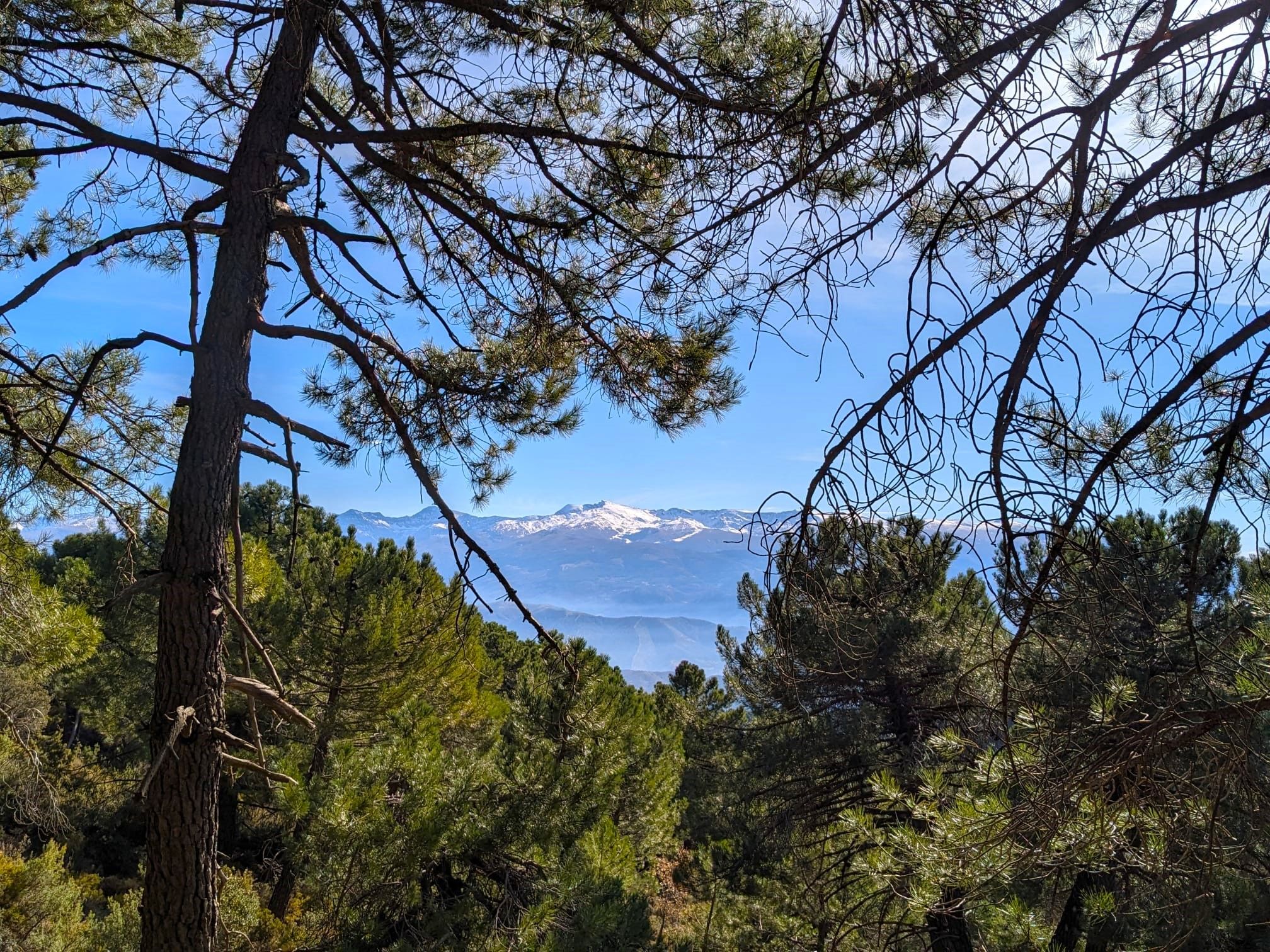
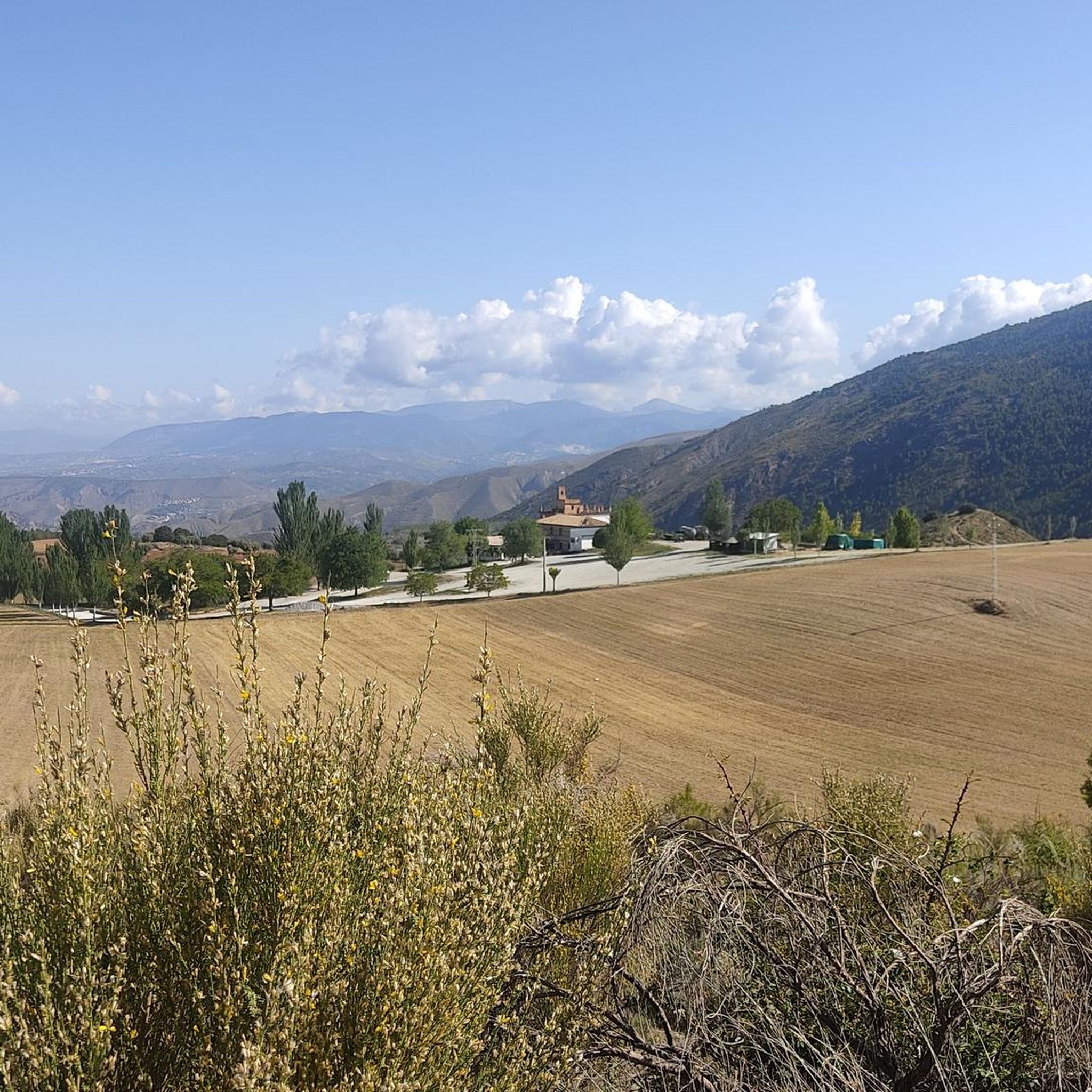
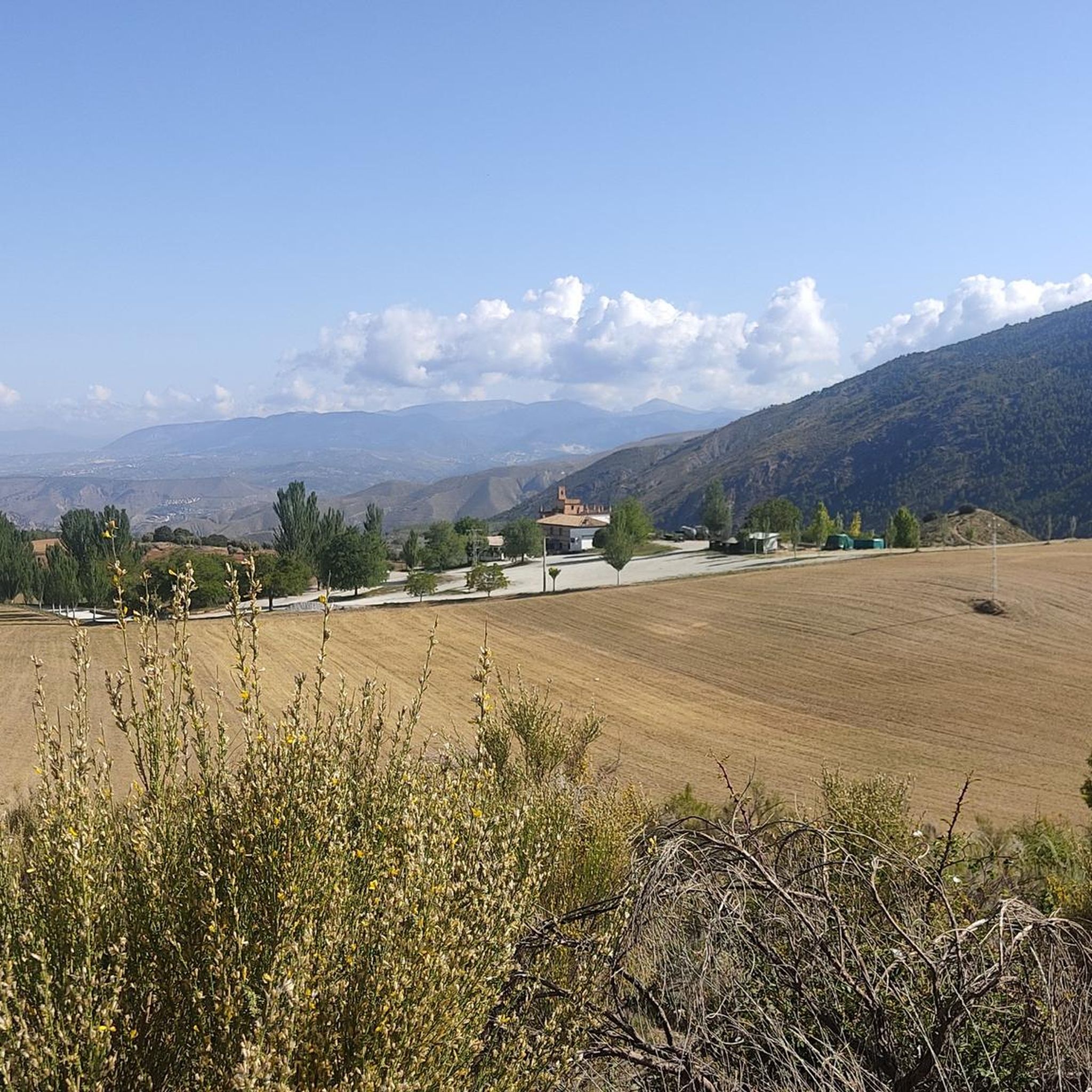
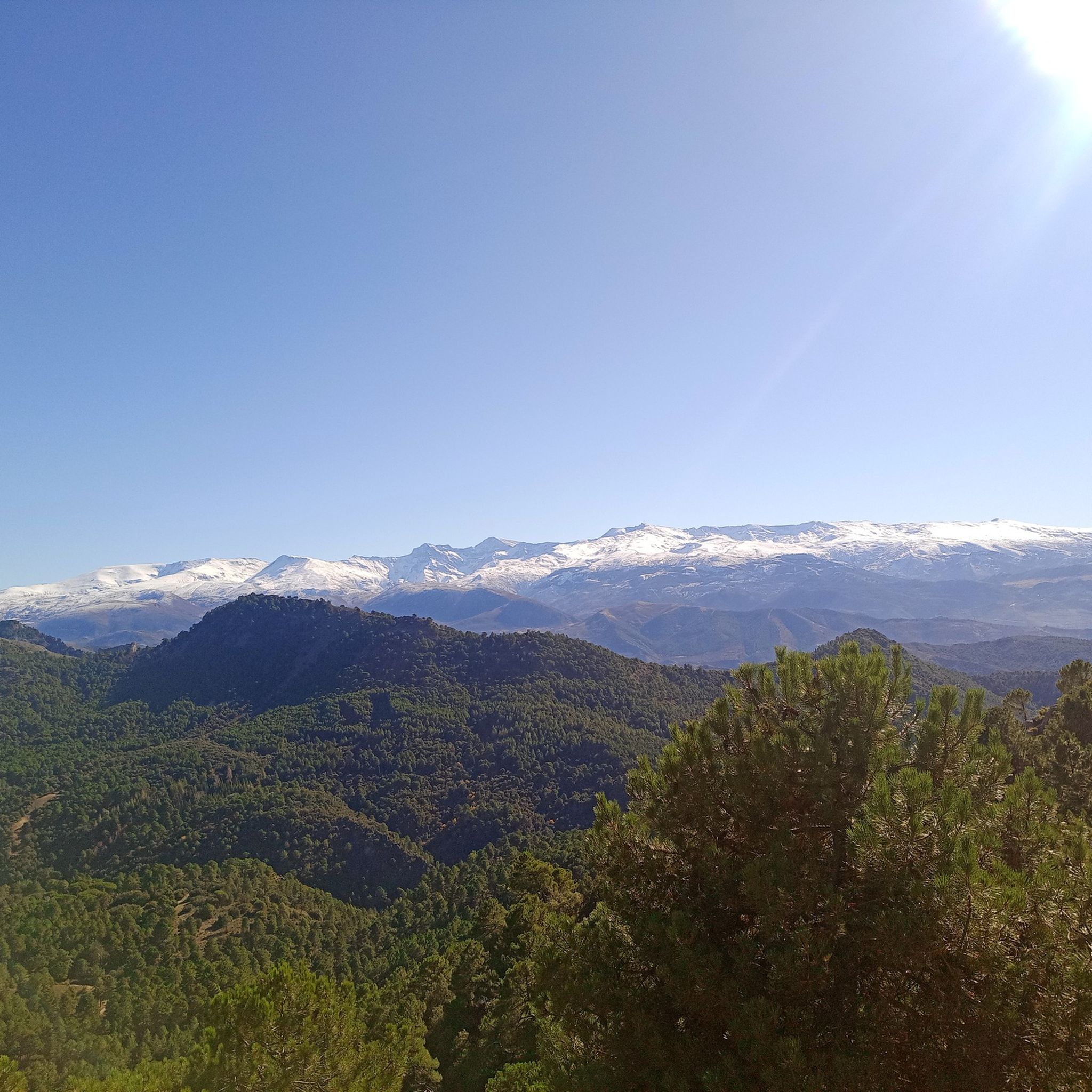
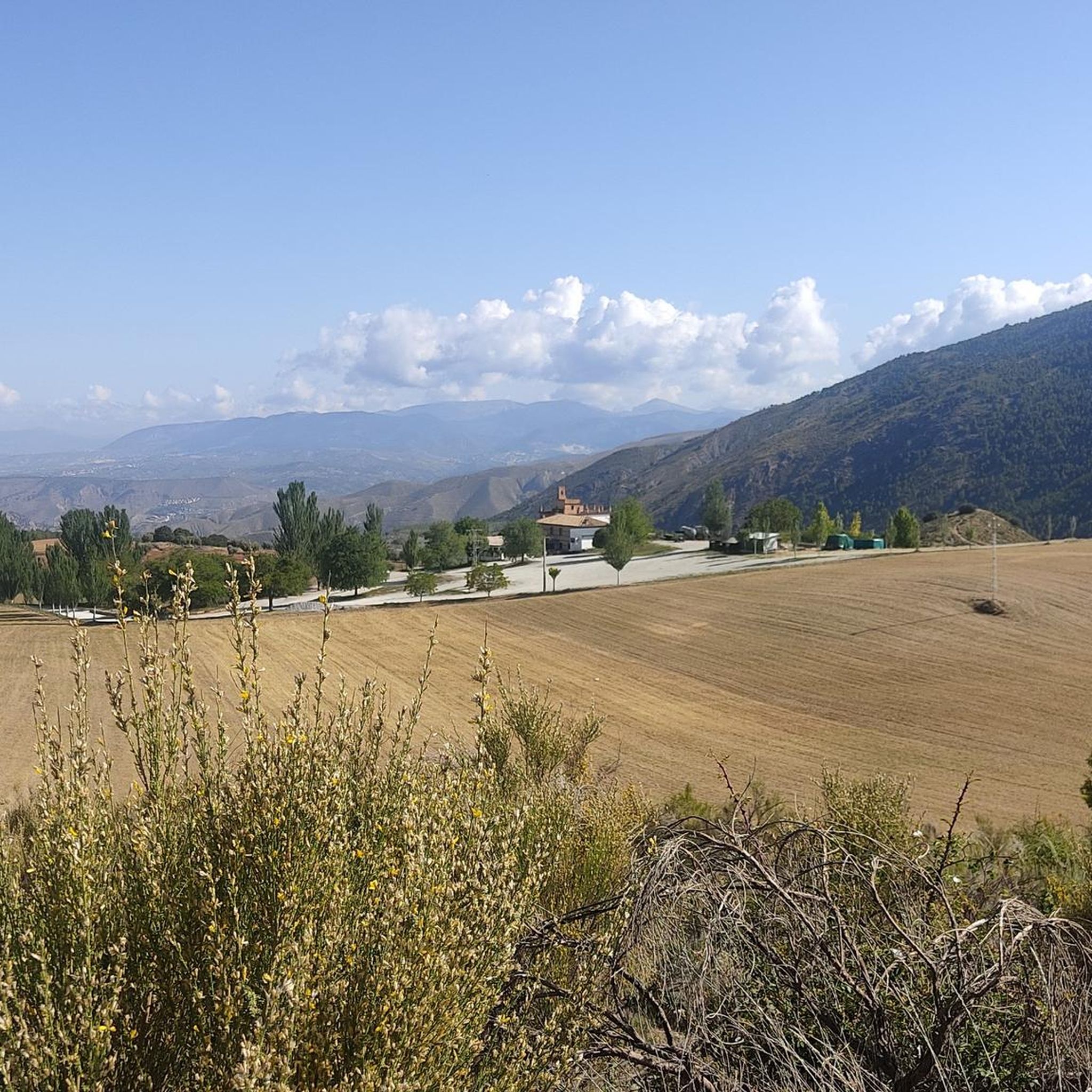
Jogging around Alfacar offers a diverse landscape for runners, characterized by its hilly terrain, pine forests, and elevated viewpoints. The region, situated near the Sierra de Huétor Natural Park, provides a mix of challenging ascents and more gentle paths. Runners can expect routes that traverse natural environments, offering varied surfaces and elevation changes.
Best jogging routes around Alfacar
- The most popular jogging route is Cuartel de Cervantes loop from Jun, an 11.8 miles (19.1 km) trail that takes 1…
Last updated: June 21, 2026
4.7
(3)
98
runners
Hard run. Very good fitness required. Sure-footedness, sturdy shoes and alpine experience required.
67
runners
Moderate run. Good fitness required. Mostly paved surfaces. Suitable for all skill levels.

Sign up for free
5.0
(1)
28
runners
Hard run. Very good fitness required. Sure-footedness, sturdy shoes and alpine experience required.
20
runners
4.88km
00:41
230m
220m
Moderate run. Good fitness required. Mostly paved surfaces. Suitable for all skill levels.
15
runners
18.4km
01:55
130m
130m
Hard run. Very good fitness required. Mostly paved surfaces. Suitable for all skill levels.
Get access to more routes and recommendations from other explorers.
Sign up for free
Already have an account?
Our route recommendations are based on thousands of hikes, rides, and runs completed by other people on komoot.
Start today with a free account
Your next adventure awaits.
Login or Signup

Other adventures around Alfacar

Tips from the Community

The Chartreuse of Granada (Spanish: Cartuja de Granada) is a Carthusian monastery in Granada, Spain. It is considered one of the finest examples of Spanish Baroque architecture. The monastery was founded in 1506; construction began ten years later and continued for three centuries. While the exterior is relatively restrained, the interior is a lavish explosion of ornamentation. Its complex geometric forms make it a masterpiece of the Churrigueresque style. Notable features include the tabernacle, designed by Francisco Hurtado Izquierdo, the church, and the famous sacristy, built between 1727 and 1764 by Luis de Arévalo and F. Manuel Vásquez. The monastery also boasts an extensive collection of paintings, the highlights being the works of Fray Juan Sánchez Cotán.
2
1

It's not a cemetery, it's a forest house.
0
0

The Monasterio de La Cartuja, also known as the Real Monasterio de Nuestra Señora de la Asunción de la Cartuja, is a beautiful monastery in Granada. It was founded in 1516 by the Carthusian monks of the Monastery of Santa María de El Paular. The monastery is a masterpiece of Spanish Baroque architecture and is known for its richly decorated interiors, including the impressive dome of the sagrario, painted by Antonio Palomino. Other highlights include the sacristy, the church and the small cloister. The monastery is also home to an important collection of paintings, including works by the Carthusian monk Juan Sánchez Cotán. It is a peaceful place that is well worth a visit for anyone interested in art, history and architecture.
8
0

In the Polvorite ravine, through which the Darro River runs, there is a narrow and winding path that runs through the canyon. It is not advisable to do it on days of heavy rain, as it could be dangerous.
1
0

Founded in the 16th century, this Cartuja is considered a masterpiece of Spanish Baroque architecture and boasts an impressive collection of religious art and elaborate decorations. Among the highlights of the Charterhouse are the impressive entrance staircase, the cloisters and the church with its magnificent high altar and impressive frescoed dome. La Cartuja also houses a large library with a collection of ancient manuscripts. A visit to the Cartuja is an opportunity to immerse yourself in the rich history and culture of Granada, as well as admire the beauty and splendor of Baroque architecture and art.
3
0

The Carthusian monastery Monasterio de la Cartuja in Granada, called "La Cartuja" there, is considered one of the most important baroque buildings in Spain. It was built in 1507 by Gonzalo Fernández de Córdoba y Aguilar - known as Gran Capitán for short. What began in 1506 only came to completion in the 18th century: although the original building plans were not even realised, but a large number of different architectural styles were integrated. Entry: 5€ Opening hours: Sunday to Friday: 10:00 a.m. – 5:30 p.m Saturday 10:00 a.m. - 12:30 p.m. / 3:00 p.m. - 5:30 p.m
1
3

Casa Hogar de FAISEM “Los Peñoncillos”, open since 2021. The place was previously a forest house. It has twenty places for stays between one and three months. FAISEM is the Andalusian Public Foundation for the Social Integration of People with Mental Illness.
2
0

I call this rock on the road "the gorilla"
1
0
Frequently Asked Questions
Are there easy running routes in Alfacar for beginners?
Yes, Alfacar offers a selection of easier running routes. While the region is known for its hilly terrain, there are 28 easy routes available. These paths often feature more gentle ascents and are suitable for those new to running or looking for a less strenuous workout.
What is the typical length of running trails around Alfacar?
Running trails in Alfacar vary significantly in length. You can find shorter loops, such as the Running loop from Alfacar at 4.6 miles (7.5 km), which is a moderate option. Longer, more challenging routes like the Mina Viewpoint – Sierra de Huétor loop from Víznar extend over 19.5 miles (31.4 km), offering options for all fitness levels.
Are there family-friendly running paths suitable for all ages in Alfacar?
Yes, Alfacar provides family-friendly running options. Look for the 28 easy routes available, which are generally more suitable for families or those with children. These paths often traverse natural environments with varied surfaces, but with less demanding elevation changes.
What kind of terrain can I expect on running routes in Alfacar?
The running routes in Alfacar are characterized by hilly terrain, pine forests, and panoramic viewpoints. Situated near the Sierra de Huétor Natural Park, you'll encounter a mix of challenging ascents and more gentle paths, with varied surfaces typical of natural environments.
What do other runners enjoy the most about jogging in Alfacar?
The area is highly rated by the komoot community, with an average score of 4.5 stars from over 190 reviews. Reviewers often praise the diverse landscape, the mix of challenging and gentle paths, and the rewarding panoramic views found on routes like the Sierra de Huétor – Mina Viewpoint loop from Campamento de la Alfaguara.
Are there circular running routes available in Alfacar?
Yes, many of the running routes in Alfacar are circular, allowing you to start and finish at the same point. Examples include the popular Cuartel de Cervantes loop from Jun and the Running loop from Alfacar, which are convenient for exploration.
What are some interesting landmarks or viewpoints along the running routes in Alfacar?
Many running routes offer stunning viewpoints over the landscape. For example, the Sierra de Huétor – Mina Viewpoint loop from Campamento de la Alfaguara specifically highlights a rewarding viewpoint. Additionally, the region is close to attractions like the Sacromonte Abbey and various caves, offering cultural and natural points of interest.
Can I find running routes near water features or lakes in Alfacar?
While Alfacar itself is known for its hilly, forested terrain, there are lakes in the broader region that offer different scenery. You can find highlights like the Quéntar Reservoir and the Cubillas Reservoir nearby, which might be incorporated into longer running excursions or visited separately.
How many running routes are available in the Alfacar area?
There are a total of 382 running routes around Alfacar, offering a wide range of options for different abilities and preferences. This includes 28 easy, 254 moderate, and 100 difficult trails.
Are there any routes that explore caves or unique geological features?
While specific running routes may not directly enter caves, the Alfacar area is known for its caves. You can explore highlights such as the Sacromonte Caves Museum or the Cave of the Marbles, which are points of interest near some running areas.
What is the best time of year to go running in Alfacar?
The best time to go running in Alfacar generally depends on personal preference and tolerance for heat. Spring and autumn offer milder temperatures, making them ideal for longer runs. Summer can be very warm, so early morning or late evening runs are recommended. Winter provides cooler conditions, though some higher elevation paths might be affected by weather.
Are there any running routes that offer views of the Alhambra or Granada?
While Alfacar is distinct from Granada, some elevated viewpoints in the broader region might offer distant views. For direct views of the Alhambra and Granada, you might consider exploring areas closer to the city, such as the View of the Alhambra and Granada from the Albayzín Cave Dwellings, which is a notable highlight in the vicinity.
Most popular attractions around Alfacar

Get inspired with the komoot mobile app


Explore more
Browse the best Running Trails & Routes in other regions.
