Attractions and Places To See around Puente De Domingo Flórez - Top 20
Best attractions and places to see around Puente De Domingo Flórez include a rich blend of historical, natural, and cultural sites in the El Bierzo region of León, Spain. The area is characterized by ancient Roman engineering, diverse natural landscapes, and charming local sites. Visitors can explore remnants of Roman gold mining operations and extensive canal networks. The municipality also offers various outdoor activities and cultural points of interest.
Best attractions and places to see around Puente De Domingo Flórez
…Last updated: July 7, 2026
Orellán Galleries
Highlight • Historical Site
Translated by Google •
Tip by

La Encantada Cave and La Cuevona
Highlight • Cave
Translated by Google •
Tip by
Sign up now to discover places like this
Get recommendations on the best single tracks, peaks, & plenty of other exciting outdoor places.
Sign up for free
Las Médulas
Highlight • Historical Site
Translated by Google •
Tip by
Las Médulas Roman Gold Mines
Highlight • Historical Site
Translated by Google •
Tip by
Pico de Placias
Highlight • Summit
Translated by Google •
Tip by
Sign up for free to discover even more attractions around Puente De Domingo Flórez.
Sign up for free
Already have an account?
Start today with a free account
Your next adventure awaits.
Login or Signup
Tips from the Community

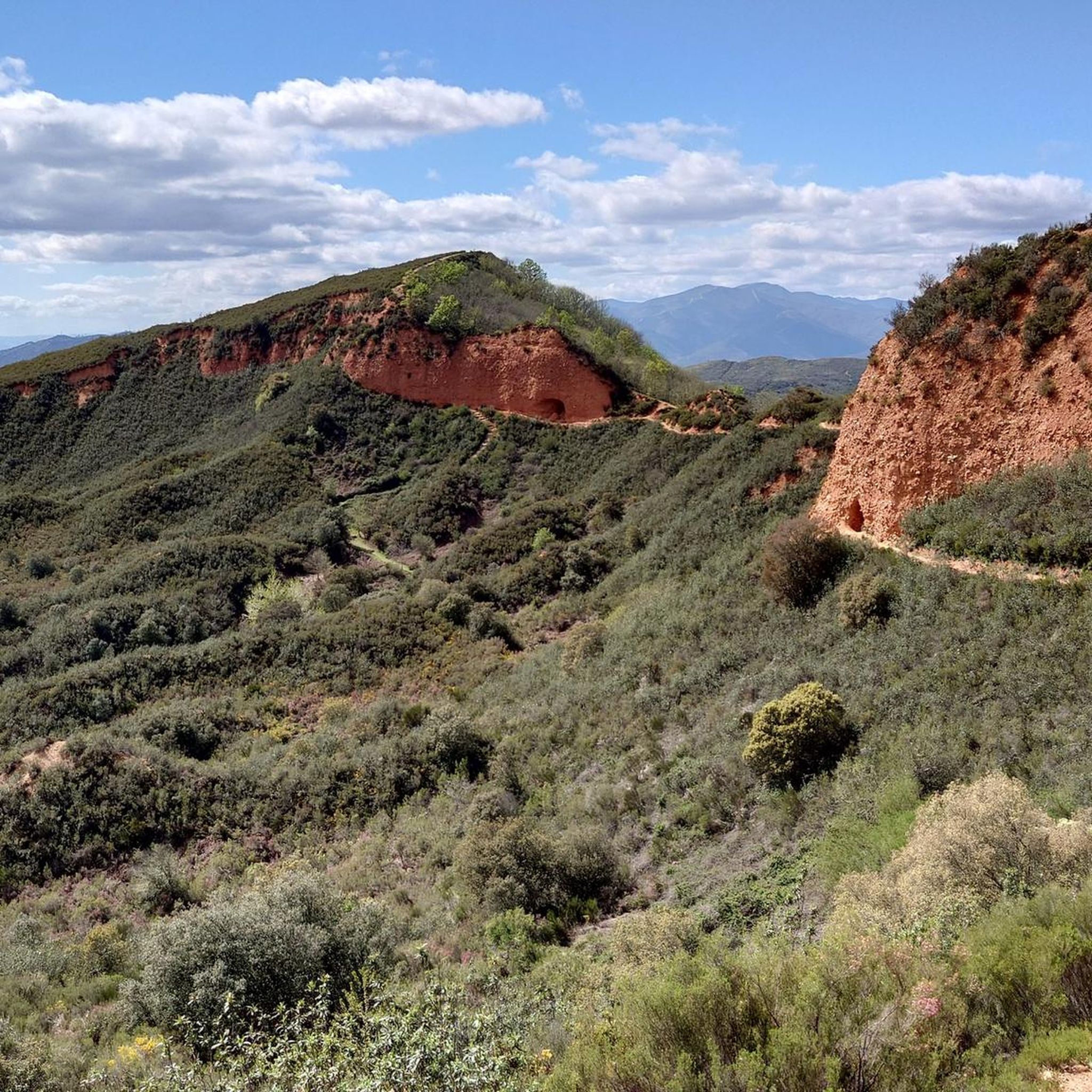
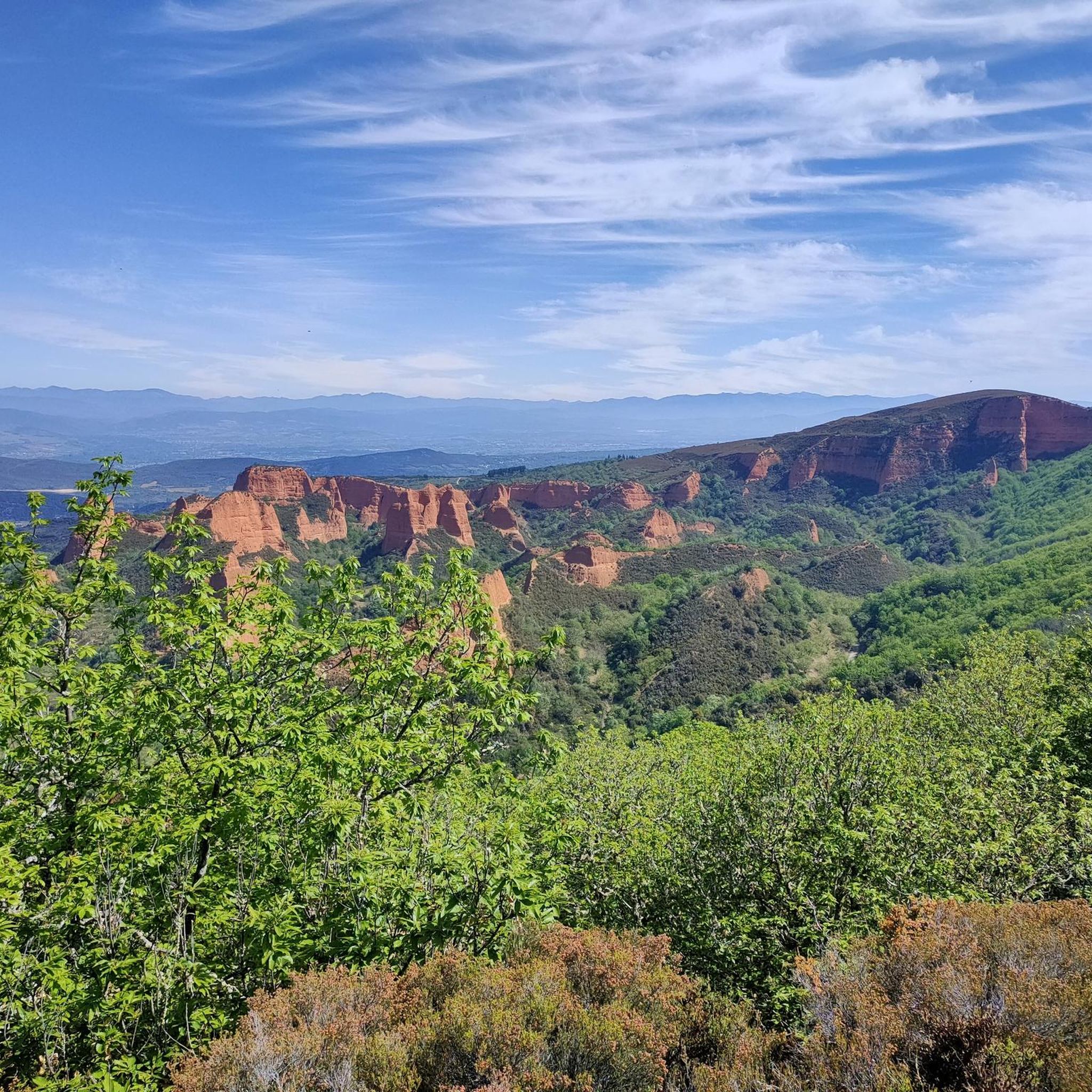
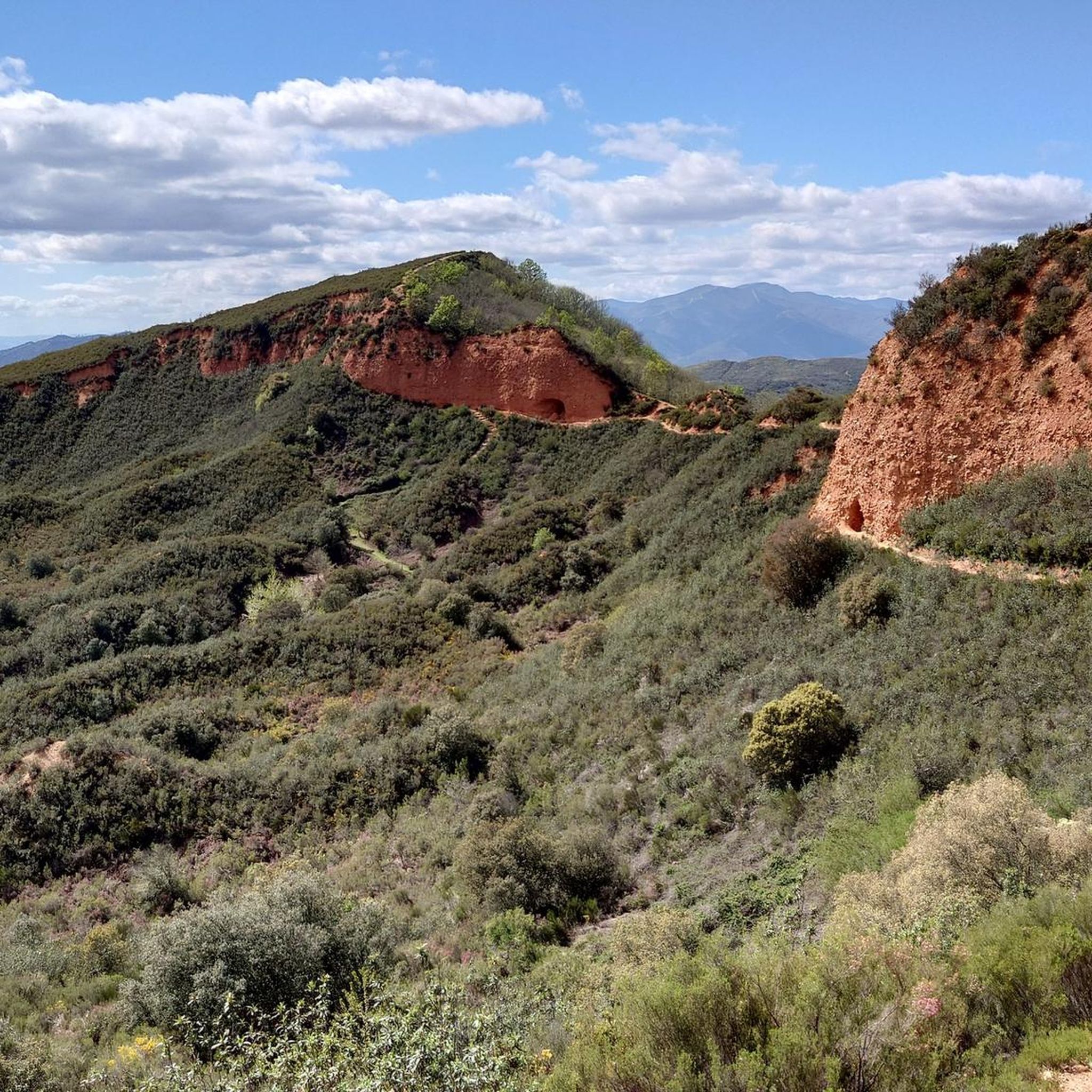
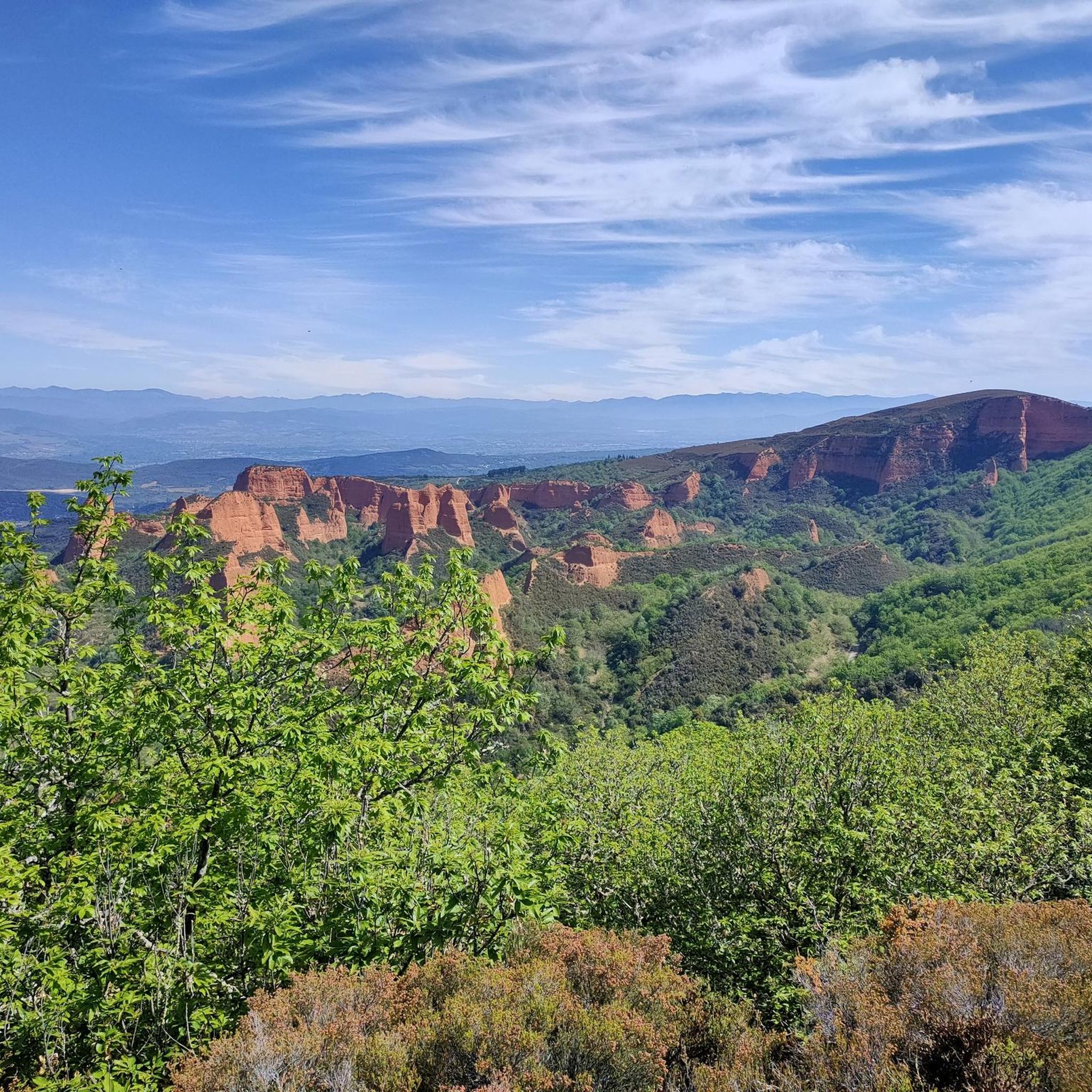
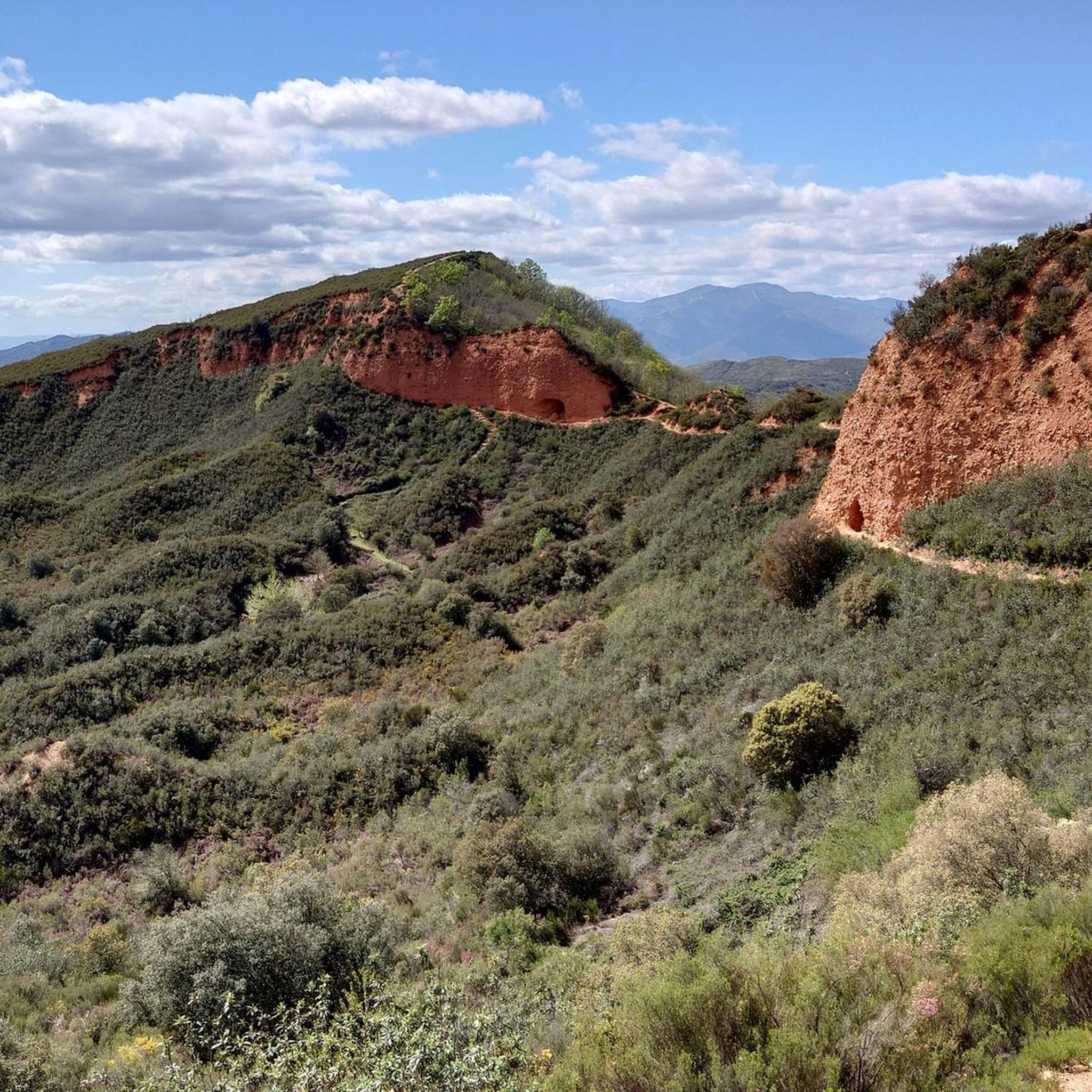
When viewing the rock formations of Las Medulas, it's important to remember that this landscape is not natural, but rather the (sad) remains of a mountain range that was ruthlessly exploited for its gold ore as early as the Roman Empire. Nevertheless, this landscape of ruins is a UNESCO World Heritage Site. A 15-minute film documentary about it (although only available in German) is available in the ARD media library as part of the highly recommended series "Treasures of the World - Heritage of Humanity" =>> https://www.zdf.de/swr/schaetze-der-welt/page-video-ard-las-mdulas-und-seine-goldminen-spanien-100.html
3
0
When looking at the rock formations of LAS MEDULAS, one must remember that this landscape is not natural, but rather the (sad) remains of a mountain massif that was ruthlessly exploited for its gold ore as early as the Roman Empire. Nevertheless, this landscape of ruins is a UNESCO World Heritage Site. A 15-minute film documentary about this (in German) is available in the ARD media library as part of the highly recommended series “Treasures of the World - Heritage of Humanity”: https://www.zdf.de/swr/schaetze-der-welt/page-video-ard-las-mdulas-und-seine-goldminen-spanien-100.html
4
0

Las Médulas, located in Bierzo, northwest of the Montes Aquilanos and along the valley of the Sil River, is a fantastic landscape resulting from Roman gold mining. This place has been declared a World Heritage Site by UNESCO. Although no one would say that the steep cliffs hide, beneath their bowels, the gold of the Romans, the mining exploitation silenced for centuries has become a beautiful landscape of great tourist attraction.
26
0

This landscape was created over 250 years by an estimated 60,000 slaves to supply the Roman Empire with around 1,650 tons of gold. A UNESCO World Heritage Site
8
0
La Cuevona and La Encantada are two impressive places in Las Médulas, an area with a rich mining history and a unique landscape. The Cave: It is a gallery dug into the mountain, part of the ancient network of tunnels and galleries used in Roman mining exploitation. It has the highest height of all the existing galleries in Las Médulas. It is an important reference point for those exploring the Las Valiñas path. As you pass in front of La Cuevona, you will climb a small slope protected by a railing of wooden logs. The enchanted: It is also part of the old mining network. Upon arriving at La Encantada, you will be surprised by its unusual luminosity due to the entry of light from a hole at the top. There are two tunnels that branch off to the left and right, and from inside, you can see a beautiful landscape. Both caves are witnesses of Roman mining activity and offer a unique experience for visitors. I hope you enjoy exploring La Cuevona and La Encantada! 🏞️🚶♂️
9
0
Pico de Placias is another impressive place for hiking and nature lovers. A popular route starts from the parking lot next to the archaeological classroom. The route is circular, following the perimeter path to the Orellán viewpoint and then linking with the Valiñas path in the direction of La Cuevona and La Encantada. I hope you have an amazing experience exploring Placias Peak! 🏞️🚶♂️
10
0
The Orellán Gallery is an ancient underground water conduit that extends for about 100 meters. Its original function was to transport water from inside the mountain to burst it from within. The conduit ends at a viewpoint located in a vertical cut of the mountain, offering an impressive view. These galleries were part of the mining exploitation system known as Ruinae Montium. The Romans used these structures to extract minerals and natural resources. I hope you enjoy this historical and natural experience! 😊
10
0
Las Médulas, located in Bierzo, northwest of the Montes Aquilanos and along the valley of the Sil River, is a fantastic landscape resulting from Roman gold mining. This place has been declared a World Heritage Site by UNESCO. Although no one would say that the steep cliffs hide, beneath their bowels, the gold of the Romans, the mining exploitation silenced for centuries has become a beautiful landscape of great tourist attraction.
20
1
Frequently Asked Questions
What historical sites related to Roman engineering can I explore in Puente de Domingo Flórez?
Puente de Domingo Flórez is rich in Roman engineering marvels. You can visit the Orellán Galleries, ancient underground water conduits used for gold extraction, which offer impressive mountain views from their end. The area is also intrinsically linked to the extensive Roman canal network that supplied water to Las Médulas. For a deeper understanding, the Centro de Interpretación de Los Canales Romanos provides an overview of this 600 km network.
Are there any natural caves or unique geological formations to visit?
Yes, the area features fascinating natural formations. You can explore La Encantada Cave and La Cuevona, which are part of the ancient network of tunnels and galleries from Roman mining. La Encantada is known for its unusual luminosity, while La Cuevona is the highest of the existing galleries in Las Médulas.
Where can I experience the unique landscape of the Roman gold mines?
The spectacular landscape resulting from Roman gold mining can be best experienced at Las Médulas, a UNESCO World Heritage site. This area features impressive reddish cliffs and a unique environment shaped by ancient Roman engineering. The Mirador de Orellán is an excellent starting point to grasp the magnitude of this historical site.
What hiking opportunities are available near Puente de Domingo Flórez?
The region offers numerous hiking opportunities. A popular route leads to Pico de Placias, offering breathtaking views. This circular route often starts from the archaeological classroom's parking area, connecting to the Orellán viewpoint and the Valiñas path towards La Cuevona and La Encantada. For more options, you can find various trails in the Hiking around Puente De Domingo Flórez guide.
Can I find trails suitable for running or mountain biking in the area?
Absolutely. The diverse terrain around Puente de Domingo Flórez is suitable for both running and mountain biking. You can explore routes like the 'Mirador de Orellan - running circular through the Monumento Natural de Las Medulas' for running, or the 'Lago de Carucedo, Castillo de Cornatel y Mirador De Orellán' for mountain biking. Discover more options in the Running Trails around Puente De Domingo Flórez and MTB Trails around Puente De Domingo Flórez guides.
What is the Camino de Invierno and how does it relate to Puente de Domingo Flórez?
The Camino de Invierno (Winter Way) is an alternative route of the Camino de Santiago, and Puente de Domingo Flórez is situated along this historic Roman road. It offers a more accessible path to Galicia, especially during periods of rain and snow, and is favored in spring and summer for its lush vegetation and green panoramic views.
Are there any natural parks or significant rivers nearby?
Yes, the region is home to the Parque Natural Sierra de la Encin..., which features extensive native forests, hidden waterfalls, and diverse flora and fauna. Additionally, the Río Cabrera, an important river originating in La Cabrera, flows through the municipality before joining the Sil River, offering scenic natural beauty.
What are some charming local villages or cultural points of interest in the vicinity?
The municipality includes several charming villages, each with its own character. For example, Vega de Yeres features a church dedicated to the Virgen de la Expectación, while Yeres contains the ruins of 'Las Medulillas,' a smaller Roman gold exploitation site. Robledo de Sobrecastro offers the Ermita de Santiago, and Castroquilame has the Chapel of San Ildefonso amidst chestnut trees.
What local products or industries is Puente de Domingo Flórez known for?
Puente de Domingo Flórez is historically known for its slate quarries, which have supported a local service industry. The municipality is also recognized for its agricultural products, including wine, Reineta apples, peppers, botillo, cecina, pears, cherries, and chestnuts, reflecting the rich local gastronomy.
What is the best time of year to visit Puente de Domingo Flórez for outdoor activities?
The Camino de Invierno, which passes through the area, is particularly favored in spring and summer for its lush vegetation and green panoramic views, suggesting these seasons are ideal for outdoor activities like hiking and exploring the natural landscapes. Autumn also offers beautiful scenery, especially around the chestnut forests.
What do visitors enjoy most about the attractions around Puente de Domingo Flórez?
Visitors particularly enjoy the unique blend of history and nature. The ancient Roman engineering, such as the Orellán Galleries and the vast Las Médulas site, offers a fascinating glimpse into the past. The impressive landscapes, especially the reddish cliffs of Las Médulas, and the opportunity for diverse outdoor activities like hiking to Pico de Placias, are highly appreciated.
Most popular routes around Puente De Domingo Flórez
Most popular attractions around Puente De Domingo Flórez

Get inspired with the komoot mobile app


Explore more
Still not found the Highlight you’re looking for? See guides of the top attractions in other regions:
