The best road cycling routes around Burbáguena
4.0
(2)
197
riders
11
rides
Road cycling around Burbáguena is characterized by the varied landscapes of the Jiloca Valley, situated along the Jiloca River. The region offers a mix of flatter sections ideal for relaxed rides, particularly along the riverbanks, and undulating routes as the terrain rises away from the valley floor. This area provides diverse terrain suitable for different levels of road cyclists, with roads featuring gradual climbs and limited car traffic.
Best road cycling routes around Burbáguena
- The most popular road cycling route…
Last updated: July 11, 2026
9
riders
Moderate road ride. Good fitness required. Mostly well-paved surfaces and easy to ride.
3.0
(1)
21
riders
71.2km
03:20
690m
690m
Moderate road ride. Good fitness required. Some segments of this route may be unpaved and difficult to ride.

Sign up for free
15
riders
102km
04:53
1,180m
1,180m
Hard road ride. Very good fitness required. Some segments of this route may be unpaved and difficult to ride.
9
riders
82.0km
03:58
1,020m
1,020m
Hard road ride. Very good fitness required. Some segments of this route may be unpaved and difficult to ride.
7
riders
54.0km
02:34
510m
510m
Moderate road ride. Good fitness required. Some segments of this route may be unpaved and difficult to ride.
Get access to more routes and recommendations from other explorers.
Sign up for free
Already have an account?
Our route recommendations are based on thousands of hikes, rides, and runs completed by other people on komoot.
Start today with a free account
Your next adventure awaits.
Login or Signup


Tips from the Community

Watched over by the remains of its ancient castle, Daroca emerges, one of the most beautiful cities in Aragon. Without a doubt, one of the charms of the town is to walk along its walls, with their imposing towers, until you reach the castle, from which you can enjoy a beautiful panoramic view.
0
0

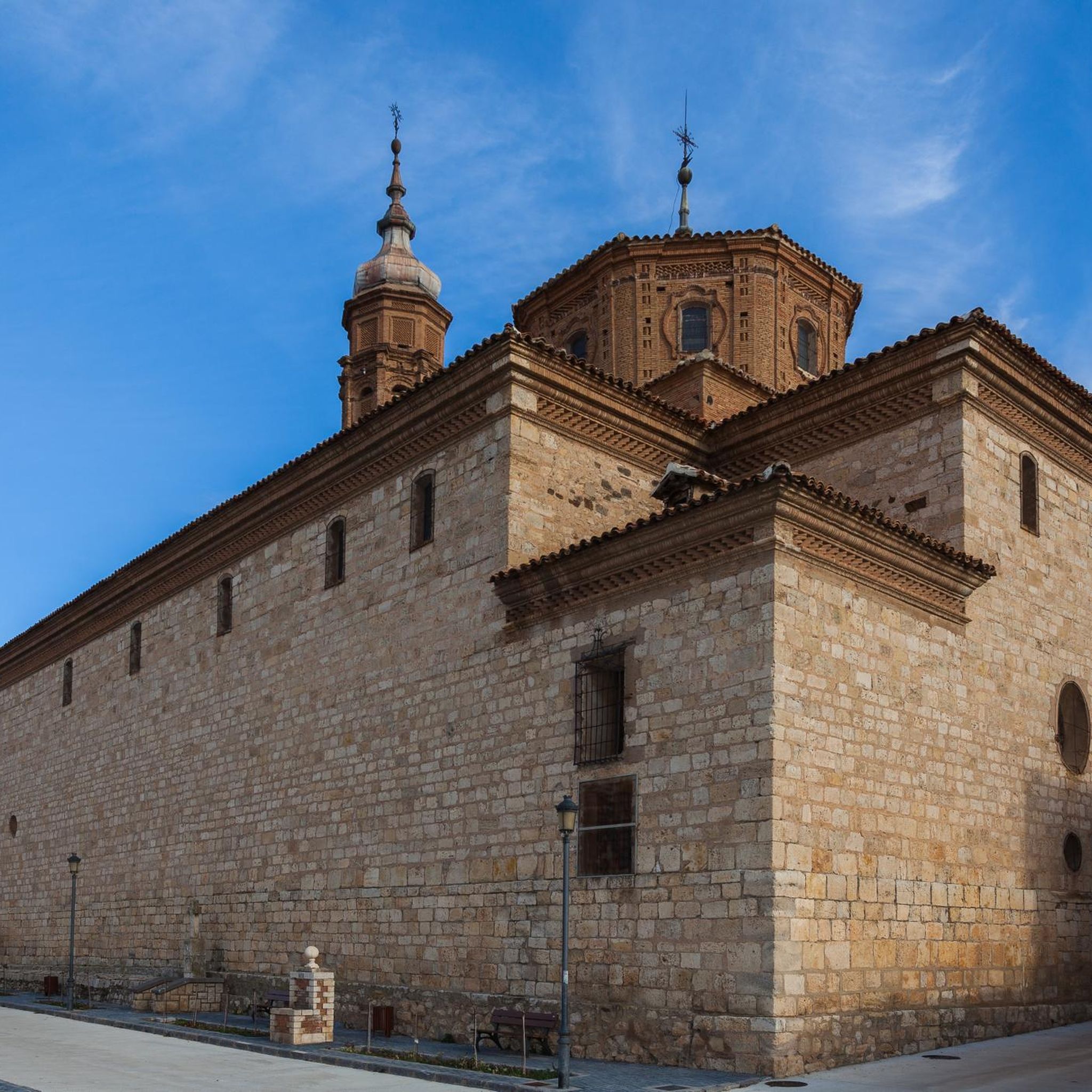
Monforte de Moyuela is a small village in the Jiloca region of Teruel, located at an altitude of over 1,000 meters and surrounded by the Oriche mountain range. It preserves remains of its 12th-century castle and a Roman dam, as well as several chapels and the parish church of La Asunción, rebuilt in the 19th century after the Carlist Wars. The town is part of the Route of El Cid, which makes it even more attractive for those cycling along historic, less-traveled paths. The terrain is mountainous, and it's advisable to bring good equipment and plenty of water, as services are limited in the area.
1
0
The Lower Gate is the most emblematic entrance to Daroca and one of the most impressive defensive monuments in Aragon. Its two robust towers flank a large arch that, in addition to serving as a passageway, also facilitated the drainage of water during periods of heavy rain. Built between the 13th and 16th centuries, it reflects the military and architectural evolution of the city, with Gothic and Renaissance elements such as the gallery of arches and the imperial coat of arms of Charles V. Today, restored, it houses the Center for Daroca Studies and is a must-see for those exploring the city's walls and historic streets.
2
0

A must-see to listen to the flow of the Pancrudo River. And seeing the beauty of the Jiloca River banks in autumn is special.
0
1

A small paradise between the Jarama and Alcarria rivers, where migratory birds pass through on their long journey. It has a picnic area at the Hermitage of the Virgin and several bird-watching spots.
0
0

This Castle corresponds to the Major Castle of Daroca, of Muslim origin and built in the 11th Century.
0
0

Small or not so small, town on the Camino del Cid. The hostel is highly recommended, both for accommodation and for food. We also have shops, fountains and a pharmacy.
1
0

Images are there for a reason...take a photo and find out what they mean to you
0
0
Frequently Asked Questions
How many road cycling routes are available around Burbáguena?
There are nearly 10 road cycling routes available around Burbáguena, offering a variety of experiences for different skill levels.
What kind of terrain can I expect when road cycling in the Jiloca Valley?
The Jiloca Valley offers varied terrain. You'll find flatter sections ideal for relaxed rides, especially along the Jiloca River, and undulating routes with gradual climbs as you venture away from the riverbed into the surrounding areas. The region is known for its scenic and engaging cycling opportunities.
Are there road cycling routes suitable for beginners or families in Burbáguena?
While there are no routes specifically classified as 'easy' in our current selection, the Jiloca Valley features flatter sections along the river that can be suitable for more relaxed rides. These areas offer a gentler introduction to road cycling, though most routes are moderate in difficulty.
What are some of the longer road cycling routes in the area?
For a longer ride, consider the Puerto de Rudilla – Puerto de Rudilla loop from Cuencabuena, which covers approximately 51.0 miles (82.0 km) and includes significant elevation gain. Another option is the Daroca – Calamocha loop from Tornos, a moderate 44.9 miles (72.3 km) path connecting notable towns.
Are there challenging road cycling routes for experienced cyclists near Burbáguena?
Yes, for experienced cyclists seeking a challenge, routes like the Puerto de Rudilla – Puerto de Rudilla loop from Cuencabuena offer challenging terrain with over 1000 meters of elevation gain. The broader Jiloca region also features 'hard bike rides' with significant elevation, requiring good fitness.
Can I find circular road cycling routes around Burbáguena?
Yes, several routes are circular. For example, the popular Jiloca River Bank to Torralba de Sisones & Bello - circular from Calamocha is a 32.0-mile loop. Another option is the Luco de Jiloca – Báguena loop from Cuencabuena, a moderate 44.8-mile circular route.
What historical landmarks or points of interest can I see along the road cycling routes?
Burbáguena itself boasts historical charm with its medieval castle, a Mudejar-influenced tower, and noble houses from the 16th and 17th centuries. Along the routes, you might encounter the Roman bridge of Luco de Jiloca. The nearby town of Calamocha is also a notable settlement in the region.
Are there any natural features or viewpoints to enjoy while cycling?
The Jiloca Valley itself provides beautiful natural scenery. While cycling, you can enjoy the riverbanks of the Jiloca River. A significant natural attraction nearby is the Laguna de Gallocanta Natural Reserve, one of Europe's largest saltwater lagoons, known for birdwatching. You might also discover the Aguallueve de Anento waterfall.
What do other road cyclists enjoy the most about road cycling in Burbáguena?
The area is highly rated by the komoot community, with an average score of 4.0 stars. Reviewers often praise the varied landscapes of the Jiloca Valley, the mix of flatter sections along the river, and the engaging undulating routes with gradual climbs. The presence of roads with limited car traffic is also a highlight for many.
Is there a dedicated cycling path or greenway in the area?
Yes, parts of the Santander–Mediterranean Greenway and the Santander–Mediterranean Nature Trail – Villanueva del Jiloca are accessible in the region, offering dedicated paths that are ideal for cycling.
What is the best time of year for road cycling in Burbáguena?
While specific seasonal recommendations aren't detailed, the varied landscapes of the Jiloca Valley suggest that spring and autumn would offer pleasant temperatures and beautiful scenery for road cycling. Summers can be warm, and winters might be cooler, so checking local weather forecasts is always advisable.
Are there any routes that connect Burbáguena to other towns?
Burbáguena's location between larger towns like Calamocha and Daroca makes it a potential hub for connecting routes. The Daroca – Calamocha loop from Tornos is an example of a route that connects these notable towns, offering a longer ride through the Jiloca region.
Most popular attractions around Burbáguena

Get inspired with the komoot mobile app


Explore more
Browse the best Road cycling routes in other regions.
