Top 10 Castles around Santa Perpètua De Mogoda
Best castles around Santa Perpètua De Mogoda, a municipality in the Vallès Occidental region, offer a rich historical and architectural legacy. The area features various notable castles, ranging from ancient fortified farmhouses to unique 20th-century constructions. These structures provide insights into the region's past and its diverse architectural heritage.
Best castles around Santa Perpètua De Mogoda
- The most popular castles is Sant Miquel Castle, a castle that can be accessed by a technical path. Once at the top, the…
Last updated: July 12, 2026
Sentmenat Castle
Highlight • Castle
The castle is in a strategic place. The façade, oriented to the …
Translated by Google •
Tip by

Torre Baró Castle
Highlight • Castle
Translated by Google •
Tip by
Sign up now to discover places like this
Get recommendations on the best single tracks, peaks, & plenty of other exciting outdoor places.
Sign up for free
Sant Miquel Castle
Highlight • Castle
Translated by Google •
Tip by

Castell de Clasquerí
Highlight • Castle
Translated by Google •
Tip by

La Torre Negra
Highlight • Castle
Translated by Google •
Tip by

Sign up for free to discover even more castles around Santa Perpètua De Mogoda.
Sign up for free
Already have an account?
Start today with a free account
Your next adventure awaits.
Login or Signup
Popular around Santa Perpètua De Mogoda

Tips from the Community

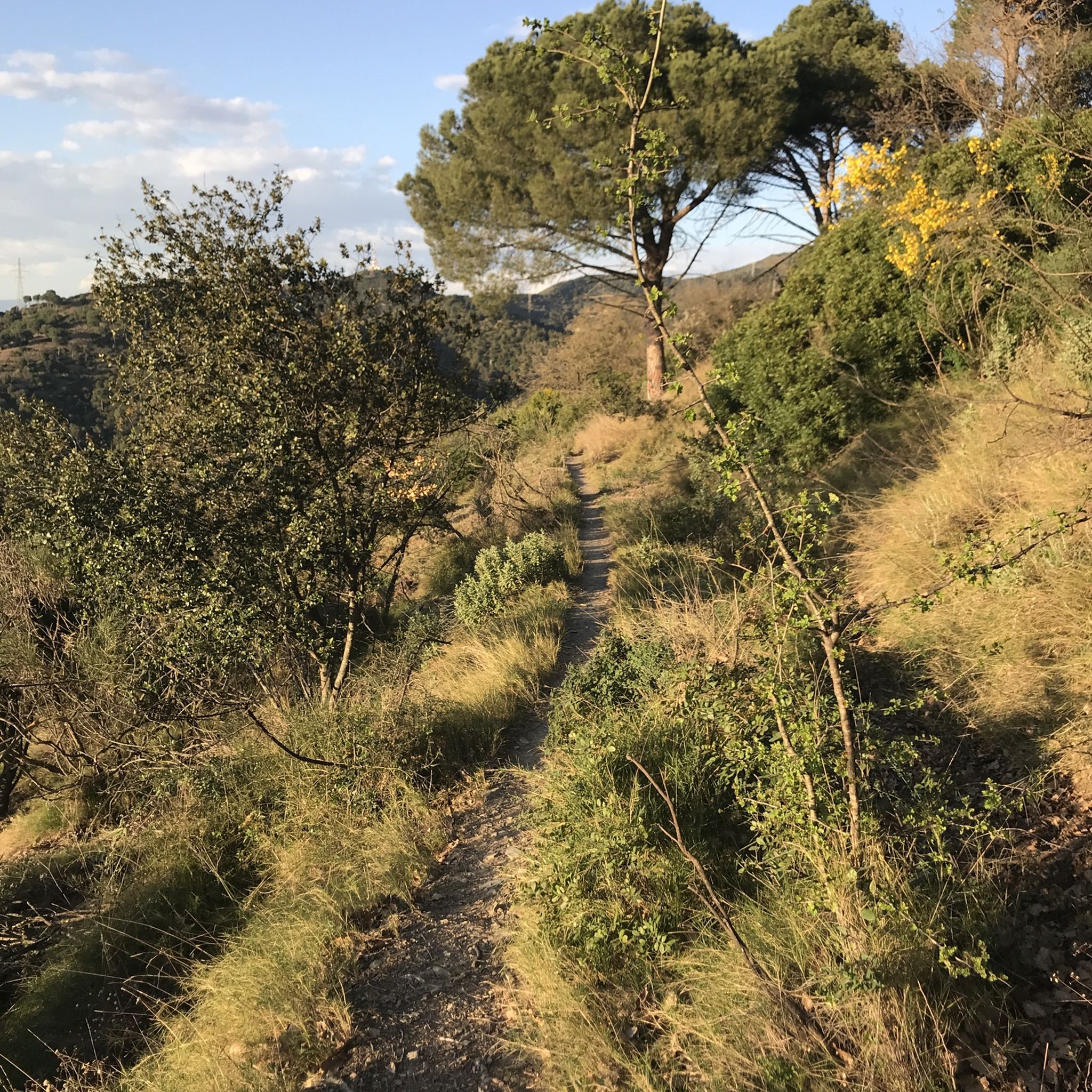
Tough route, very steep ramps that make the rear wheel skid on the loose dirt of the trail. It also has considerable difficulty due to the state of the trail, eroded and with many ruts and stones.
0
0


Also known as the Clasquerí Castle, it is located on the right bank of the Ripoll on a hill surrounded everywhere by ravines that make it difficult to access. With a trapezoidal plan, probably because of the ravine that is in the south-west part it must have forced it, it has a central courtyard. In this there is a well and the stairs that give access to the first floor, and it is closed by two added wings and by an exempted tower in the corner. It consists of a ground floor and two floors. The first documentary reference is from 912 in a donation act. But what is mentioned is the castrum kastellare, and we do not know if it refers to the castle itself, or to the territorial unit that would end up being Castellar. In the 11th and 12th centuries, the castle under the count's power was owned by the Montcada family. However, this family sells the castle, to recover it again a century later. In 1310 Gastó de Montcada ceded the castle to Pere de Clasquerí, and finally his great-grandson, Guerau de Clasquerí, bought it. From the 15th century, the Clasquerí became the territorial and jurisdictional lords of the lands, properties, farms and houses belonging to the castle. The current owner, Carles Fontcuberta, is a descendant of the Clasquerí family and the families that have been related to them: the Meca in the 16th-17th centuries and the Sentmenat in the 17th-19th centuries. The current appearance of the castle preserves very few remains of its early medieval origin. It is, for example, the entrance arch of half a point. The appearance of the castle changed thanks to the reforms made by Guerau de Clasquerí in 1335. And also by those made at the end of the 19th century and the beginning of the 20th. Over time the state of the castle deteriorated, despite the fact that since 1994 consolidation and restoration works were carried out throughout the building. One of the essential elements of the castle, as well as the most beautiful, is the chapel of Santa Bárbara, in Gothic style and with a single nave, where masses and ceremonies were held by the noble family, while they lived in the castle . (Source: https://www.castellarvalles.cat/14374/equipament/386/d/ )
3
0

Despite its medieval appearance, the Castell de Torre Baró, which dominates the neighbourhood, is a construction from the beginning of the 20th century. It was built as a project to create a hotel that would be the center of an urbanization in the area, but in the end the urban plan did not work and it ended up abandoned without having finished the works. Finally, in 1989 it was restored and declared historical heritage by the Barcelona City Council, and a magnificent viewpoint was built around it. It is currently an information and environmental education point in the Collserola park. Among other activities, guided tours of the castle, itineraries to discover the surroundings and educational workshops for all audiences are offered. It is one of the best viewpoints in Barcelona, from which you can see Nou Barris, Horta, Sant Andreu, Sant Martí and, beyond, the Besòs river and the Collserola buttresses, with the towns of Santa Coloma, Sant Adrià and Badalona .
8
0
Become one of the most emblematic symbols of Nou Barris, the Castell de Torre Baró is located between the neighborhoods of Roquetes and Torre Baró. The name of Torre Baró actually comes from another tower, currently missing, which was located where the metro station is today, and which was the residence of the Baron de Pinós until in 1714, as a result of the War of Succession, it was destroyed.
8
0

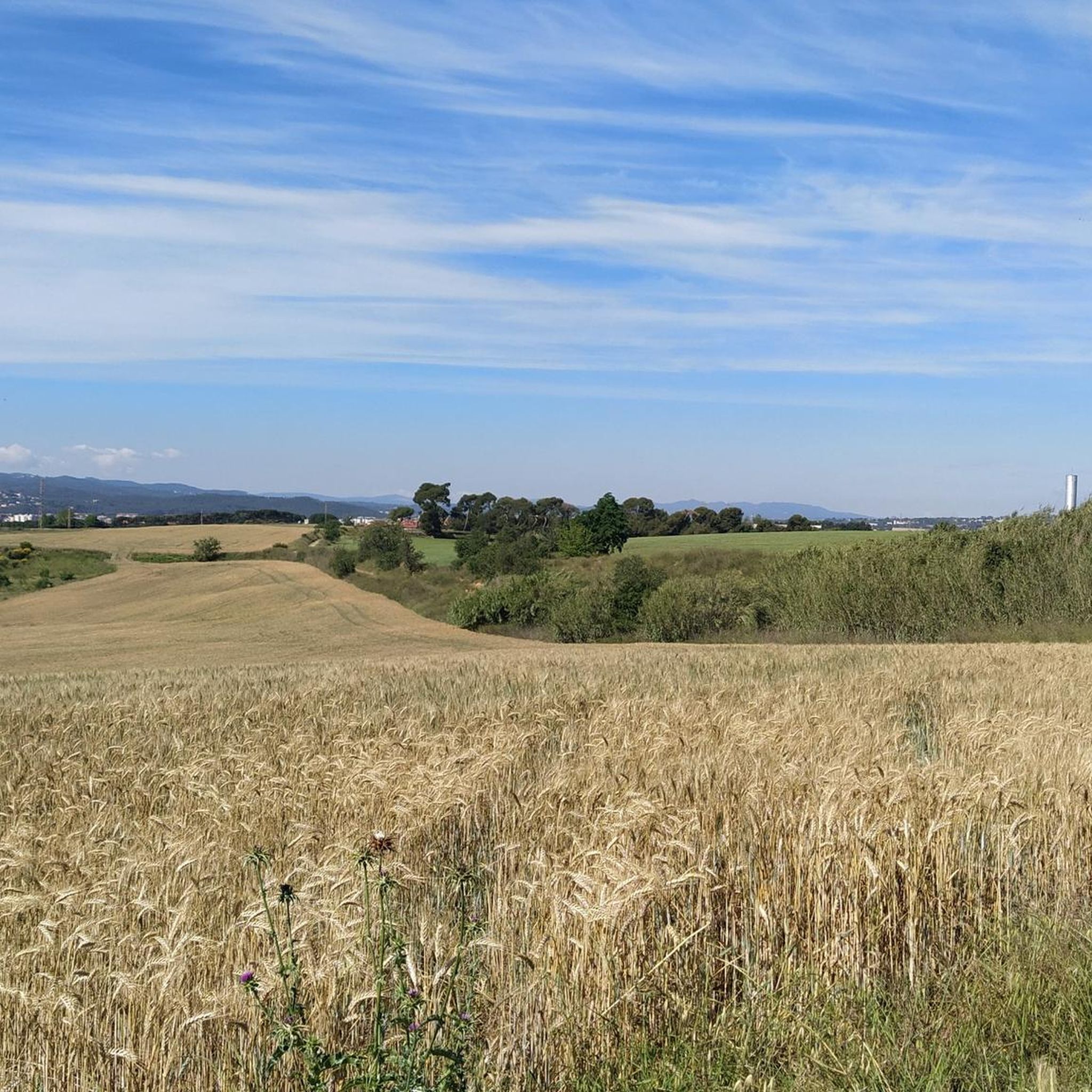
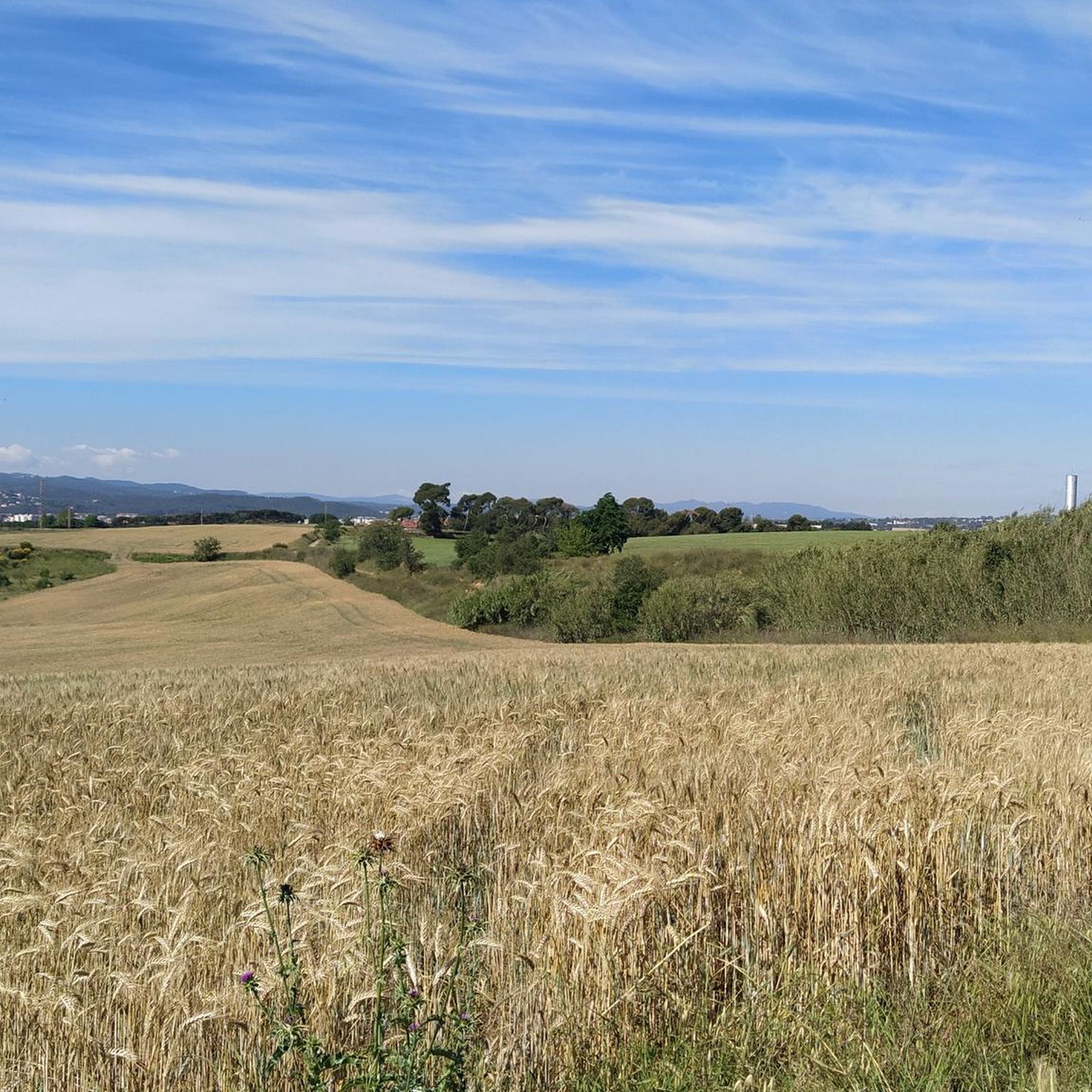
Beautiful view of the Vallès Oriental
5
0

The Black Tower is a Romanesque military construction in the municipality of San Cugat del Vallés, very well preserved, with a quadrangular plan and three stories high with a square tower attached to one corner of the building. Since 1842 until today it is in private hands and belongs to the Rabadà family. Some windows on the façade are geminated and the entrance door is formed by a semicircular arch. Located in a natural setting between two streams, at the entrance to the Gausac valley on the border between the Collserola mountain range and the southern fields of the Vallés plain, with views over the entire horizon to the north. Its origin dates back to the 12th century, in a castle named Ricanli or Ricard, built in the time of Abbot Ermengol and it seems that it was rebuilt between the 14th and 15th centuries. The Black Tower owes its current name to its dark-colored stone walls. Its first known inhabitants were the Vilanova in the 12th century. Later it passed to the Palou family. Throughout the Middle Ages it was the subject of disputes between the owners and the Sant Cugat monastery, which opposed its construction.
0
0
Frequently Asked Questions
What are some of the most historically significant castles in the Santa Perpètua De Mogoda area?
The region boasts several castles with deep historical roots. The Castell de Mogoda, for instance, is a fortified farmhouse with origins dating back to the 12th and 13th centuries, showcasing Romanesque and Gothic elements. Another notable site is Sentmenat Castle, a large Gothic building rebuilt on older foundations, known for its three-meter-thick walls. While currently closed, the Castell de Santiga is also a historically documented fortified farmhouse from the 10th century.
Are there any castles with unique architectural styles around Santa Perpètua De Mogoda?
Yes, the Castell de Can Taió is particularly unique. Built in the early 20th century, it's a whimsical creation inspired by 19th-century Romanticism and medieval tales. It incorporates eclectic elements, including a replica of Poblet's entrance gate and fragments echoing Carcassonne, making it a visually striking and fantastical interpretation of a castle.
Which castles offer the best viewpoints or scenic vistas?
Torre Baró Castle is renowned as one of the best viewpoints in Barcelona, offering panoramic views of Nou Barris, Horta, Sant Andreu, Sant Martí, and the Besòs river. Additionally, Sant Miquel Castle, accessible via a technical path, provides impressive views from its elevated position.
Are there family-friendly castles to visit in the region?
The Mogoda neighborhood and Mogoda Castle is considered family-friendly. The complex hosts cultural events like "MostraMogoda" in late April and "Nits al Castell de Mogoda" concerts in the summer, offering engaging activities for all ages.
What kind of outdoor activities can I do near these castles?
The area around Santa Perpètua De Mogoda offers various outdoor activities. You can find numerous cycling routes, including touring, road, and gravel biking. For example, there are routes like the "Can Valls Road – Can Taió Castle loop" for road cycling or the "Torre Marimon – Guanta Castle loop" for gravel biking. You can explore more options in the Cycling around Santa Perpètua De Mogoda guide, the Road Cycling Routes around Santa Perpètua De Mogoda guide, or the Gravel biking around Santa Perpètua De Mogoda guide.
Are there challenging trails or hikes to reach any of the castles?
Yes, reaching Sant Miquel Castle involves an ultra-vertical and technical path from the Vallromanes side, making it perfect for trail running enthusiasts or hikers seeking a challenging ascent. It requires mountain footwear and good physical shape.
What cultural events are held at the castles?
The Castell de Mogoda is a vibrant cultural space. It hosts the "MostraMogoda" cultural event in late April and the "Nits al Castell de Mogoda" concerts during the summer months, offering visitors a chance to experience the castle in a lively setting.
Can I visit Castell de Santiga?
The Castell de Santiga, despite its rich history as a 10th-century fortified farmhouse, is currently closed to visitors.
What is the best time of year to visit the castles around Santa Perpètua De Mogoda?
While specific seasonal recommendations vary, visiting during late April allows you to experience the "MostraMogoda" cultural event at Castell de Mogoda. Summer evenings offer the "Nits al Castell de Mogoda" concerts. Generally, spring and autumn provide pleasant weather for exploring the outdoor areas and trails around the castles.
What kind of natural settings can be found near these castles?
La Torre Negra is situated in a natural setting between two streams, at the entrance to the Gausac valley, bordering the Collserola mountain range. The area around Sant Miquel Castle is described as a very wild mountain area, offering a more secluded natural experience.
What is the current use of Castell de Can Taió?
The Castell de Can Taió, known for its unique architecture, currently houses the Barcanova school, continuing its legacy as a functional building within the community.
Most popular routes around Santa Perpètua De Mogoda
Most popular attractions around Santa Perpètua De Mogoda

Get inspired with the komoot mobile app


Explore more
Looking for the best castles somewhere else? Discover other guides around Santa Perpètua De Mogoda:
