Top 20 Mountain Passes around Gósol
Best mountain passes around Gósol are integral to the region's outdoor appeal, attracting hikers and cyclists. Gósol is nestled in the Cadí-Moixeró Natural Park, a gateway to several mountain passes that offer views and connections to renowned hiking routes. The area features high mountain passes, passes connecting valleys, and those at the base of significant massifs like Cadí and Pedraforca. These passes provide access to diverse landscapes, from forests to meadows and rocky terrain.
Best mountain passes around Gósol
- The…
Last updated: June 26, 2026
Coll de Port
Highlight • Mountain Pass
Showing Translation
Tip by

Gosolans Pass
Highlight • Mountain Pass
Translated by Google •
Tip by

Sign up now to discover places like this
Get recommendations on the best single tracks, peaks, & plenty of other exciting outdoor places.
Sign up for free
Rasos de Peguera
Highlight • Climb
Tip by

Coll de Josa
Highlight • Mountain Pass
Translated by Google •
Tip by
Les Bassotes Pass
Highlight • Mountain Pass
Translated by Google •
Tip by

Sign up for free to discover even more mountain passes around Gósol.
Sign up for free
Already have an account?
Start today with a free account
Your next adventure awaits.
Login or Signup
Popular around Gósol
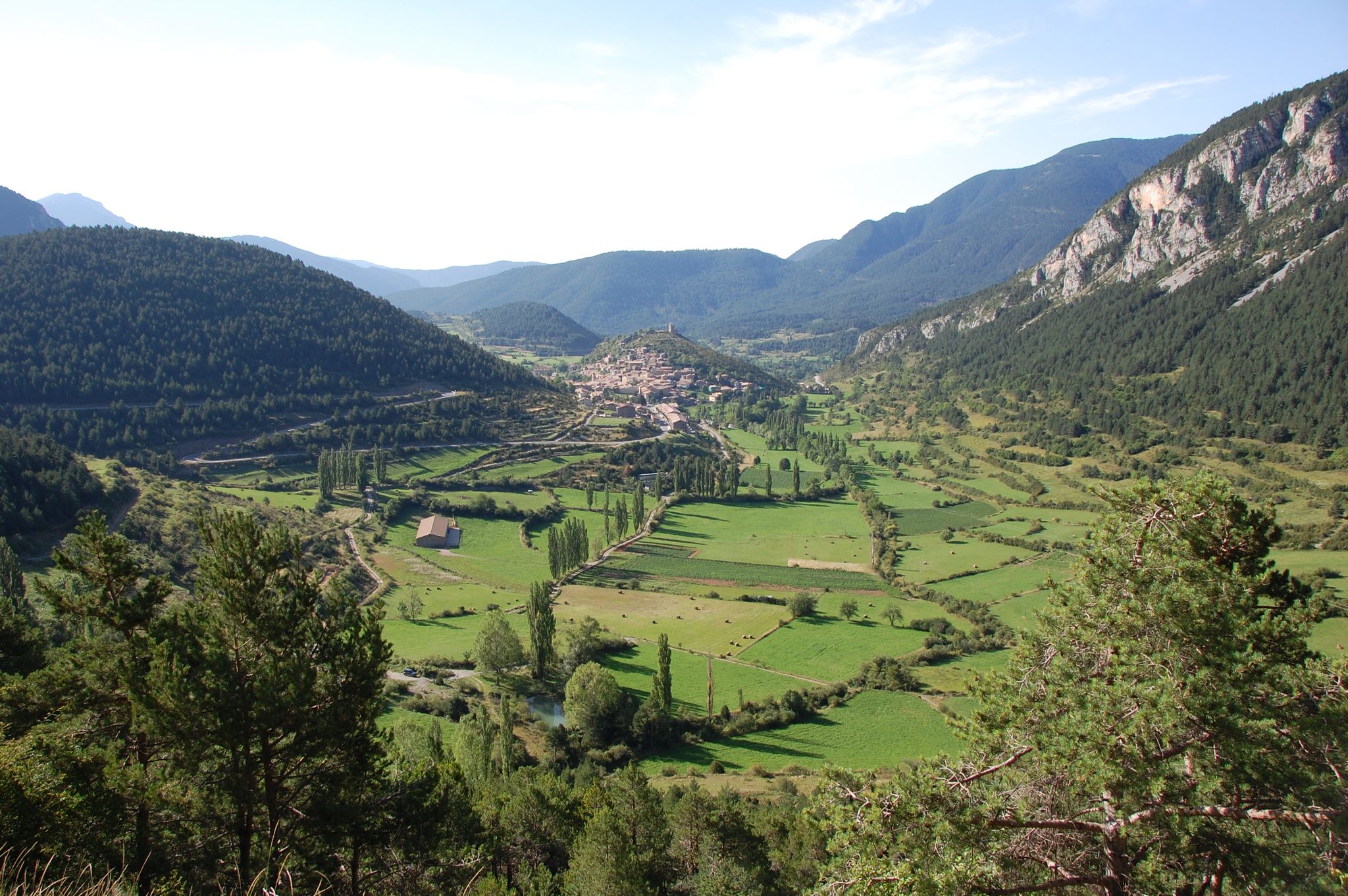
Infinite MTB trails – Pedals del Pedraforca in Catalonia
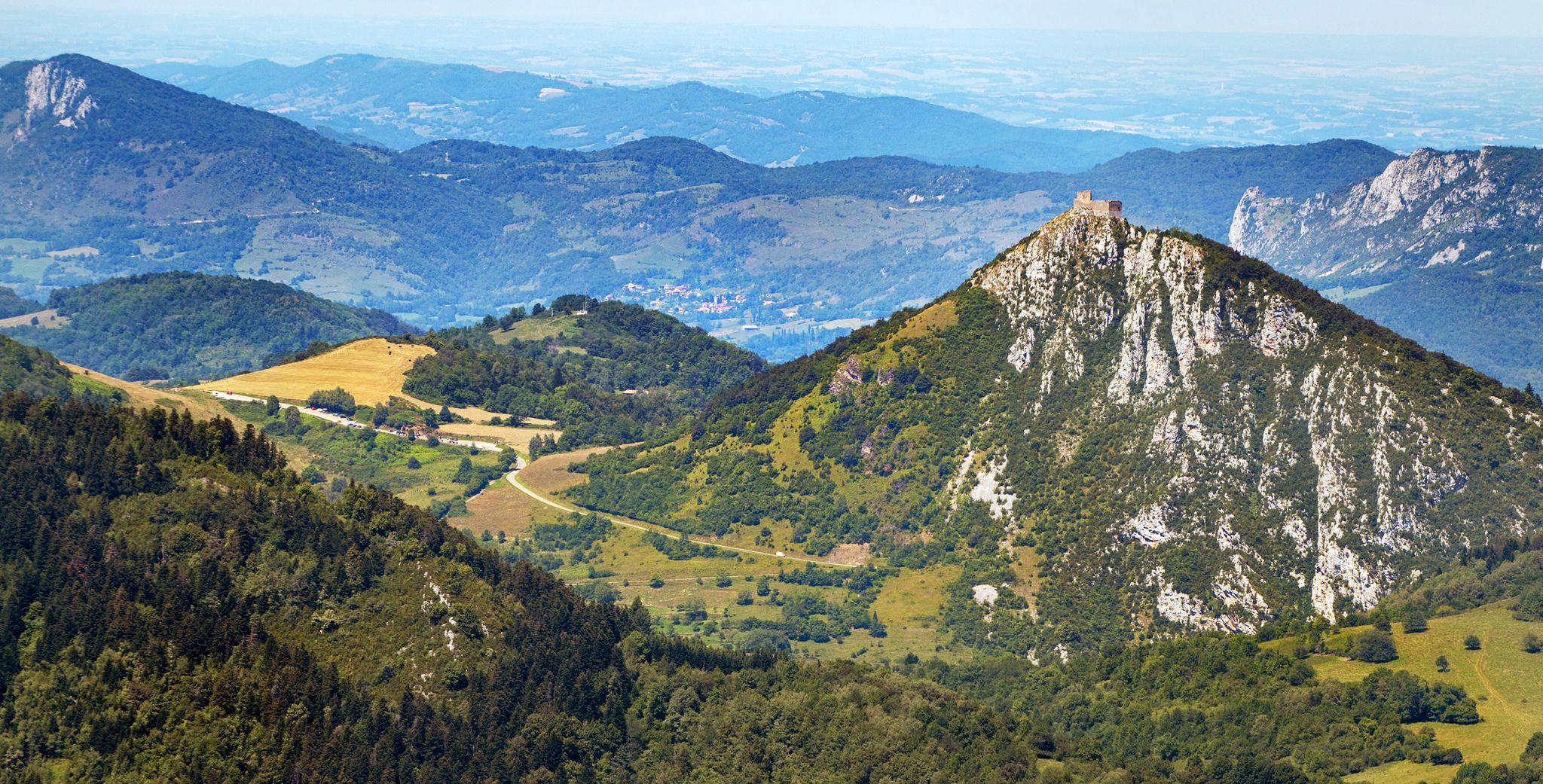
Cathar Route from Catalonia to France – Bons Homes Path (GR 107)
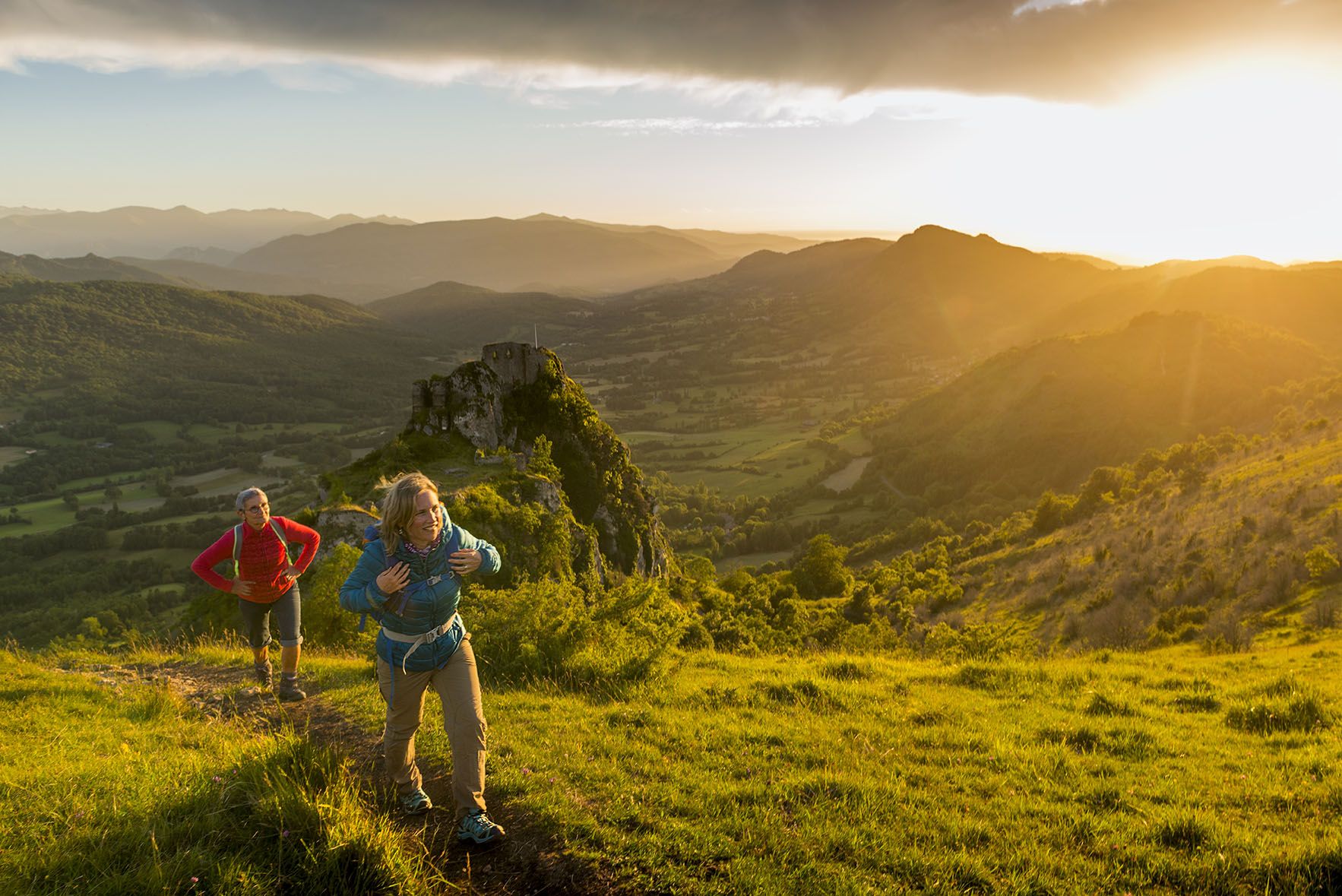
The chemin des Bonshommes — a journey between France and Spain
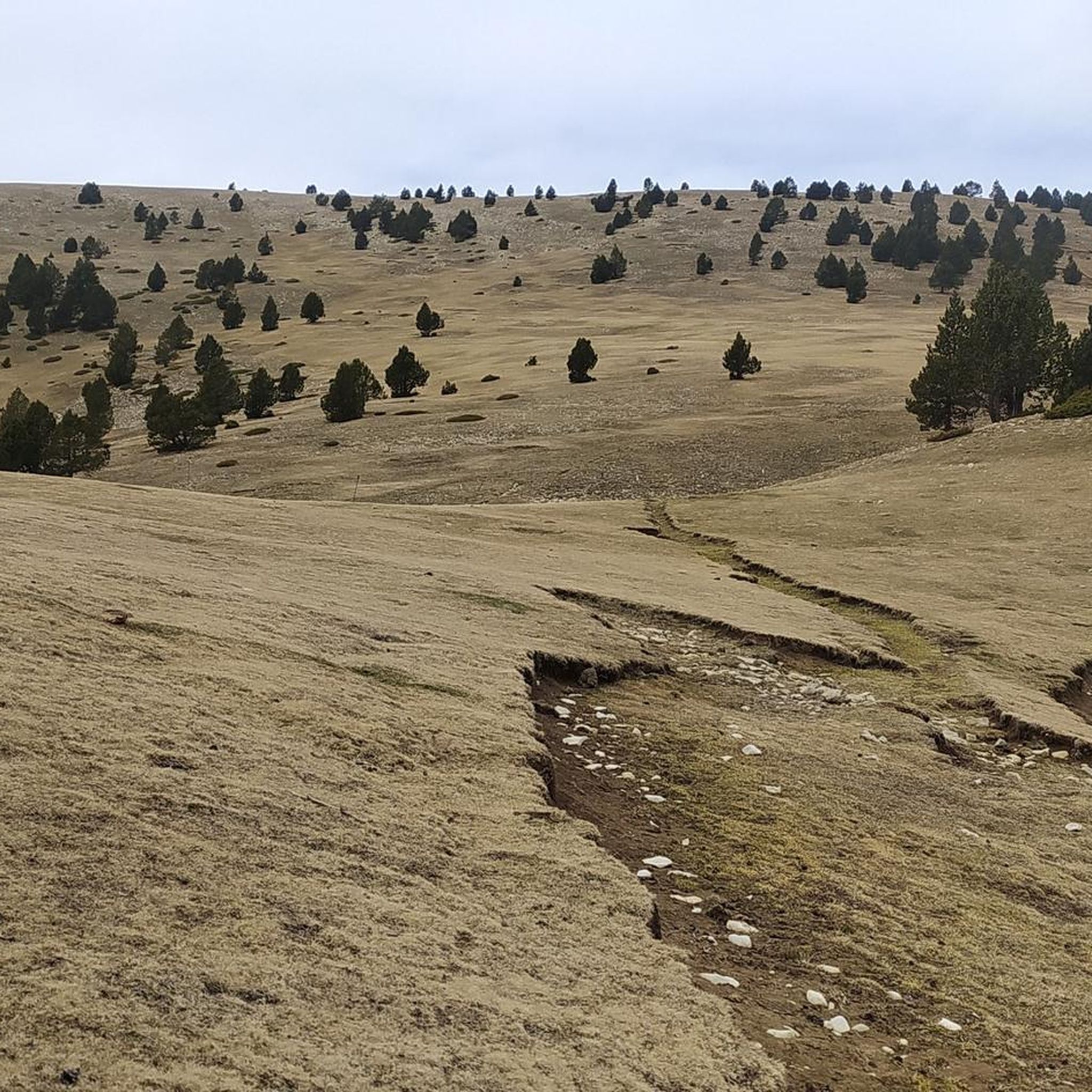
Hiking around Gósol
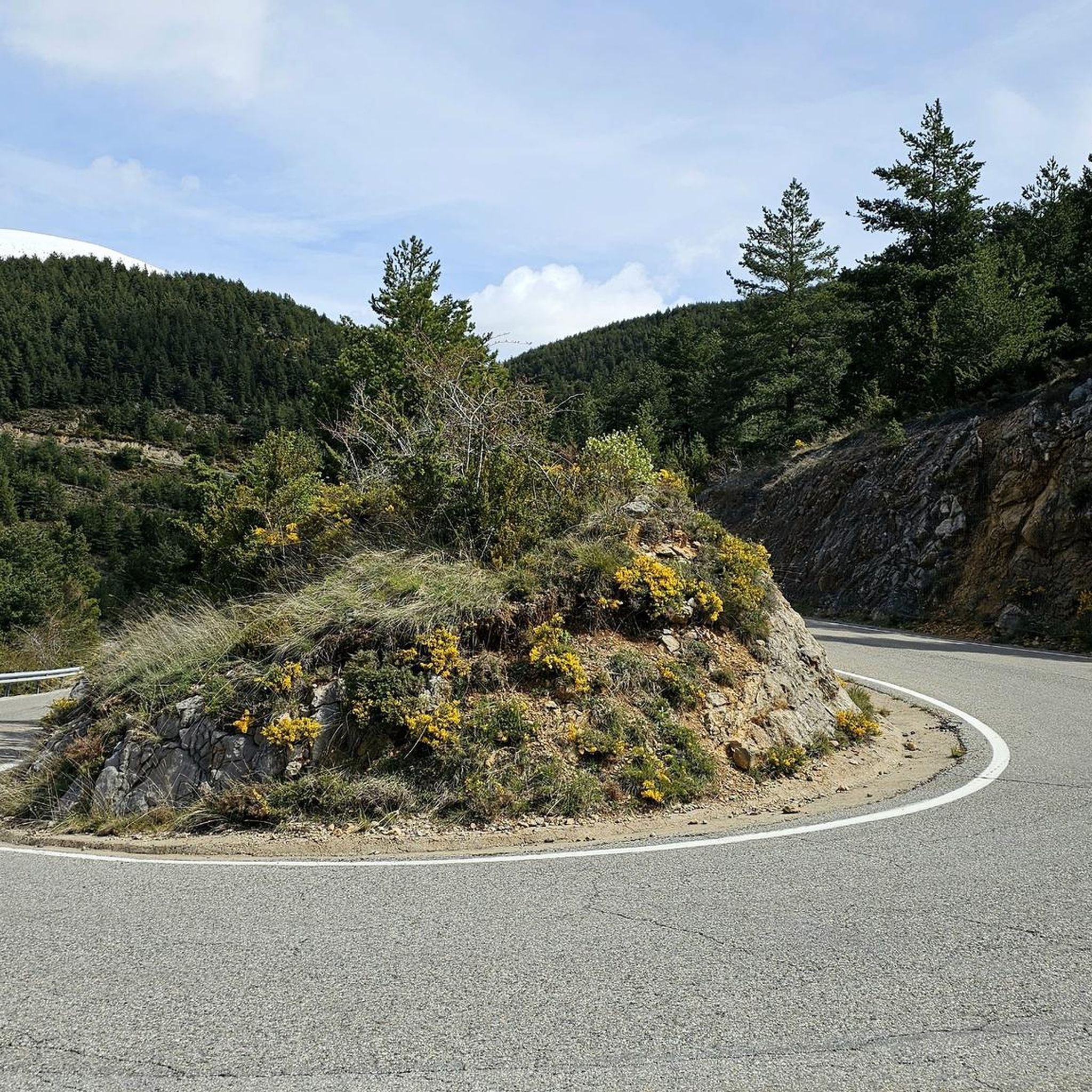
Road Cycling Routes around Gósol
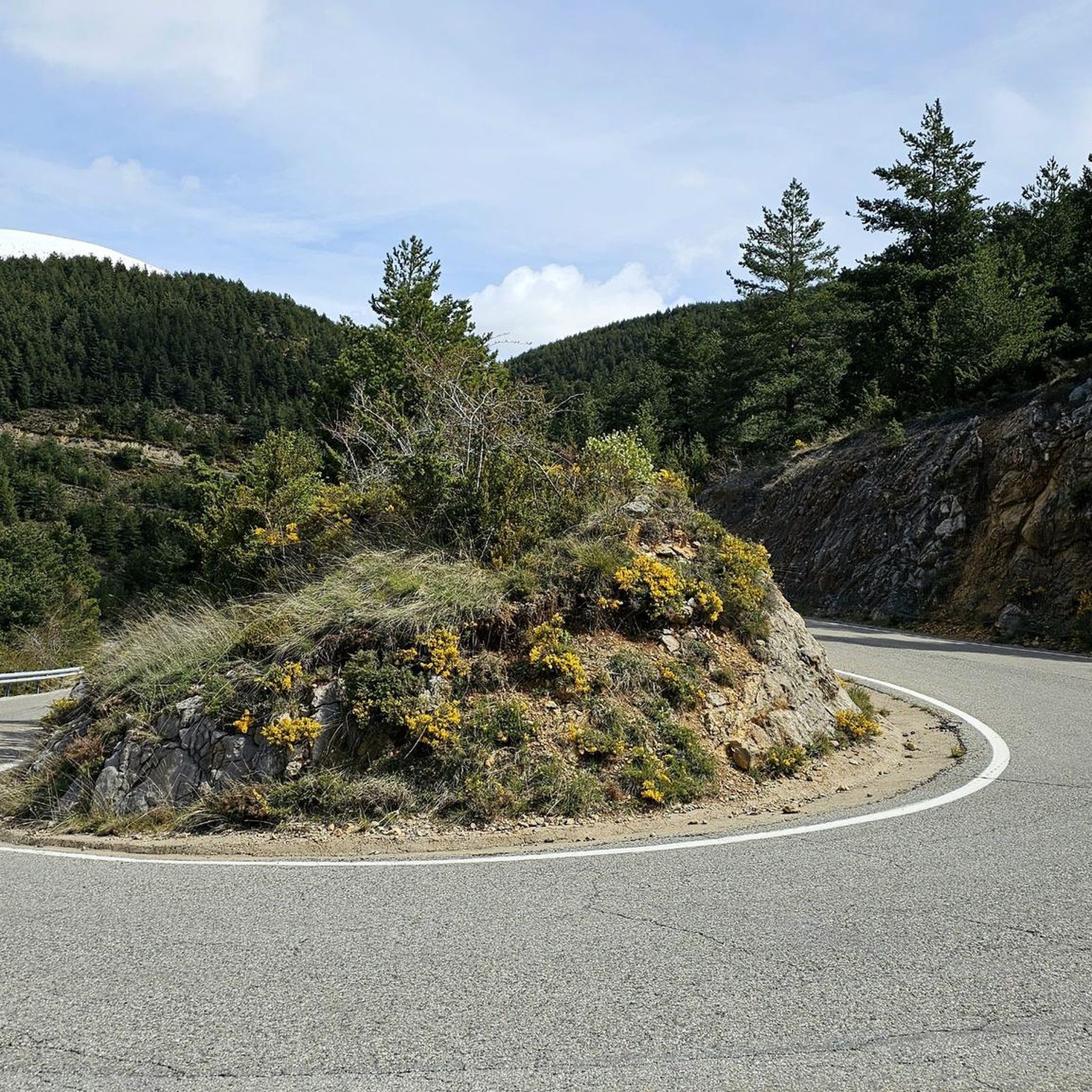
MTB Trails around Gósol
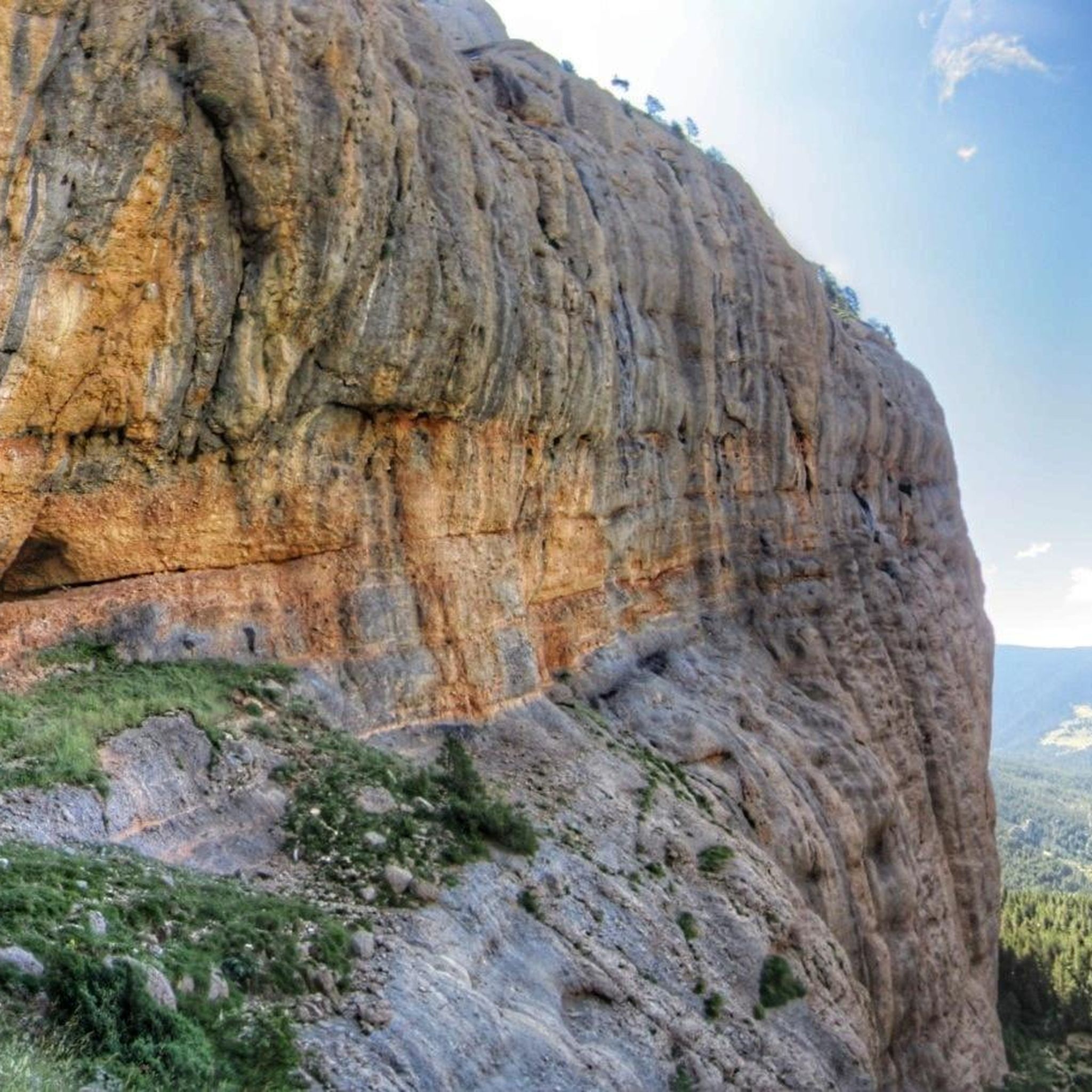
Cycling around Gósol
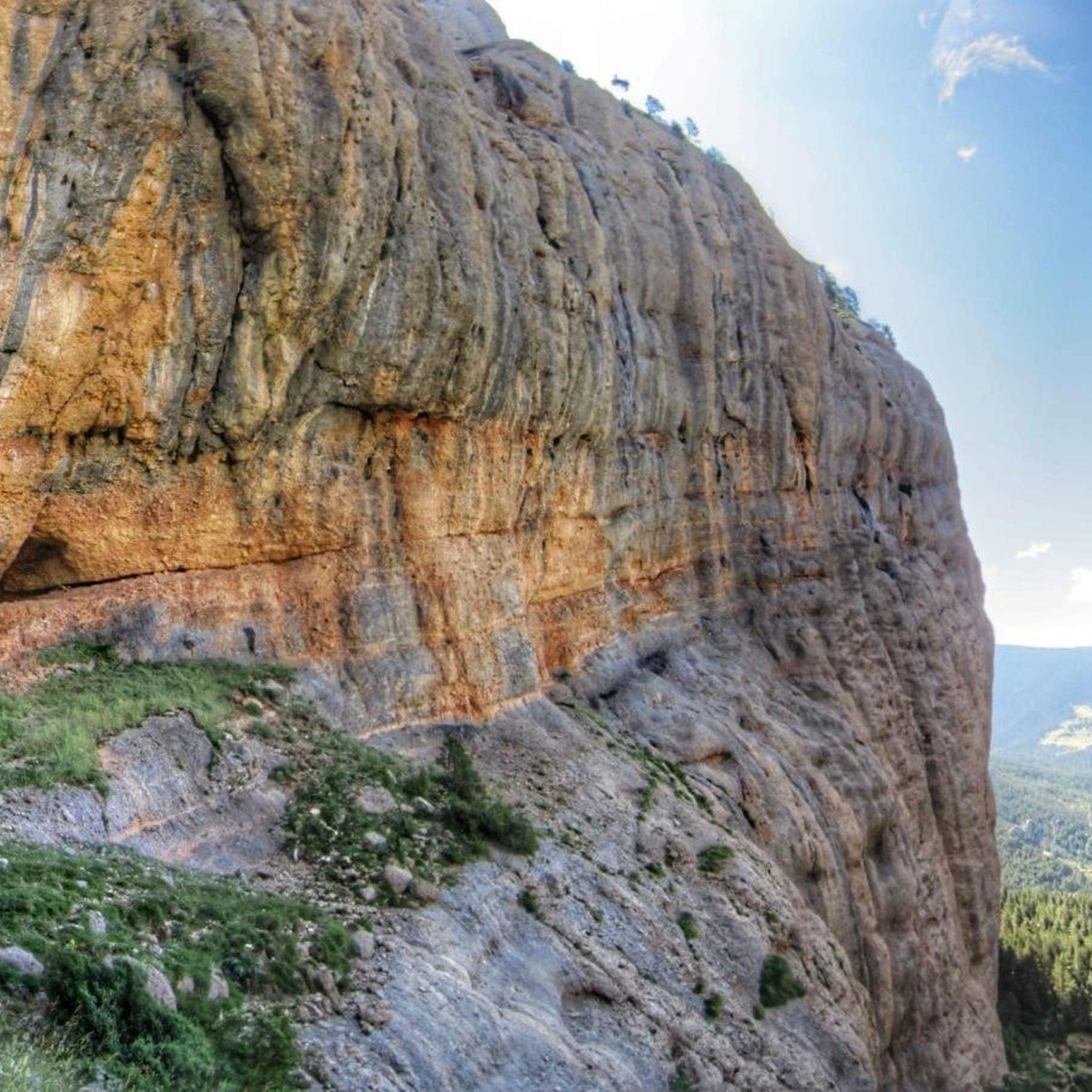
Running Trails around Gósol

Mountain Hikes around Gósol
Gravel biking around Gósol
Other adventures around Gósol


Tips from the Community

High mountain crossing point with spectacular views over the Cadí and the Pedraforca massif. The pass marks the boundary between black pine forests and alpine meadows, and is an ideal place to catch your breath before tackling the final climb to the summit. On a mountain bike, the climb is tough and with rocky sections that may require pushing the bike at some points. Tip: slow down and save your energy for the last section; the reward is a panoramic view that will make you forget your tiredness.
0
0

From this pass, a rather technical trail leads to the village of Gósol. Getting here is quite difficult; it's a very long and arduous climb.
1
0
From this hill there is a rather technical trail to Gósol.
1
0

Coll de Josa, between Gòsol and Josa del Cadí. Inflection point on the road, you go up here and from here you go down.
1
1

Coll de Josa from Tuixent is a climb in the Spanish Pyrenees region. It has a length of 11.2 kilometers and an ascent of 517 vertical meters with an average gradient of 4.6%, the top of the ascent is located at 1630 meters above sea level.
1
1

Like the Coll de Port, this pass of the Coll de la Josa is another beautiful pre-Pyrenean pass, where you breathe tranquility and where you travel through a spectacular and remote high mountain landscape. Both slopes are manageable, with the west slope starting in the beautiful village of Tuixent being the longest. The slope that leaves Gòsol is very short and with intermediate ramps. The road is in perfect condition and is not particularly narrow. The road to Coll de Port is narrower.
0
0
This is a beautiful high mountain pass located in the pre-Pyrenees. It is a manageable and steady pass from both sides, with the Sant Llorenç de Morunys side being slightly tougher. There is a sense of tranquility and traffic is practically non-existent. The road is narrow and the asphalt is very rough and worn, which adds to the difficulty of the pass. I recommend the alternative of reaching the La Vansa cross-country ski resort, about 5 km above the Coll de Port. If you climb from Sant Llorenç de Morunys, with just under 4 km to the summit, a road branches off that takes you directly to the Port del Compte ski resort... after some tough ramps. If you want details of the altitude profile, I recommend the one drawn by Ramacabici: http://www.ramacabici.com/altimetrias/lavansa01.htm
1
0
Spectacular climb to one of the most demanding peaks in Catalonia. Long climb, with sustained percentages and reaching almost 2000 meters. It is characterized by long straights and a very twisty and spectacular final stretch. Road in perfect condition.
0
0
Frequently Asked Questions
Which mountain passes around Gósol offer the most spectacular views?
Many passes in the Gósol area boast incredible vistas. Coll de Port is renowned for its magnificent viewpoint, making the ascent particularly rewarding. Gosolans Pass, situated in the Sierra del Cadí, is described as a magical place with expansive views. Additionally, Coll de Josa (1620 m) offers a privileged vantage point over the beautiful Valls valley and the town of Gósol.
What are some of the most popular mountain passes for cyclists in the Gósol area?
For cyclists, Coll de Port is a highly regarded option, known for its sustained percentages, long straights, and a very twisty, spectacular final stretch. The road is generally in excellent condition, and it offers tranquility with practically non-existent traffic, especially on the Sant Llorenç de Morunys slope. Coll de Josa (1620 m) is also a popular climb, with a length of 11.2 kilometers and an average gradient of 4.6% from Tuixent.
Are there any mythical or historically significant mountain passes near Gósol?
Yes, Gosolans Pass is considered a mythical pass, crucial to the well-known Cavalls del Vent route. It connects Cerdanya with Berguedà, rising from the Prat d'Aguiló refuge. The Pedraforca Massif, accessible via passes like Pas del Verdet, is also steeped in legends and stories, adding to the region's rich heritage.
What hiking routes can I find near the mountain passes around Gósol?
The mountain passes around Gósol are gateways to numerous hiking opportunities. For instance, Gosolans Pass is a key part of the Cavalls del Vent route, a challenging circular hut-to-hut trail. You can explore various hiking trails in the region, including routes like the Picasso Trail or the El Collell Pass – Lluís Estasen Refuge loop. For more details, check out the Hiking around Gósol guide.
Are there options for gravel biking or cycling near Gósol's mountain passes?
Absolutely! The Gósol area offers excellent terrain for gravel biking and cycling. You can find routes that incorporate passes like Les Bassotes Pass and Coll de Josa (1620 m). For specific routes and more information, refer to the Gravel biking around Gósol guide.
Which mountain passes are part of longer, well-known trekking routes?
Gosolans Pass is a crucial segment of the famous Cavalls del Vent route, an 80 km circular trail through the Cadí-Moixeró Natural Park. Additionally, passes like El Collell, Coll de Balma, and Coll de les Bassotes are situated at the base of the Cadí massif and connect it with the Pedraforca massif, forming part of various trekking itineraries in the region.
Are there challenging mountain passes for experienced hikers or cyclists?
Yes, the Gósol region offers several challenging passes. Gosolans Pass is part of the demanding Cavalls del Vent route. Pas del Verdet (Coll del Verdet) is an attractive ascent route to the Pedraforca Massif, requiring caution due to high mountain conditions and some challenging rocky stretches. Rasos de Peguera is also known for its challenging climbs.
What kind of natural landscapes and wildlife can I expect to see around Gósol's mountain passes?
The mountain passes around Gósol are nestled within the Cadí-Moixeró Natural Park, offering diverse landscapes. You'll encounter thick black pine forests, extensive meadows, and dramatic rocky mountains. From passes like Coll de les Bassotes, you can enjoy views of the vertical walls of Cadí. Wildlife spotting is also a highlight, with chamois commonly seen, especially around Pas del Verdet, and horses grazing in areas like Prat Llong and the Cortils.
When is the best time of year to visit the mountain passes around Gósol?
The best time to visit the mountain passes around Gósol generally depends on your activity. Late spring to early autumn (May to October) offers the most favorable weather for hiking and cycling, with accessible trails and pleasant temperatures. During winter, some higher passes may be covered in snow, requiring specialized gear and experience, though cross-country skiing is possible in areas like La Vansa near Coll de Port.
Are there any mountain passes that offer facilities like refuges or viewpoints?
Yes, several passes provide useful facilities. Coll de Port features a magnificent viewpoint and offers refreshments and accommodation nearby. From El Collell, you can descend to the Gresolet sanctuary, where a refuge is located. Gosolans Pass is accessible from the Prat d'Aguiló refuge, which serves trekkers on the Cavalls del Vent route.
Are there family-friendly options among the mountain passes near Gósol?
While many passes involve significant elevation, some areas around Gósol offer gentler approaches or shorter trails suitable for families. Passes like Coll de Port, with its well-maintained road and viewpoint, can be enjoyed by car or with less strenuous cycling. For specific family-friendly hiking routes, it's best to consult the Hiking around Gósol guide, which may include easier sections or shorter loops.
Can I bring my dog to the mountain passes around Gósol?
Generally, dogs are welcome on trails and in natural areas around Gósol's mountain passes, especially within the Cadí-Moixeró Natural Park. However, it's always recommended to keep dogs on a leash to protect wildlife and ensure the safety of other visitors. Be mindful of any specific regulations posted at trailheads or within protected areas. Always carry water for your dog and clean up after them.
Most popular routes around Gósol
Most popular attractions around Gósol

Get inspired with the komoot mobile app


Explore more
See even more epic mountain passes by checking out these guides around Gósol:
