Attractions and Places To See around Milles De La Polvorosa - Top 20
Attractions and places to see around Milles De La Polvorosa include a blend of historical, natural, and cultural sites. Situated at the confluence of the Tera and Esla rivers, the area features evidence of human habitation dating back to prehistory. Visitors can explore significant landmarks such as the Church of San Miguel Arcángel and a replica of a Roman Miliario. The region also offers natural settings like the Lugar Viejo wetland and the Monte de la Magdalena.
Best attractions and…
Last updated: July 6, 2026
Quintos Bridge Over the Esla River
Highlight • Bridge
Translated by Google •
Tip by

Stone Bridge over the Esla River
Highlight • Bridge
Translated by Google •
Tip by

Sign up now to discover places like this
Get recommendations on the best single tracks, peaks, & plenty of other exciting outdoor places.
Sign up for free
Bridge of the Vía Verde de la Plata
Highlight • Bridge
Translated by Google •
Tip by

Mozarabic Way Along the Esla River
Highlight • Trail
Translated by Google •
Tip by

Bridge over the Esla River
Highlight (Segment) • Bridge
Translated by Google •
Tip by

Sign up for free to discover even more attractions around Milles De La Polvorosa.
Sign up for free
Already have an account?
Start today with a free account
Your next adventure awaits.
Login or Signup
Tips from the Community

Legend has it that during a flood in the early 20th century, a cart carrying its entire load of wheat was swept away, and the next day it reappeared intact beneath the central arch of the bridge, as if the river had kept it to return it. The locals considered it a miracle and for years left dried ears of wheat among the stones as an offering. Even today, in summer, when the water level drops, some of those ears can still be seen trapped in the cracks of the old wall.
0
0

An incredible stretch of the 'Vía la Plata' pilgrimage route south of Benavente towards the small town of Barcial del Barco. Disused railway line converted into an adventure paradise, far from cars and traffic.
2
0

This is a beautiful place to cross the Elsa River. The views are beautiful, and the old stone bridge with the arches is impressive.
1
0
Spectacular stone bridge with 9 symmetrical arches that crosses the Esla River. It was built in 1920 to connect the trade route between the Zamora regions of Tierra de Campos and Tábara. The bridge is located on the Jacobean route known as Camino Mozárabe Sanabrés, which allows pilgrims to cross into Zamora and Galicia beyond.
3
1
The Quintos bridge over the Esla river is located on the road between Zamora and Galicia. It unites the Zamora regions of Tierra de Tábara and Tierra de Campos, forming a link on the Camino de Santiago Sanabrés.
4
1
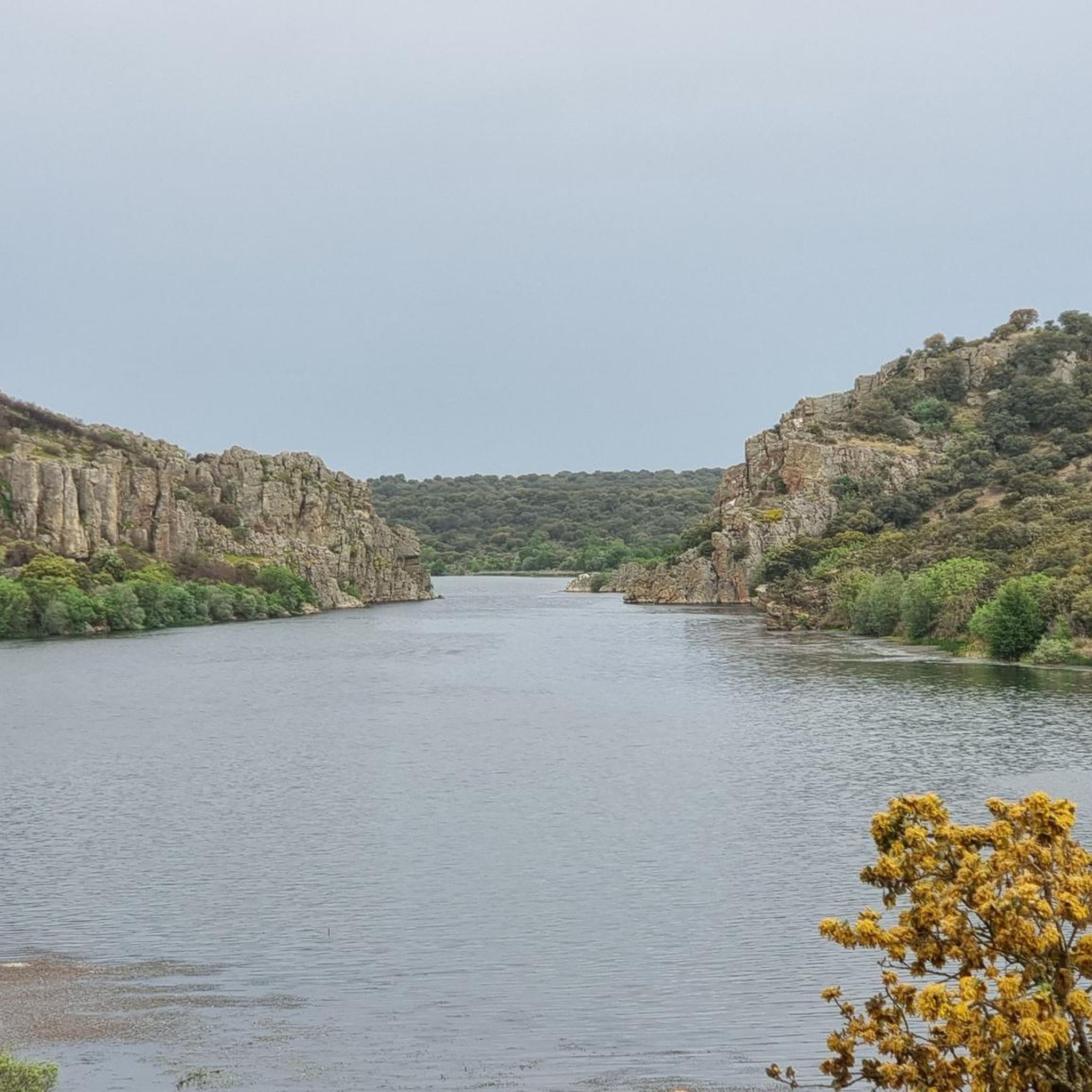
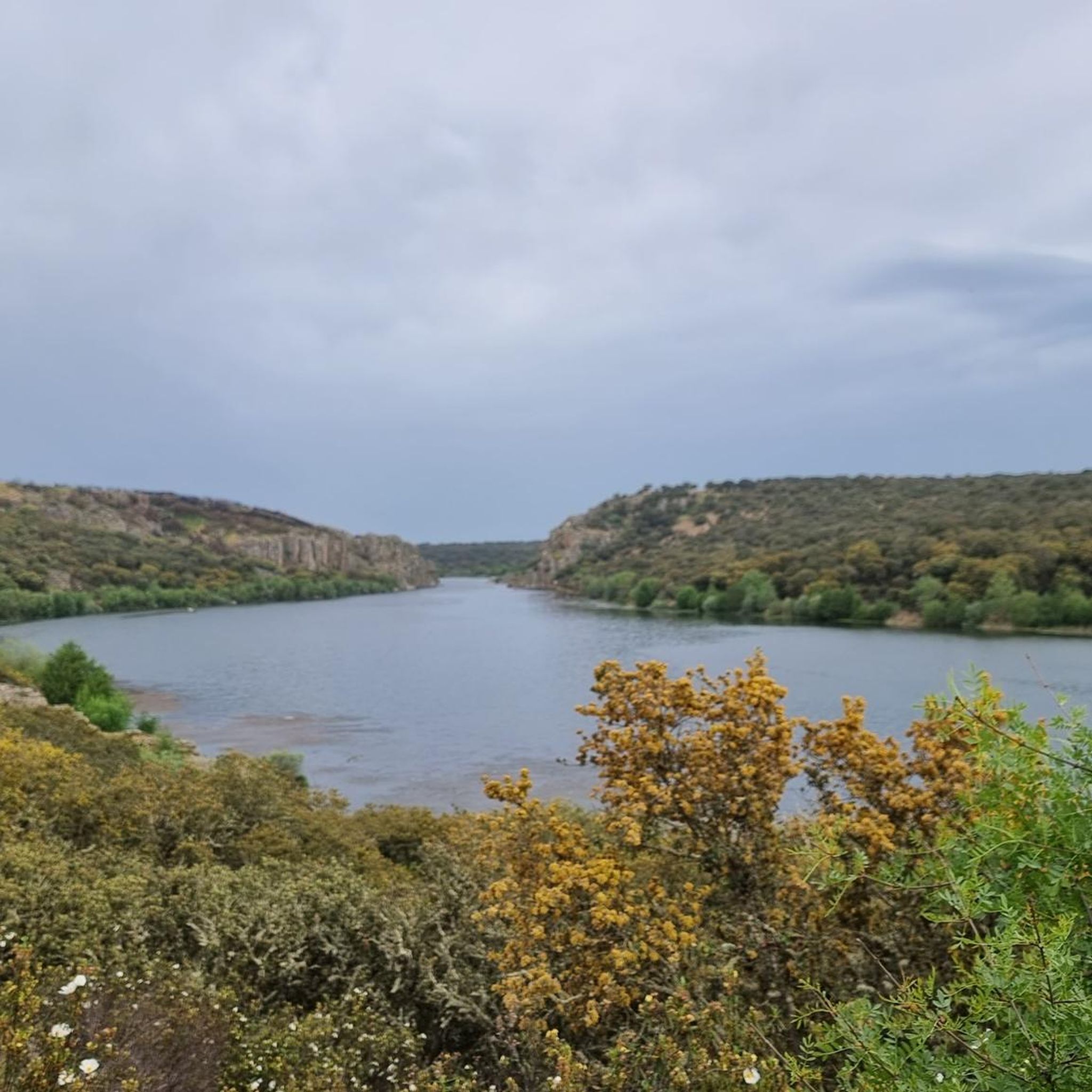
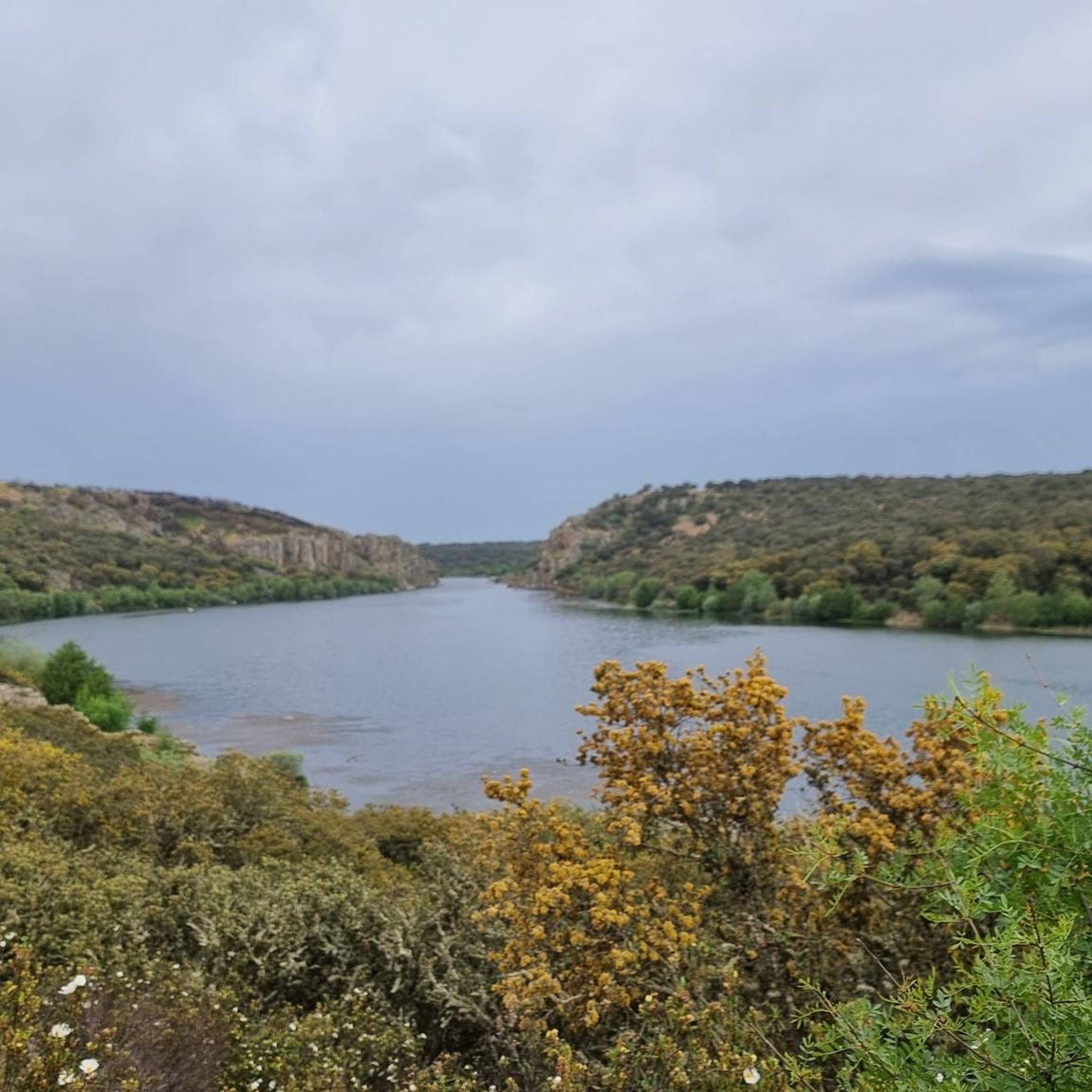
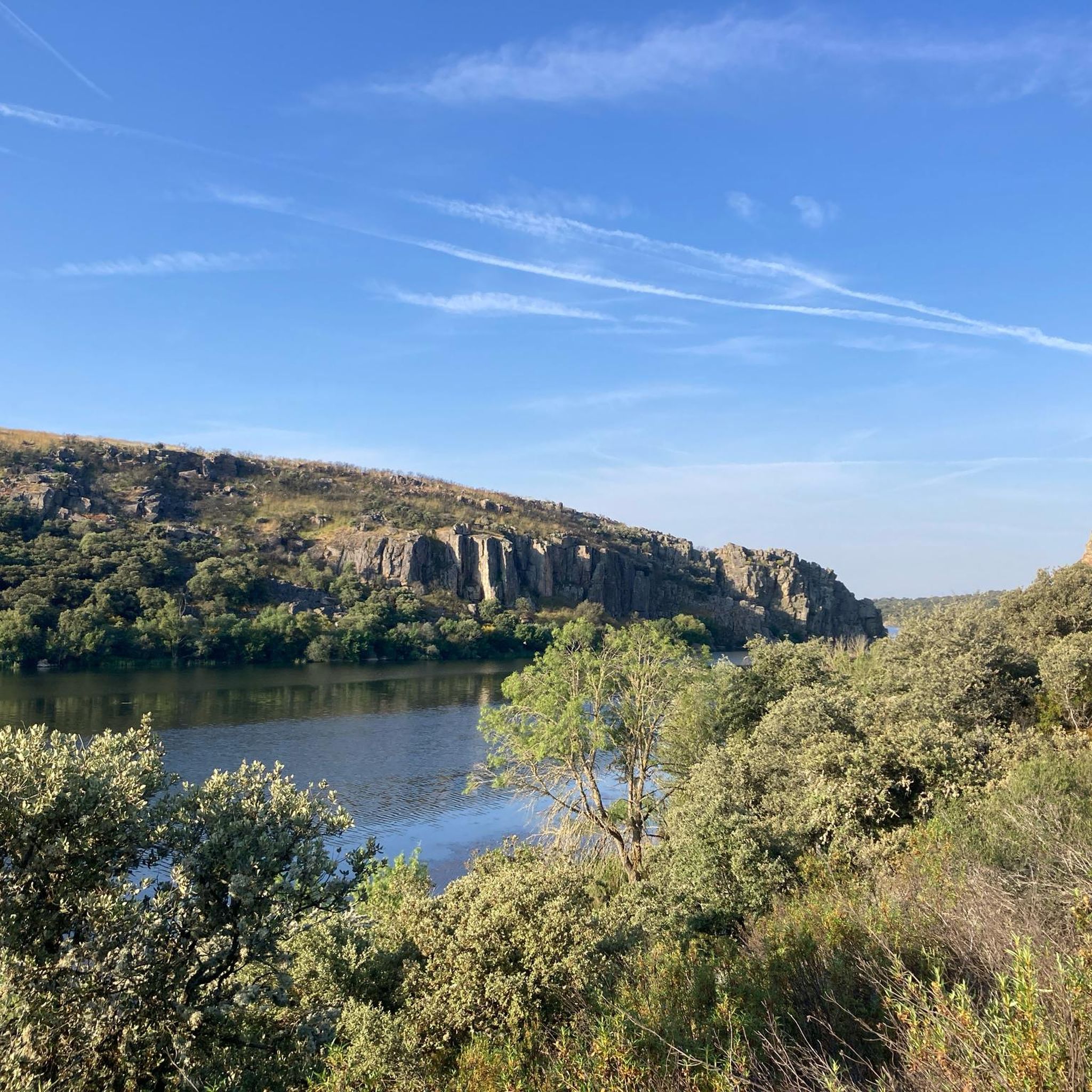
A short distance from the Quintos Bridge, you are following in the footsteps of many. This section next to the Esla river is part of the Jacobean route known as the Camino Mozárabe Sanabrés. Amazing walk on the path between the rock formation and the river landscape.
2
0
Stone masonry bridge over the Esla River built in 1920 to connect the trade route between the Zamora regions of Tierra de Campos and Tábara. The Quintos Bridge has beautiful 9 symmetrical arches.
1
1

A beautiful picture when we cross this bridge on the Vía Verde del Oeste or better known as the Vía Verde de la Plata. A luxury for all lovers of hiking, gravel or mountain biking.
2
0
Frequently Asked Questions
What historical sites can I explore in Milles de la Polvorosa?
Milles de la Polvorosa offers several historical sites. You can visit the Church of San Miguel Arcángel, known for its vault transitioning between the 15th and 16th centuries and its Baroque altarpiece. In the Plaza Mayor, you'll find a replica of a Roman Miliario, commemorating the region's Roman past. Additionally, the area is rich with historical bridges such as the Quintos Bridge Over the Esla River, built in 1920 with nine semicircular arches, and the Stone Bridge over the Esla River, which has local legends associated with it.
Are there opportunities for hiking or walking near Milles de la Polvorosa?
Yes, the area around Milles de la Polvorosa is excellent for hiking and walking. You can explore trails like the Mozarabic Way Along the Esla River, which is part of the Camino Mozárabe Sanabrés, offering an amazing walk between rock formations and river landscapes. For more options, you can find various routes, including easy circular walks along the Esla River, by visiting the Hiking around Milles De La Polvorosa guide.
What natural features can I see in the region?
The region is defined by its natural beauty, particularly the confluence of the Tera and Esla rivers, which provides a scenic backdrop for leisure activities. You can visit Lugar Viejo, a beautiful wetland area ideal for enjoying the landscape and observing various bird species. The Monte de la Magdalena also offers natural exploration and has historical significance with remains of a Castro settlement.
Are there family-friendly attractions in Milles de la Polvorosa?
Absolutely! A major family-friendly attraction is the Ocellum Aqua Park, a large inflatable water park covering 10,000 m² with three water zones, giant slides, and green areas, making it a popular summer destination. Additionally, many of the bridges, like the Stone Bridge over the Esla River and the Bridge over the Esla River (part of the Esla greenway), are considered family-friendly for walks and cycling.
What unique cultural experiences does Milles de la Polvorosa offer?
Milles de la Polvorosa boasts a unique Open-Air Museum, where artist Esaú Donado has transformed village streets with murals depicting local landscapes and scenes. You can also delve into the region's heritage at the Museo de Adelina Cordero, an ethnographic museum showcasing tools, objects, and artworks that reflect the popular heritage, customs, and traditions of the ancestors of the region.
When is the best time to visit Milles de la Polvorosa for outdoor activities?
The summer months are particularly popular, especially for river activities and visiting the Ocellum Aqua Park. However, for hiking and exploring the natural and historical sites, spring and autumn generally offer milder temperatures, making them ideal for outdoor activities without the intense summer heat.
What kind of cycling routes are available around Milles de la Polvorosa?
The area provides diverse cycling opportunities. You can enjoy mountain biking trails, such as those found in the MTB Trails around Milles De La Polvorosa guide, or explore road cycling routes that take you through scenic landscapes and villages. The Bridge of the Vía Verde de la Plata is part of a disused railway line converted into an adventure paradise, perfect for gravel or mountain biking, far from cars and traffic. For more options, check the Road Cycling Routes around Milles De La Polvorosa guide.
What do visitors enjoy most about the attractions in Milles de la Polvorosa?
Visitors particularly appreciate the blend of historical significance and natural beauty. The architectural structure and history of bridges like the Quintos Bridge Over the Esla River are often highlighted. The unique experience of walking or cycling across the Bridge over the Esla River, with its wooden floor and old metallic railway structure, is also a favorite. The scenic river landscapes, especially along the Mozarabic Way Along the Esla River, receive high praise for their beauty and tranquility.
Are there any dog-friendly walking options around Milles de la Polvorosa?
While specific dog-friendly designations for all trails are not always available, many of the natural walking paths and river trails around Milles de la Polvorosa, such as those along the Esla and Tera rivers, are generally suitable for walks with dogs, provided they are kept on a leash and owners clean up after them. Always check local regulations or signage at specific locations.
What is the significance of the rivers in Milles de la Polvorosa?
The Tera and Esla rivers are central to Milles de la Polvorosa's identity and attractions. The village is situated at their confluence, creating a rich natural environment. Historically, this location has been strategic, and today it provides opportunities for outdoor leisure, including river activities and scenic walks. The rivers are also integral to several historical bridges and walking routes, forming a significant part of the region's landscape and heritage.
Can I find any viewpoints to enjoy the scenery?
Yes, the natural setting at the confluence of the Tera and Esla rivers inherently offers many scenic spots. The Stone Bridge over the Esla River is noted for providing beautiful views. Additionally, walking along the Mozarabic Way Along the Esla River will present you with stunning river landscapes and rock formations, offering numerous opportunities to enjoy the scenery.
Most popular routes around Milles De La Polvorosa

Get inspired with the komoot mobile app


Explore more
Still not found the Highlight you’re looking for? See guides of the top attractions in other regions:
