The best cycling routes around Zazuar
4.8
(6)
91
riders
9
rides
Touring cycling routes around Zazuar traverse a landscape characterized by rolling hills and agricultural plains, often following river valleys. The region features a mix of open countryside and small, historic villages. Elevation changes are generally moderate, making it suitable for various cycling abilities. The routes frequently connect rural areas with points of interest such as bridges and historic centers.
Best touring cycling routes around Zazuar
- The most popular touring cycling route is Langa de Duero – San Esteban de Gormaz…
Last updated: August 25, 2026
4.3
(3)
16
riders
73.2km
04:19
440m
440m
Moderate bike ride. Good fitness required. Mostly paved surfaces. Suitable for all skill levels.
7
riders
125km
08:55
530m
530m
Hard bike ride. Very good fitness required. Mostly paved surfaces. Suitable for all skill levels.

Sign up for free
5.0
(1)
5
riders
53.0km
04:39
500m
500m
Hard bike ride. Very good fitness required. You may need to push your bike for some segments of this route.
3
riders
52.6km
04:37
310m
310m
Moderate bike ride. Good fitness required. Mostly paved surfaces. Suitable for all skill levels.
6
riders
Hard bike ride. Very good fitness required. Mostly paved surfaces. Suitable for all skill levels.
Get access to more routes and recommendations from other explorers.
Sign up for free
Already have an account?
Our route recommendations are based on thousands of hikes, rides, and runs completed by other people on komoot.
Start today with a free account
Your next adventure awaits.
Login or Signup


Tips from the Community

Built of stone and with several semicircular arches, it is a good example of medieval civil engineering and has withstood the test of time thanks to its solidity, although it has been restored at different times. At one time it was key for the transit of workers and goods between neighborhoods, contributing to the economic growth of Aranda. Today it is preserved as a heritage element and is a pleasant place to walk, forming part of the city's historic complex and allowing visitors to learn about its industrial and medieval past along the river.
2
0
The medieval Puente de las Tenerías, located in Aranda de Duero over the Bañuelos river, is one of the most interesting historical corners of the city, although less known than the Duero bridge. It is a construction of medieval origin, linked to the urban and industrial development of the town, as it takes its name from the old tanneries (leather tanning workshops) that were in the area and that needed abundant water for their activity.
2
0
The bridge is built of stone and is characterized by its semicircular arches; it originally had four, although today it retains three due to later renovations. Over the centuries it has undergone numerous restorations, especially due to the floods of the Duero, one of the most important being the expansion and widening in the 19th century. In addition to its architectural value, it has been a strategic point for the passage of people, goods and herds, and today it is a symbol of the city and a very pleasant place to walk and enjoy the views of the river and Aranda de Duero. [iglesiaslocales.com], [edadesdelh...ogspot.com]
2
0
The Aranda de Duero Bridge, also known as Puente Mayor, is one of the city's most important historical elements, as it crosses the Duero River and has been key to its development. Although often called "Roman", it is actually a bridge of medieval origin, with references from the 12th-14th centuries, when it served as a fundamental crossing point on trade routes and the old Royal Road that connected the center and north of Spain.
2
0
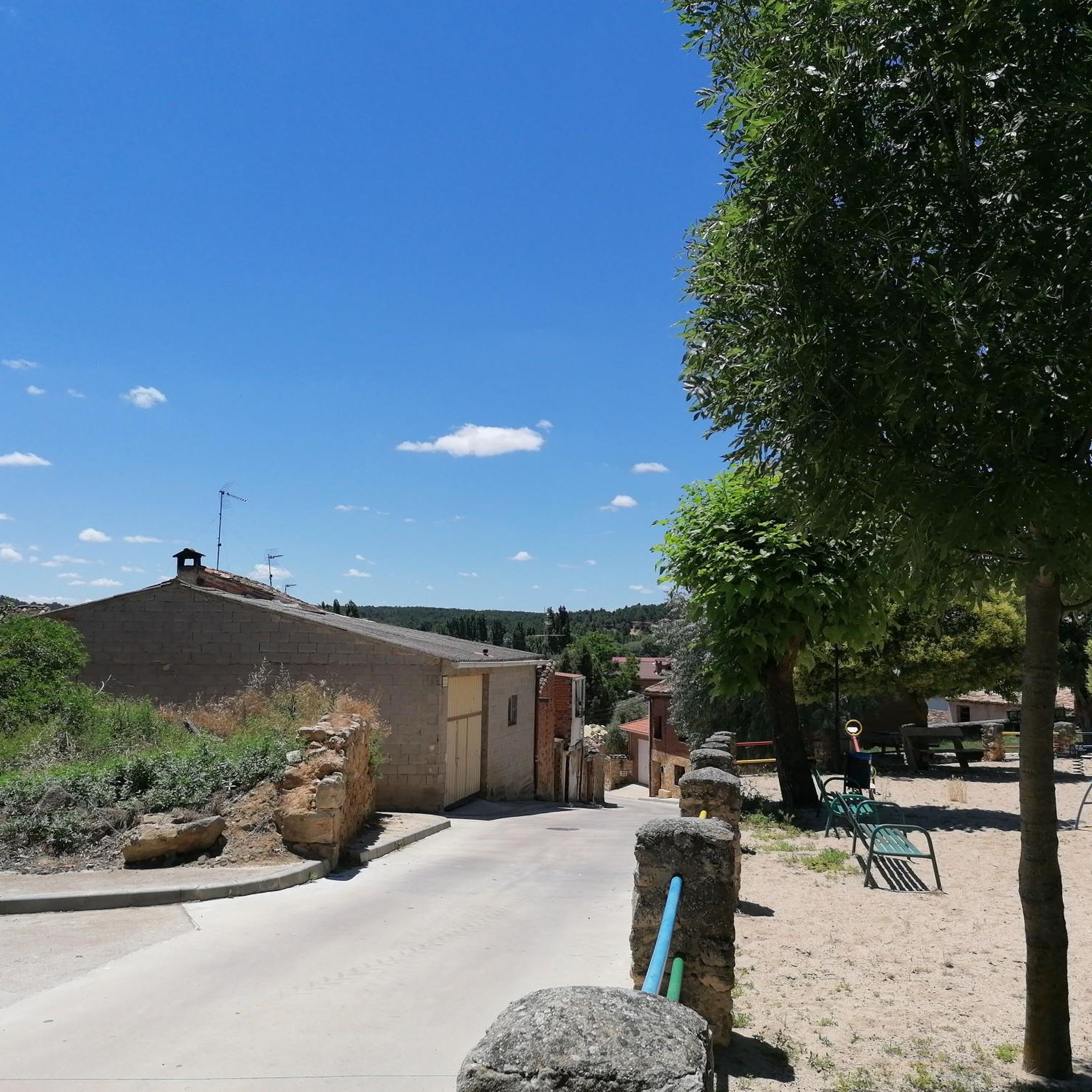
Fuentespina, a small town in the province of Burgos in the Ribera del Duero, is a tranquil destination ideal for enjoying the rural environment and wine culture; the most interesting thing is to stroll through its traditional old town, visit the church of San Miguel, and above all explore its underground cellars and vineyards, as it is part of one of the most important wine regions in Spain. Additionally, from there you can take routes along the Duero River or visit Aranda de Duero, famous for its gastronomy (especially roast suckling lamb), making the visit a very complete experience combining nature, history, and wine tourism.
2
0

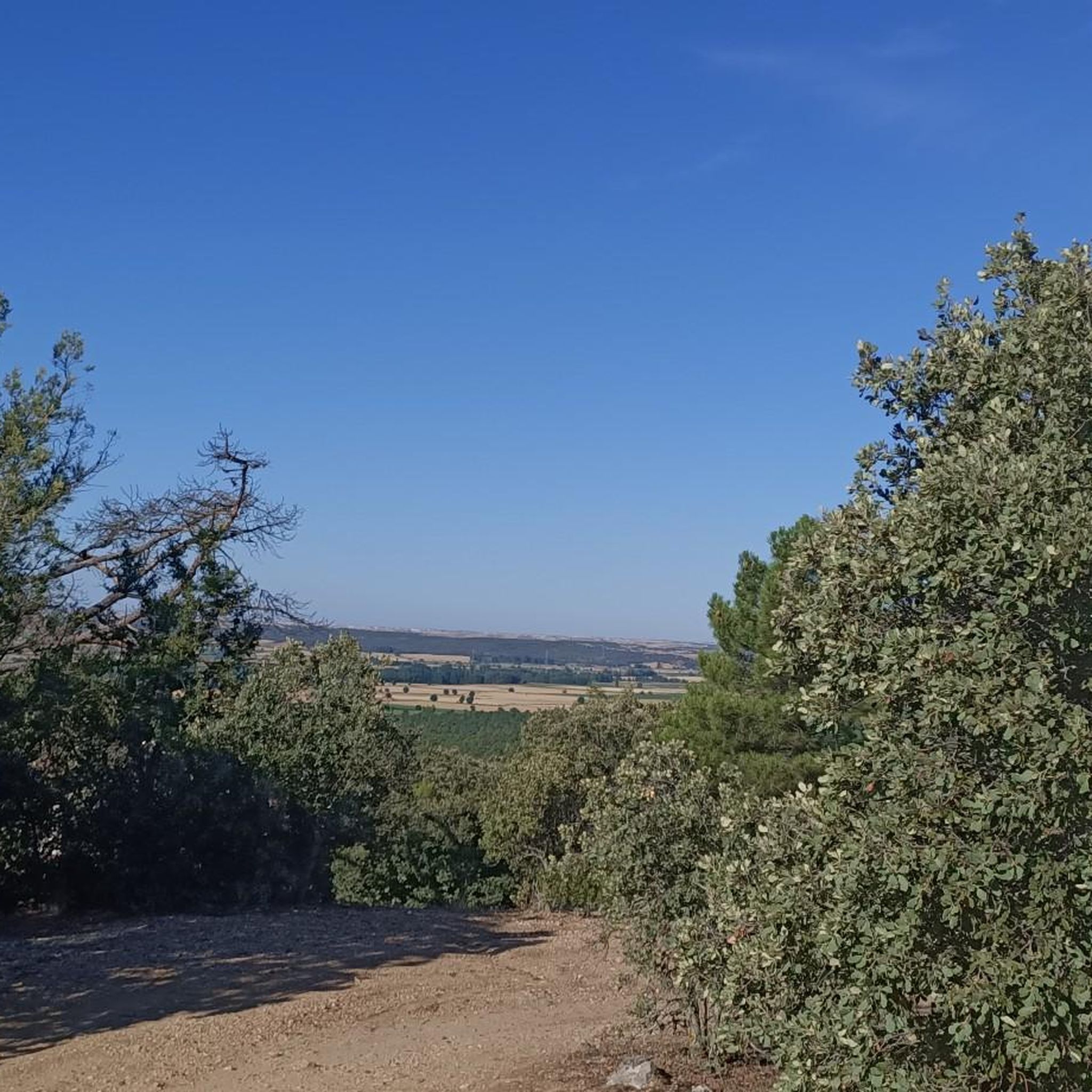
Spectacular area for hiking routes
0
0
Spectacular area for hiking routes
0
0

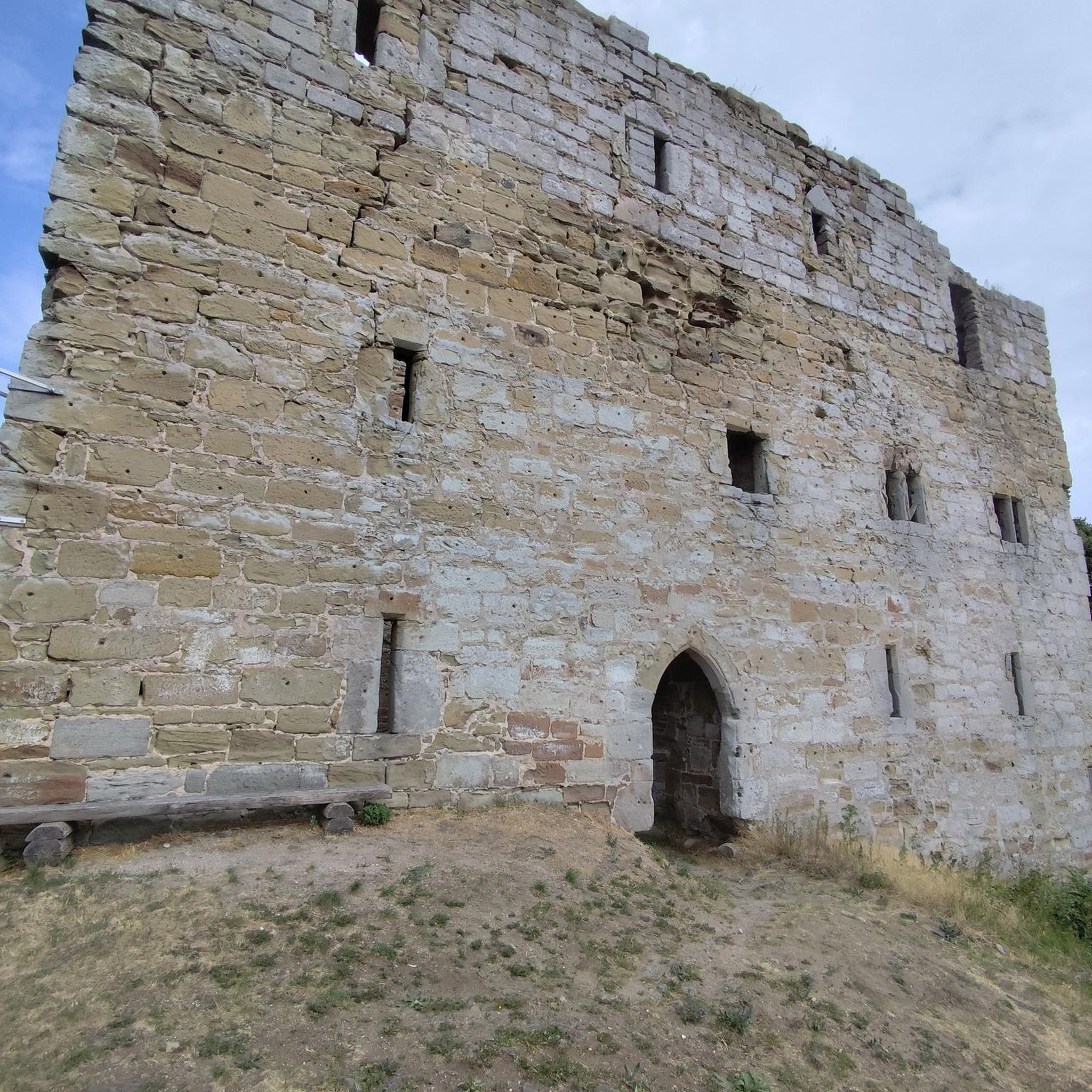
The Diego Marín Monument in Coruña del Conde pays tribute to an ingenious 18th-century shepherd. In 1793, Diego Marín Aguilera built a rudimentary glider and managed to fly nearly 360 meters from the top of the town's castle, becoming one of the first pioneers of aviation. The monument commemorates his daring and historic feat.
4
0
Frequently Asked Questions
How many touring cycling routes are available around Zazuar?
There are around 5 touring cycling routes available in Zazuar on komoot. These routes traverse a landscape characterized by rolling hills and agricultural plains, often following river valleys.
What is the typical difficulty level of touring cycling routes in Zazuar?
The routes around Zazuar offer a mix of difficulties. You'll find 2 easy routes, 1 moderate route, and 2 more challenging routes. For instance, the Langa de Duero – San Esteban de Gormaz loop from Zazuar is considered difficult, while the Vadocondes Historic Center – Church of San Andrés, Zazuar loop from Vadocondes is an easier option.
Are there any family-friendly touring cycling routes in Zazuar?
Yes, Zazuar offers routes suitable for families looking for a more relaxed ride. The region's generally moderate elevation changes and easy paths make it accessible. Consider routes like the Vadocondes Historic Center – Church of San Andrés, Zazuar loop from Vadocondes, which is rated as easy.
What kind of scenery can I expect while touring cycling around Zazuar?
Touring cycling around Zazuar offers extensive views of rural landscapes, rolling agricultural plains, and river scenery. Routes frequently connect small, historic villages and often follow river valleys, providing a mix of open countryside and charming local architecture.
Are there circular touring cycling routes available in Zazuar?
Yes, many of the touring cycling routes around Zazuar are loops, allowing you to start and finish in the same location. Examples include the popular Langa de Duero – San Esteban de Gormaz loop from Zazuar and the Fuentespina – Aranda Bridge loop from Fresnillo de las Dueñas.
What are some interesting landmarks or attractions I can see along the routes?
While cycling around Zazuar, you can encounter several points of interest. The Fuentespina – Aranda Bridge loop from Fresnillo de las Dueñas passes by the Aranda Bridge. Other notable attractions in the wider area include the Church of Santa María la Real of Aranda de Duero and the historic settlement of Peñaranda de Duero.
What do other touring cyclists enjoy most about Zazuar?
The area is highly rated by the komoot community, with an average score of 4.8 stars from over 7 reviews. Touring cyclists often praise the varied terrain, the connections between small villages, and the extensive views of the rural landscape.
When is the best time of year to go touring cycling in Zazuar?
The region experiences a continental climate with hot, dry summers and cold winters. Spring and autumn generally offer the most pleasant temperatures for touring cycling, with comfortable conditions and vibrant scenery. Summers can be very warm, and winters can be quite cold, potentially with frost.
Are there options for advanced touring cyclists in Zazuar?
Yes, advanced touring cyclists will find challenging routes with significant distances and elevation gains. The Langa de Duero – San Esteban de Gormaz loop from Zazuar, for example, covers over 90 km with more than 570 meters of elevation gain, making it a demanding ride.
What are the typical lengths and durations of touring cycling routes in Zazuar?
Route lengths vary significantly. You can find shorter rides like the Calisthenics Park – Fuentespina loop from Fresnillo de las Dueñas, which is about 23.6 km and takes around 2 hours. Longer routes, such as the Langa de Duero – San Esteban de Gormaz loop from Zazuar, can be over 90 km and require nearly 6 hours to complete.
Where do touring cycling routes typically start in the Zazuar area?
Routes often start from or pass through various villages and towns in the region. For example, some routes begin near Zazuar itself, while others might start from nearby locations like Fresnillo de las Dueñas or Vadocondes, connecting these communities through scenic paths.
Most popular attractions around Zazuar

Get inspired with the komoot mobile app


Explore more
Browse the best Cycling routes in other regions.
