The best walks and hikes around Gumiel De Izán
4.6
(12)
104
hikers
34
hikes
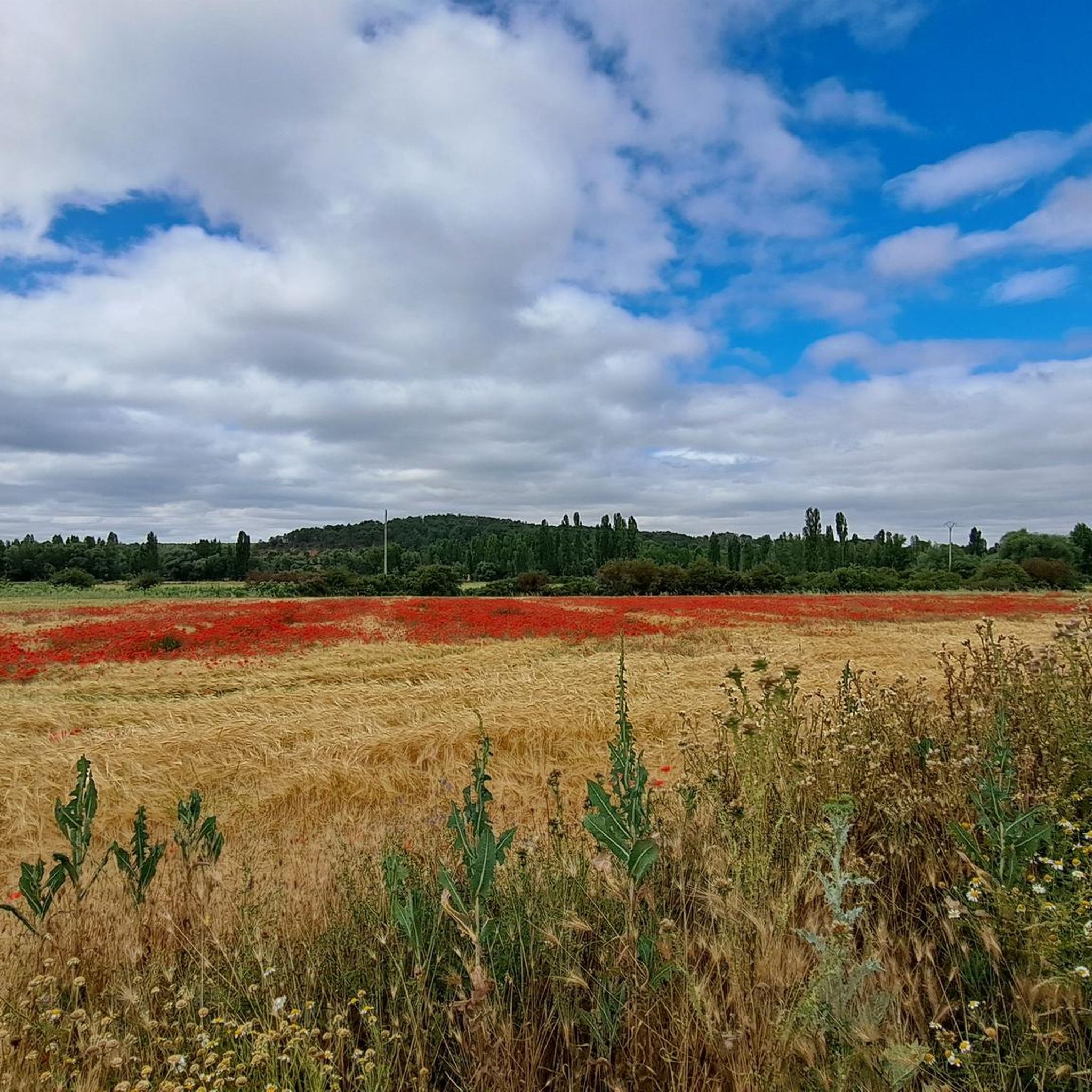
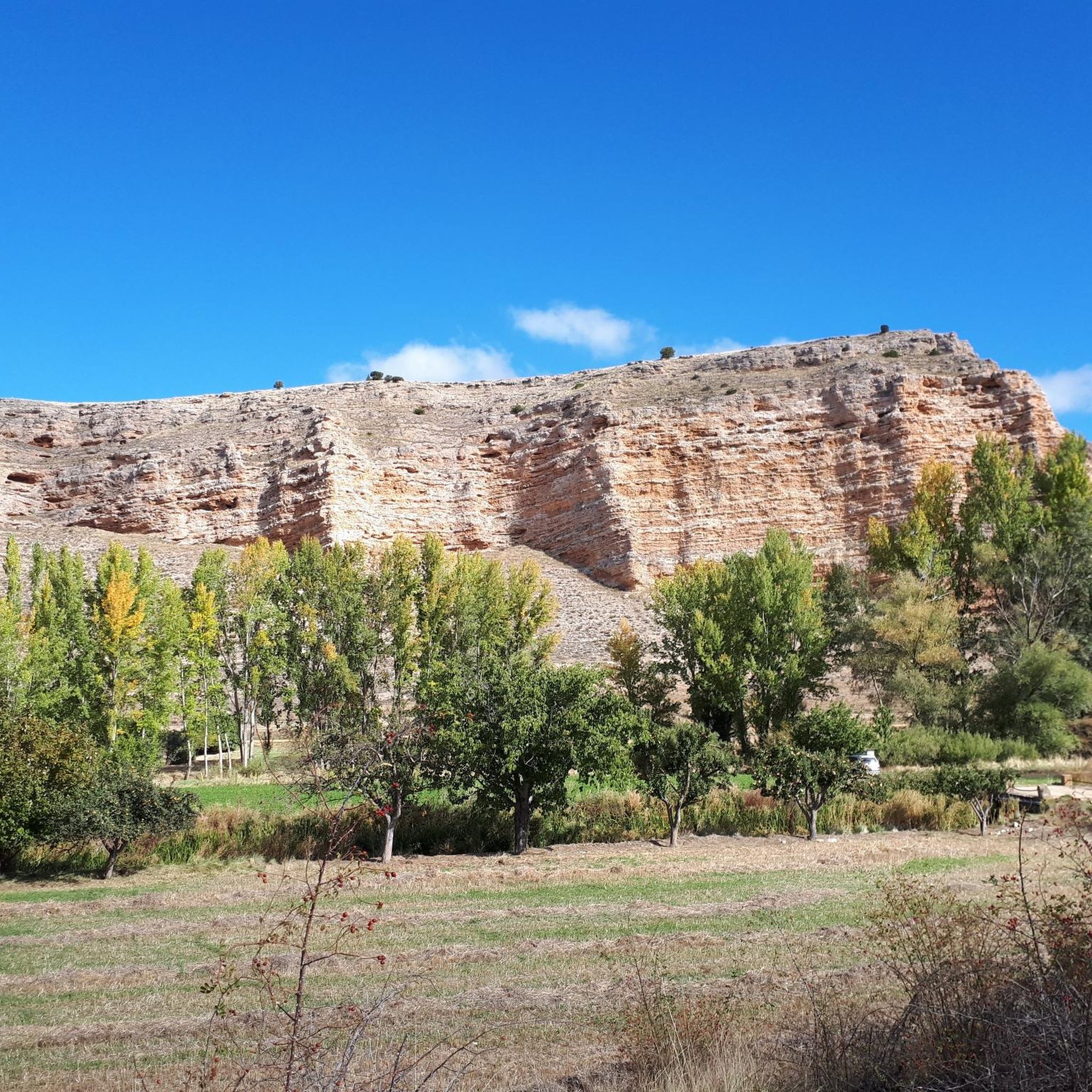
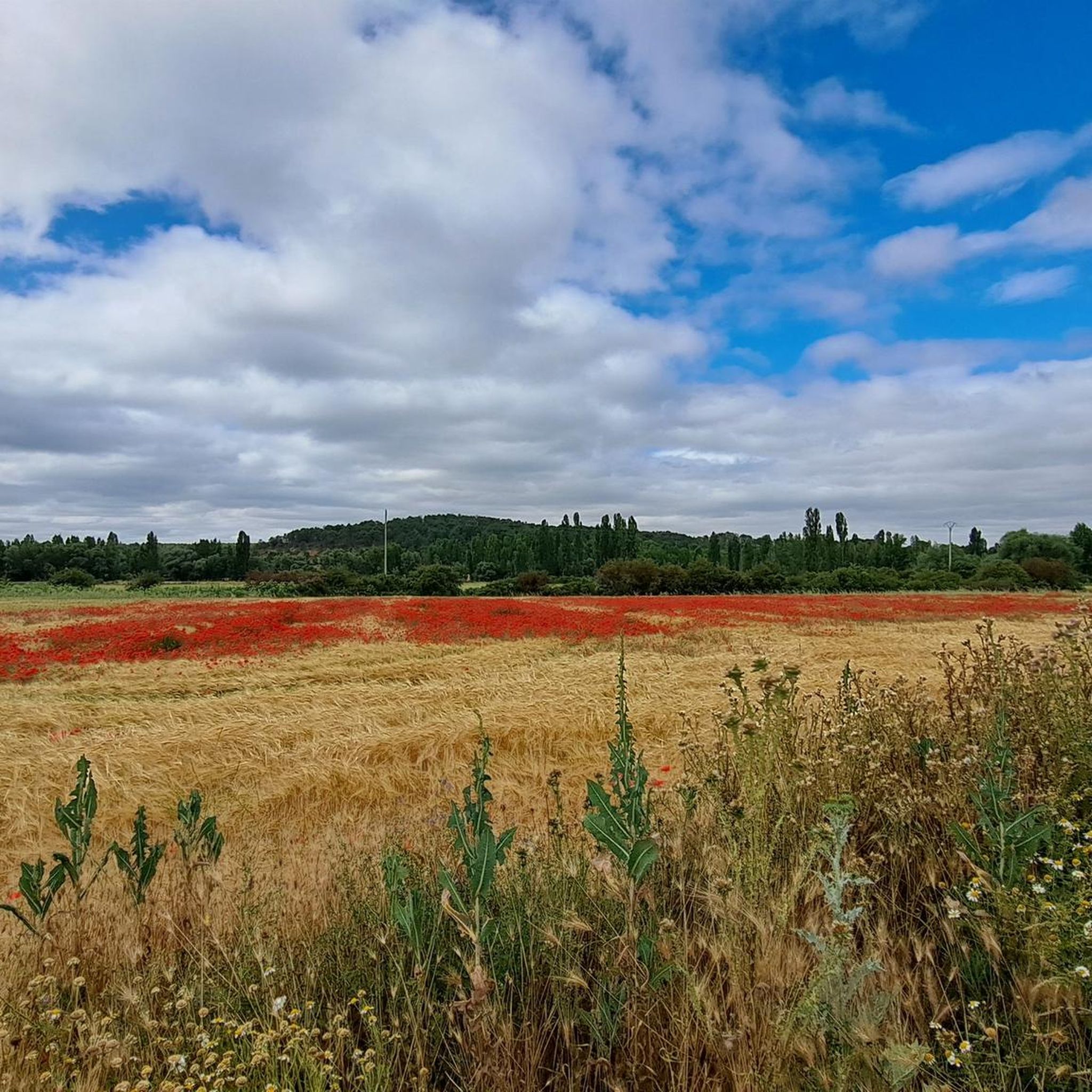
Hiking around Gumiel De Izán offers diverse natural landscapes within the province of Burgos, Castile and León. The region is characterized by the verdant Gromejón River valley, extensive cereal fields, and lomas (small hills) covered with vineyards. Hikers can explore areas featuring pine and holm oak forests, alongside the agricultural plains.
Best hiking trails around Gumiel De Izán
- The most popular hiking route is Route of the Mills, a 10.3 miles (16.6 km) trail that takes 4 hours 18…
Last updated: July 7, 2026
1
hikers
3.44km
00:54
30m
30m
Easy hike. Great for any fitness level. Easily-accessible paths. Suitable for all skill levels.
1
hikers
10.6km
02:41
20m
20m
Moderate hike. Good fitness required. Easily-accessible paths. Suitable for all skill levels.

Sign up for free
3.0
(1)
1
hikers
16.6km
04:18
100m
100m
Moderate hike. Good fitness required. Mostly accessible paths. Sure-footedness required.
5.0
(2)
2
hikers
12.6km
03:25
170m
170m
Moderate hike. Good fitness required. Easily-accessible paths. Suitable for all skill levels.
1
hikers
Moderate hike. Good fitness required. Mostly accessible paths. Sure-footedness required.
Get access to more routes and recommendations from other explorers.
Sign up for free
Already have an account?
Our route recommendations are based on thousands of hikes, rides, and runs completed by other people on komoot.
Start today with a free account
Your next adventure awaits.
Login or Signup

Tips from the Community

Built of stone and with several semicircular arches, it is a good example of medieval civil engineering and has withstood the test of time thanks to its solidity, although it has been restored at different times. At one time it was key for the transit of workers and goods between neighborhoods, contributing to the economic growth of Aranda. Today it is preserved as a heritage element and is a pleasant place to walk, forming part of the city's historic complex and allowing visitors to learn about its industrial and medieval past along the river.
2
0
The medieval Puente de las Tenerías, located in Aranda de Duero over the Bañuelos river, is one of the most interesting historical corners of the city, although less known than the Duero bridge. It is a construction of medieval origin, linked to the urban and industrial development of the town, as it takes its name from the old tanneries (leather tanning workshops) that were in the area and that needed abundant water for their activity.
2
0
The bridge is built of stone and is characterized by its semicircular arches; it originally had four, although today it retains three due to later renovations. Over the centuries it has undergone numerous restorations, especially due to the floods of the Duero, one of the most important being the expansion and widening in the 19th century. In addition to its architectural value, it has been a strategic point for the passage of people, goods and herds, and today it is a symbol of the city and a very pleasant place to walk and enjoy the views of the river and Aranda de Duero. [iglesiaslocales.com], [edadesdelh...ogspot.com]
2
0
The Aranda de Duero Bridge, also known as Puente Mayor, is one of the city's most important historical elements, as it crosses the Duero River and has been key to its development. Although often called "Roman", it is actually a bridge of medieval origin, with references from the 12th-14th centuries, when it served as a fundamental crossing point on trade routes and the old Royal Road that connected the center and north of Spain.
2
0

The Aranda de Duero Bridge, also known as the Puente Mayor, is a medieval stone bridge over the Duero River. It is a symbol of the city and its heritage, connecting the old town with the modern areas. Although it has been renovated over time, it retains its historic essence.
4
1

Interior of the most famous church in the area.
0
0
The most used bridge to connect both areas of the river.
1
1
Curious stone bridge at the western end of Aranda.
0
1
Frequently Asked Questions
What types of landscapes can I expect to see while hiking around Gumiel De Izán?
Hiking around Gumiel De Izán offers a diverse range of landscapes. You'll find the verdant Gromejón River valley with its riverside ecosystems, extensive cereal fields, and picturesque vineyards characteristic of the Ribera del Duero wine region. The area also features lomas (small hills) and forests of pine and holm oak, providing varied scenic views throughout the seasons.
Are there any easy hiking trails suitable for beginners or casual walkers?
Yes, Gumiel De Izán offers several easy trails. For instance, the Duero Path is an easy 3.4-mile (3.4 km) route that provides a pleasant walk. In total, there are 7 easy routes available, making it accessible for various fitness levels.
Can I find circular hiking routes in the Gumiel De Izán area?
Yes, there are several circular routes available. A popular option is the Humedales del Carrascal — circular from Villalba de Duero, which is 6.6 miles (10.6 km) long and takes you through a verdant river valley and wetlands. Another circular option is the Sendero de la Ribera del Esgueva (PRC-BU 76).
What historical or cultural points of interest can I discover on the trails?
Many trails in the region integrate historical and cultural elements. The famous Route of the Mills follows the Gromejón River, showcasing old flour mills and ancient Roman bridges like the San Pedro bridge. The town of Gumiel de Izán itself is a Historic-Artistic Site with medieval walls and the impressive Gothic Church of Santa María.
Are there any specific trails that go through vineyards?
Yes, the landscape around Gumiel de Izán is part of the Ribera del Duero wine region, and many trails traverse picturesque vineyards. Hiking through these areas offers stunning scenery and a connection to the region's winemaking tradition, with opportunities to see wineries like Bodegas Portia.
What are the best times of year to go hiking in Gumiel De Izán?
The diverse landscapes of Gumiel De Izán offer different experiences throughout the seasons. Spring and autumn generally provide pleasant temperatures and vibrant scenery, with blooming wildflowers or rich autumnal colors in the vineyards and forests. Summers can be warm, while winters offer a quieter, often crisp hiking experience.
What do other hikers enjoy most about the trails in Gumiel De Izán?
The hiking routes in Gumiel De Izán are highly rated by the komoot community, with an average score of 4.5 stars from more than 10 reviews. Hikers often praise the varied terrain, from river valleys and wetlands to pine and holm oak forests, as well as the integration of historical sites like old mills and Roman bridges along the paths.
Are there any trails that lead through forests?
Absolutely. Beyond the agricultural plains, you'll find trails that wind through pine and holm oak forests. The Monte de Bahabón Trail, for example, leads directly through these types of woodlands, offering views of the surrounding lomas.
What kind of wildlife might I encounter while hiking?
The Gromejón River valley and its banks provide a habitat for various wildlife. You might spot birds such as storks along the river, and the forested and agricultural areas support other local fauna. Keep an eye out for diverse birdlife and small mammals typical of the Castilian landscape.
Are there any notable attractions or towns nearby that I can visit after a hike?
Yes, there are several interesting places to explore. You could visit the historic town of Aranda de Duero, which features the impressive Church of Santa María la Real, the Aranda Bridge, and even Street Art Murals. The Medieval Bridge of the Tanneries is another historical highlight in the vicinity.
How many hiking routes are available in the Gumiel De Izán area?
There are over 20 hiking routes available around Gumiel De Izán, offering a wide range of options for different preferences and fitness levels. These include 7 easy routes and 17 moderate trails.
Most popular routes around Gumiel De Izán
Most popular attractions around Gumiel De Izán

Get inspired with the komoot mobile app


Explore more
Browse the best Hikes in other regions.
