Attractions and Places To See around Villanueva De Bogas - Top 19
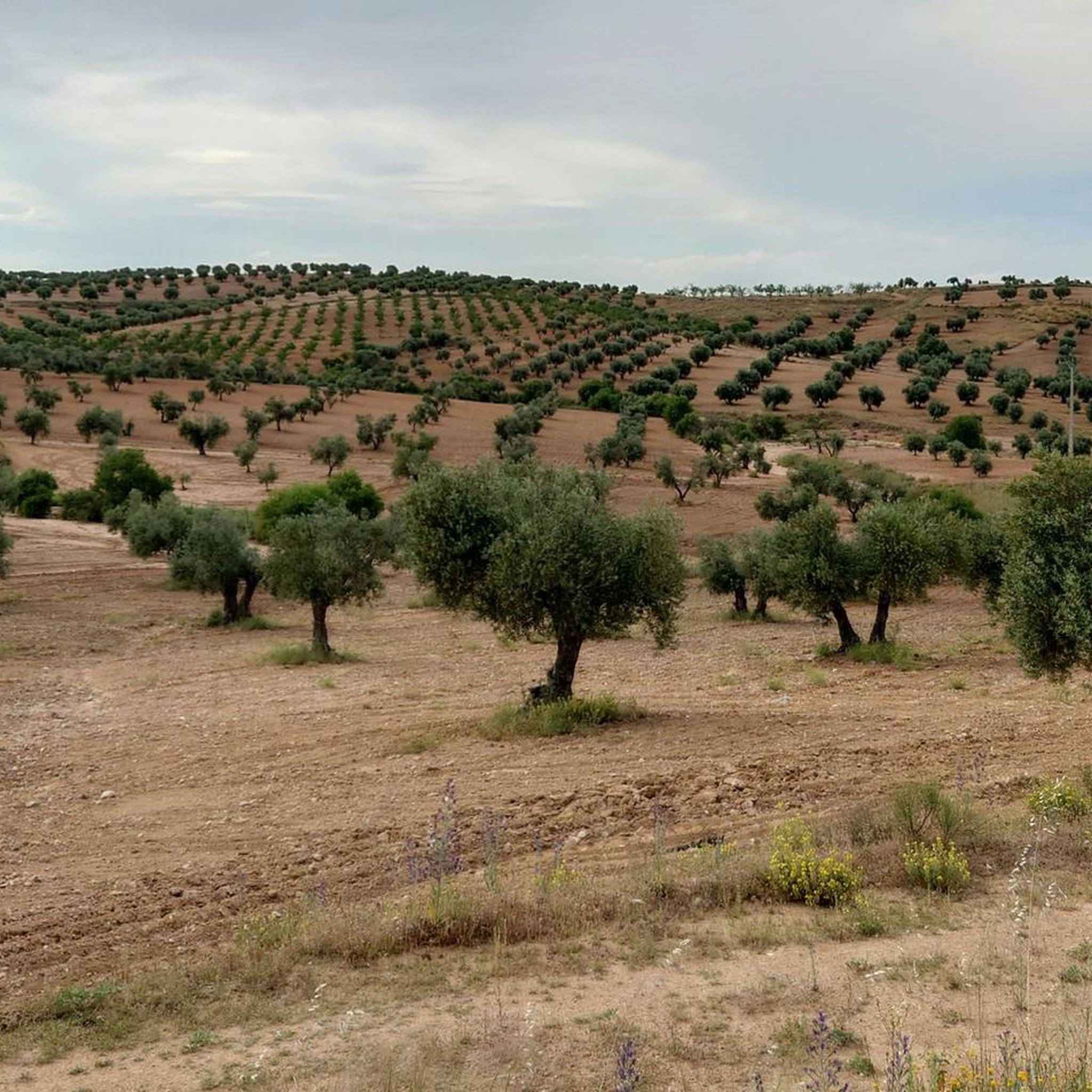
Best attractions and places to see around Villanueva De Bogas offer a blend of historical sites, natural landscapes, and cultural heritage in the province of Toledo, Castilla-La Mancha, Spain. The municipality is characterized by its serene rural Castilian experience, with roots tracing back to the Iron Age. Visitors can explore a landscape defined by the Algodor River and its riverside vegetation, as well as extensive olive groves and vineyards typical of the Manchegan plains. The area also features significant architectural…
Last updated: July 12, 2026
Church of Nuestra Señora de la Asunción (Tembleque)
Highlight • Religious Site
Translated by Google •
Tip by

Santísimo Cristo del Valle Hermitage
Highlight • Religious Site
Translated by Google •
Tip by
Sign up now to discover places like this
Get recommendations on the best single tracks, peaks, & plenty of other exciting outdoor places.
Sign up for free
Finisterre Reservoir
Highlight • Lake
Translated by Google •
Tip by
Mascaraque
Highlight • Settlement
Translated by Google •
Tip by
Plaza Mayor of Tembleque
Highlight • Historical Site
Translated by Google •
Tip by
Sign up for free to discover even more attractions around Villanueva De Bogas.
Sign up for free
Already have an account?
Start today with a free account
Your next adventure awaits.
Login or Signup




Tips from the Community

Numerous hiking and cycling routes border the reservoir: A circular route from Tembleque, crossing the Sierra de Algodor (~15 mi / 24 km), moderate difficulty, panoramic views, and picnic spots. A mountain bike route from Mora or Turleque to the shore, approximately 13–14 mi (~22 km), ideal for mountain bikes. The shoreline offers viewpoints, peninsular islands accessible in summer, and areas of Mediterranean woodland contrasting with the surrounding cereal fields.
2
0
It is located in the municipalities of Tembleque, Mora, Villanueva de Bogas, and Turleque (Toledo), about 5 km from Villanueva de Bogas, on the Algodor River, a tributary of the Tagus. Declared a Wildlife Refuge in September 2020, it boasts high biodiversity, especially of waterfowl and birds of prey.
2
0
Mascaraque Castle is one of the town's main attractions. Origin: It was built in the 14th century on the site of an earlier Muslim fortification. Historical Owners: It was renovated by the Padilla family, who were associated with the Comuneros in the 15th century. Architecture: The keep is a prominent feature, which, according to tradition, was "demolish" (lowered) by order of the Catholic Monarchs after the Revolt of the Comuneros. Interesting Details: Pentacles or Seals of Solomon can be seen on its walls, symbols that fuel legends of protection and mystery. Current Status: It is privately owned, so the interior is not open to the public, but the exterior is impressive and well worth seeing.
1
0
Mascaraque stands out for its authentic and tranquil atmosphere, ideal for those seeking a historical getaway without the crowds. Its historical heritage—centered on the castle, the church, and several hermitages—offers a rich cultural experience alongside a friendly local life. The rural surroundings reinforce this feeling of disconnection: olive groves, vineyards, and nature trails complete the appeal. In short, a destination with its own unique identity, highly valuable for lovers of heritage and charming villages.
2
0
The Plaza Mayor of Tembleque, located in the province of Toledo, is one of the most outstanding examples of Castilian popular Baroque and an architectural gem of La Mancha. Construction: Completed in 1598, following the layout of traditional comedy theaters and inns.
14
0
Tradition tells that in 1688, two pilgrims, Juan Bautista and Manuel Terrín, stayed at a local farmhouse and, in gratitude, painted an image of the crucified Christ using colors mixed with saliva. When he asked for oil to light the image, the owner miraculously found enough oil to last 24 hours, despite claiming to have none. This event was considered miraculous and prompted the construction of the hermitage at the initiative of Francisco Rodríguez Palmero, who donated the land to the Order of Saint John.
5
0
The Hermitage of the Most Holy Christ of the Valley is located about 15 km from Tembleque, in the province of Toledo, near the Algodor River. It is a place of great devotion for the residents of Tembleque and other nearby towns.
10
0

This castle is private, and you cannot access its interior. In the 15th century the Padilla family built the castle. Until the mid-17th century the castle was owned by the Padilla family, with important positions in the court and very important in the nobility. Already in 1642, a descendant of the family became the owner of the castle, becoming one of the so-called Dukes of Abrantes. From that date on, the castle was practically abandoned. During the War of Independence it was used as a cemetery. Several tombs have been found and in the Second Carlist War the castle served as a refuge for the town's militias. Subsequently, it changed owners several times, until its current owner José Manuel Sierra Frade, who has made great improvements to the castle.
1
0
Frequently Asked Questions
What cultural and historical sites can I visit in Villanueva de Bogas?
Villanueva de Bogas offers several significant cultural and historical sites. You can explore the 18th-century Iglesia Parroquial de Santa Ana, a robust architectural landmark. The area also features the Archaeological Remains at Cerro del Gato, revealing vestiges from the First Iron Age, Iberian-Celtic, and Roman periods. Additionally, the town preserves traditional Manchegan rural architecture, contributing to its unique charm. Nearby, you can visit the Casa de las Torres, an 18th-century Baroque-style palace-house.
What natural attractions are there to explore near Villanueva de Bogas?
The landscape around Villanueva de Bogas is defined by the Río Algodor and its lush riverside vegetation. A significant natural feature is the Finisterre Reservoir, which offers distinct, green scenery and is known for its high biodiversity, especially waterfowl and birds of prey. The surrounding area also boasts typical Manchegan plains rich in olive groves and vineyards.
Are there opportunities for hiking or cycling around Villanueva de Bogas?
Yes, the region around Villanueva de Bogas is excellent for outdoor activities. You can find various routes for mountain biking, touring cycling, and road cycling. For example, there are moderate MTB routes like the "Plaza Mayor of Tembleque – Palacio de las Torres loop from Villanueva de Bogas" and easy road cycling routes such as the "Mora and Villanueva de Bogas Loop." You can find more details and routes on the MTB Trails around Villanueva De Bogas, Cycling around Villanueva De Bogas, and Road Cycling Routes around Villanueva De Bogas guide pages.
Does the Camino de Santiago pass through Villanueva de Bogas?
Yes, Villanueva de Bogas is indeed crossed by an important route of the Camino de Santiago, specifically a path coming from the southeast. This makes it a compulsory stop for pilgrims undertaking this journey.
When is the best time to visit Villanueva de Bogas for outdoor activities?
The best time to visit Villanueva de Bogas for outdoor activities is generally during the spring (April to June) and autumn (September to October) months. During these periods, the weather is typically mild and pleasant, ideal for hiking, cycling, and exploring the natural and historical sites without the intense heat of summer.
Are there any family-friendly attractions in the area?
Yes, several attractions around Villanueva de Bogas are suitable for families. The Finisterre Reservoir offers numerous roads and paths for exploration, and its shoreline has viewpoints and areas of Mediterranean woodland, making it a great spot for a family outing. Many of the natural landscapes and gentle walking paths are also enjoyable for families.
What is the significance of the Finisterre Reservoir?
The Finisterre Reservoir, built on the Algodor River, is a significant natural feature. Declared a Wildlife Refuge, it boasts high biodiversity, particularly of waterfowl and birds of prey. It's a tranquil and remote area, offering many roads and paths for exploration, and its banks are ideal for fishing. It's a great place to enjoy the landscape of La Mancha.
What is the Church of Nuestra Señora de la Asunción (Tembleque) known for?
The Church of Nuestra Señora de la Asunción (Tembleque) is a notable religious building representing a transitional style between Gothic and Renaissance architecture. Constructed in the first half of the 16th century with ashlar and powerful buttresses, it is an impressive architectural example in the region, located near Villanueva de Bogas.
Are there any traditional cultural events in Villanueva de Bogas?
Villanueva de Bogas is known for its vibrant cultural events. A significant happening is the spectacular representation of La Pasión de Cristo (The Passion of Christ) held during Holy Week, involving over 100 actors. The town also celebrates its patron saint festivities in honor of the Santísimo Cristo de las Angustias on the first weekend of September, featuring processions and popular activities. On January 20th, for San Sebastián, oranges and traditional aniseed breads called "caridades" are launched from the town hall.
What is the local gastronomy like in Villanueva de Bogas?
Visitors to Villanueva de Bogas can experience the traditional Manchegan products that are characteristic of the local gastronomy. This region is known for its rich culinary heritage, often featuring dishes made with local olive oil, wine, and products from the plains.
What is the history behind the Santísimo Cristo del Valle Hermitage?
The Santísimo Cristo del Valle Hermitage, located about 15 km from Tembleque near the Algodor River, is a place of great devotion. Tradition holds that in 1688, two pilgrims miraculously painted an image of the crucified Christ, leading to the construction of the hermitage. It stands as a testament to a local miracle and deep religious sentiment.
Can I visit Mascaraque Castle?
The Mascaraque Castle is one of the town's main attractions, built in the 14th century on the site of an earlier Muslim fortification. While its exterior is impressive and well worth seeing, it is privately owned, and the interior is not open to the public. The town of Mascaraque itself offers an authentic and tranquil atmosphere with rich cultural heritage.
Most popular routes around Villanueva De Bogas

Get inspired with the komoot mobile app


Explore more
Still not found the Highlight you’re looking for? See guides of the top attractions in other regions:
