Attractions and Places To See around Montejícar - Top 20
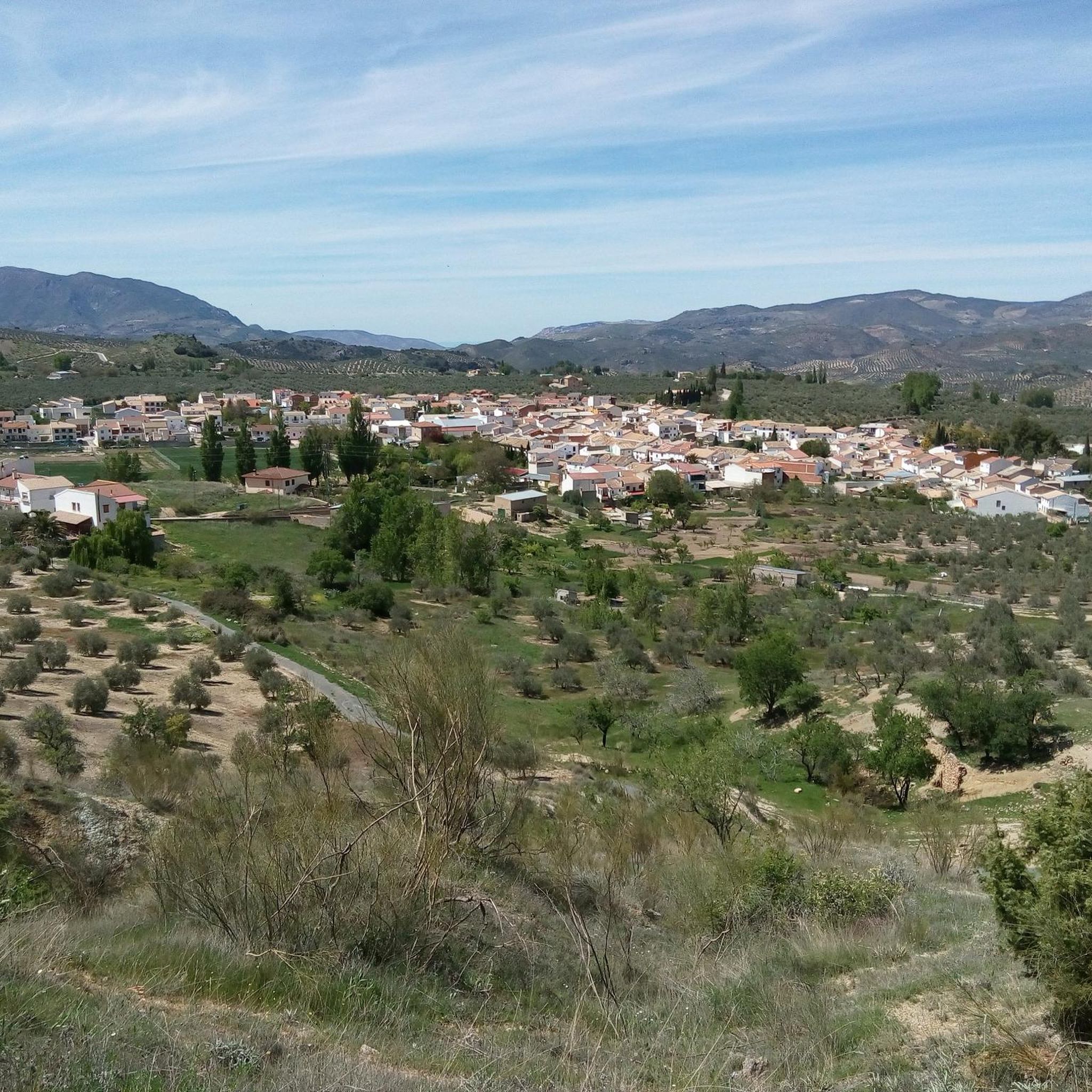
Best attractions and places to see around Montejícar include a blend of historical sites, cultural landmarks, and natural features. This village, situated at 1137 meters in the Sierra Alta Coloma, is characterized by farmland, olive groves, and diverse wildlife. The region holds significant archaeological heritage, with evidence of Bronze Age and Roman settlements. Montejícar offers opportunities to explore its past and natural landscape.
Best attractions and places to see around Montejícar
- The most popular attractions is Cambil, a settlement…
Last updated: June 29, 2026
Cambil
Highlight • Settlement
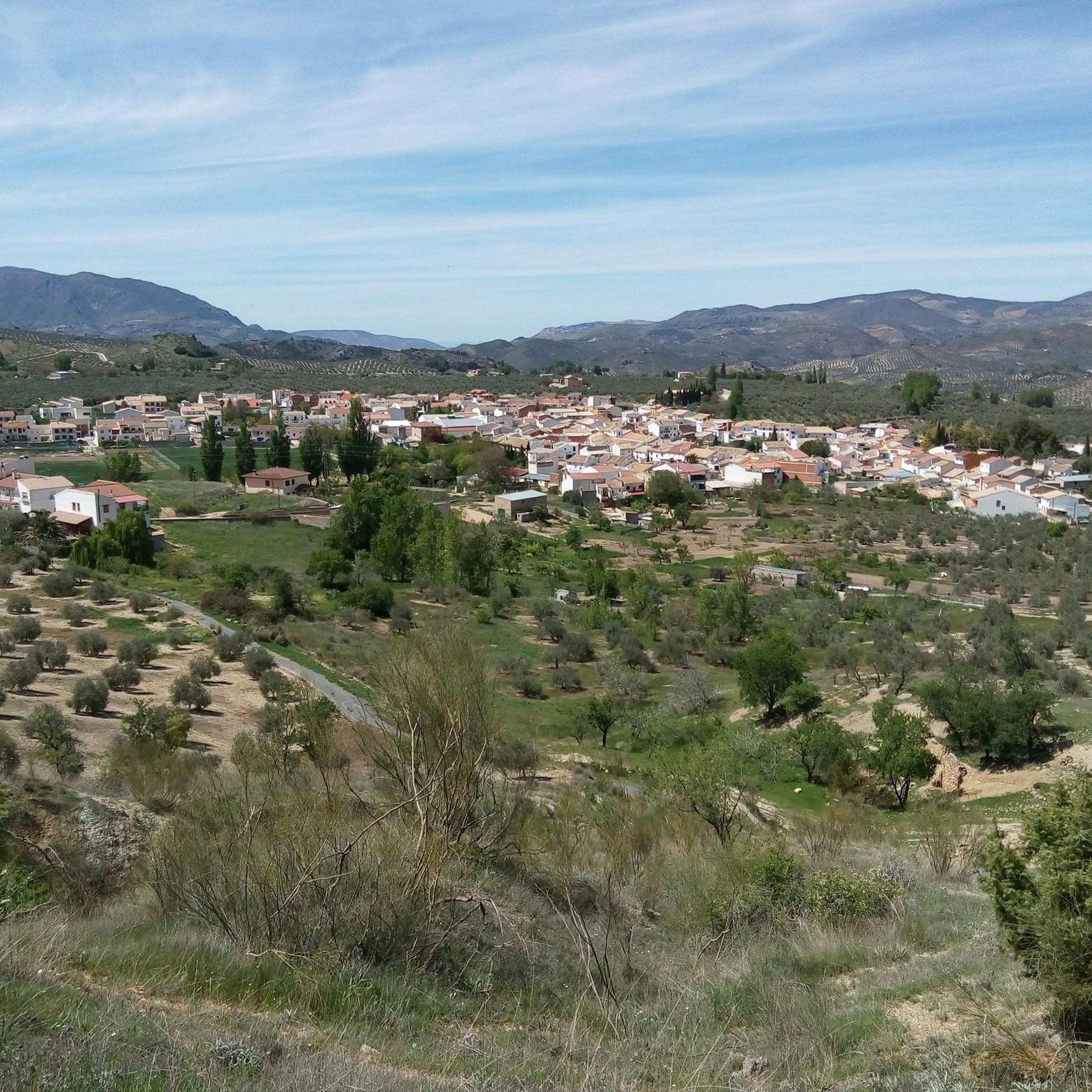
Located in a small valley, it is a cold place in winter but cool in summer.
Translated by Google •
Tip by

Fuente Cabra
Highlight • Waterfall
When homes lacked a supply of drinking water, residents …
Translated by Google •
Tip by
Sign up now to discover places like this
Get recommendations on the best single tracks, peaks, & plenty of other exciting outdoor places.
Sign up for free
Water trough at the entrance to the village of Arbuniel
Highlight • Structure
Translated by Google •
Tip by
Castillo de Huelma
Highlight • Castle
Translated by Google •
Tip by
La Teja Washhouse
Highlight • Structure
Translated by Google •
Tip by
Sign up for free to discover even more attractions around Montejícar.
Sign up for free
Already have an account?
Start today with a free account
Your next adventure awaits.
Login or Signup
Tips from the Community

This name is from an ancient spring that has supplied water to the town of Montejícar since the dawn of time. When homes lacked a supply of drinking water, residents came to this point to bring water to their homes since ancient times. Nowadays, homes have drinking water and the municipality has carried out water surveys near the spring so that its visible flow has decreased considerably because the drilling was carried out at a water table lower than the normal spring flow, in addition to the fact that rainfall has recently decreased considerably.
21
0
Cambil is a town that preserves many remains of Arab origin, among which is its castle. Located in a small valley, it is a cold place in winter but cool in summer.
11
0
It is a roundabout as a welcome to the town of Cambil
10
0
They are old laundries and springs called "La Teja" where the women of the town of Huelma used to wash clothes. They are located about two kilometers from the town and the spring is still flowing with water despite the severe drought that we are suffering in Andalusia in 2023.
7
0
From the top of the hill, Huelma Castle secretly monitors the movements of the town's citizens
8
0
It is a basin to supply water whose tube flows from the bottom to the top, not very common in this type of pools.
7
0

Located in the heart of the Sierra Mágina National Park. The town is dominated by the castles of Cambil and Alhabar, which were of great strategic and military importance during the Granada War.
8
0

Nice fountain with waterfall. Very rich and fresh water. Although there is a sign of non-potable water to save the maintenance, it has been drunk since time immemorial by all the residents of Montejicar, and its quality is greatly appreciated.
1
0
Frequently Asked Questions
What historical sites can I explore in Montejícar?
Montejícar is rich in history. You can visit the impressive Montejícar Castle Ruins on Cerro del Castillo, which date back to the 8th century and offer panoramic views. The Roman Bridge "Puente Romano de Triana" over the Guadahortuna River is another ancient landmark. Don't miss the 16th-century Church of San Andrés, built on the site of a former mosque, or the Ermita de la Virgen de la Cabeza, steeped in local legend.
Are there any natural features or unique landscapes to see around Montejícar?
Yes, the region boasts several natural attractions. Explore Las Salinas (Salt Mines), where you can also find fossils like Ammonites. The ancient spring of Fuente Cabra, historically a vital water source for the village, is also worth a visit. The village is nestled in the foothills of the Sierra Alta Coloma, offering scenic backdrops and opportunities to enjoy abundant wildlife.
What outdoor activities are available near Montejícar?
Montejícar is a great base for outdoor adventures. You can find numerous routes for hiking, mountain biking, and road cycling. For detailed routes and difficulty levels, check out the Hiking around Montejícar, MTB Trails around Montejícar, and Road Cycling Routes around Montejícar guides.
Are there family-friendly attractions in the Montejícar area?
Absolutely! Many sites are suitable for families. The settlement of Cambil, with its Arab-origin castle, is considered family-friendly. Fuente Cabra, the ancient spring, is also a pleasant spot for families. Additionally, the Old public washhouse of Arbuniel offers a glimpse into past daily life that can be interesting for all ages.
Where can I find the best scenic views in Montejícar?
For breathtaking vistas, head to the Montejícar Castle Ruins on Cerro del Castillo, which provide panoramic views of the village and surrounding valley. The Viewpoint "Ermita San Isidro" is another excellent spot to enjoy the landscape of the Sierra Alta Coloma and the olive groves.
What archaeological sites are significant in Montejícar?
Montejícar has a rich archaeological heritage. The Cerro del Castillo itself is an important archaeological site, revealing a fortified Iberian city and a medieval fortress. The Cerro de los Allozos contains remains from the Bronze Age, showcasing artifacts from the Argarian culture. Evidence of Roman and even Visigothic presence can also be found in the area.
What is the best time of year to visit Montejícar?
Montejícar is situated at an altitude of 1137 meters. While winters can be cold, summers are generally cool, making it a pleasant destination during the warmer months. Spring and autumn offer mild temperatures ideal for exploring historical sites and enjoying outdoor activities like hiking and cycling.
Are there any unique historical structures related to daily life in Montejícar?
Yes, you can visit the restored Washing Sinks (Lavaderos), such as "El Cañuelo" from 1930, which offer a fascinating insight into past daily routines. The Old public washhouse of Arbuniel is another well-preserved example of these communal facilities.
What is the significance of the Cortijo El Torcal?
The Cortijo El Torcal is a historical farmhouse that served as a resting point for muleteers. Nearby, you can find a saline spring and the Salinas del town, where salt was historically sourced. It offers a glimpse into the region's agricultural and trade history.
Can I visit other interesting settlements near Montejícar?
Certainly. The nearby settlement of Cambil is a must-see, preserving many remains of Arab origin, including its castle. It's located in the heart of the Sierra Mágina National Park and held significant strategic importance historically.
What cultural events or festivities are celebrated in Montejícar?
Montejícar celebrates several traditional festivities throughout the year. Notable events include "San Marcos" on April 25th, and the main festivities around August 15th in honor of the Virgen de la Cabeza, which often feature a representation of Moors and Christians. Other celebrations include El Santo Cristo de la Veracruz on September 14th and "la Romeria de la Virgen de la Cabeza" on the last Sunday of September.
What is the Water trough at the entrance to the village of Arbuniel?
The Water trough at the entrance to the village of Arbuniel is a unique man-made structure designed to supply water. It features an uncommon bottom-to-top flow system, making it an interesting historical facility to observe.

Get inspired with the komoot mobile app


Explore more
Still not found the Highlight you’re looking for? See guides of the top attractions in other regions:
