Attractions and Places To See around Aribe - Top 20
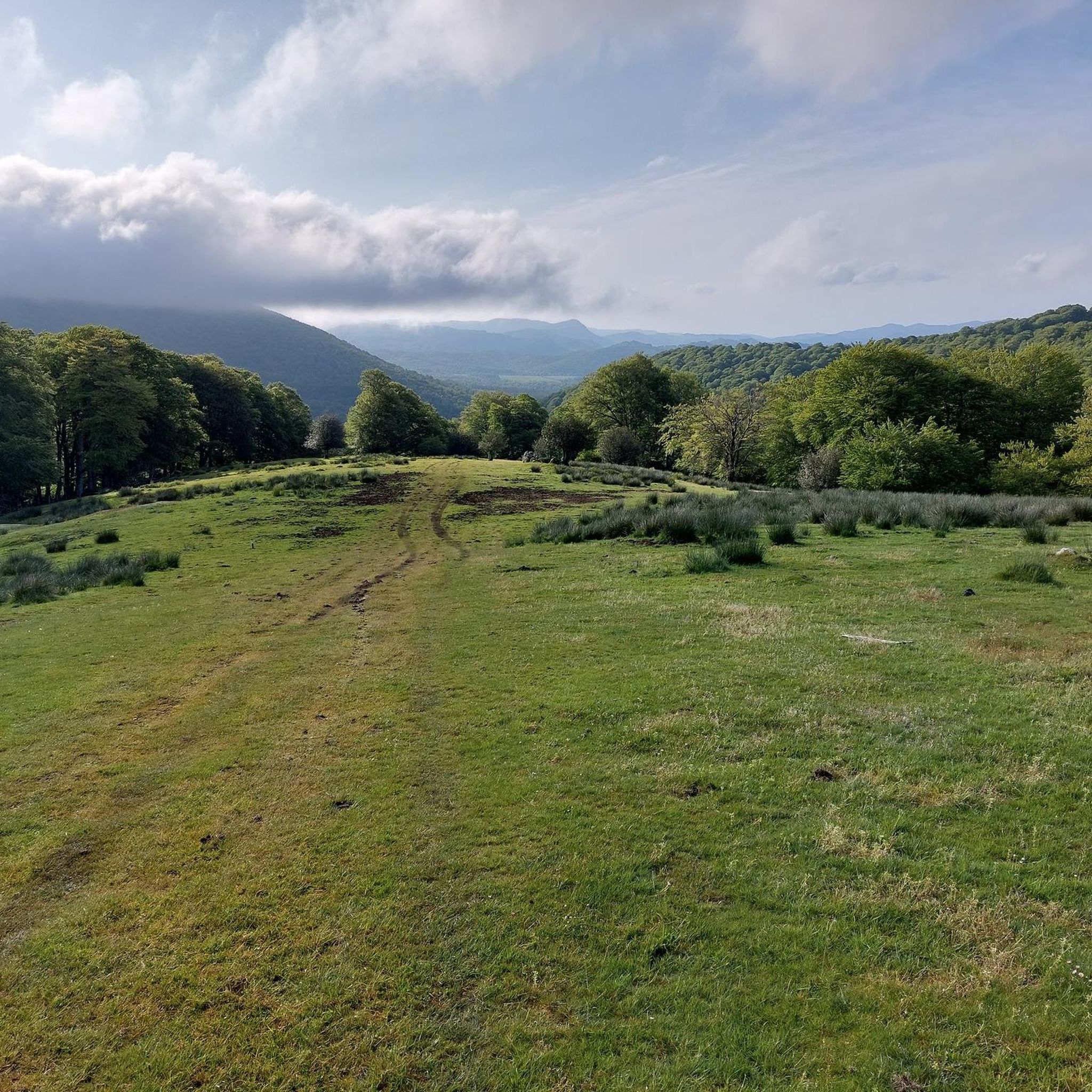
Attractions and places to see around Aribe include historical sites, mountain passes, and religious buildings in the Navarre region of northern Spain. The area is characterized by its Pyrenean landscape, offering both natural features and cultural landmarks. Visitors can explore sites significant to the Way of St. James pilgrimage route. The terrain around Aribe features varied elevations, including notable mountain passes.
Best attractions and places to see around Aribe
- The most popular attractions is Roncesvalles Collegiate Church, a religious…
Last updated: October 5, 2026
Roncesvalles Collegiate Church
Highlight • Religious Site
Translated by Google •
Tip by

Izandorre Emergency Shelter
Highlight • Mountain Hut
Translated by Google •
Tip by

Sign up now to discover places like this
Get recommendations on the best single tracks, peaks, & plenty of other exciting outdoor places.
Ibañeta Pass and the Roland Monument
Highlight • Mountain Pass
Translated by Google •
Tip by

Ibañeta Chapel
Highlight • Religious Site
Translated by Google •
Tip by

Ibañeta Pass
Highlight • Mountain Pass
Tip by

Sign up for free to discover even more attractions around Aribe.
Already have an account?
Start today with a free account
Your next adventure awaits.

Tips from the Community

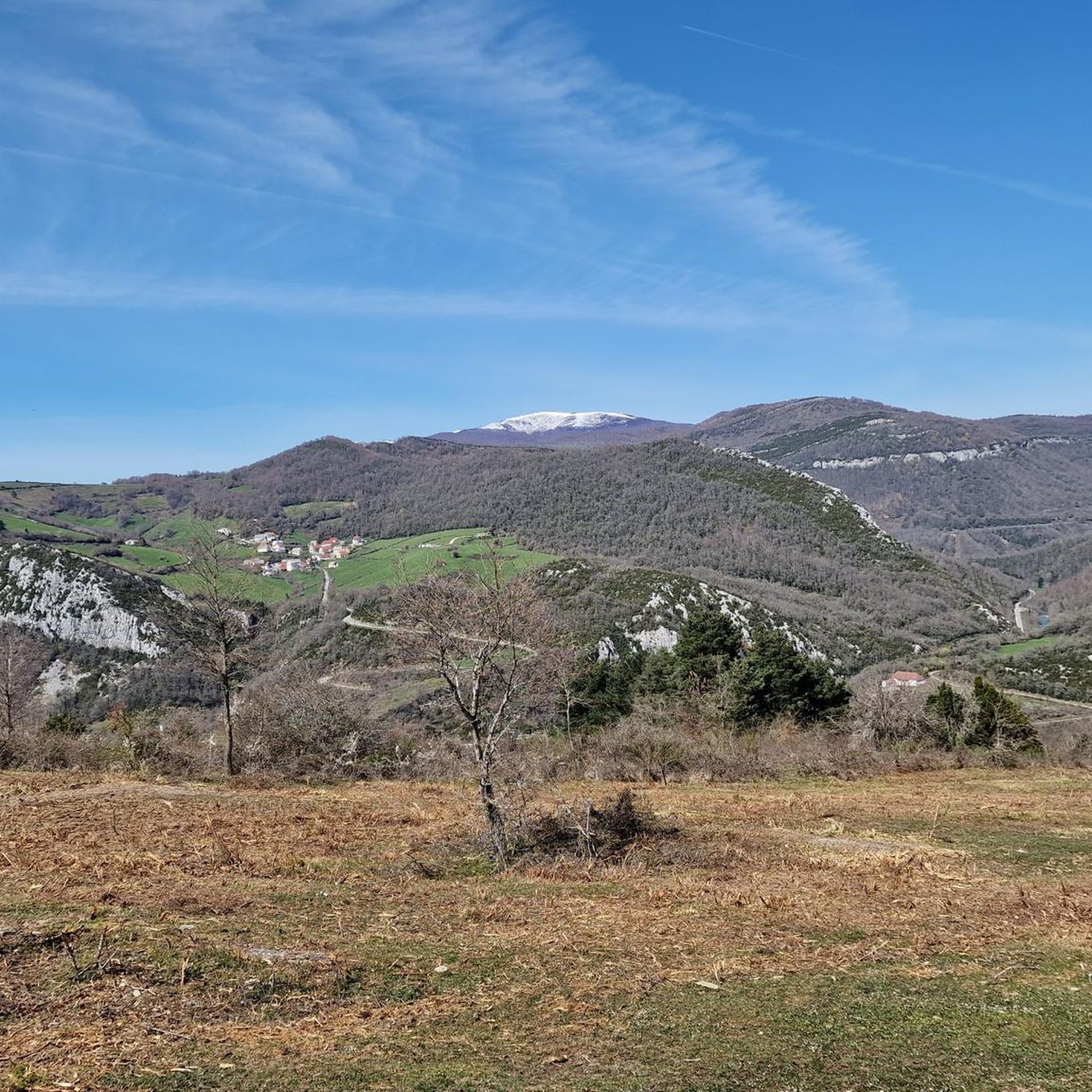
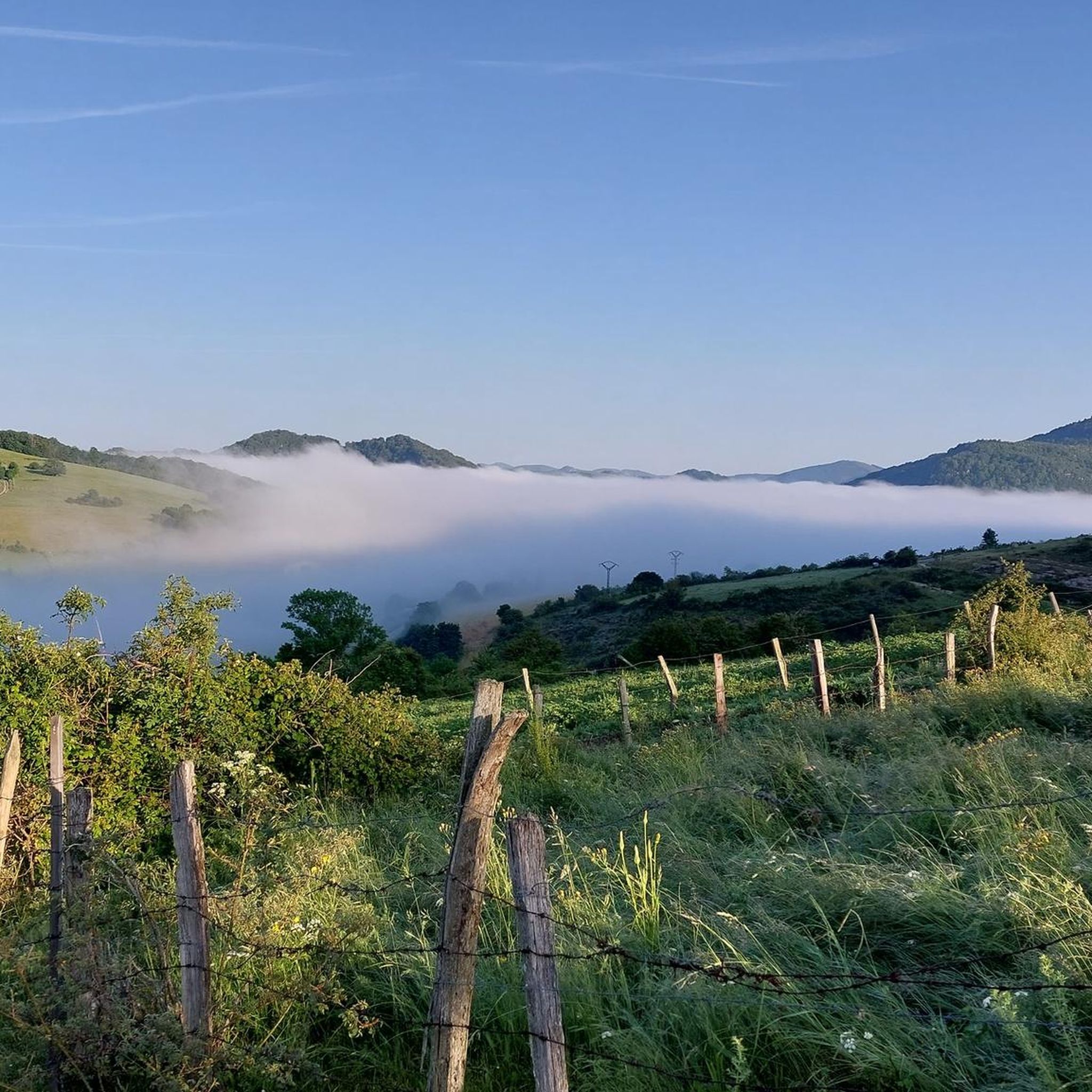
The Izandorre Bivouac (Refugio de Izandorre) is a small but incredibly important stone shelter located high up on the Route of Napoleon, situated on the challenging stretch between Saint-Jean-Pied-de-Port and Roncesvalles. While it isn't a place you should plan to spend the night under normal circumstances, it is a literal lifesaver for those crossing the Pyrenees in bad weather. Here is what you should know. This is a very spartan, basic hut designed specifically to provide immediate shelter from the sudden snowstorms, freezing winds, or blinding fog that can unexpectedly roll into this high-altitude pass. SOS Capabilities: Because this section of the trail can be dangerous in poor conditions, the shelter is equipped with an emergency communication system so hikers can contact mountain rescue if things go wrong.
1
0
The Ibañeta Chapel is a moving and highly anticipated milestone for anyone walking the Camino de Santiago. After the grueling, steep ascent from the French side of the Pyrenees, crossing the border into Spain, and finally beginning your descent, this small chapel and the large stone cross beside it are a spectacular sight. The First Spanish Waypoint: It serves as the very first visible intermediate destination on the Spanish side of the mountains, signaling that the hardest part of the climb is officially behind you. Once you reach this point, you are almost done! Just a short walk further down the trail lies the day's final stage destination: the mighty and magnificent monastery complex of Roncesvalles.
1
0

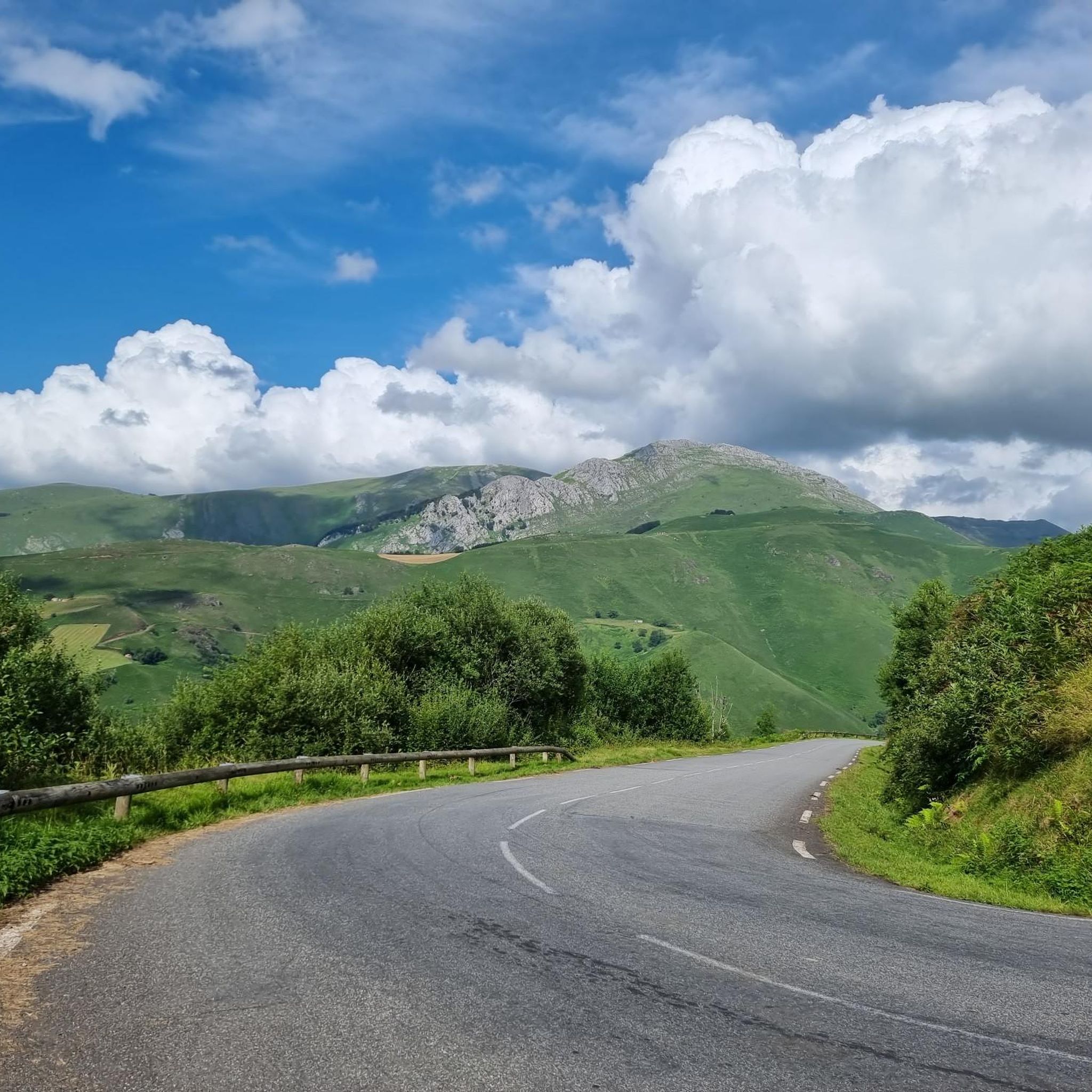
It is a beautiful border pass between Spain and France, well known for being part of the most traditional route of the Camino de Santiago. Sportingly, the climb on both sides is easy, although on the French side it is much longer as it starts at a lower altitude. The Spanish side is just 6 km from Burguete, the last being the most difficult with an average gradient of 7%. On this side you pass the famous and well-known monastery of Roncesvalles. The French side is 18 km from Arnegui and an average gradient of 4%. The hardest part is 5 km from the summit, with one kilometre at 7%. The landscape on this side is of lush vegetation going up a very closed valley that hardly leaves room for views of the surrounding mountains. The road is very twisty. It is a port with very good asphalt and a lot of traffic in general... so, be careful!
1
0

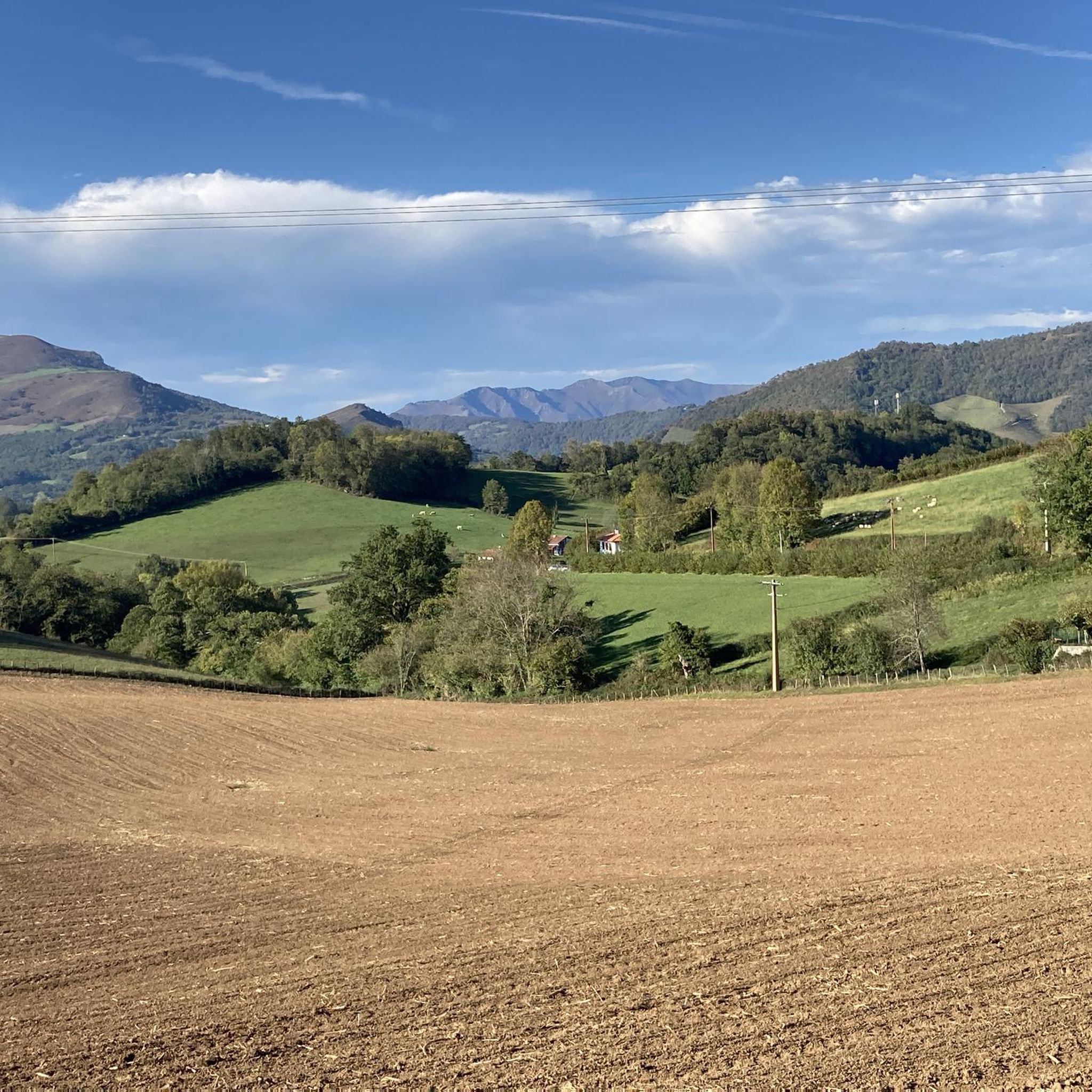
After a long climb, you finally make it to the Ibeneta Pass and can enjoy the view as a reward. Up here, there is a small chapel and a memorial stone to the knight Roland, who is said to have fallen here.
2
0
A great climb up to the pass. Once you reach the top you get a great view. There is a small church at the top and also a monument. There has always been a hospital up here. However, only the foundations of it remain
3
0

Roland, who is commemorated here, died in 778 as part of the rear guard of Charlemagne's Frankish army. He himself was Margrave of Brittany and was the victim of a Basque revenge campaign against the Frankish conquerors who were retreating from a failed Saracen campaign. Those were complicated times, but things were not to become any less complicated in the Basque Country in the centuries that followed. An epic/song was later sung about Roland, which is part of world literature. The monument itself is simple and rough, exposed up here in the wind of the weather, and can therefore have an immediate effect, without pomp and splendor. Great! https://de.wikipedia.org/wiki/Schlacht_von_Roncesvalles
3
0

The pass is an important crossing of the Pyrenees, and a monastery with a hostel was set up in Roncesvalles for pilgrims on pilgrimage to St. James. The monks of the monastery also manned the chapel on the pass and rang the bells in the fog to show pilgrims the way.
5
0
At the top of the pass stands the modern chapel of San Salvador, which replaces an older chapel. It marks the beginning of the Camino Francés, which includes three of the four French pilgrimage routes to Santiago de Compostela: the Via Podiensis from Puy and Conques, the Via Turonensis - from Paris, Tours and Poitiers and the Via Lemovicensis - from Vezelay, Limoges and Périgueux coming.
4
0
Frequently Asked Questions
What historical sites can I visit near Aribe?
The area around Aribe is rich in history. You can explore the Orbaizeta Royal Arms Factory, an 18th-century building set in a natural landscape. Another significant historical site is the Ibañeta Pass and the Roland Monument, which commemorates the Battle of Roncesvalles.
Are there any religious sites of interest around Aribe?
Yes, the most prominent religious site is the Roncesvalles Collegiate Church. This Augustinian monastery is an important pilgrimage station on the Way of St. James and offers accommodation for pilgrims. A small chapel also stands at the Ibañeta Pass.
What natural features can I explore near Aribe?
The region is characterized by its Pyrenean landscape. The Ibañeta Pass offers breathtaking panoramic views. The Orbaizeta Royal Arms Factory is also situated in a spectacular natural setting, allowing visitors to enjoy both history and nature.
Are there hiking trails around Aribe?
Yes, Aribe is an excellent base for hiking. Popular routes include the Zamariain Viewpoint Trail and the Cliffs of Martxate via the Pyrenean Path (GR 11). You can find more details and routes in the Hiking around Aribe guide.
Can I go cycling near Aribe?
Absolutely. The area offers several cycling routes, such as the challenging 'Orbaizeta, Valle Aezkoa, Selva Irati, Bizcarrandi – Circular Route' and the 'Aurizberri, Bizkarreta, Erro, Zilbeti – Circular Route'. Explore more options in the Cycling around Aribe guide.
What are some popular running routes in the Aribe area?
For runners, there are several trails available. Consider the Zamariain Viewpoint Trail or the Txangoa - Roncesvalles Trail, both offering a challenging experience. Moderate options include running loops from Aurizberri or Burguete. Discover more in the Running Trails around Aribe guide.
Are there family-friendly attractions around Aribe?
The Orbaizeta Royal Arms Factory is considered a family-friendly historical site, offering an interesting visit in a beautiful natural environment. Its unique history and setting can be engaging for various ages.
What is the significance of the Way of St. James in this area?
The Aribe area is an important part of the Way of St. James (Camino Francés). The Roncesvalles Collegiate Church serves as a major pilgrimage station, and the Ibañeta Pass marks the end of the steep Pyrenean ascent from Saint Jean Pied de Port, signifying the start of the final 800 kilometers to Santiago de Compostela for many pilgrims.
Are there any viewpoints with scenic panoramas near Aribe?
Yes, the Ibañeta Pass is renowned for its breathtaking panoramic views. It's a great spot to take in the Pyrenean landscape.
What do visitors enjoy most about the attractions around Aribe?
Visitors particularly appreciate the blend of history and nature. The renovated Roncesvalles Collegiate Church is valued for its historical significance and pilgrim accommodation. The Ibañeta Pass is loved for its stunning views and historical context. The Orbaizeta Royal Arms Factory is noted for its interesting facilities and spectacular location.
Are there any emergency shelters available for outdoor activities?
Yes, for those undertaking longer excursions, the Izandorre Emergency Shelter is available. It's a modern hut equipped with a fireplace and seating, intended for real emergencies during challenging weather conditions in the Pyrenees.
Most popular attractions around Aribe

Get inspired with the komoot mobile app


Explore more
Still not found the Highlight you’re looking for? See guides of the top attractions in other regions:
