The best road cycling routes around Lundener Niederung
4.5
(93)
1,406
riders
127
rides
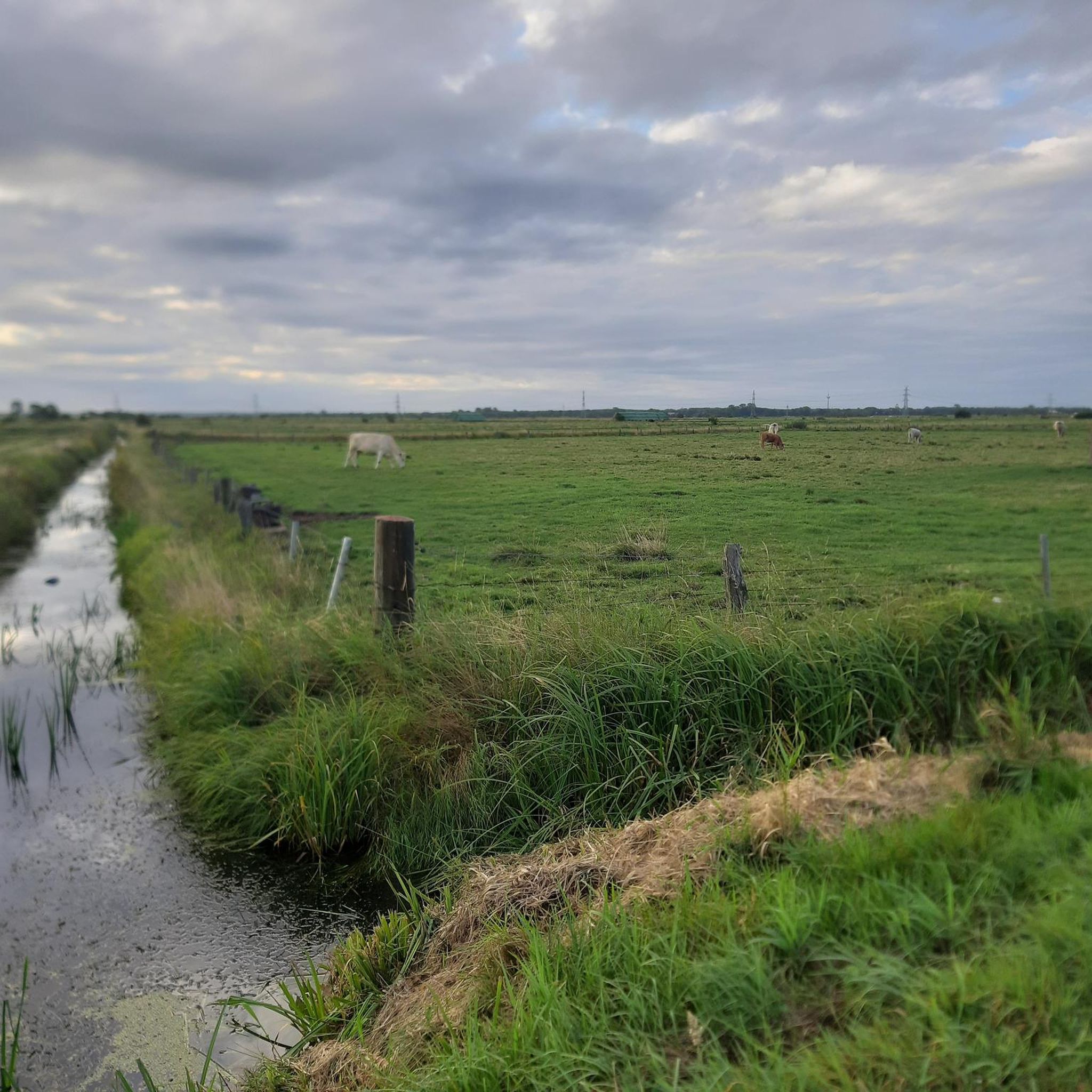
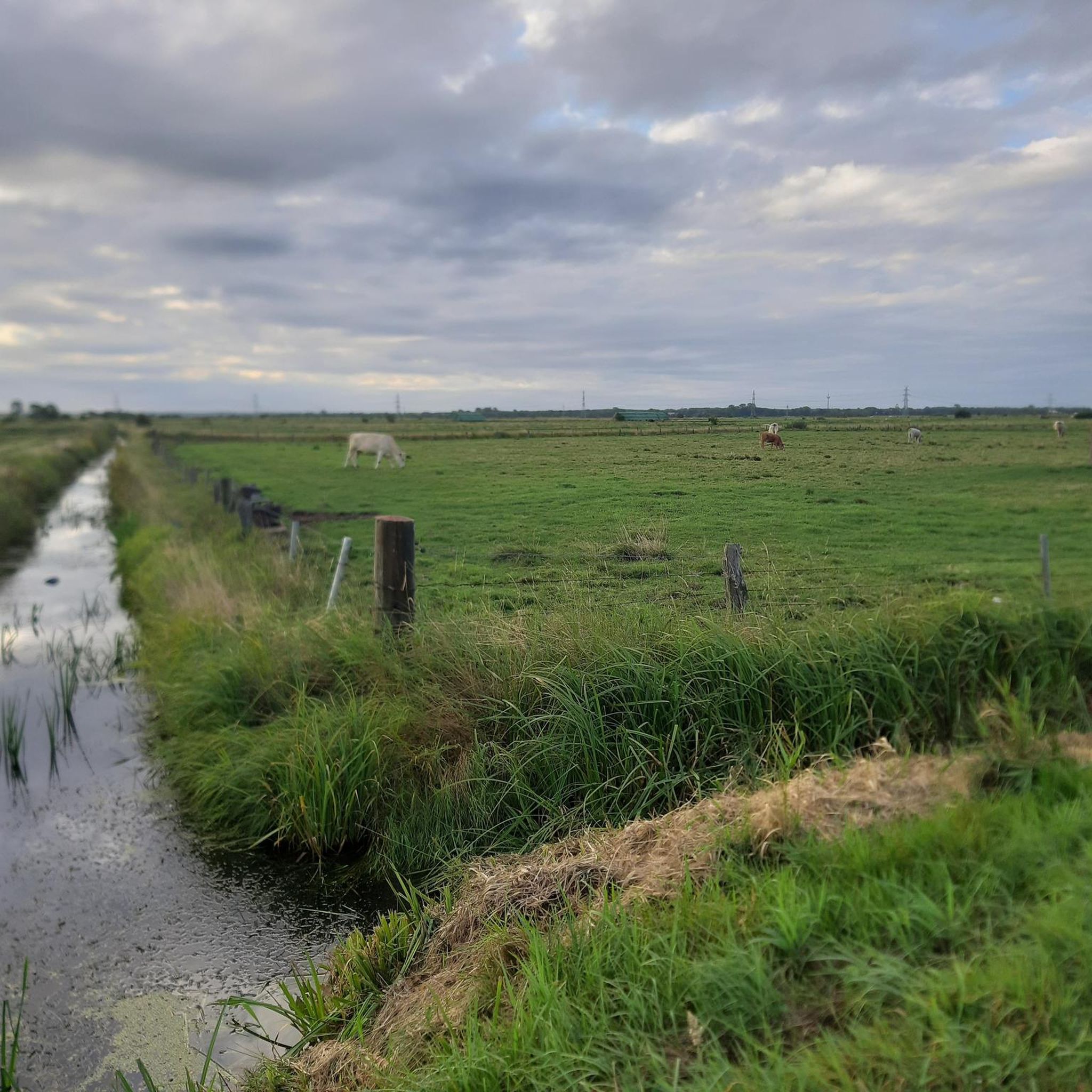
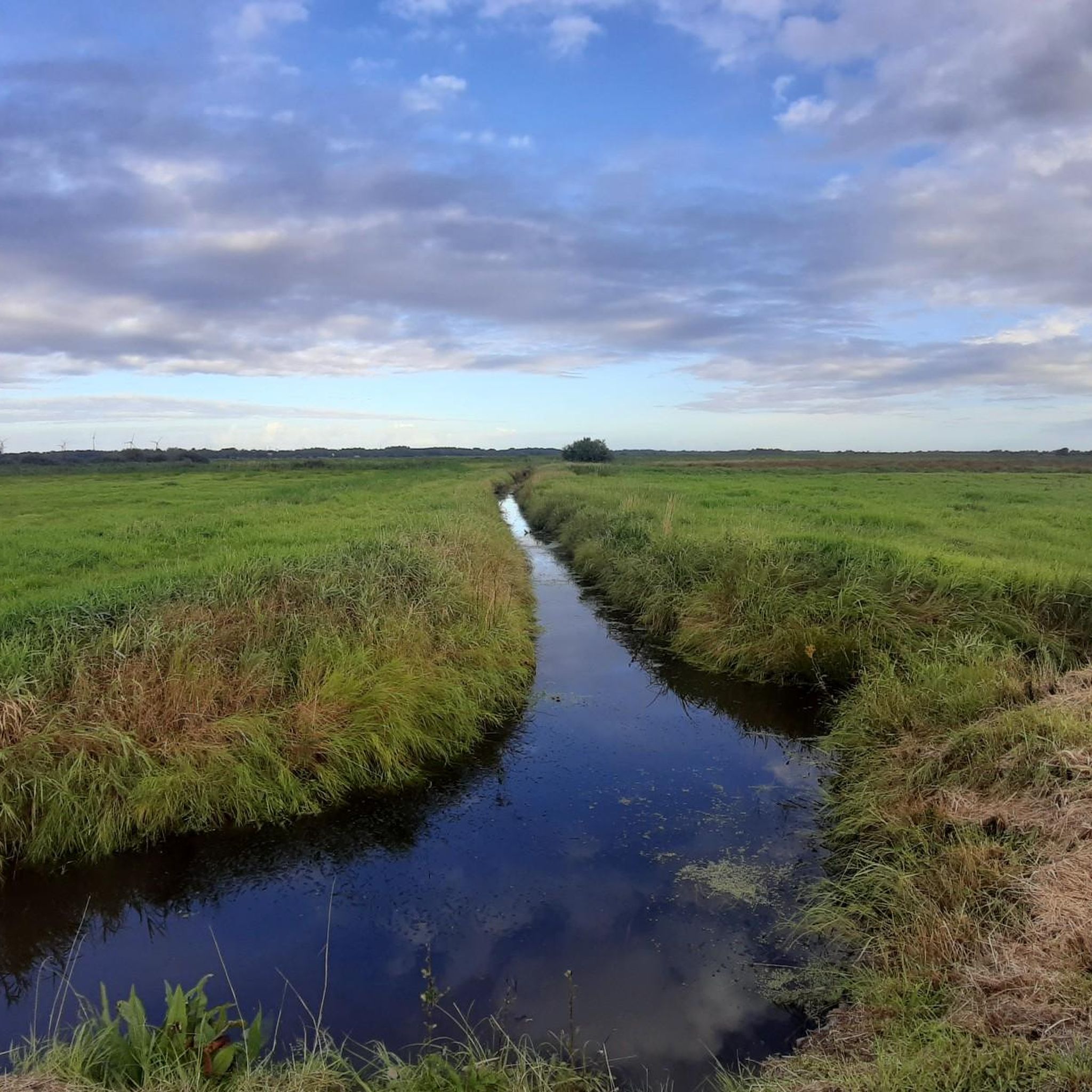
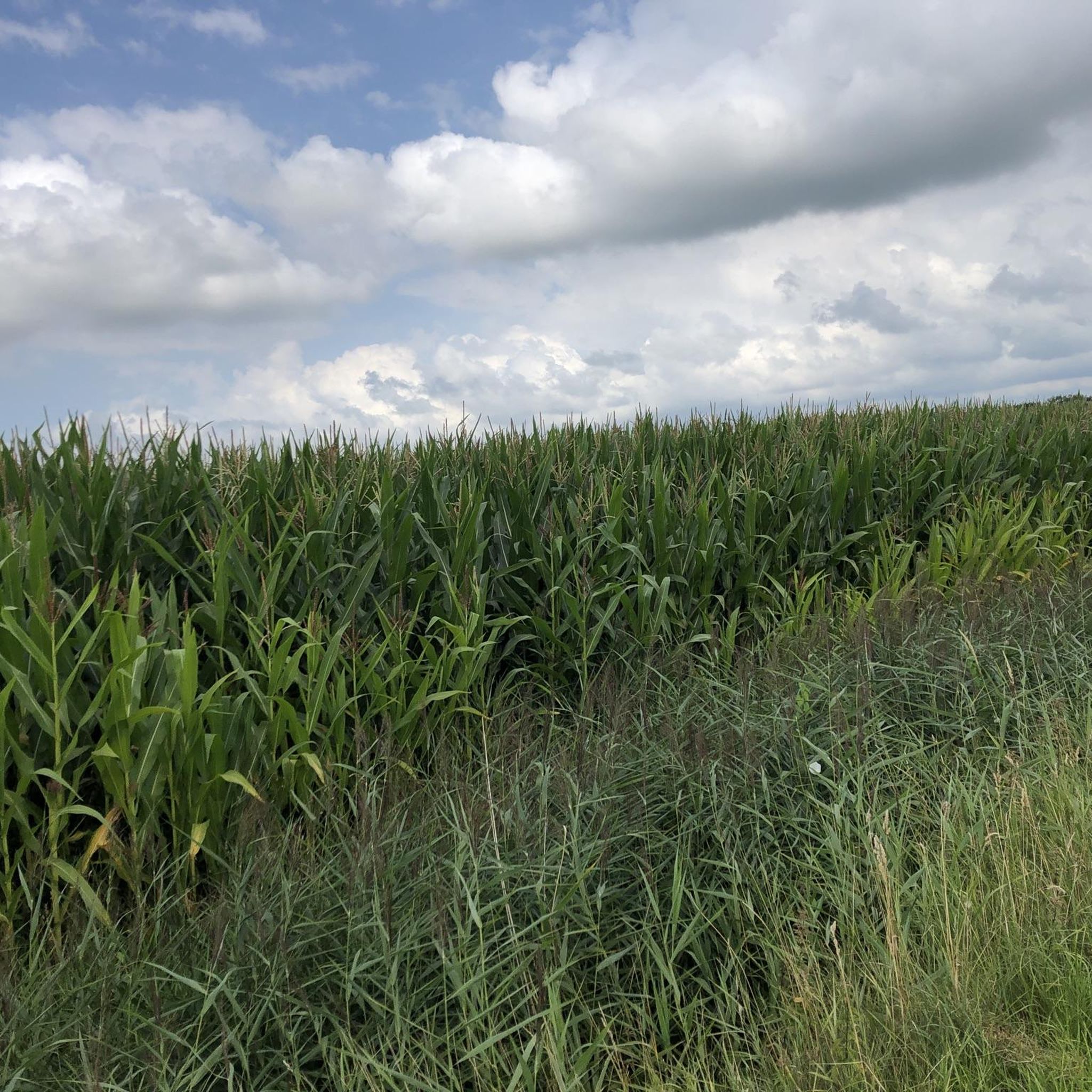
Road cycling routes around Lundener Niederung are characterized by the flat, open landscapes of the Dithmarschen region in northern Germany. This area features extensive lowlands, often near waterways like the Eider River, with minimal elevation changes. The terrain is primarily agricultural, interspersed with small villages and natural areas, offering long, unobstructed views suitable for road cycling.
Best road cycling routes around Lundener Niederung
- The most popular road cycling route is Eider Barrage – Historic Harbour of Tönning loop from Stelle-Wittenwurth…
Last updated: July 15, 2026
4.6
(11)
42
riders
Moderate road ride. Great for any fitness level. Some segments of this route may be unpaved and difficult to ride.
3.0
(1)
7
riders
29.1km
01:16
70m
70m
Easy road ride. Great for any fitness level. Mostly well-paved surfaces and easy to ride.

Sign up for free
3
riders
Easy road ride. Great for any fitness level. Mostly well-paved surfaces and easy to ride.
7
riders
Moderate road ride. Good fitness required. Mostly well-paved surfaces and easy to ride.
8
riders
31.7km
01:36
60m
60m
Moderate road ride. Great for any fitness level. Some segments of this route may be unpaved and difficult to ride.
Get access to more routes and recommendations from other explorers.
Sign up for free
Already have an account?
Our route recommendations are based on thousands of hikes, rides, and runs completed by other people on komoot.
Start today with a free account
Your next adventure awaits.
Login or Signup
Tips from the Community

Top asphalt, color looks like in a lava landscape
1
0

The church is named after Saint Andrew, a disciple of Jesus. It was first mentioned in documents in 1140, but according to current knowledge it already existed before 1070, burned down in 1559 and a new church was built on the foundations within the next 40 years. It is one of the oldest churches in Dithmarschen. Since 2008, extensive renovation work has been carried out on the exterior and interior of the traditional church, which was completed in 2010. The church was reopened on October 3, 2010. In autumn 2013, the bells, which include the oldest bell in Dithmarschen, received new clappers, a new control system and some new motors. In summer 2014, the Walcker organ was extensively renovated. https://www.kirche-weddingstedt.de/unsere-kirche/st-andreas-kirche-weddingstedt/
2
0
Through the marsh along the Eider, road with good surface
2
0
Through the marsh into the interior along the Eider river, great asphalt.
2
0

Idyllic bridge in the historic port of Tönning. Nice places to stop for a bite to eat nearby.
0
0

St. Annen Church in the municipality of Sankt Annen in the district of Dithmarschen, Schleswig-Holstein, is a historical and cultural gem. The church was originally founded as a chapel in 1491 and later, in 1507, declared an independent church by a papal bull. The church's name is derived from Saint Anne, the mother of Mary. Architecturally, St. Annen Church is a typical North German brick building. Particularly notable is the late 14th century altarpiece, which is one of the oldest of its kind in Northern Germany. This altarpiece, which was originally brightly painted, has been stripped down to the wood, revealing the artistic craftsmanship of the woodcarvers. The church also has a Renaissance pulpit from 1571, decorated with detailed carvings. In the following centuries, more baroque elements were added, including an 18th-century box and a confessional from 1668. The single-manual organ with eight registers was built in 1864 by the well-known organ building workshop Marcussen & Søn. Around the church is the cemetery, where one of the so-called Loki Schmidt beds was created in honor of Loki Schmidt's 90th birthday. A cannon from the Schleswig-Holstein uprising commemorates the historic bombardment of Friedrichstadt in 1850.
0
0
St. Annen Church in the municipality of Sankt Annen in the district of Dithmarschen, Schleswig-Holstein, is a historical and cultural gem. The church was originally founded as a chapel in 1491 and later, in 1507, declared an independent church by a papal bull. The church's name is derived from Saint Anne, the mother of Mary. Architecturally, St. Annen Church is a typical northern German brick building. Particularly notable is the late 14th century altarpiece, which is one of the oldest of its kind in northern Germany. This altarpiece, which was originally brightly painted, has been stripped down to the wood, revealing the artistic craftsmanship of the woodcarvers. The church also has a Renaissance pulpit from 1571, decorated with detailed carvings. In the following centuries, more baroque elements were added, including an 18th-century box and a confessional from 1668. The single-manual organ with eight registers was built in 1864 by the well-known organ-building workshop Marcussen & Søn. Around the church is the cemetery, where one of the so-called Loki Schmidt beds was created in honor of Loki Schmidt's 90th birthday. A cannon from the Schleswig-Holstein uprising commemorates the historic bombardment of Friedrichstadt in 1850.
0
0

Old lift bridge in the historic port of Tönning.
0
0
Frequently Asked Questions
What is the general terrain like for road cycling in Lundener Niederung?
The Lundener Niederung region is characterized by its flat, open landscapes, typical of the Dithmarschen area in northern Germany. You'll find extensive lowlands, often near waterways like the Eider River, with minimal elevation changes. The terrain is primarily agricultural, offering long, unobstructed views ideal for road cycling.
Are there road cycling routes suitable for beginners or families in Lundener Niederung?
Yes, Lundener Niederung offers several easy road cycling routes perfect for beginners and families. For example, the Roadbike loop from Rehm-Flehde-Bargen is an easy 28.8 km path that provides a gentle ride through the open countryside with minimal climbing. Overall, there are 34 easy routes available.
What kind of views or landmarks can I expect to see along the road cycling routes?
The routes offer views of the flat, agricultural landscape and proximity to waterways. You can also discover interesting landmarks. For instance, you might pass by the Observation Tower Lundener Niederung for panoramic views, or historical sites like the Radio Bunker Felix – Longwave Radio Station Lundener Niederung.
Are there any circular road cycling routes in the area?
Yes, many road cycling routes in Lundener Niederung are designed as loops, allowing you to start and end in the same location. A popular moderate option is the Eider Barrage – Historic Harbour of Tönning loop from Stelle-Wittenwurth, which covers 41.9 km along the Eider River and through rural areas.
What is the best time of year for road cycling in Lundener Niederung?
The best time for road cycling in Lundener Niederung is generally from late spring to early autumn (May to September). During these months, the weather is typically milder, with less rain and more daylight hours, making for more pleasant rides through the open landscapes.
How long do road cycling routes typically take in Lundener Niederung?
The duration of road cycling routes varies depending on their length and your pace. For example, an easy route like the Roadbike loop from Rehm-Flehde-Bargen (28.8 km) can be completed in about 1 hour 15 minutes, while a longer moderate route such as the St. Laurentius Church, Lunden – Broklandsau, near Dammbrück loop from Lunden (48.1 km) typically takes around 2 hours 15 minutes.
What do other road cyclists think about the routes in Lundener Niederung?
The road cycling routes in Lundener Niederung are highly regarded by the komoot community, with an average rating of 4.5 out of 5 stars from over 80 reviews. Cyclists often praise the quiet country roads, the flat terrain perfect for speed, and the scenic views of the agricultural landscape and waterways.
Are there any longer or more challenging road cycling routes for experienced riders?
While the region is predominantly flat, there are longer moderate routes that offer a good challenge for experienced riders. The Neufelder Deich Lock – Nordfeld Lock on the Eider loop from Lunden is a substantial 75.9 km route that provides an extended ride through the scenic lowlands.
What should I wear for road cycling in Lundener Niederung?
Given the open and flat nature of the Lundener Niederung, it's advisable to dress in layers, as conditions can change, and wind can be a factor. Lightweight, moisture-wicking clothing is recommended, along with a windproof jacket. Always bring rain gear, especially outside of peak summer, as weather can be unpredictable in northern Germany.
Are there cafes or places to stop for refreshments along the routes?
The routes often pass through or near small villages where you can find local cafes or bakeries. While specific cafes aren't listed for every route, planning your stops in villages like Lunden or Tönning (accessible via some routes) is a good idea for refreshments.
How accessible is Lundener Niederung by public transport for road cyclists?
Public transport access to Lundener Niederung is generally limited, as it is a rural area. While some regional bus services might connect larger towns, bringing your bike on public transport can be challenging. It's often more convenient to travel by car to a starting point, especially if you're bringing your own road bike.
Where can I park my car when starting a road cycling route?
Parking is typically available in the small villages that serve as common starting points for routes, such as Lunden, Stelle-Wittenwurth, or Rehm-Flehde-Bargen. Look for designated public parking areas or consider parking near local amenities, always being mindful of local regulations and private property.
Most popular routes around Lundener Niederung
Most popular attractions around Lundener Niederung

Get inspired with the komoot mobile app


Explore more
Browse the best Road cycling routes in other regions.
