Attractions and Places To See around Santa María De Dulcis - Top 20
Best attractions and places to see around Santa María De Dulcis include a blend of historical landmarks, cultural sites, and natural features within the province of Huesca, Aragon, Spain. This municipality offers a glimpse into rural Spanish life, centered around its significant sanctuary and traditional villages. The area is characterized by its natural setting, including the Vero River basin and diverse agricultural landscapes. Visitors can explore both man-made structures and natural points of interest.
Best attractions and places to see…
Last updated: July 6, 2026
Salto de Bierge
Highlight • Waterfall
Translated by Google •
Tip by

Puente de Villacantal
Highlight • Bridge
Translated by Google •
Tip by
Sign up now to discover places like this
Get recommendations on the best single tracks, peaks, & plenty of other exciting outdoor places.
Sign up for free
Alquézar
Highlight • Settlement
Tip by

Church of San Miguel
Highlight • Religious Site
Translated by Google •
Tip by

The Beautiful Hermitage of Treviño
Highlight • Religious Site
Translated by Google •
Tip by
Sign up for free to discover even more attractions around Santa María De Dulcis.
Sign up for free
Already have an account?
Start today with a free account
Your next adventure awaits.
Login or Signup
Tips from the Community

A beautiful waterfall. The experience is worth it: there are picnic tables and restaurants nearby. Access to the "area" costs €3 as of July 2025. With this ticket, you have access to the entire riverbank. It's recommended to wear a swimsuit, since to access the area, you have to cross the (very cold) river. There are restrooms that can be used as changing rooms before crossing the river. Once you've crossed, you can settle down wherever you like and take a dip. At the first corner of the river, you can jump from a safe rock. A place for teenagers. You can go upstream as far as you want.
2
1

This is not a Roman bridge, but a Roman bridge. Here for the translation AI to learn: Roman vs. Romanic, in English Roman vs. Romanic. The bridge is called Puente de Villacantal (with dots so the stupid AI doesn't translate it into, for example, "City Song Bridge": P.u.e.n.t.e d.e V.i.l.l.a.c.a.n.t.a.l The hike here is very beautiful, with an elevation gain of about 250 meters. You can take a refreshing swim.
0
1

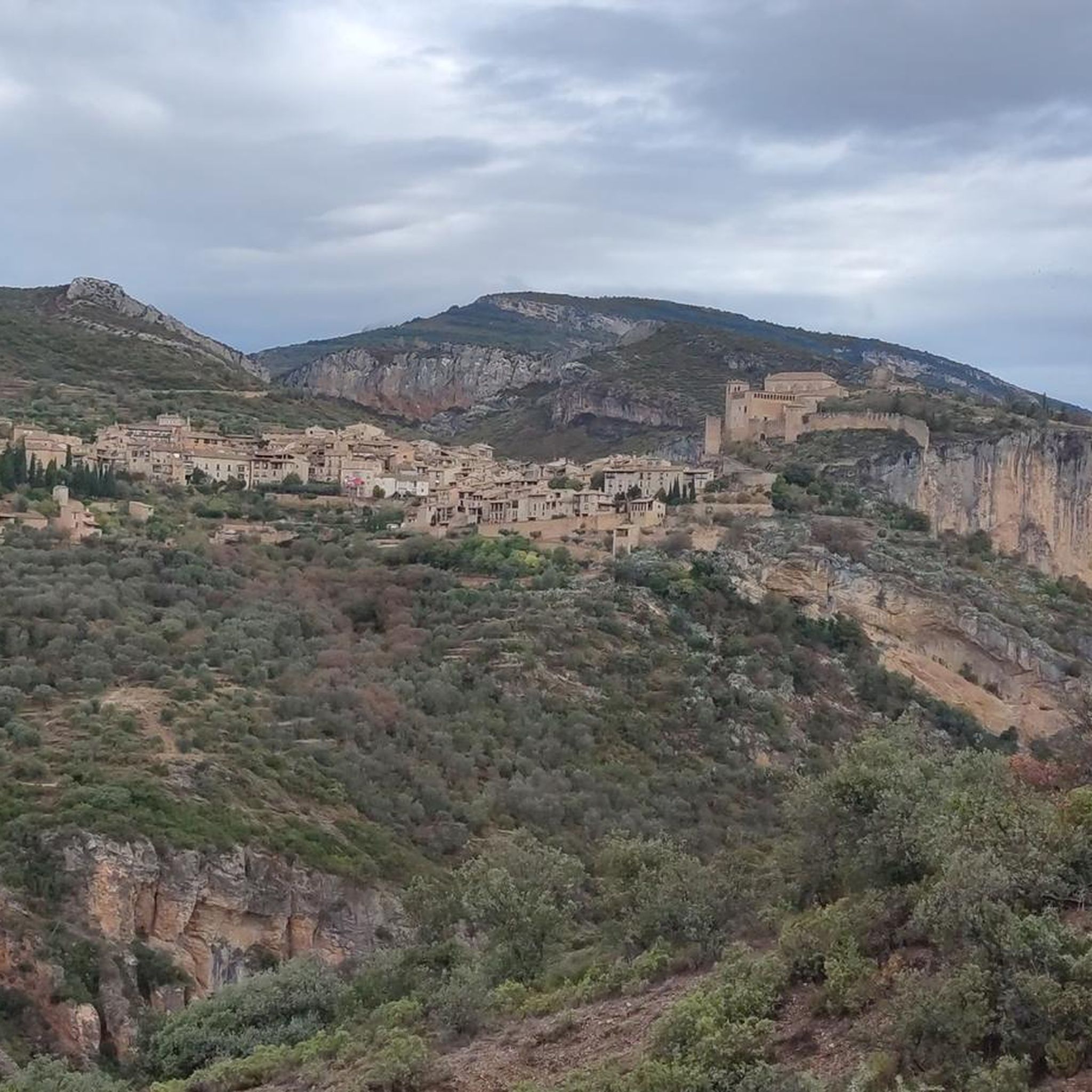
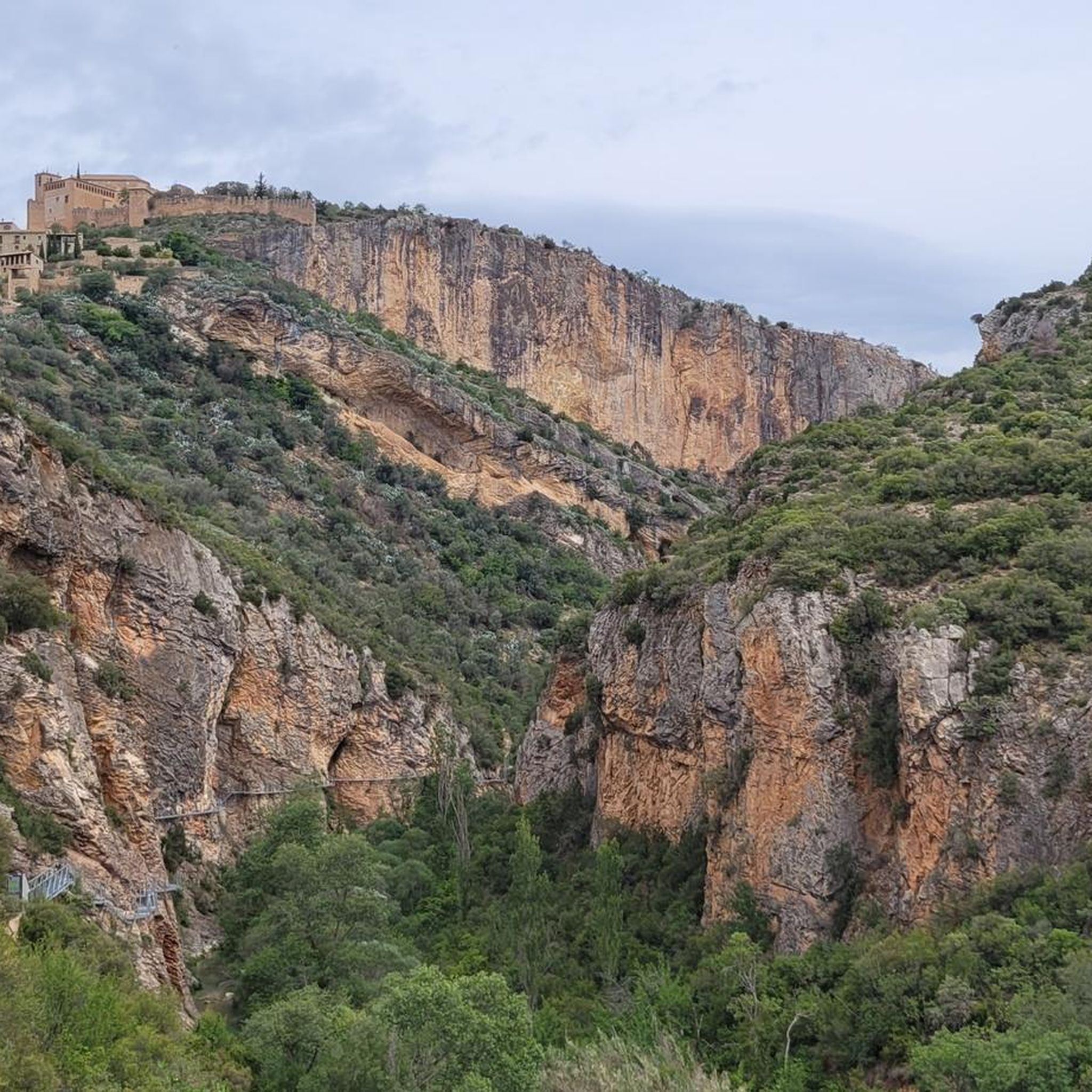
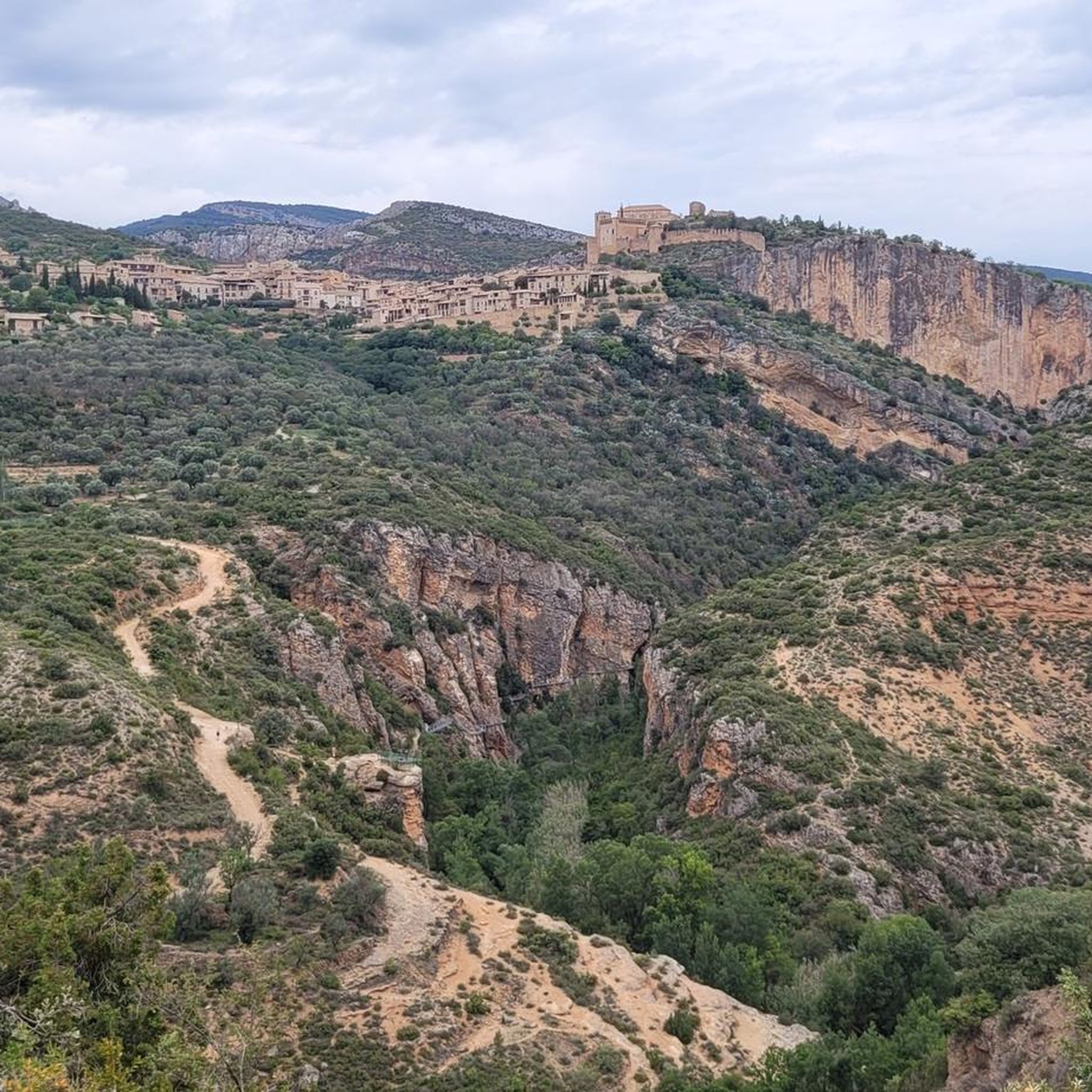
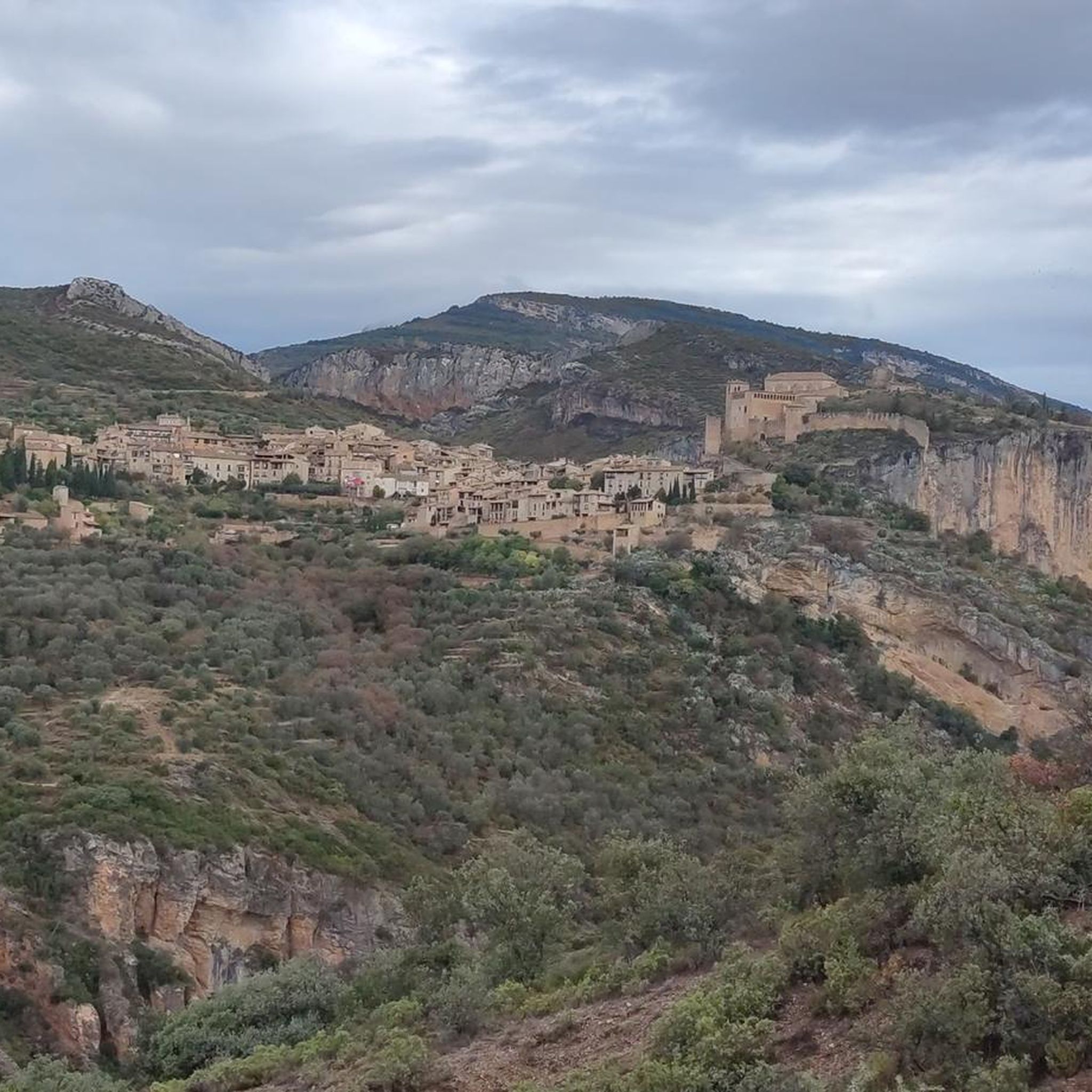
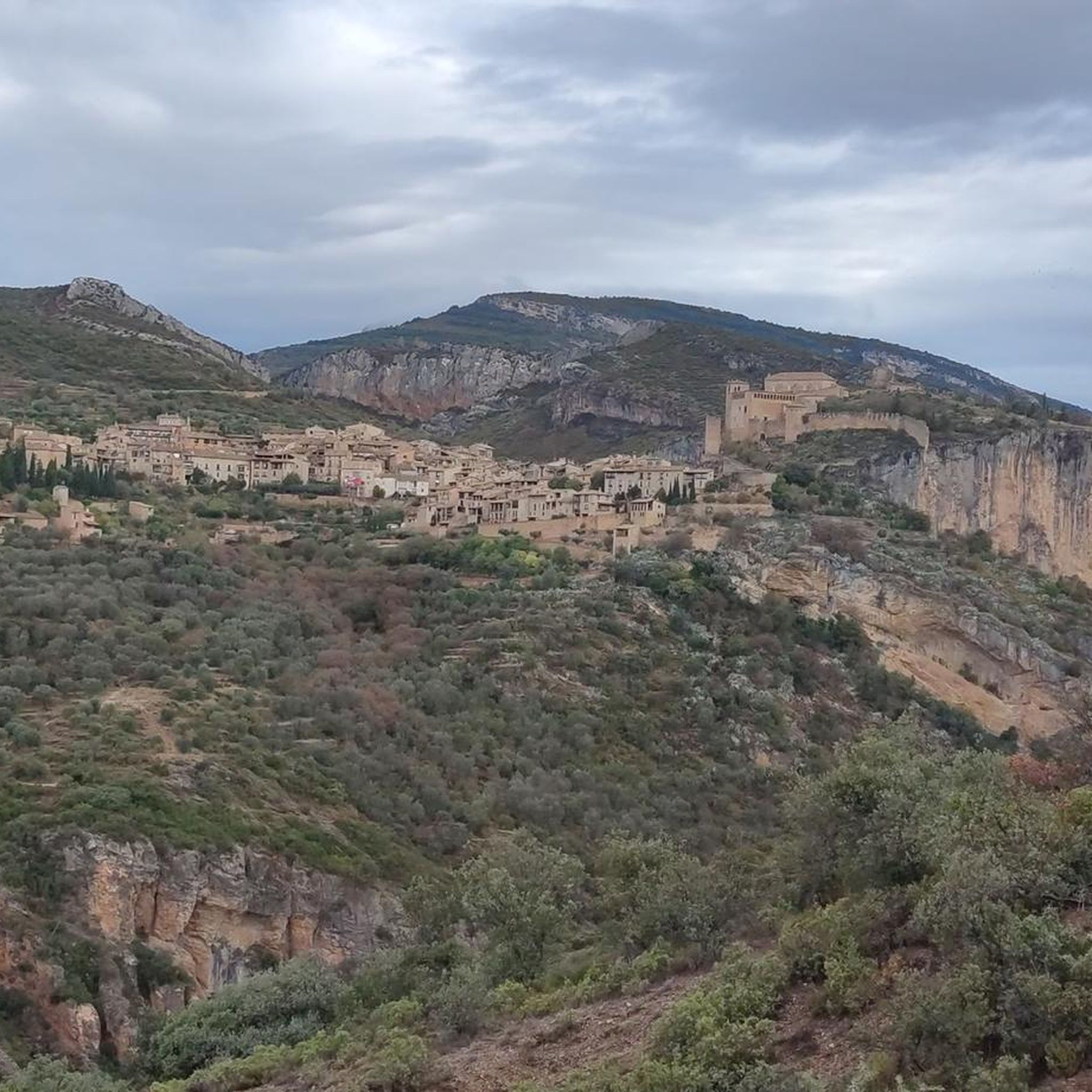
Alquézar, one of the most beautiful towns on the peninsula.
0
0

Built between 1681 and 1709... on the site of a demolished temple. The architect in charge of this construction was Marco Antonio Sobrarías Zeferino. Style: Gothic/Neo-Gothic
0
0


A route without too much difficulty, except for the last descent located before the small bridge.
0
0

More interesting in the morning, because in the afternoon it soon runs out of light.
4
0
A very nice church in the restaurant area.
4
0
Frequently Asked Questions
What historical and cultural sites can I visit around Santa María de Dulcis?
The most significant cultural and religious site is the Santuario de Santa María de Dulcis, known for its 17th-century Aragonese Baroque exterior and rich Mudejar-influenced interior. Other notable historical sites include the Church of San Miguel, a prominent landmark in the Alquézar area, and the 16th-century Puente de Villacantal, which crosses the Vero River. You can also explore the medieval-inspired parish church of San Juan in Buera and the traditional earth and stone houses of Huerta de Vero.
Are there any natural attractions or viewpoints in the area?
Yes, the area offers beautiful natural settings. You can visit the Bosque de los Olivos near the Santuario de Santa María de Dulcis, which showcases various olive tree varieties. The region is also part of the Cultural Park of Río Vero. For stunning views, the area around the sanctuary features fields of almond trees, cereals, and vineyards, creating a delightful landscape. The Salto de Bierge, a nine-meter-high waterfall on the Río Alcanadre, is a popular spot for its natural beauty.
What outdoor activities are available near Santa María de Dulcis?
The region is excellent for outdoor enthusiasts. You can find numerous routes for hiking, cycling, and mountain biking. For example, there are moderate cycling routes like the 'Albarda Medieval Bridge loop from Santa María de Dulcis' and various hiking trails, including the 'Picamartillo Cave – Walkways Over the Vero River loop from Alquézar' which is an easy option. Mountain biking trails like the 'Somontano Wine Route' also offer scenic rides. You can explore more options on the hiking, cycling, and MTB guides for the area.
What are the villages of Buera and Huerta de Vero like?
These two villages form the municipality of Santa María de Dulcis. Buera is situated on flat terrain and features the medieval-inspired parish church of San Juan. Huerta de Vero, located by the Vero River, is known as a 'vergel' (lush garden) with traditional earth and stone houses, some boasting geometric doorways and paved courtyards. You can also find vestiges of old mills and bridges along the riverbanks.
Is the Santuario de Santa María de Dulcis important for local traditions?
Yes, the Santuario de Santa María de Dulcis holds significant cultural and traditional importance. It serves as an important pilgrimage center, especially in early May, drawing people from neighboring villages. Local tradition states that the Virgin Mary appeared here on a honeycomb, and it is believed to offer protection against throat illnesses. Children's tongues are traditionally anointed with the sanctuary's oil to help them learn to speak quickly and eloquently.
What is the best time of year to visit Santa María de Dulcis?
The region's natural beauty, with its fields of almond trees, cereals, and vineyards, suggests that spring (when almond trees are in bloom) and early summer would be particularly pleasant for enjoying the landscapes and outdoor activities. Early May is also significant for the traditional pilgrimage to the Santuario de Santa María de Dulcis.
Are there any traditional festivities or events in the area?
The area celebrates several traditional festivities. Major festivals with traditional 'rondas' are held in late August. In January, bonfires are lit in honor of San Fabián and San Sebastián. Additionally, in May, Huerta de Vero honors San Isidro with a traditional bean stew, offering a glimpse into local customs and community life.
What is the significance of the Puente de Villacantal?
The Puente de Villacantal is a 16th-century bridge that historically allowed passage over the Vero River for paths descending from Sobrarbe to Barbastro. It is located at the exit of the Vero canyon, and its presence significantly enhances the beauty of this environment, making it one of the most spectacular spots in Guara Somontano.
Can I find any ancient ruins or historical remnants in the area?
Near the Santuario de Santa María de Dulcis, you can find vestiges of an older building known as 'La Casa,' which include a cistern and parts of the original walls. These remnants offer a glimpse into the historical complex that once existed on the site. Additionally, the Beautiful Hermitage of Treviño is a late-Romanesque construction with medieval mural remains.
What makes Alquézar a popular attraction near Santa María de Dulcis?
Alquézar is a highly regarded village, often described as one of the most beautiful in the region. It features a majestic Colegiata (collegiate church) declared a National Monument and a medieval urban layout that is a Historic-Artistic Site. Perched on a cliff, it offers impressive views and is a gateway to the Sierra y Cañones de Guara Natural Park, known for canyoning and numerous hiking routes.
What kind of landscape can I expect around the Santuario de Santa María de Dulcis?
The landscape around the Santuario de Santa María de Dulcis is characterized by beautiful fields of almond trees, cereals, and vineyards. It's also rich in wild flora like gorse, rosemary, and thyme, making it suitable for beekeeping. The natural environment, with its oak and gall-oak trees, creates a delightful setting where nature, art, and tradition converge.
Most popular routes around Santa María De Dulcis
Most popular attractions around Santa María De Dulcis

Get inspired with the komoot mobile app


Explore more
Still not found the Highlight you’re looking for? See guides of the top attractions in other regions:
