Attractions and Places To See around Tarazona - Top 20
Attractions and places to see around Tarazona, located in the Aragón region of Spain, offer a blend of historical and natural sites. The city is situated at the foot of the Moncayo mountain and built above the Queiles River. Tarazona is recognized for its Mudéjar architecture and a history influenced by Christian, Jewish, and Muslim cultures. This area provides diverse points of interest for exploration.
Best attractions and places to see around Tarazona
- The most popular attractions is Moncayo Summit, a summit located within the Moncayo Natural Park. At 2,314.3 meters, it is the highest point of the Iberian System, offering panoramic views and routes through an oak forest.
- Another must-see spot is Tarazona, a historical settlement with numerous monuments. The city features a cathedral that combines Gothic, Mudéjar, and Renaissance styles, alongside an imposing Renaissance town hall.
- Visitors also love Bocal Dam, a man-made monument and historic site. This 18th-century construction plays a role in regulating water and marks the beginning of the Imperial Canal of Aragon.
- Tarazona is known for its historical sites, religious buildings, and natural features. The region offers a variety of attractions to see and explore, from ancient architecture to mountain landscapes.
- The attractions around Tarazona are appreciated by the komoot community, with 41 upvotes and 42 photos shared by visitors.
Last updated: October 10, 2026
Moncayo Summit
Highlight • Summit
Translated by Google •
Tip by

Tarazona
Highlight • Settlement
Translated by Google •
Tip by

Sign up now to discover places like this
Get recommendations on the best single tracks, peaks, & plenty of other exciting outdoor places.
Bocal Dam
Highlight • Monument
Translated by Google •
Tip by

Snow Well of Prado de Santa Lucía
Highlight • Monument
Translated by Google •
Tip by
Borja
Highlight • Settlement
Translated by Google •
Tip by

Sign up for free to discover even more attractions around Tarazona.
Already have an account?
Start today with a free account
Your next adventure awaits.
Popular around Tarazona
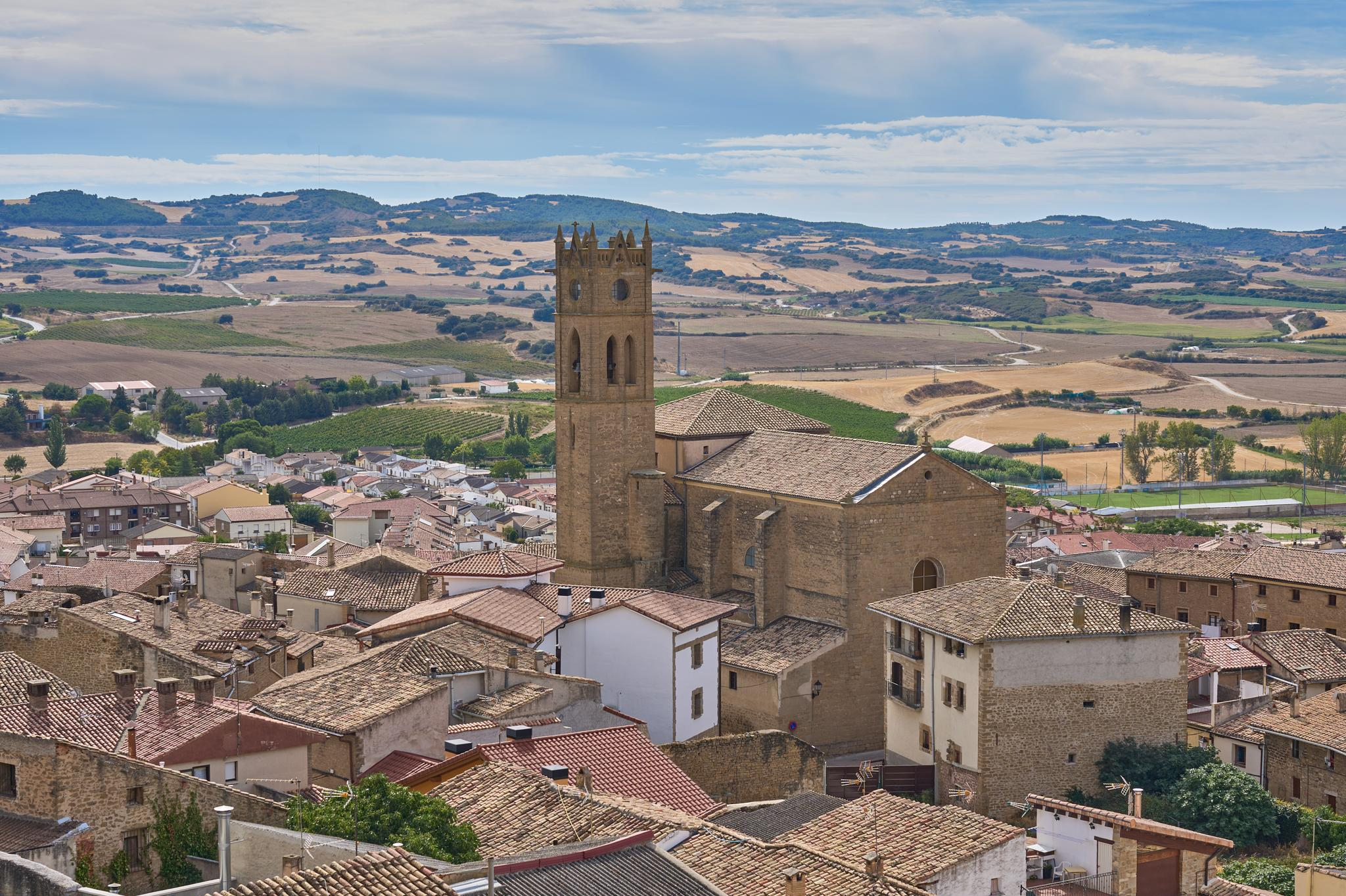
Path of the Templars — Path of the True Cross (GR 250)
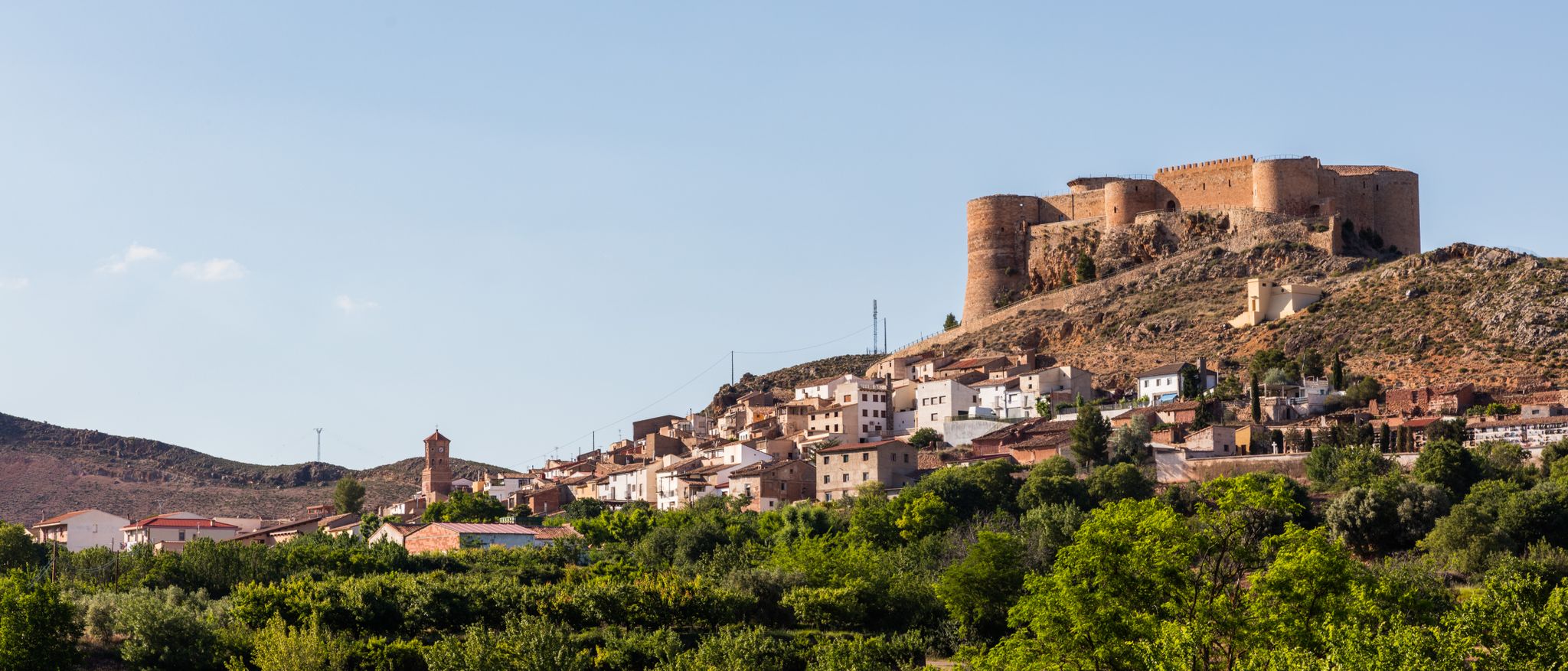
Moncayo to Daroca – Iberian Zaragoza Path (GR 90)
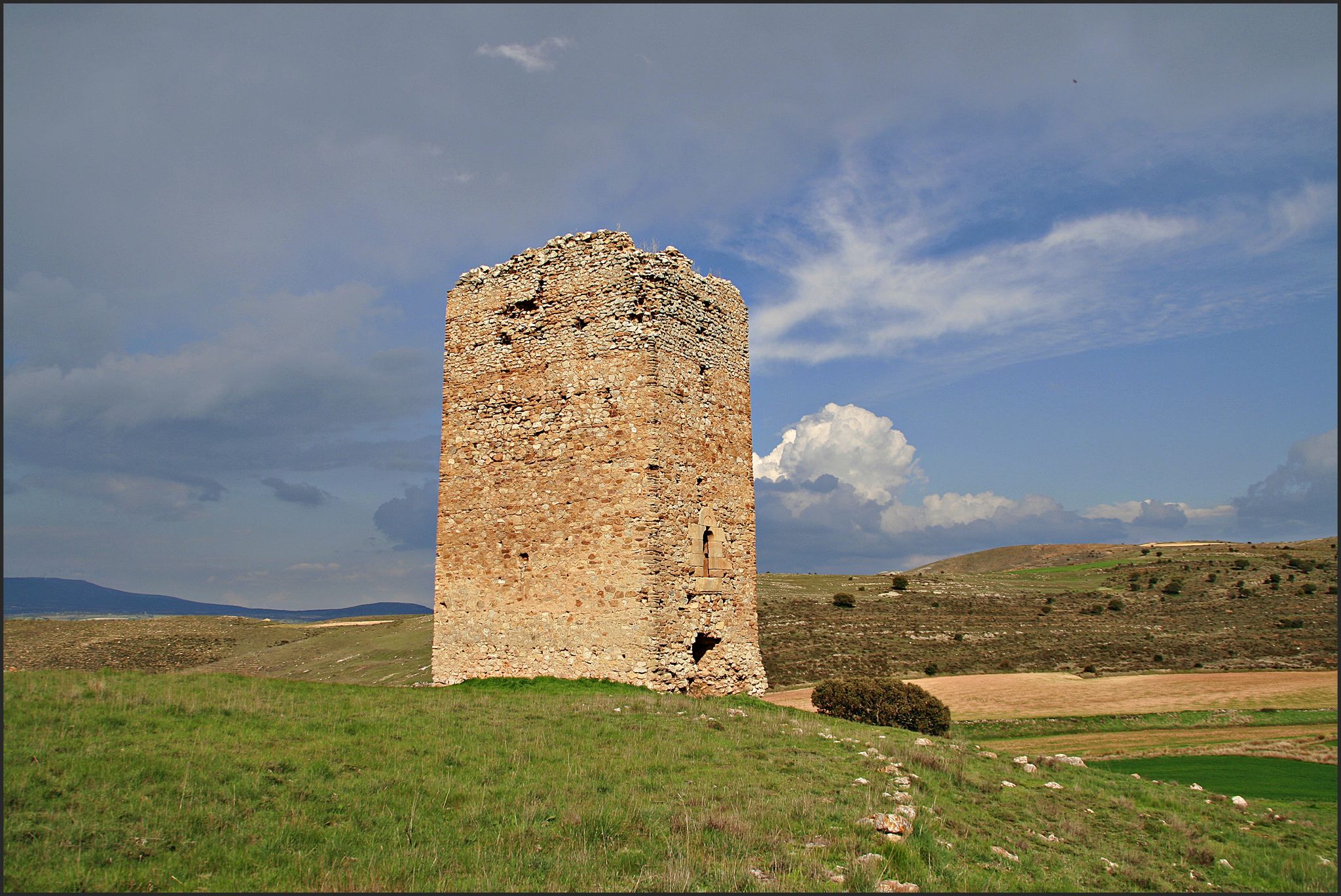
The Duero to the Ebro – Soriano Water Natural Trail
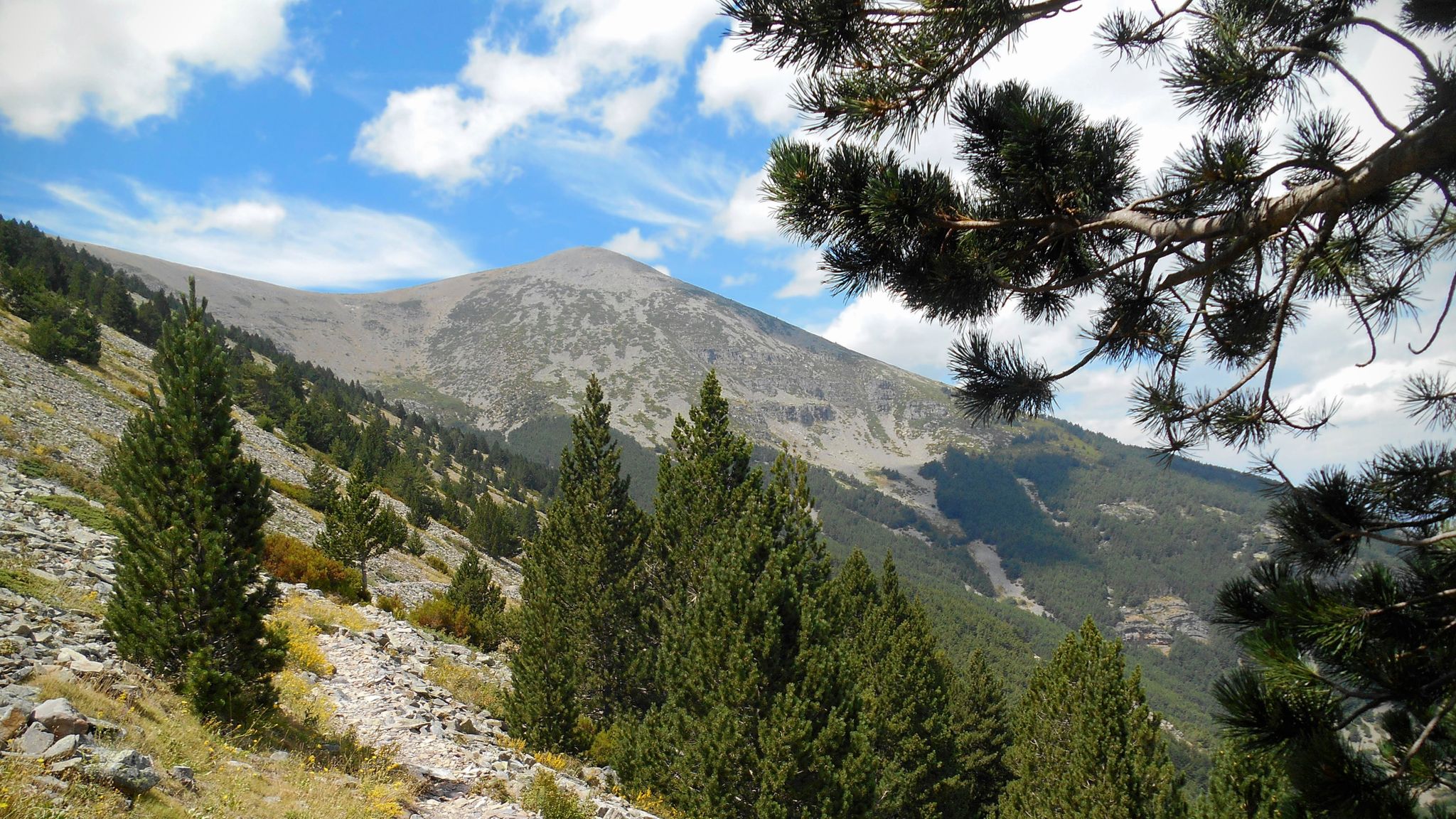
Beech forests and limestone cliffs – gravel of Moncayo
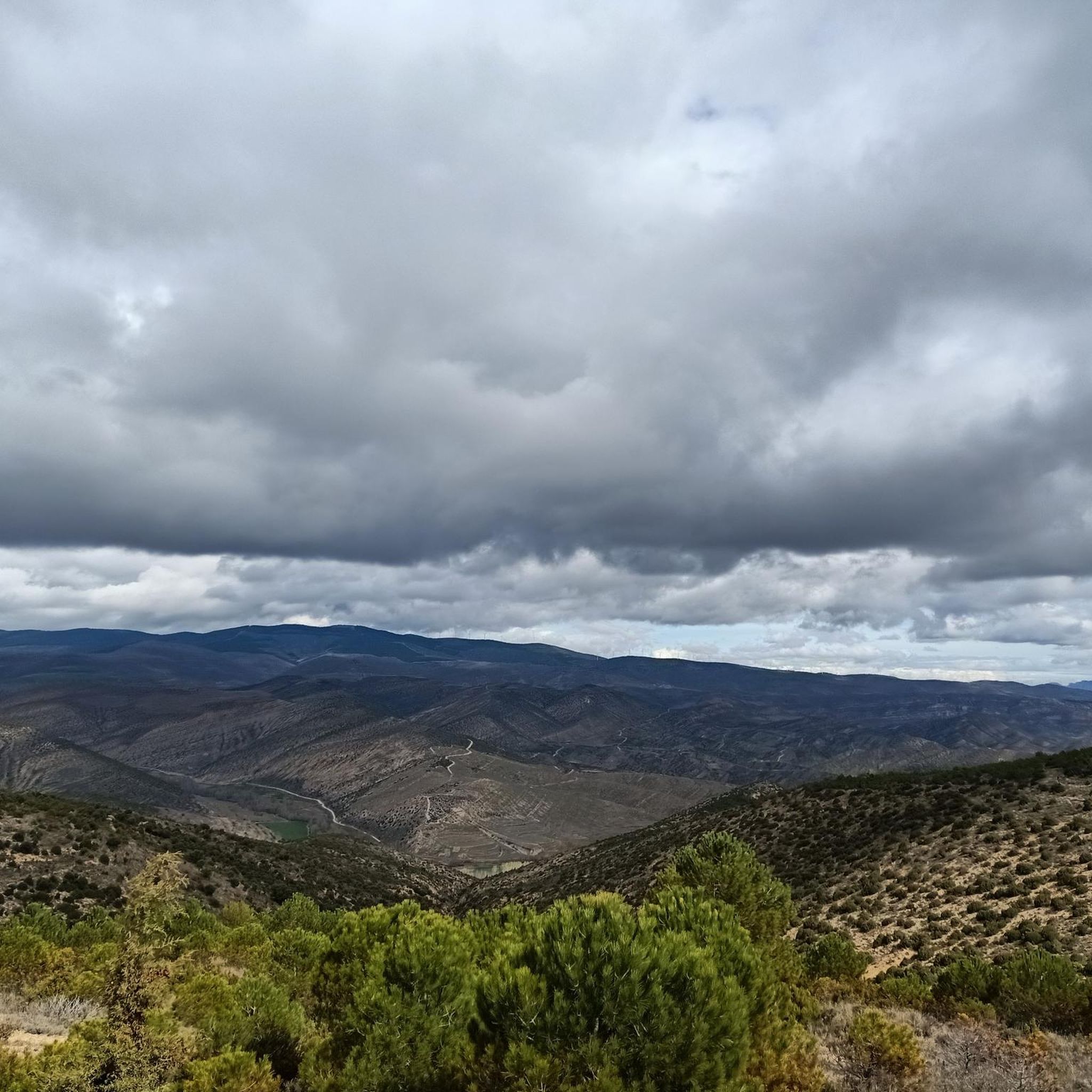
Hiking around Tarazona
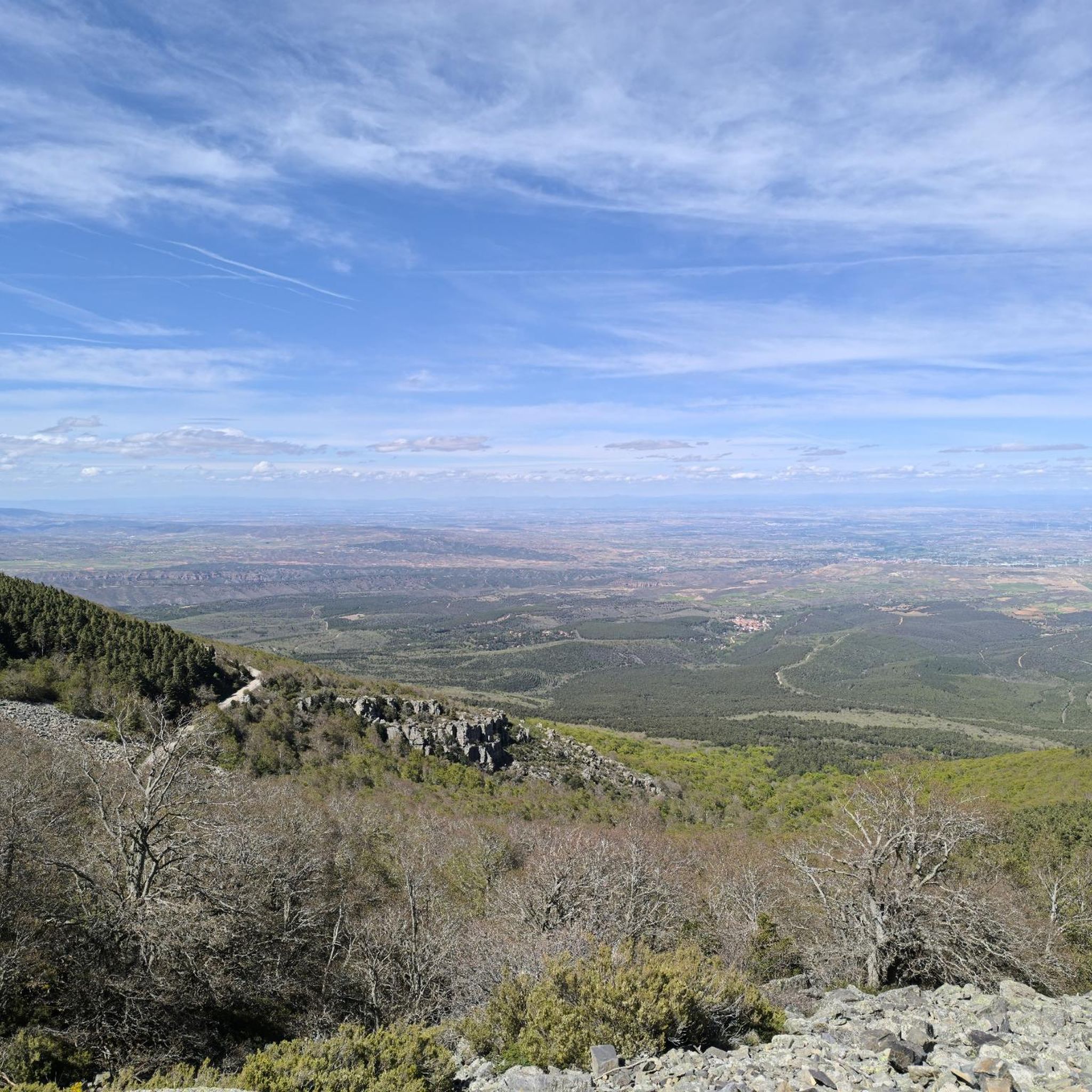
Road Cycling Routes around Tarazona
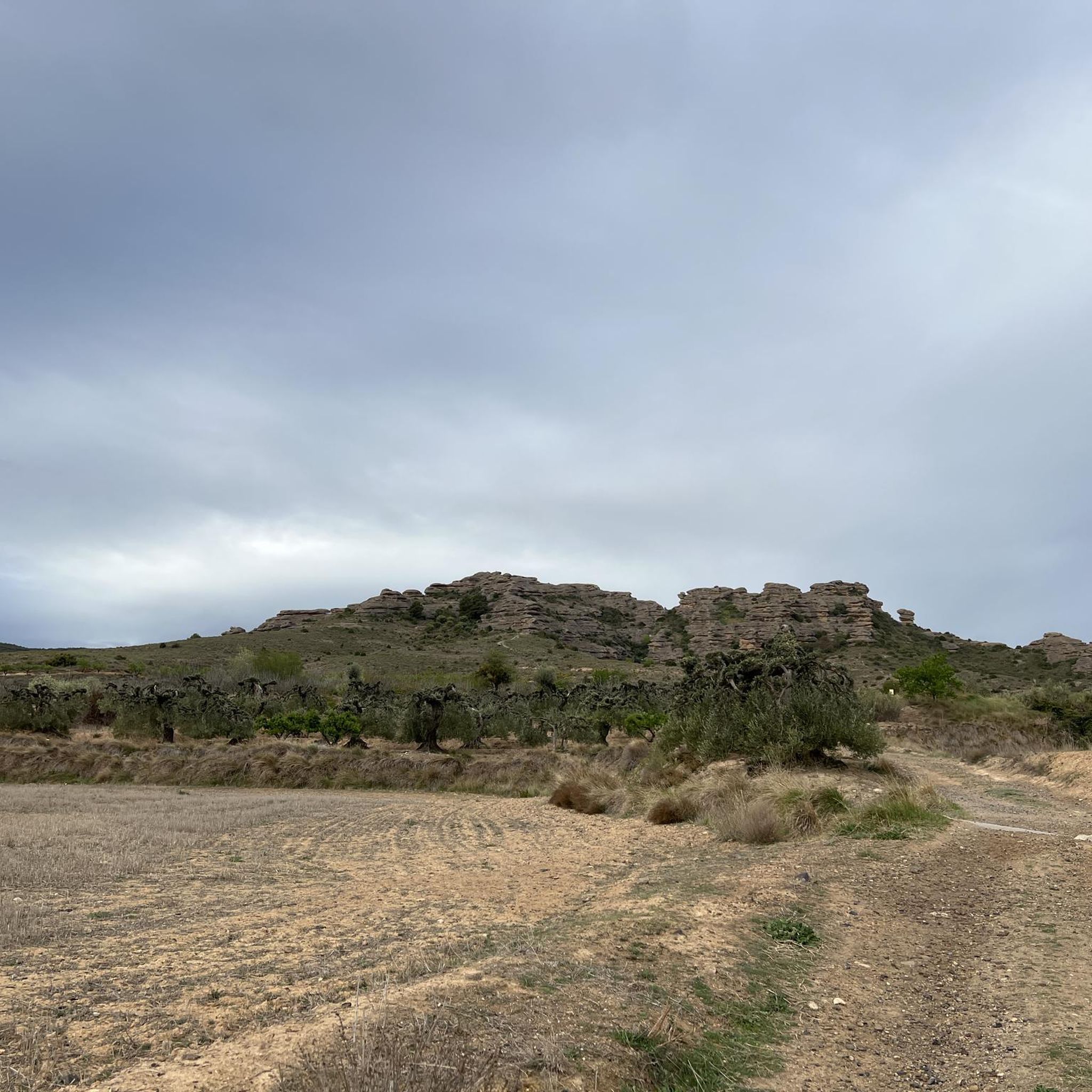
Running Trails around Tarazona
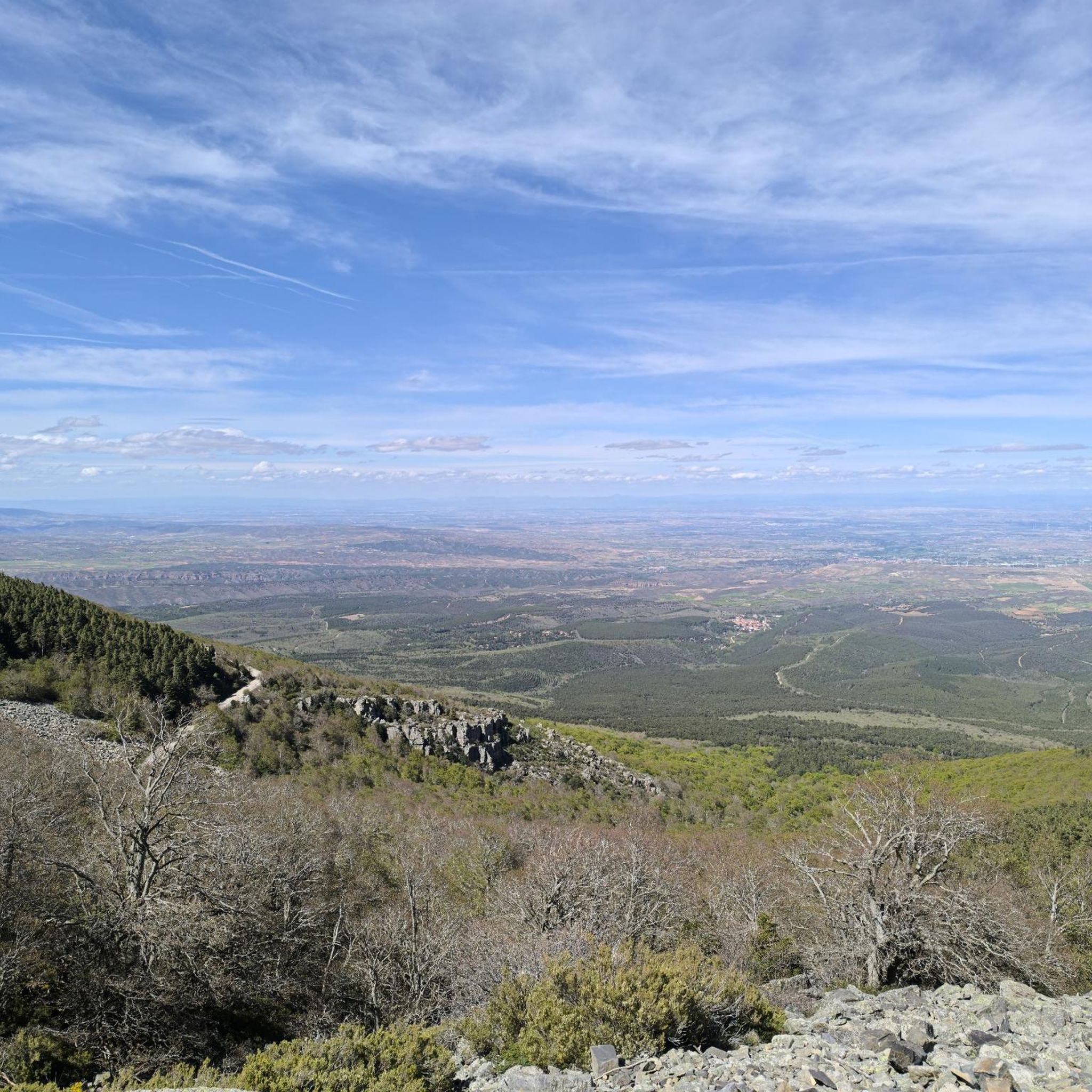
MTB Trails around Tarazona
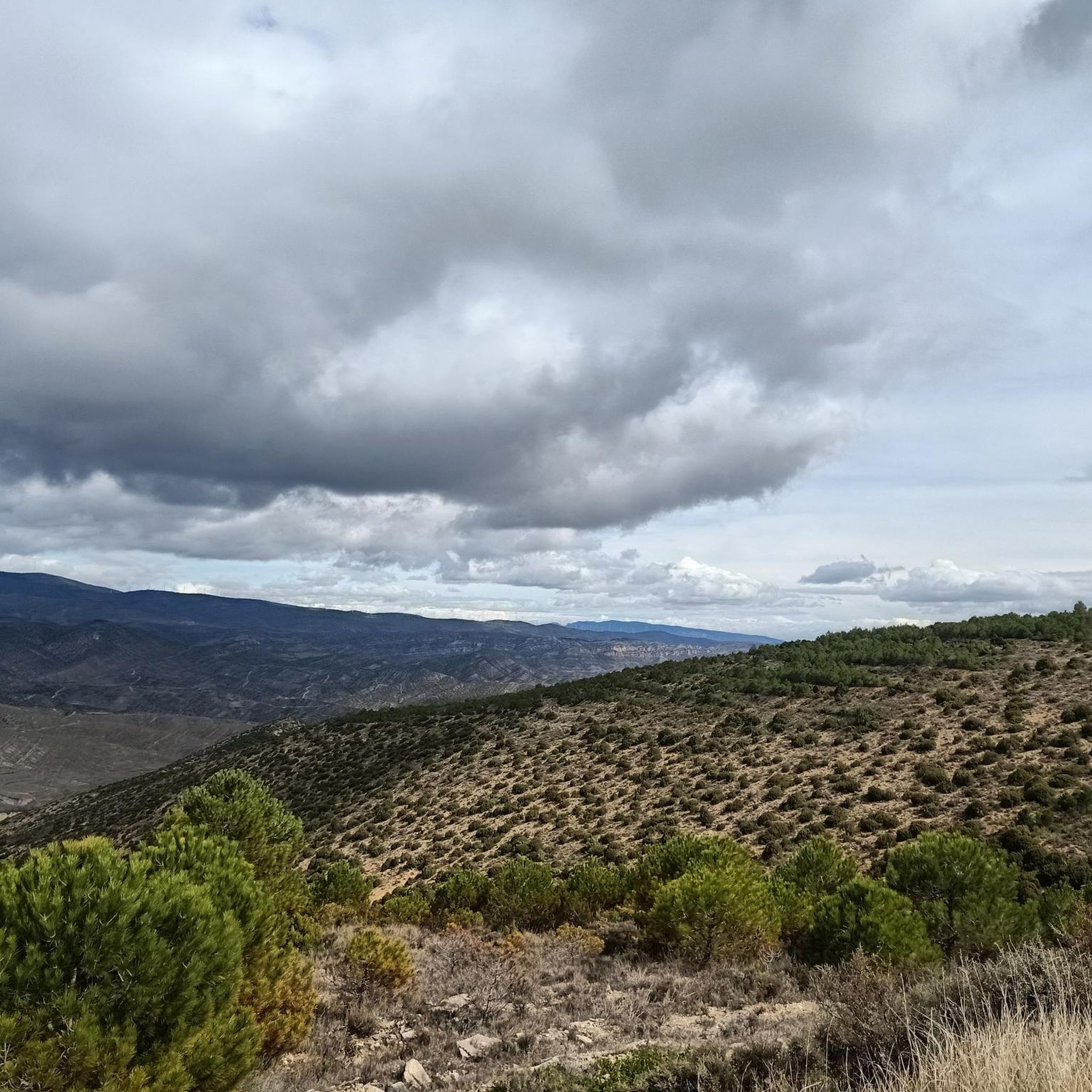
Cycling around Tarazona
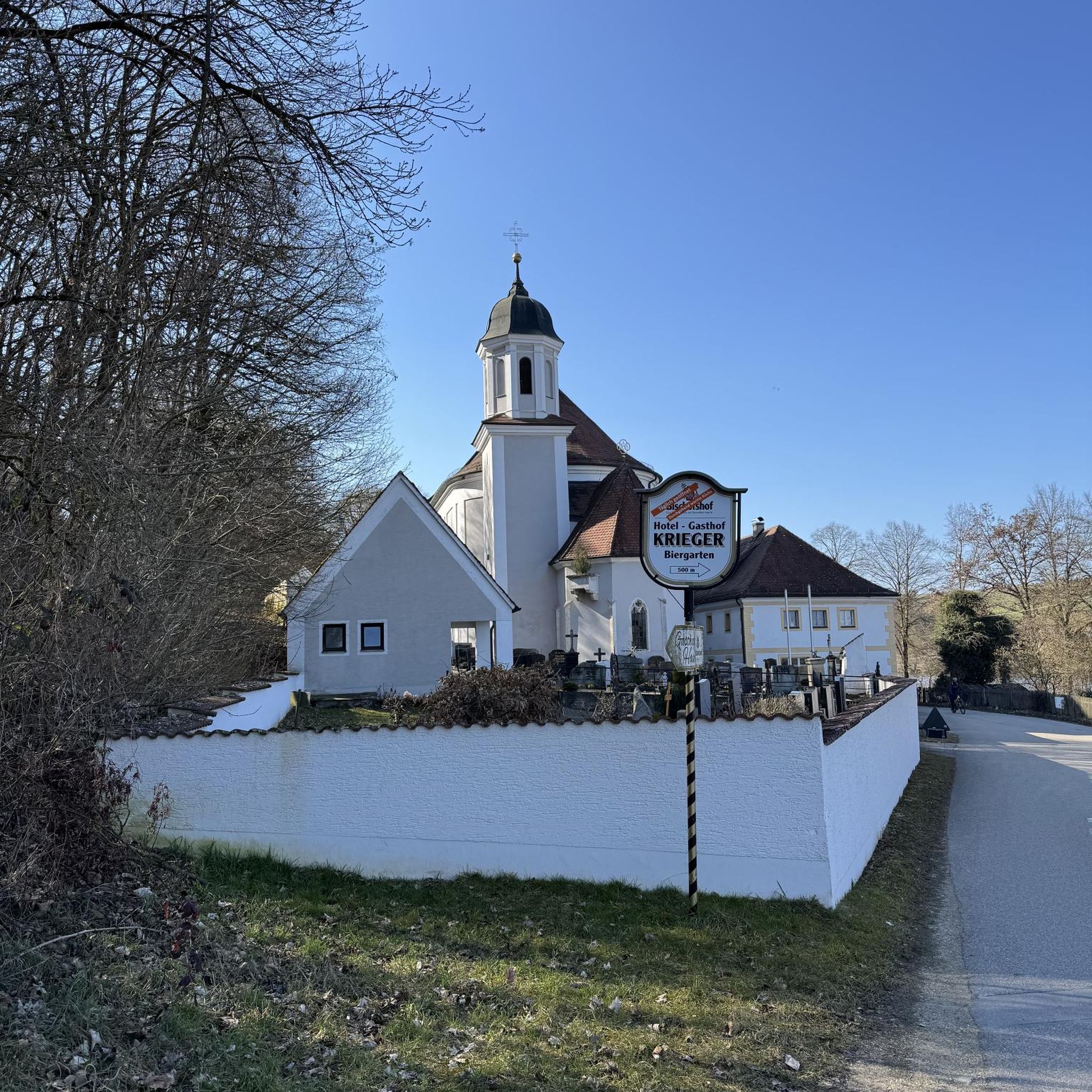
Gravel biking around Tarazona
Other adventures around Tarazona


Tips from the Community

The Prado de Santa Lucía Snow Well is located near San Martín de Moncayo, in the province of Zaragoza, within the natural setting of the Moncayo Natural Park. This well is a traditional construction formerly used to store snow during the winter, which was then compacted and preserved for medical, food, or refrigeration purposes during warmer seasons. It is a semi-buried structure with stone walls and a vaulted roof, designed to retain the cold for months.
1
0
The Bocal Dam, also known as El Bocal de Fontellas, is a historic and picturesque site located near Tudela, in the municipality of Fontellas. This dam marks the beginning of the Imperial Canal of Aragon, an important hydraulic engineering work of the 16th century.
2
0
The summit of Moncayo, also known as Pico San Miguel, is the highest mountain in the Iberian system, with an altitude of 2315 metres. It is located between the provinces of Zaragoza (Aragon) and Soria (Castile and Leon) in Spain. To reach the summit, many hikers start from the Sanctuary of the Virgin of Moncayo, located at 1621 metres. From there, the route passes through the Cucharón cirque and the San Miguel basin before reaching the summit. The route offers spectacular views and is especially popular in spring and summer.
5
0

Borja has been on the map since the 5th century BC, there are about 5000 inhabitants and the town offers several sights. Church of San Miquel, church Sante Maria, baroque monastery Santa Klara etc.
1
0
Borja has a pronounced continental climate with limited precipitation of 350 to 450 mm per year. Hail and frost are common in spring and a cold, dry northerly wind (the cierzo) is typical of the area.
4
0
Tarazona boasts of offering a wide list of monuments of incalculable artistic value. The cathedral is a unique example of a Gothic temple in which an exceptional Mudejar and Renaissance legacy coexists.
2
0

Moncayo never disappoints. From Cueva de Agreda the climb is longer and harder, but it is worth the sacrifice. The views from the summit, towards Aragon and towards Castilla, are impressive.
1
0

Not far from the 2315 meter high Moncayo is the small town of Tarazona. There is a lot to discover here. In addition to the three-story town hall, which is housed in an imposing Renaissance building with balconies and a loggia on the upper floor, the cathedral, which was built in the 12th century in the French Gothic style, is also worth a visit.
1
0
Frequently Asked Questions
What historical and architectural sites can I explore in Tarazona?
Tarazona is rich in history, showcasing a blend of Christian, Jewish, and Muslim influences. You can explore the city itself, which is a historical settlement with numerous monuments. Key sites include the magnificent Tarazona Cathedral, a unique example of Gothic, Mudéjar, and Renaissance styles. Don't miss the 16th-century Town Hall with its intricate façade, the Old Jewish Quarter with its narrow streets and 'hanging houses', and the Parish Church of La Magdalena, known for its prominent Mudéjar tower and panoramic views.
Are there any natural attractions or viewpoints near Tarazona?
Yes, Tarazona is situated at the foot of the imposing Moncayo mountain, offering excellent natural attractions. The most prominent is the Moncayo Summit, the highest point of the Iberian System, which provides splendid panoramic views and routes through a beautiful oak forest. The city is also built above the Queiles River, and the Queiles valley offers scenic walks. The 'Ruta Turística' walk from the city hall to the Church of Santa María Magdalena also provides fantastic views of the town and countryside.
What kind of outdoor activities can I do around Tarazona?
The region around Tarazona is ideal for various outdoor activities. You can find numerous hiking trails, including the 'Moncayo Circular Trail' and the 'Barranco de Castilla Trail', which are popular for exploring the Moncayo Natural Park. For cyclists, there are road cycling routes like 'The Balcony of El Buste' and 'Santa Cruz de Moncayo – Bar de Moncayo loop'. You can find more details on these activities and routes in the hiking guide, road cycling guide, and running trails guide for Tarazona.
Are there family-friendly attractions in the Tarazona area?
Absolutely. Many attractions around Tarazona are suitable for families. The historical settlement of Tarazona itself, with its unique architecture and charming streets, can be an engaging experience for all ages. The Bocal Dam is another family-friendly spot, offering an impressive landscape and historical context. Exploring the Moncayo Natural Park also provides opportunities for easy walks and enjoying nature together.
What is the Moncayo Natural Park known for?
Moncayo Natural Park, at the foot of which Tarazona lies, is known for its imposing Moncayo mountain, the highest point of the Iberian System. It offers picturesque walks through diverse landscapes, including beautiful oak forests, and routes leading to the shrine 'Virgen del Moncayo'. The park is also home to historical sites like the Snow Well of Prado de Santa Lucía, an ancient structure used for storing snow.
Can I visit any unique historical engineering marvels near Tarazona?
Yes, you can visit the Bocal Dam, an 18th-century construction that plays a fundamental role in regulating water and marks the beginning of the Imperial Canal of Aragon. This historic site offers an impressive landscape and insight into past hydraulic engineering.
What is the 'Tarazonica' Green Way?
The 'Tarazonica' Green Way is a scenic route that utilizes an old railway line between Tudela (Navarre) and Tarazona. It provides an excellent opportunity for cycling or walking through the picturesque landscape, offering a different perspective of the region's natural beauty.
Are there any notable religious sites to visit?
Tarazona is home to several significant religious sites. The Tarazona Cathedral is a must-see, renowned for its unique blend of Gothic, Mudéjar, and Renaissance styles. The Parish Church of La Magdalena, with its distinctive Mudéjar tower, is another key landmark. Further afield, about 15 kilometers southeast, you can visit the 12th-century Cistercian Monastery of Veruela, considered one of the best in Aragón.
What is unique about the Old Tarazona Bullring?
The Old Tarazona Bullring (Plaza de Toros Vieja) is a truly unique 18th-century polygonal bullring. What makes it stand out is that it is formed by houses that are still inhabited today, offering a fascinating glimpse into historical architecture and community living.
What do visitors particularly enjoy about the attractions around Tarazona?
Visitors frequently appreciate the blend of historical and natural sites. The panoramic views from the Moncayo Summit and the beautiful oak forests are often highlighted. The rich artistic value and unique architectural styles, especially the Mudéjar and Renaissance elements of the Tarazona Cathedral and Town Hall, also receive high praise. The historical significance of sites like the Snow Well of Prado de Santa Lucía and the Bocal Dam also captivate those interested in history and engineering.
Is there a historic town nearby that offers additional sights?
Yes, the town of Borja, located in the Campo de Borja region, is another historical settlement worth visiting. It features the Castillo de la Zuda, which overlooks the municipality, and several other sights including the Church of San Miquel and the Church Santa Maria.
Most popular routes around Tarazona
Most popular attractions around Tarazona

Get inspired with the komoot mobile app


Explore more
Still not found the Highlight you’re looking for? See guides of the top attractions in other regions:
