The best road cycling routes around Oncala
79
riders
11
rides
Road cycling routes around Oncala are situated in the Soria province of Castile and León, Spain, a region characterized by diverse and well-preserved natural sites. The terrain offers a mix of soaring mountains, river valleys, and forests, providing varied cycling experiences with significant elevation changes. Cyclists can expect low-traffic, scenic roads through rural environments, making it suitable for different fitness levels and cycling preferences.
Best road cycling routes around Oncala
- The most popular road cycling route is Sierra de Alcarama…
Last updated: June 28, 2026
8
riders
124km
06:12
2,050m
2,050m
This difficult 76.9-mile (123.7 km) road cycling route through the Valles del Leza Biosphere Reserve offers varied terrain and scenic views.
32
riders
73.9km
03:25
870m
870m
Moderate road ride. Good fitness required. Mostly well-paved surfaces and easy to ride.

Sign up for free
12
riders
79.2km
04:00
1,290m
1,290m
Hard road ride. Very good fitness required. Mostly well-paved surfaces and easy to ride.
5
riders
43.7km
02:17
820m
820m
Moderate road ride. Good fitness required. Mostly well-paved surfaces and easy to ride.
4
riders
32.2km
01:36
510m
510m
Moderate road ride. Good fitness required. Mostly well-paved surfaces and easy to ride.
Get access to more routes and recommendations from other explorers.
Sign up for free
Already have an account?
Our route recommendations are based on thousands of hikes, rides, and runs completed by other people on komoot.
Start today with a free account
Your next adventure awaits.
Login or Signup
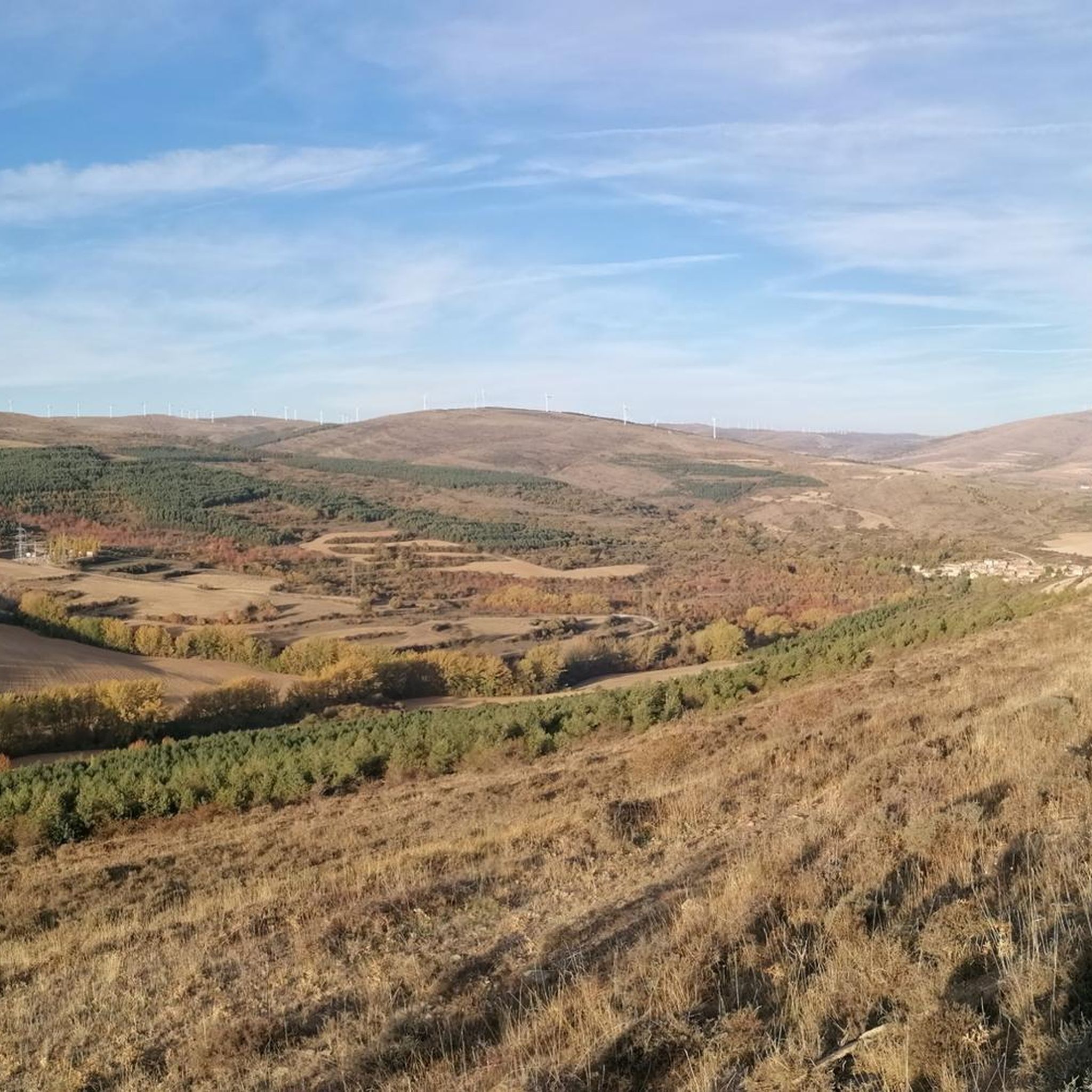

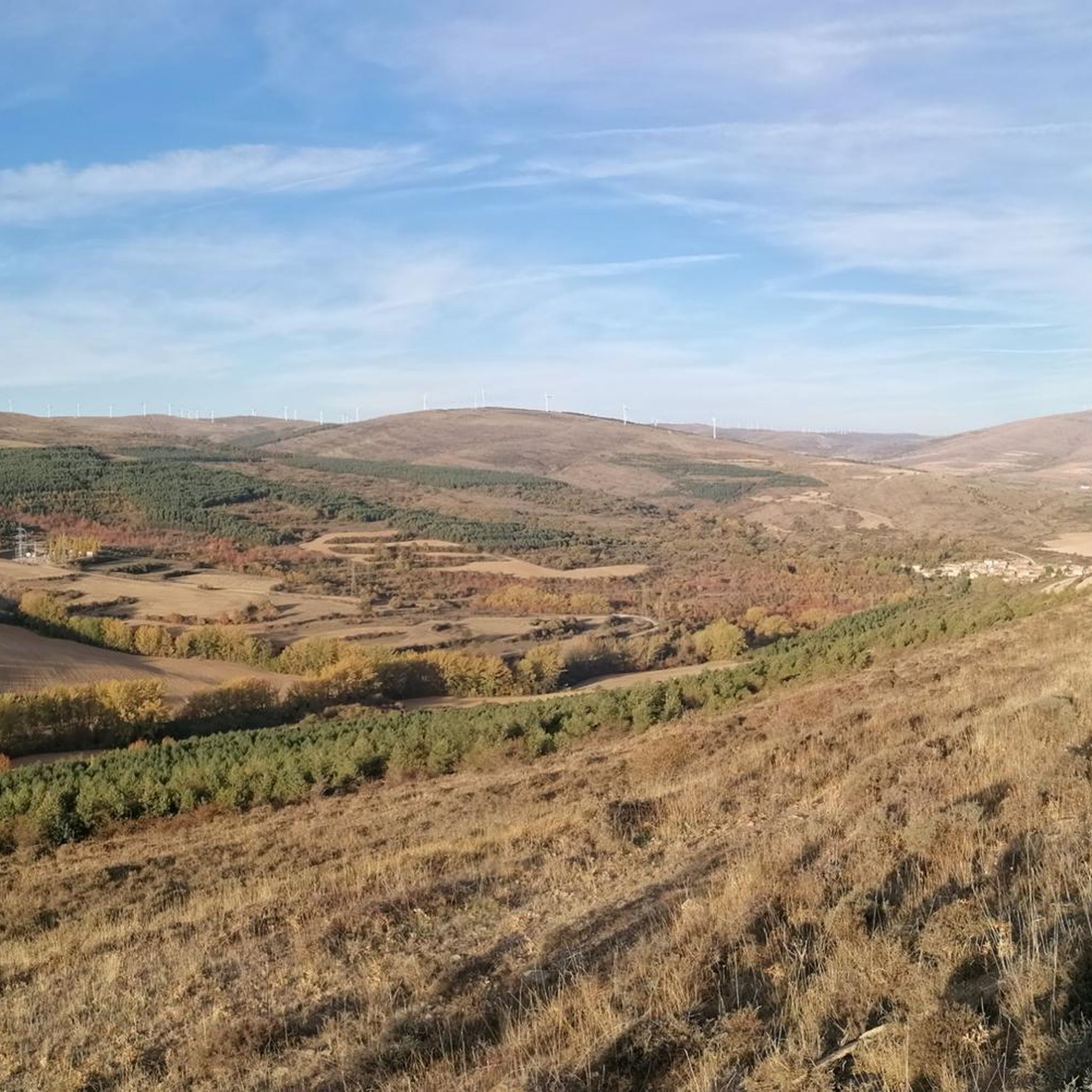
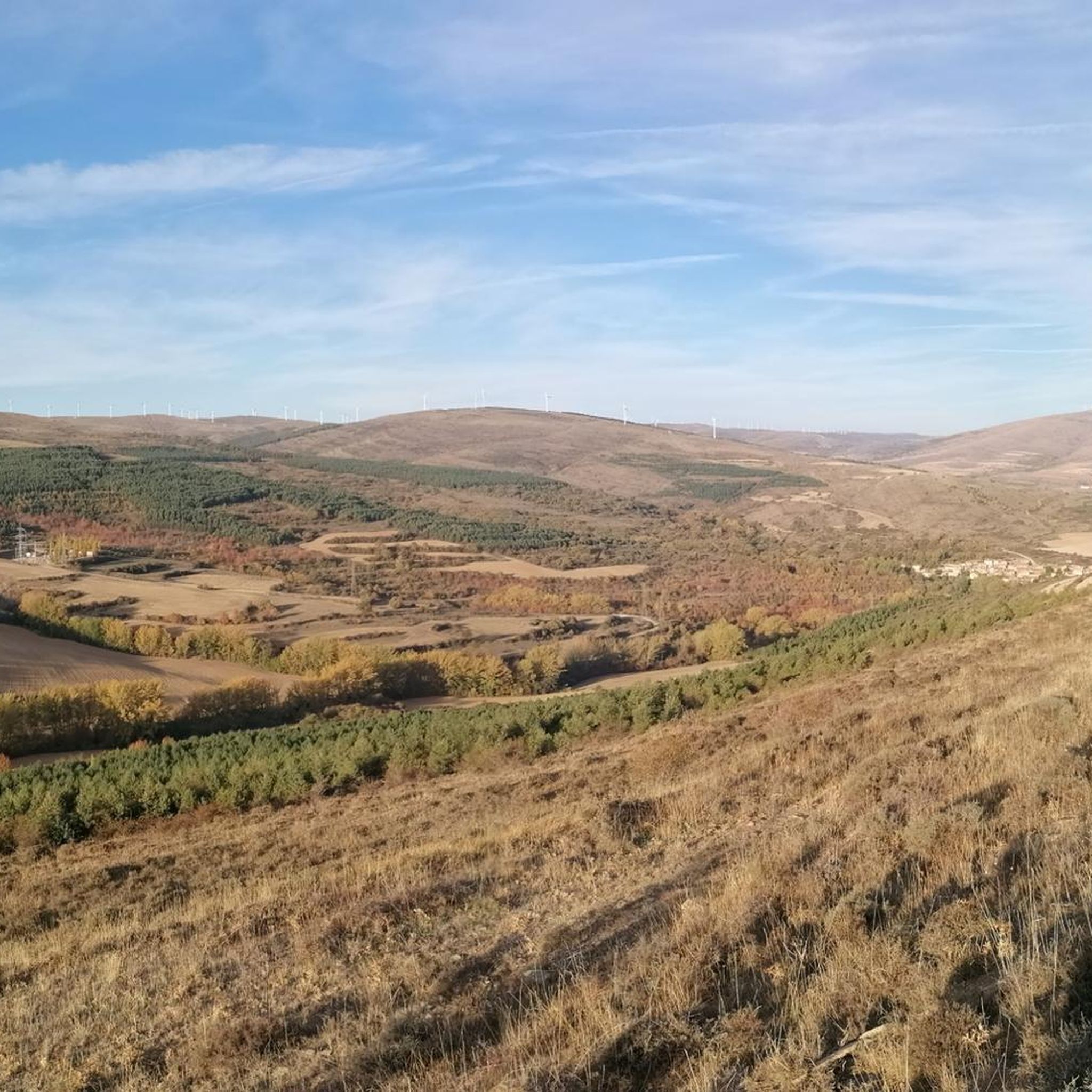
Tips from the Community

There is a fountain and a bar in the center of the village
0
0

Small and pretty town, area with lots of interesting mountain bike trails
0
0

Good port; the beautiful landscape brings you
0
0
there is a fountain and bar in the square
1
0

Santa Cruz de Yanguas is a municipality in Soria in the Tierras Altas region, community of Castilla y León. During the Middle Ages it was part of the Community of Villa y Tierra de Yanguas. It is located in the Baos River basin, and has important forest and mycological resources. The municipal area is part of the Urbión Regional Reserve, with a large presence of deer, roe deer, wild boar and woodcock. Of its heritage, the Roman bridge that spans the bed of the Baos River, the church of the Santísima Trinidad (16th century) in Gothic style and the hermitage of the Virgen del Pilar stand out. As in the rest of the region, you can find dinosaur footprints (ichnites).
2
0
San Pedro Manrique is a municipality in Soria in the Tierras Altas region, in the community of Castilla y León. Its origin dates back to the Celts, Vascones, Iberians and Romans. With the passage of time, other neighboring towns such as Sarnago, Las Fuentes de San Pedro, Matasejún, Palacio de San Pedro, Taniñe, Valdenegrillos and Ventosa de San Pedro have been incorporated into the municipal area. San Pedro Manrique is well known for his particular way of celebrating San Juan Day. On the night of San Juan the well-known "paso del fuego" is carried out, in which the embers of a bonfire are stepped on by the town's natives, barefoot and carrying someone on their backs. Among its heritage, the hermitage of the Virgen de la Peña, the church of San Miguel, the remains of a castle on the outskirts and the ruins of the convent of San Pedro el Viejo stand out.
0
0
Fuentes de Magaña is a town in Soria in the Tierras Altas region, in the community of Castilla y León. During the Middle Ages it was part of the Community of Villa y Tierra de Magaña. Of its heritage, the church of the Immaculate Conception and the hermitage of San Sebastián stand out. Just 200 meters from the town, to the south, you can see some dinosaur footprints, in the area known as the Miraflores ravine.
0
0
Magaña Castle is a medieval fortress located on a hill overlooking the town of the same name, in the province of Soria, Tierras Altas region, community of Castilla y León. It is believed to have been built during two stages throughout the 15th century. The inner enclosure would be built in the first stage, and the outer barrier in a second. Due to its architectural characteristics, it belongs to the typology of stately castle of the Valladolid school, very common in the north of Castile in the second half of the 15th century.
2
0
Frequently Asked Questions
How many road cycling routes are available around Oncala?
There are over 10 dedicated road cycling routes around Oncala, offering a variety of experiences for different skill levels. These routes are primarily categorized as moderate or difficult, providing diverse terrain through the Soria province.
What kind of terrain can I expect on road cycling routes near Oncala?
Road cycling routes around Oncala feature diverse and well-preserved natural sites, including soaring mountains, river valleys, and forests. You can expect both paved and unpaved sections, with routes often including significant elevation changes. The region is known for its low-traffic, scenic roads through tranquil rural environments.
Are there road cycling routes suitable for beginners or those looking for an easier ride?
While many routes around Oncala involve significant elevation, there are moderate options available. For example, the Aldealseñor – Church of Santo Domingo loop from Arévalo de la Sierra offers a balanced 45.9-mile ride through rural scenery, suitable for those seeking a less strenuous experience compared to the more difficult climbs.
What are some challenging road cycling routes for experienced cyclists?
Experienced cyclists looking for a challenge will find several difficult routes. The Sierra de Alcarama – Cornago Loop is a demanding 76.9-mile route with substantial elevation gain. Another challenging option is the Views of the Castillo de Magaña – Puerto de Oncala loop from Arévalo de la Sierra, which covers 49.3 miles through mountainous terrain with significant climbs.
Are there circular road cycling routes around Oncala?
Yes, many of the road cycling routes around Oncala are designed as loops, allowing you to start and finish in the same location. An example is the Santa Cruz de Yanguas loop from Oncala, a moderate 43.6-kilometer ride that returns to your starting point.
When is the best time of year for road cycling in Oncala?
The best time for road cycling in Oncala is generally during spring, summer, and early autumn. During these seasons, the region experiences mild temperatures and clear skies, making for ideal cycling conditions. Winters can be long and cold, so these months are typically less suitable.
What cultural or historical attractions can I explore near the road cycling routes?
Oncala and its surroundings offer rich cultural and historical sites. You can visit the Tapestry Museum in the Church of San Millán, which houses significant 17th-century tapestries, or the Shepherds' Museum, detailing the region's transhumance heritage. Nearby attractions include the Castle of la Nava del Marqués de Magaña and the historic settlement of San Pedro Manrique.
Are there any scenic viewpoints or hidden gems along the routes?
The region is full of scenic beauty. Many routes offer views of the mountainous landscapes and river valleys. The Views of the Castillo de Magaña – Puerto de Oncala loop from Arévalo de la Sierra specifically highlights the historic castle. Additionally, the Soria province is known for its unspoiled natural beauty, often referred to as a 'secret gravel paradise,' suggesting many hidden gems for road cyclists to discover.
Can I find places to eat or refuel along the road cycling routes?
The Soria region, including areas around Oncala, is known for its local gastronomy. You can find traditional products such as internationally awarded cheeses, butter, 'torreznos,' mushrooms, and black truffles. While specific cafe stops on routes are not detailed, exploring local villages like San Pedro Manrique will likely offer opportunities to refuel and enjoy regional culinary delights.
What makes Oncala a unique destination for road cycling?
Oncala stands out for its combination of low-traffic, scenic roads, diverse terrain ranging from river valleys to soaring mountains, and a rich cultural heritage. The region offers a tranquil cycling experience through rural Spain, allowing cyclists to explore historical sites and enjoy local gastronomy, all within a well-preserved natural environment.
Are there any specific natural features to look out for while cycling?
As you cycle around Oncala, you'll encounter diverse natural features characteristic of the Soria province. Keep an eye out for the varied landscapes of mountains, river valleys, and forests. The Río Montes Canyon Trail is a notable natural highlight in the vicinity, offering impressive geological formations.
Most popular routes around Oncala
Most popular attractions around Oncala

Get inspired with the komoot mobile app


Explore more
Browse the best Road cycling routes in other regions.
