Attractions and Places To See around Vilar De Canes - Top 18
Best attractions and places to see around Vilar De Canes, a tranquil municipality in the Alt Maestrat comarca of Castellón, offers a blend of historical landmarks and natural landscapes. The region is characterized by its agricultural heritage, featuring almond and olive trees. Visitors can explore traditional masías and significant religious sites. Its diverse terrain includes protected natural areas and scenic viewpoints.
Best attractions and places to see around Vilar De Canes
- The most popular attractions is Coll de la Bandereta, a mountain pass that offers picturesque landscapes. This pass is noted for its beautiful scenery and well-maintained asphalt roads.
- Another must-see spot is Puerto de la Serratella, a demanding mountain pass with comforting views. Visitors can expect magnificent views throughout the journey, especially from the top.
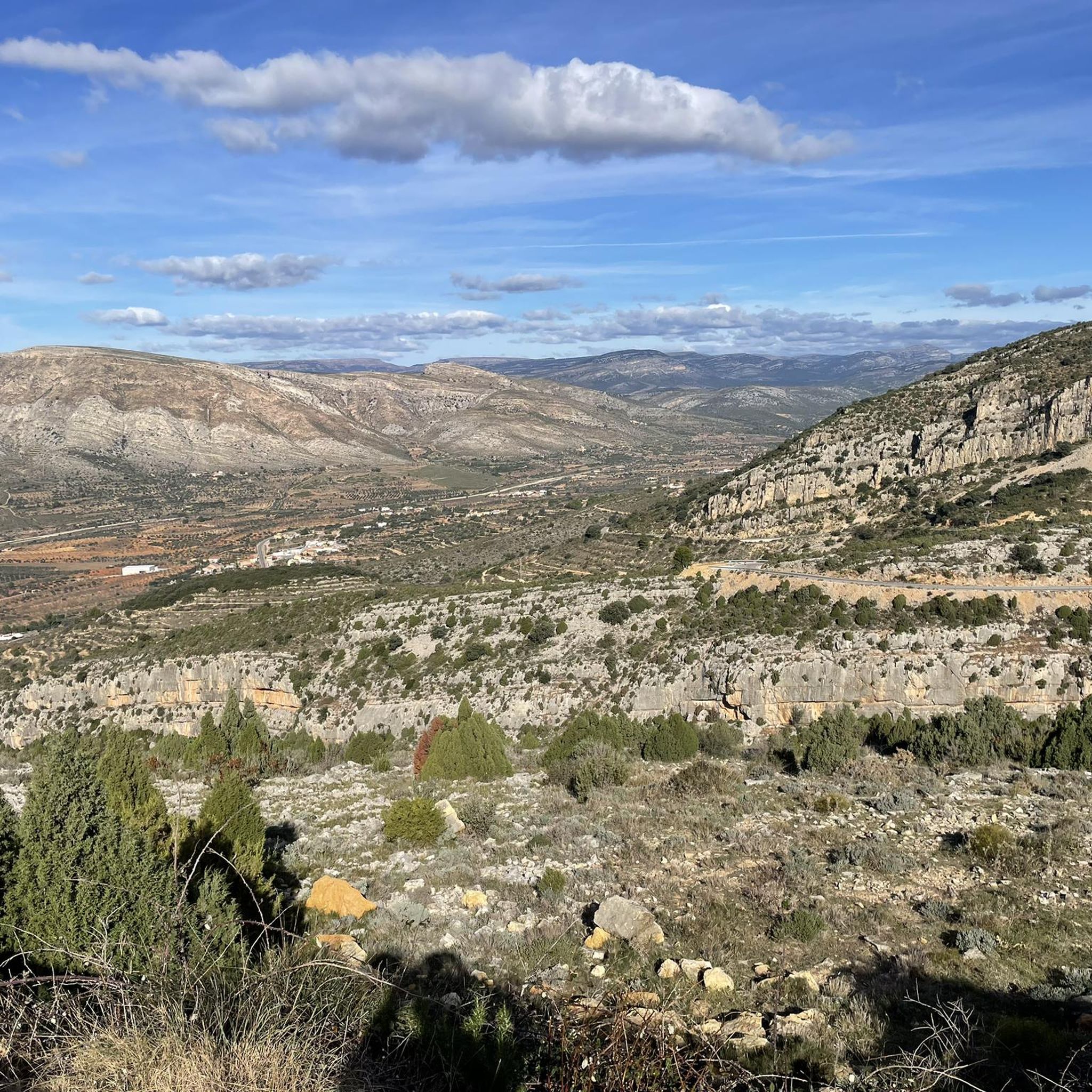
- Visitors also love Viewpoint of the Castle of Ares del Maestre, a viewpoint offering extensive vistas. This location provides spectacular views towards the valleys and mountains of Els Ports and Alt Maestrat.
- Vilar De Canes is known for its historical sites, natural features, and traditional architecture. The area offers a variety of attractions to see and explore, from ancient watchtower ruins to protected flora micro-reserves.
- The attractions around Vilar De Canes are appreciated by the komoot community, with 34 upvotes and 11 photos shared by visitors.
Last updated: July 7, 2026
Bandereta Pass
Highlight • Mountain Pass
Showing Translation
Tip by

Puerto de la Serratella
Highlight (Segment) • Mountain Pass
Showing Translation
Tip by
Sign up now to discover places like this
Get recommendations on the best single tracks, peaks, & plenty of other exciting outdoor places.
Sign up for free
Culla Historic Village
Highlight • Historical Site
Translated by Google •
Tip by

Viewpoint of the Castle of Ares del Maestre
Highlight • Viewpoint
A few meters away you will find the ruins of the old castle, also an archaeological site since remains of the Iberian civilization and fragments of the Moorish walls have been found. All these elements and history made Ares del Maestre a military camp in the Middle Ages.
Translated by Google •
Tip by
Hermitage of Saint John Nepomucene
Highlight • Religious Site
Showing Translation
Tip by

Sign up for free to discover even more attractions around Vilar De Canes.
Sign up for free
Already have an account?
Start today with a free account
Your next adventure awaits.
Login or Signup
Tips from the Community

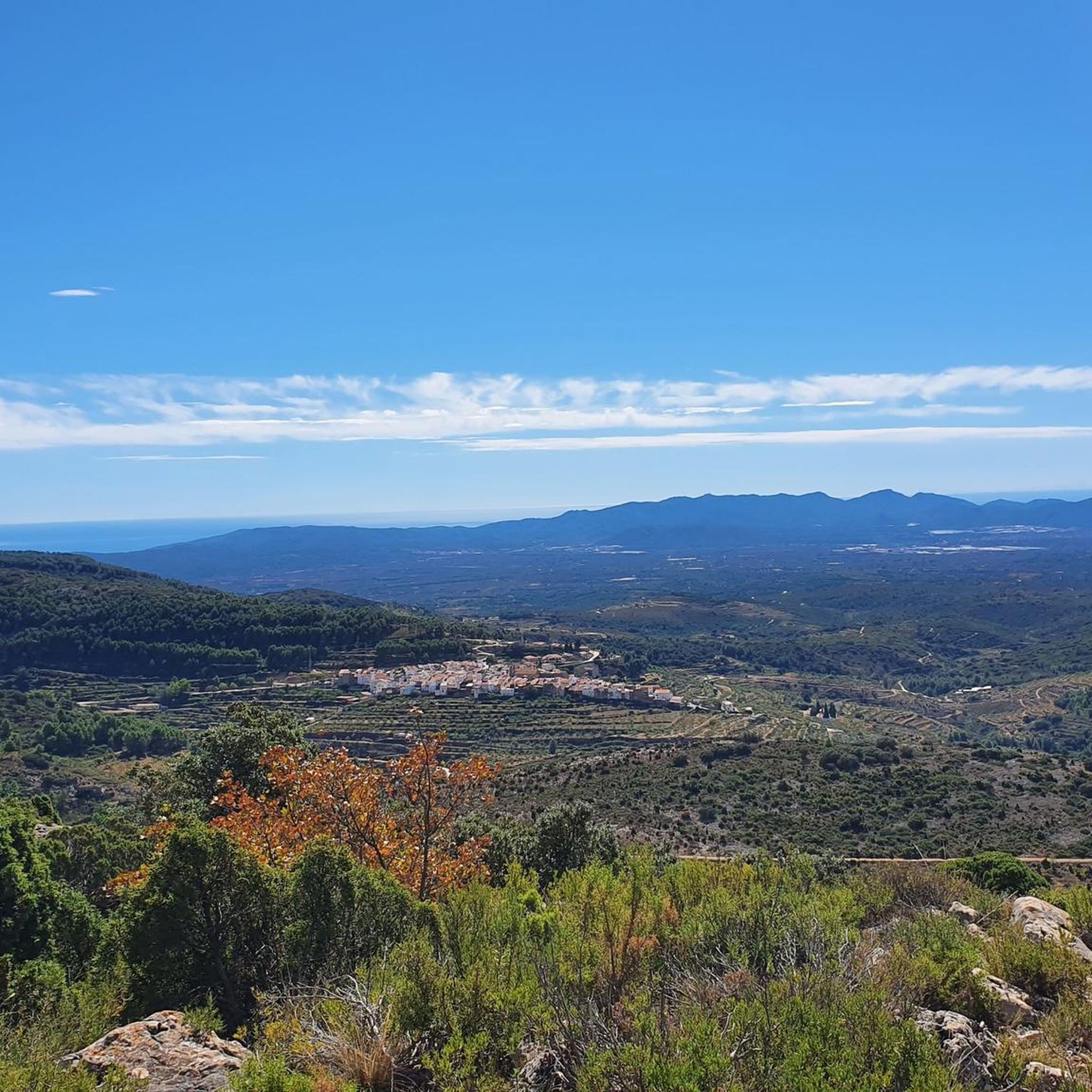
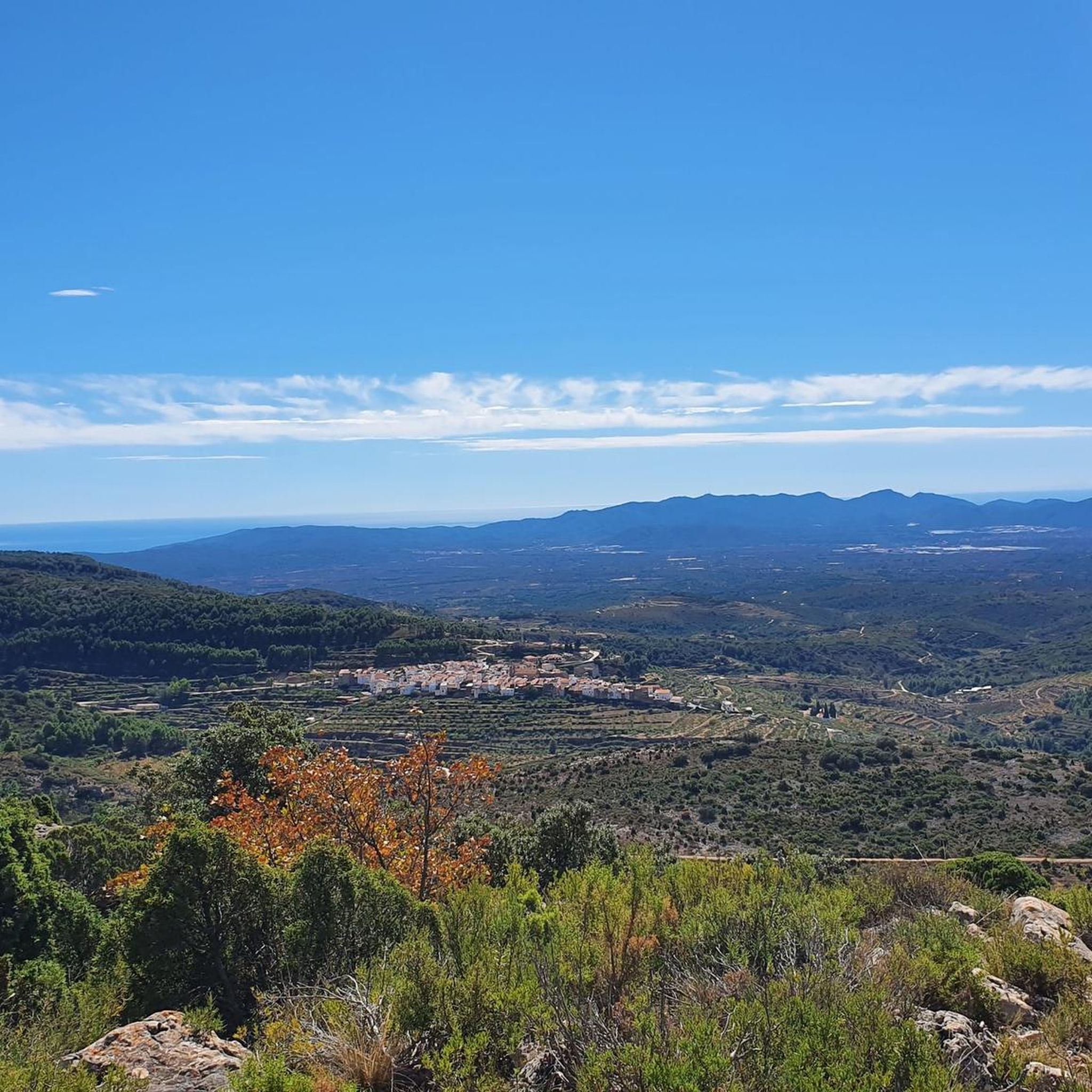
Next to the San Juan Nepomuceno hermitage is the Maestrat viewpoint. From this privileged spot, the view reaches the sea between the almost bare mountains of Castellón.
0
0

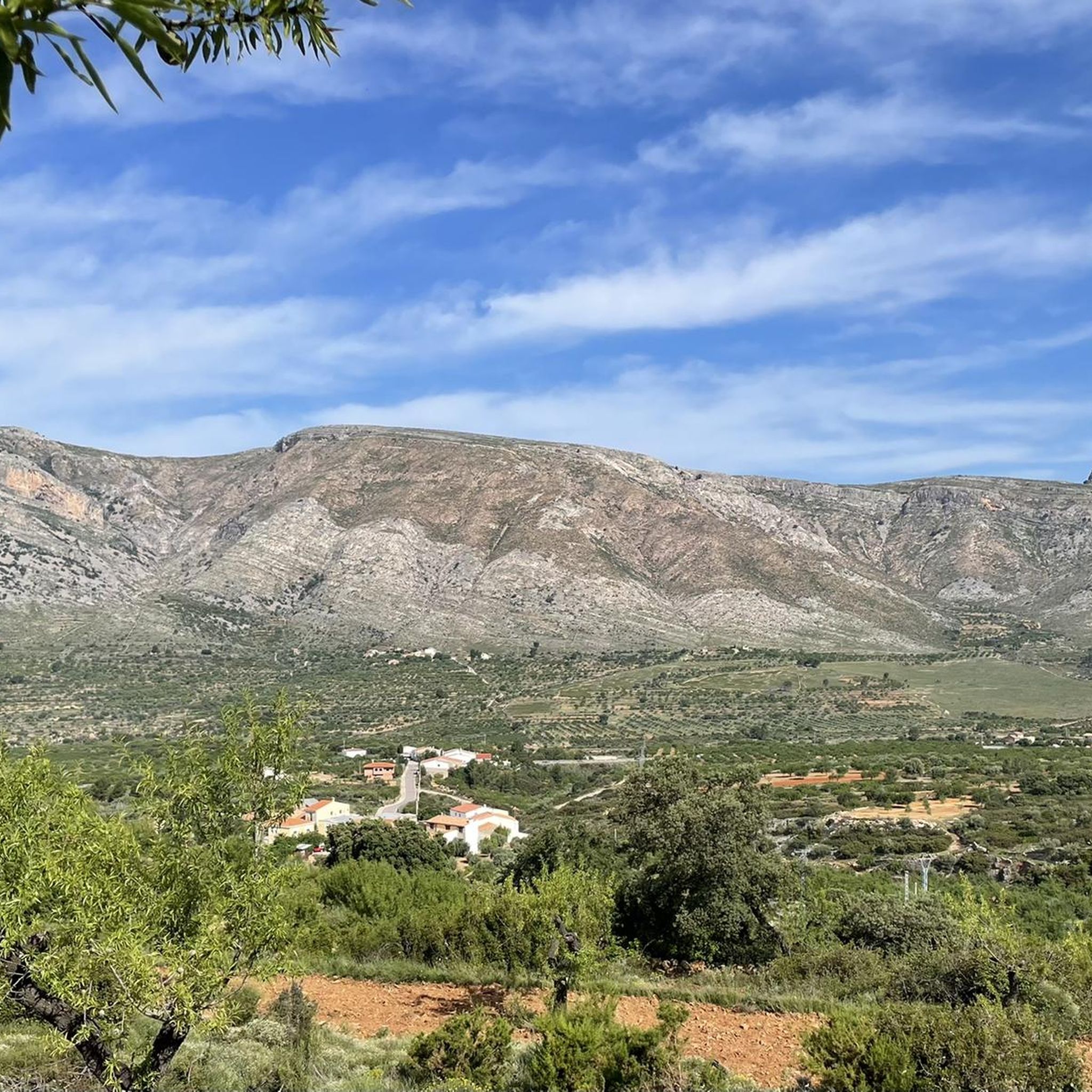
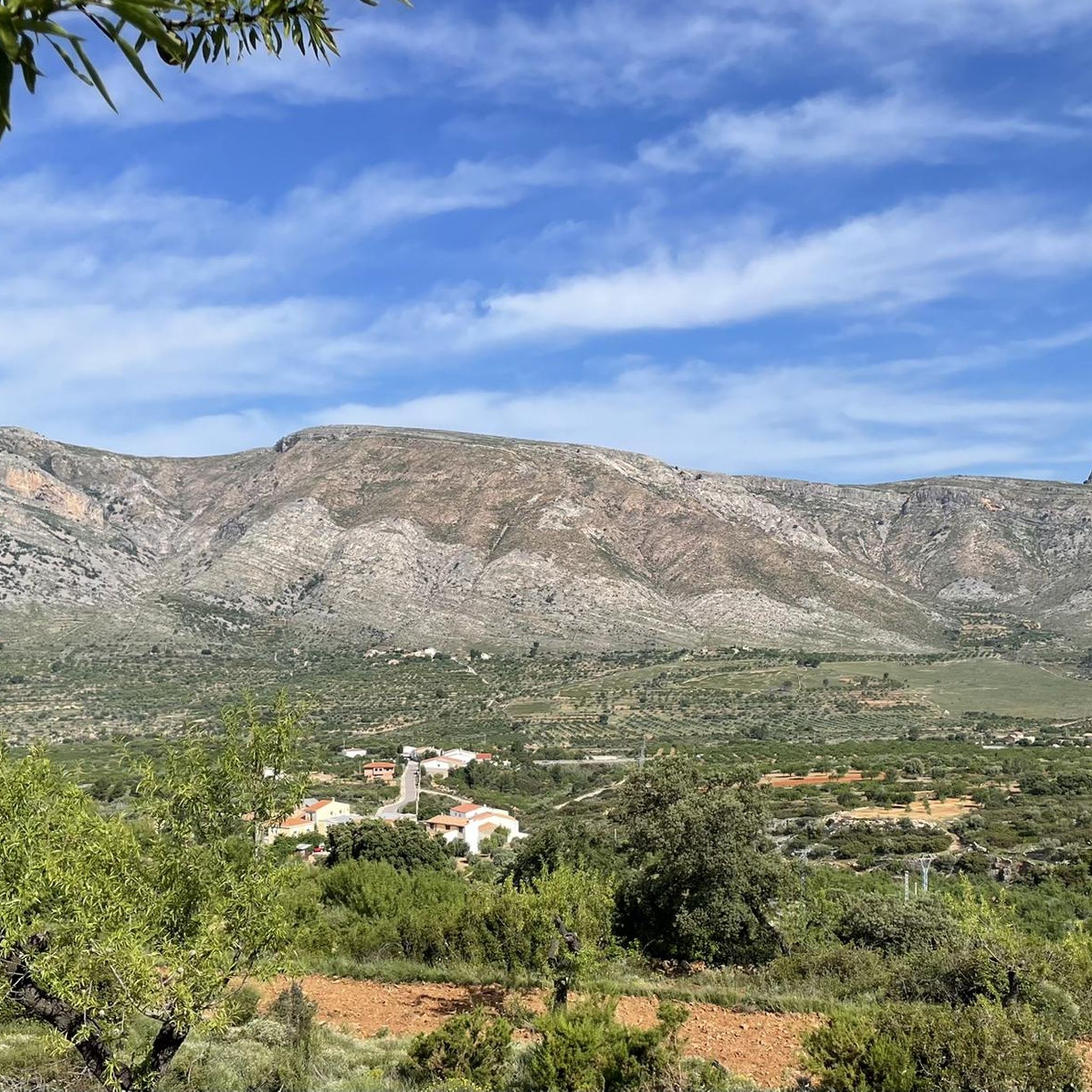
The Mirador de Ares del Maestrat, also known as the Mirador del Castillo, offers spectacular views of the Els Ports region and the mountainous landscape surrounding the town. From this point, you can enjoy a stunning panorama that spans from the valleys to the mountains, making it a perfect place to take photos and enjoy nature.
5
0

Beautiful village located on the GR7 hiking trail.
1
0

It is part of the Most Beautiful Towns in Spain and is undoubtedly worth visiting. Very quiet and small, which allows you to explore it even if you are passing through the area. Walk through its little streets and feel like you are traveling back in time to the time of the Templars!
2
0

It is a beautiful and entertaining climb, without major complications and with magnificent views. In the first part, we start with gentle slopes, which will be very useful for "warming up" the legs, as from km. 4 things get a bit more serious. The gradient will start to increase, with some ramps close to 10%, and hairpin bends will appear, until we reach a first pass at km. 12. Afterwards, we will have a short rest with a descent included to the village of Serratella, and we will only have the final stretch, quite gentle, until we reach the summit at 844 m. altitude. At that point, we can decide between descending towards Albocàsser, or giving ourselves a little "warm-up" by climbing to the hermitage of S. Juan Nepomuceno via a paved track that goes off to our left, about 500 m. long and with ramps of 20%, until we reach an altitude of 920 m.
1
0
It is a short but very hard ascent, which will probably surprise us with its difficulty. We will start the climb with an initial section up to the crossroads of the CV-15 with some hard ramps already, we will cross the town of Rosildos, going around the church to look for the street that leads us towards Mas de Cervera, where we will join the "main" road towards Serra Engarcerán. Upon reaching a somewhat more wooded area, we will find a small rest, but let's not be overconfident, because after taking a left turn and the trees disappear, we will encounter the hardest part of the ascent, where the gradient reaches a maximum of 16% on a 500 m section that does not drop below 10%. We will finish somewhat more easily, but undoubtedly this climb will have pleasantly surprised us.
0
0
The hermitage of San Juan de Nepumoceno in La Serratella, in the Plana Alta region, is a Catholic place of worship cataloged as a Site of Local Relevance (Bien de Relevancia Local) in 2007. [1] It can be accessed by bike (via a paved track that branches off to the left from the CV-154 towards Albocàsser) and is located about four kilometers north of the town of La Serratella, at 937 meters above sea level in the area known as Tossal or Mirador de la Talayola, which constitutes the highest point in the municipality. This allows for a panoramic view of a large number of municipalities in the region and even much more distant points such as the Ebro Delta and the Columbretes Islands.
0
0

Culla is a beautiful medieval town that belongs to Castellón, in the Alto Maestrazgo region. In its narrow cobbled streets you can discover many charming corners, but the most notable is the castle that dominates the heights. Dating from the 12th and 13th centuries, it is listed as an Asset of Cultural Interest.
2
0
Frequently Asked Questions
What historical sites can I explore in Vilar de Canes and its surroundings?
Vilar de Canes offers a rich historical tapestry. You can visit the Culla Historic Village, a beautiful medieval town with a 12th-century castle. The Viewpoint of the Castle of Ares del Maestre also provides insights into ancient Iberian and Moorish history. Within Vilar de Canes, explore the Iglesia Parroquial de la Purificación de la Virgen, rebuilt after the Spanish Civil War, and the ruins of an ancient Muslim watchtower on Monte Matxorral. Traditional masías like Mas de la Segarra and Mas del Señor offer a glimpse into rural life and history.
Where can I find natural beauty and scenic views around Vilar de Canes?
The region is abundant in natural beauty. The Coll de la Bandereta and Puerto de la Serratella mountain passes offer picturesque landscapes and magnificent views. You can also visit the Viewpoint of the Castle of Ares del Maestre for extensive vistas of valleys and mountains. Don't miss the Barranc dels Horts, a Community Interest Site with monumental trees, and El Rivet Municipal Nature Park, featuring a centennial oak and holm oak forest.
What kind of hiking trails are available near Vilar de Canes?
There are various hiking opportunities around Vilar de Canes. You can explore trails like the "Caminos del Señorío de Vilar de Canes" ethnographic route, suitable for all ages. For more structured routes, consider options such as the Culla Historic Village – Bar Delpoble loop or the Hermitage of Sant Cristòfol – El Rivet Oak Grove loop from Benassal. You can find more details and routes on the Hiking around Vilar De Canes guide.
Are there cycling routes for different skill levels in the area?
Yes, the region offers diverse cycling routes. Challenging options include the Gran Travesía BTT Alt Maestrat Loop and the Coll de la Bandereta – La Torre d'en Doménec loop from Sant Pau. For mountain biking, routes like Vilar de Canes - Benassal - El Bovalar Loop are available. More routes and details can be found on the Cycling around Vilar De Canes guide and the MTB Trails around Vilar De Canes guide.
When is the best time to visit Vilar de Canes for outdoor activities and natural sights?
The best time to visit for outdoor activities and natural sights largely depends on your interests. For a stunning visual and sensory experience, plan your visit during January and February to witness the vibrant almond blossom season. The spring and autumn months generally offer pleasant temperatures for hiking and cycling, while the natural springs provide refreshing spots year-round.
Are there any unique cultural sites to visit in Vilar de Canes?
Absolutely. The Molino del Aceite (Oil Mill) on Calle de la Sagristia is now an Oil Interpretation Center, offering insights into traditional olive oil production. Strolling through the narrow streets of Vilar de Canes itself reveals traditional architecture and a history marked by the Spanish Civil War, with a plaque honoring victims and unique elements like large stones on rooftops.
What are the protected natural areas near Vilar de Canes?
Vilar de Canes is home to several protected natural areas. The Barranc dels Horts is recognized as a Community Interest Site, a Special Protection Area for Birds, and a Micro-reserve of Flora. The El Rivet Municipal Nature Park is another protected micro-reserve of flora, known for its centennial oak and holm oak forest, ideal for walks and enjoying nature.
Can I find natural springs in the Vilar de Canes area?
Yes, Vilar de Canes is known for its natural springs. The Font d'en Segures provides fresh water year-round and is a pleasant spot to relax. Additionally, several other natural springs are located in beautiful, vegetated areas, perfect for enjoying the natural environment, with the spring at Mas del Senyor being particularly noteworthy.
What do visitors enjoy most about the attractions around Vilar de Canes?
Visitors frequently praise the picturesque landscapes and well-maintained roads, especially around mountain passes like Coll de la Bandereta. The magnificent and comforting views from spots like Puerto de la Serratella are also highly appreciated. Many enjoy the sense of traveling back in time when exploring historic villages like Culla Historic Village, noting its quiet charm and cobbled streets.
Are there any family-friendly activities or trails in the Vilar de Canes area?
Yes, the "Caminos del Señorío de Vilar de Canes" is an ethnographic trail suitable for all ages, perfect for families to discover historical traces and enjoy nature together. The El Rivet Municipal Nature Park also offers a spectacular setting for walks and picnics, which can be a great family outing.
What is the significance of the traditional Masías in the region?
The traditional masías, or farmhouses, are significant historical and cultural landmarks in Vilar de Canes. They offer a unique glimpse into the region's rural life and past. Examples like the Mas de la Segarra (a 16th-century farmhouse that was once a fortress and inn) and the Mas del Señor (historically a center of power) highlight the area's agricultural heritage and are part of a UNESCO World Heritage site, showcasing dry stone terraces and waterwheels.
Most popular attractions around Vilar De Canes

Get inspired with the komoot mobile app


Explore more
Still not found the Highlight you’re looking for? See guides of the top attractions in other regions:
