The best cycling routes around Fuentecén
16
riders
5
rides
Touring cycling routes around Fuentecén traverse the heart of Spain's Ribera del Duero wine region, characterized by extensive vineyards and rolling hills. The terrain features varied gradients, providing engaging routes for cyclists. Tranquil roads with light traffic enhance the cycling experience, allowing for immersion in the surroundings. The area is influenced by the Duero valley, contributing to its natural features.
Best touring cycling routes around Fuentecén
- The most popular touring cycling route is Fuentespina – Fuentespina loop from Castrillo de…
Last updated: July 2, 2026
5
riders
52.9km
04:37
320m
320m
Moderate bike ride. Good fitness required. Mostly paved surfaces. Suitable for all skill levels.
5
riders
94.7km
06:57
470m
470m
Hard bike ride. Very good fitness required. Mostly paved surfaces. Suitable for all skill levels.

Sign up for free
3
riders
42.4km
02:34
340m
340m
Moderate bike ride. Good fitness required. Mostly paved surfaces. Suitable for all skill levels.
1
riders
31.3km
02:15
290m
290m
Moderate bike ride. Good fitness required. Mostly paved surfaces. Suitable for all skill levels.
2
riders
41.5km
03:40
270m
270m
Moderate bike ride. Good fitness required. Mostly paved surfaces. Suitable for all skill levels.
Our route recommendations are based on thousands of hikes, rides, and runs completed by other people on komoot.
Start today with a free account
Your next adventure awaits.
Login or Signup

Tips from the Community

Built of stone and with several semicircular arches, it is a good example of medieval civil engineering and has withstood the test of time thanks to its solidity, although it has been restored at different times. At one time it was key for the transit of workers and goods between neighborhoods, contributing to the economic growth of Aranda. Today it is preserved as a heritage element and is a pleasant place to walk, forming part of the city's historic complex and allowing visitors to learn about its industrial and medieval past along the river.
2
0
The medieval Puente de las Tenerías, located in Aranda de Duero over the Bañuelos river, is one of the most interesting historical corners of the city, although less known than the Duero bridge. It is a construction of medieval origin, linked to the urban and industrial development of the town, as it takes its name from the old tanneries (leather tanning workshops) that were in the area and that needed abundant water for their activity.
2
0
The bridge is built of stone and is characterized by its semicircular arches; it originally had four, although today it retains three due to later renovations. Over the centuries it has undergone numerous restorations, especially due to the floods of the Duero, one of the most important being the expansion and widening in the 19th century. In addition to its architectural value, it has been a strategic point for the passage of people, goods and herds, and today it is a symbol of the city and a very pleasant place to walk and enjoy the views of the river and Aranda de Duero. [iglesiaslocales.com], [edadesdelh...ogspot.com]
2
0
The Aranda de Duero Bridge, also known as Puente Mayor, is one of the city's most important historical elements, as it crosses the Duero River and has been key to its development. Although often called "Roman", it is actually a bridge of medieval origin, with references from the 12th-14th centuries, when it served as a fundamental crossing point on trade routes and the old Royal Road that connected the center and north of Spain.
2
0
Castrillo de la Vega, in the heart of Ribera del Duero and very close to Aranda de Duero, is a charming small town ideal for a tranquil getaway, highlighting its wine tradition and medieval past; the most interesting aspects are strolling through its old town and Plaza Mayor, visiting the church of Santiago Apóstol and the hermitage of the Virgen de la Vega, and exploring the winery and cellar district, with numerous underground caves where wine was produced, one of the municipality's great attractions. It is also worth seeing historical remains such as the old Roque bridge and the Torre del Monte, and enjoying the natural environment along the Duero river and vineyards, with options for routes and tastings at nearby wineries, thus combining history, nature, and typical local gastronomy.
2
0
Fuentespina, a small town in the province of Burgos in the Ribera del Duero, is a tranquil destination ideal for enjoying the rural environment and wine culture; the most interesting thing is to stroll through its traditional old town, visit the church of San Miguel, and above all explore its underground cellars and vineyards, as it is part of one of the most important wine regions in Spain. Additionally, from there you can take routes along the Duero River or visit Aranda de Duero, famous for its gastronomy (especially roast suckling lamb), making the visit a very complete experience combining nature, history, and wine tourism.
2
0

Aranda de Duero, in the province of Burgos, is the capital of the famous Ribera del Duero wine region. The city is known for its excellent wines and its network of underground wine cellars, medieval tunnels dug beneath the old town. It is also a top culinary destination, famous for its roast lamb and blood sausage. Its heritage includes Gothic churches such as Santa María la Real, which complement the cultural and culinary experience.
4
0
The Aranda de Duero Bridge, also known as the Puente Mayor, is a medieval stone bridge over the Duero River. It is a symbol of the city and its heritage, connecting the old town with the modern areas. Although it has been renovated over time, it retains its historic essence.
4
1
Frequently Asked Questions
How many touring cycling routes are available around Fuentecén?
There are 5 touring cycling routes detailed around Fuentecén, offering a range of experiences through the Ribera del Duero wine region.
What kind of terrain can I expect on touring cycling routes near Fuentecén?
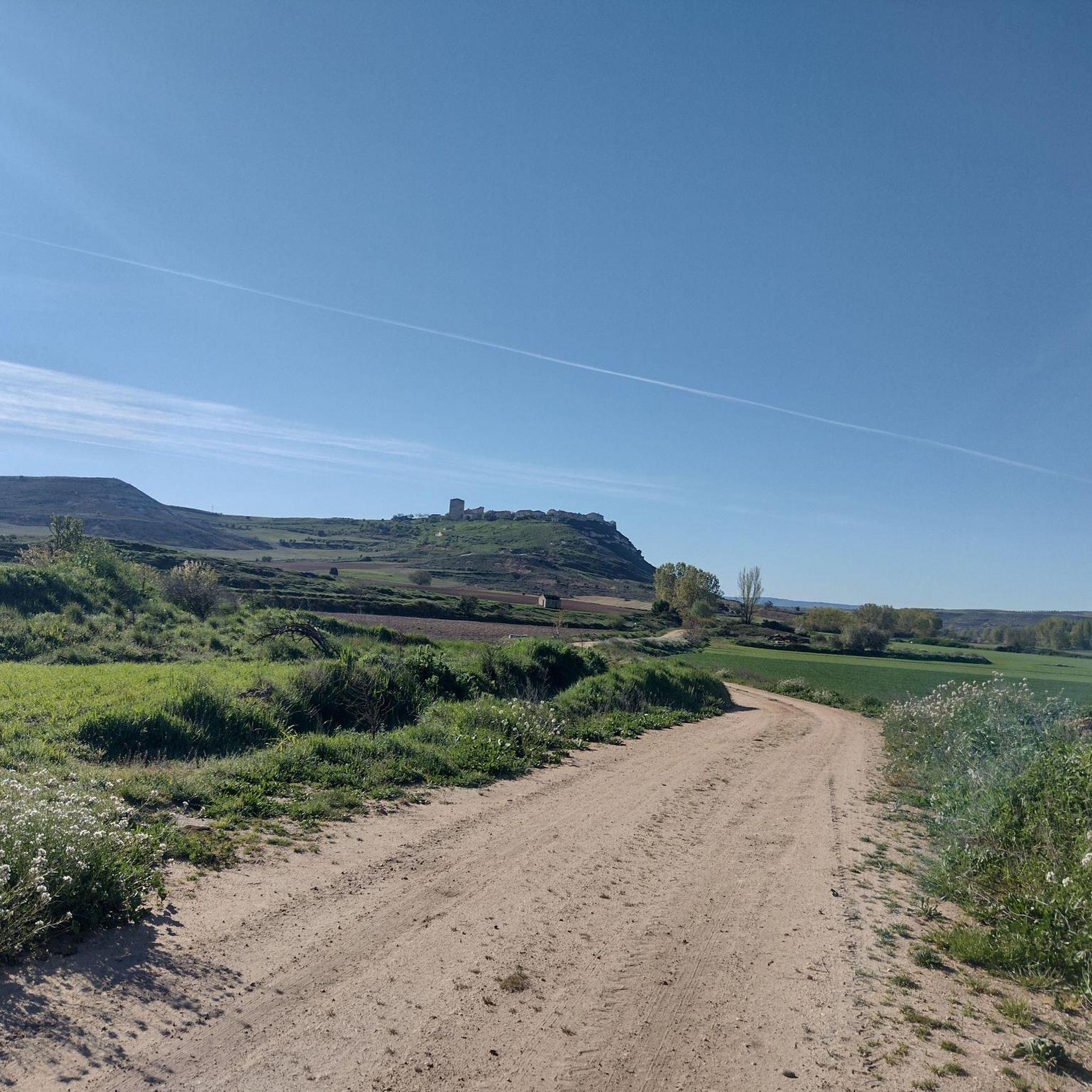
The terrain around Fuentecén is characterized by rolling hills and extensive vineyards, typical of the Ribera del Duero wine region. Routes often feature varied gradients, providing an engaging ride, and many roads are tranquil with light traffic, allowing for a peaceful cycling experience.
Are there any challenging touring cycling routes in the area?
Yes, for those seeking a more challenging ride, the Fuentespina – Fuentespina loop from Castrillo de la Vega is classified as difficult. This 47.3 km route involves an elevation gain of over 411 meters, offering a demanding experience through the region's varied landscape.
What are some scenic highlights or landmarks I can see along the touring cycling routes?
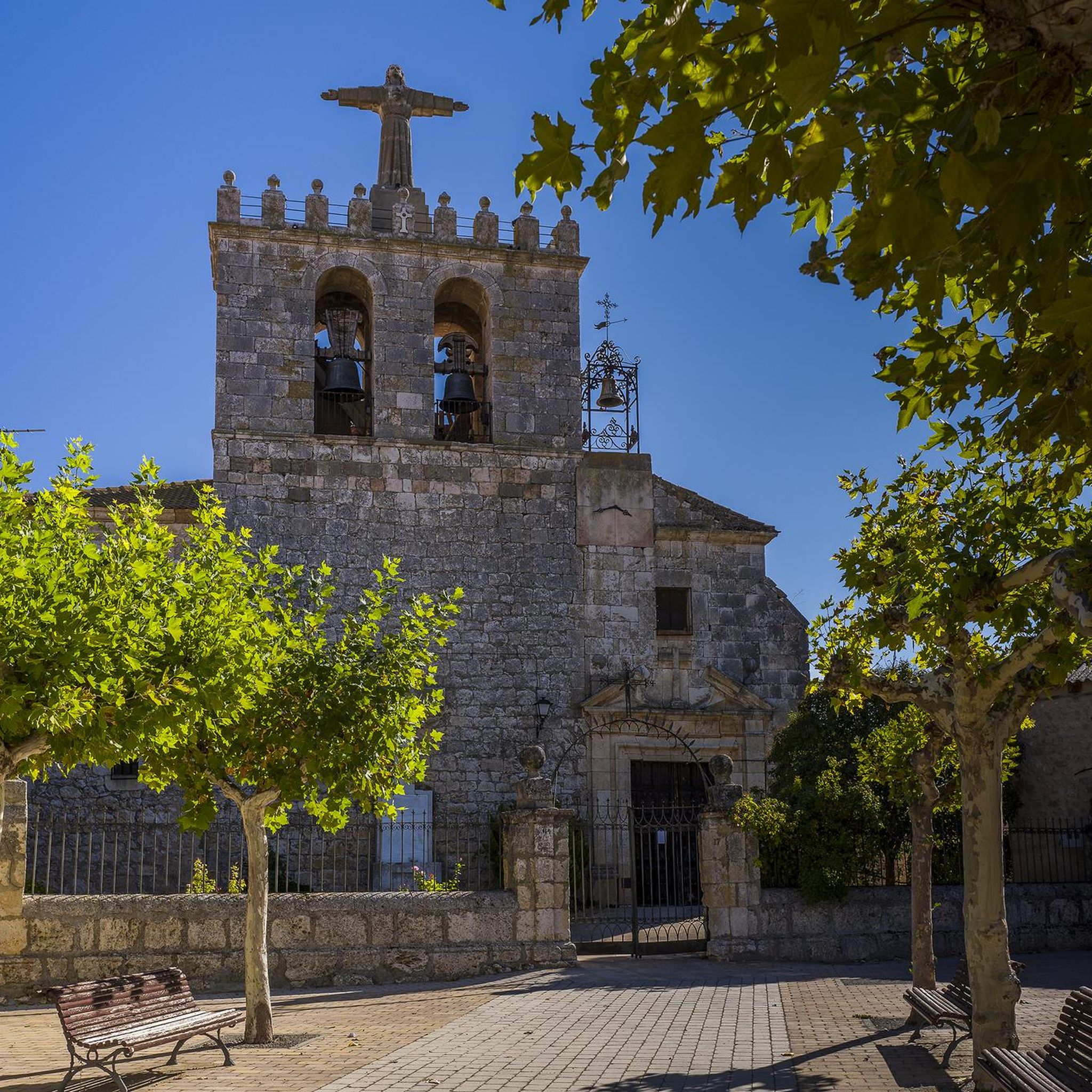
Many routes offer views of the picturesque vineyards and historical villages. You can encounter landmarks such as Fuentecén Church with its distinctive bell tower, or explore Moradillo de Roa, known for its restored underground wineries. The Aranda Bridge – Haza and its castle loop from Aranda de Duero specifically takes you past the historic Haza and its castle, offering impressive views over the Vega de Riaza.
Are there any routes that follow the Duero River?
Yes, the Path alongside the Duero – Aranda Bridge loop from Aranda de Duero is a moderate 50.9 km route that follows the Duero river, providing scenic views and a blend of natural and historical elements along its course.
Are there any circular touring cycling routes around Fuentecén?
All the touring cycling routes listed are circular, allowing you to start and end your journey in the same location. Examples include the Moradillo de Roa – Moradillo de Roa loop from Castrillo de la Vega and the Castrillo de la Vega – Campillo de Aranda loop from Castrillo de la Vega.
What is the best time of year for touring cycling in Fuentecén?
The Ribera del Duero region generally offers pleasant cycling conditions during spring and autumn when temperatures are milder and the landscape is vibrant with either blooming vineyards or harvest colors. Summers can be hot, while winters are cooler, so checking the weather forecast is always recommended.
Are there any family-friendly touring cycling options?
While specific 'easy' routes are not highlighted, many of the moderate routes, such as the Castrillo de la Vega – Campillo de Aranda loop from Castrillo de la Vega (31.3 km), feature tranquil roads and rolling hills that can be enjoyable for families with some cycling experience. The region's peaceful roads make for a safer and more relaxed environment.
Where can I find parking for touring cycling routes in Fuentecén?
Many routes start from nearby towns like Castrillo de la Vega or Aranda de Duero. These towns typically offer public parking facilities where you can leave your vehicle before starting your cycling tour. It's advisable to check local parking options in your chosen starting point.
Can I combine touring cycling with wine tasting in the Fuentecén area?
Absolutely! Fuentecén is located in the heart of the Ribera del Duero wine region. Cycling through the vineyards provides a perfect opportunity to visit local wineries for tastings. Moradillo de Roa, for instance, is famous for its underground wineries and traditional wine presses, offering a unique cultural and gastronomic experience to complement your ride.
What is the typical elevation gain on touring cycling routes around Fuentecén?
The routes around Fuentecén feature varied elevation gains due to the rolling hills. For example, moderate routes like the Moradillo de Roa – Moradillo de Roa loop from Castrillo de la Vega have an elevation gain of around 341 meters, while the more difficult Fuentespina – Fuentespina loop from Castrillo de la Vega climbs over 411 meters.
Most popular routes around Fuentecén
Most popular attractions around Fuentecén

Get inspired with the komoot mobile app


Explore more
Browse the best Cycling routes in other regions.
