The best road cycling routes around Cubo De Bureba
5.0
(1)
72
riders
7
rides
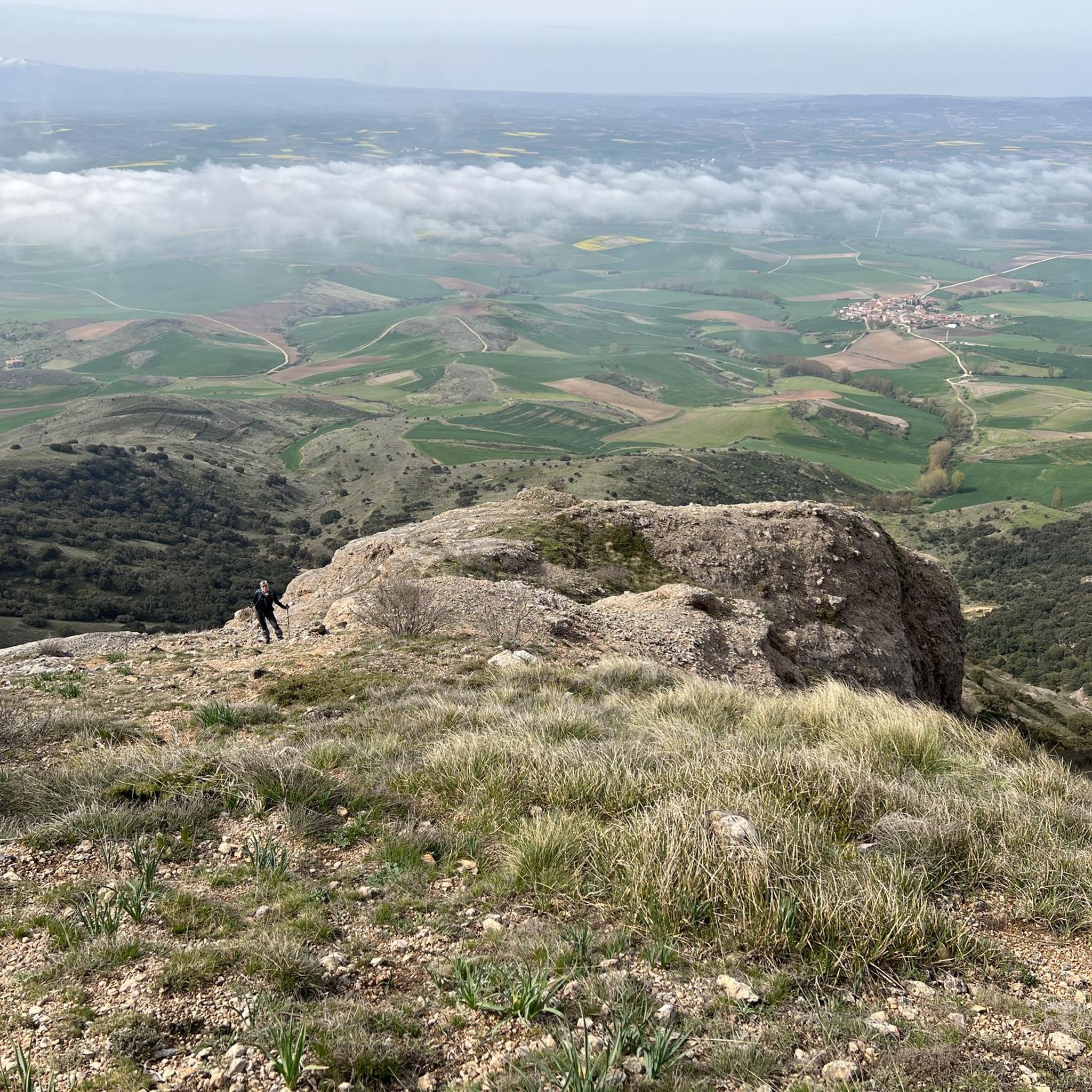
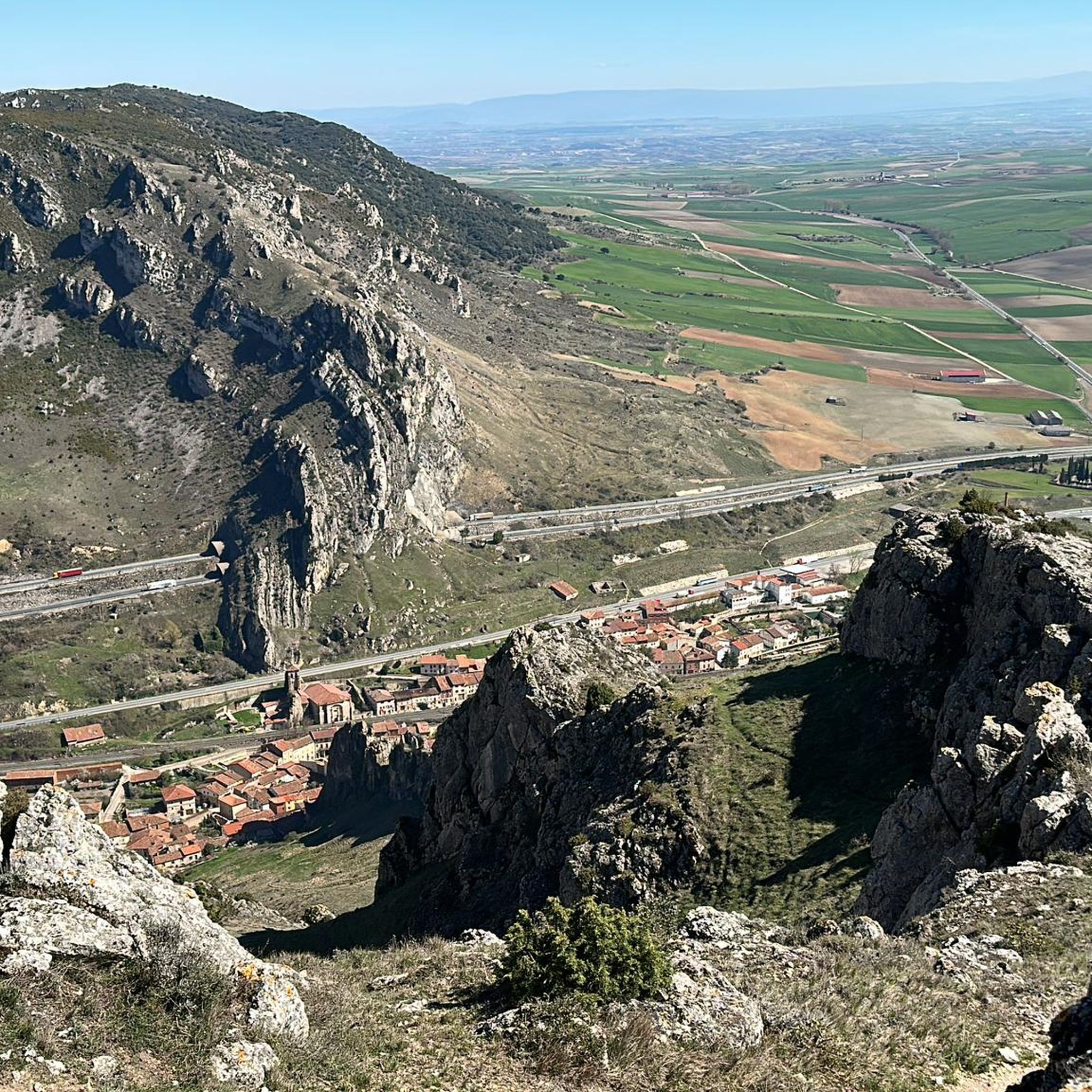
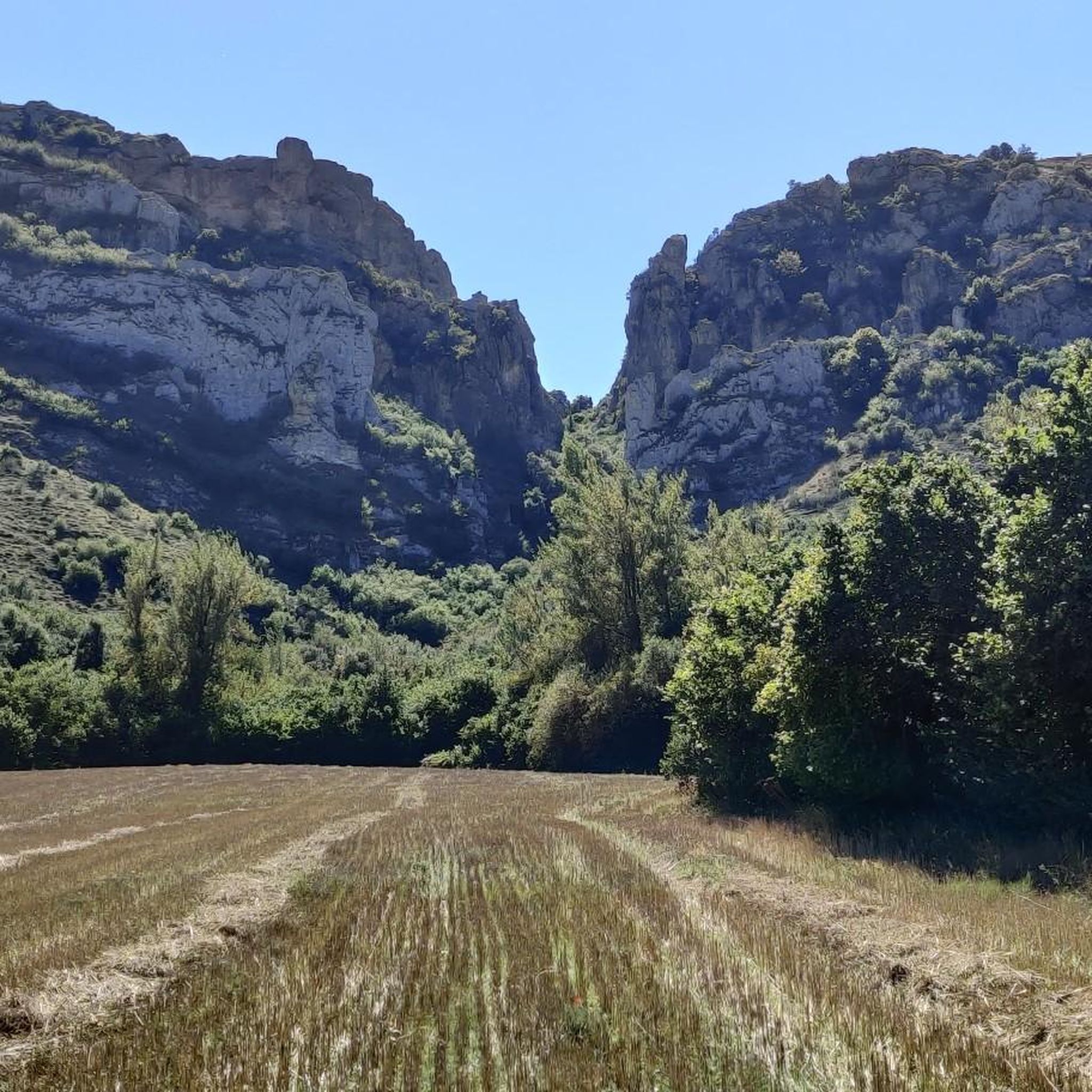
Road cycling around Cubo de Bureba offers a diverse landscape characterized by a transition zone between Atlantic and Mediterranean biogeographical regions. The area features dramatic limestone formations, deep gorges carved by rivers like the Oca and Ebro, and extensive forests within the Montes Obarenes-San Zadornil Natural Park. Cyclists encounter a mix of challenging terrain, including rolling hills and significant elevation changes, alongside flatter sections in valleys, providing a dynamic cycling experience.
Best road cycling routes around Cubo De Bureba
- The…
Last updated: July 12, 2026
22
riders
78.6km
03:41
1,010m
1,000m
Hard road ride. Very good fitness required. Mostly well-paved surfaces and easy to ride.
22
riders
119km
05:24
1,190m
1,190m
Hard road ride. Very good fitness required. Some segments of this route may be unpaved and difficult to ride.

Sign up for free
5.0
(1)
12
riders
72.8km
03:46
960m
960m
Hard road ride. Very good fitness required. Mostly well-paved surfaces and easy to ride.
6
riders
48.3km
02:30
780m
780m
Moderate road ride. Good fitness required. Some segments of this route may be unpaved and difficult to ride.
4
riders
66.0km
03:31
1,180m
1,180m
Hard road ride. Very good fitness required. Some segments of this route may be unpaved and difficult to ride.
Get access to more routes and recommendations from other explorers.
Sign up for free
Already have an account?
Our route recommendations are based on thousands of hikes, rides, and runs completed by other people on komoot.
Start today with a free account
Your next adventure awaits.
Login or Signup

Tips from the Community

It is worth visiting the hermitage of Santa María de la Hoz, in the town of Tobera. To do this, we will cross a medieval bridge of Roman origin that spans the Molinar riverbed. The temple, almost embedded in a large rock, dates from the 13th century, features both Romanesque and Gothic elements, and has a portico with arches that offers good views of the surroundings. At its feet stands a second, tiny hermitage from a later date – the 17th century – which houses an altar dedicated to the Cristo de los Remedios.
2
0
If you are in Tobera and Frías, you cannot miss visiting the hermitage of Santa María de la Hoz and the medieval bridge over the Molinar river. The temple is from the 13th century, features both Romanesque and Gothic elements, and has a portico with arches that offers good views of the surroundings. At its feet stands a second, tiny hermitage, from a later date – the 17th century – which houses an altar dedicated to Cristo de los Remedios.
2
0

Authentic place of pilgrimage, a beautiful hermitage and surroundings.
2
0

start and arrival from Miranda de Ebro. winding roads and good traps. leg-breaking terrain. it goes very fast. THE CLASSIC OF THE NORTH
1
0
The Hermitage of Our Lady of the Sickle is nestled beneath the cliff, reached by crossing the small bridge over the Molinar River. Dating from the 13th century, it features both Romanesque and Gothic elements and has an arched portico offering fine views of the surrounding area. At its base stands a second, much smaller hermitage, dating from the 17th century, which houses an altar dedicated to Christ of the Remedies.
4
0

Several waterfalls and areas to see in Tobera
1
0
A true boundary between zones, crossed by a road, just at an altitude of 1,000 metres.
1
0
Frequently Asked Questions
How many road cycling routes are available around Cubo de Bureba?
There are 7 road cycling routes around Cubo de Bureba documented on komoot, offering a range of experiences from moderate to difficult. These routes allow you to explore the diverse landscapes of the region.
What kind of terrain can I expect on road cycling routes in Cubo de Bureba?
The terrain around Cubo de Bureba is quite varied, characterized by a transition zone between Atlantic and Mediterranean biogeographical regions. You'll encounter dramatic limestone formations, deep gorges carved by rivers, and extensive forests within the Montes Obarenes-San Zadornil Natural Park. Routes feature a mix of rolling hills, significant elevation changes, and some flatter sections in valleys, ensuring a dynamic cycling experience. Many routes utilize secondary roads that are generally well-paved with light traffic.
Are there routes suitable for experienced road cyclists seeking a challenge?
Yes, Cubo de Bureba offers several challenging routes for experienced road cyclists. For instance, the Roman Bridge of Herramélluri – Valdezcaray Ski Resort loop from Pancorbo is a difficult 83.7-mile (134.7 km) path with significant climbs, including over 1600 meters of elevation gain. Another demanding option is the Frías and Portillo de Busto Loop, covering 48.8 miles (78.6 km) with over 1000 meters of ascent.
Can I find any moderate road cycling routes in the area?
Absolutely. There are moderate road cycling routes available for those looking for a less intense but still engaging ride. The Church of St. James – Portillo de Busto loop from Villanueva de Teba is a moderate 30.4-mile (49.0 km) trail that takes about 2 hours 29 minutes, offering varied terrain and featuring the scenic Portillo de Busto. Another moderate option is the Río Tirón – Balcón de Castilla loop from Estación de Bujedo, which is 82.8 km long.
Are there any circular road cycling routes around Cubo de Bureba?
Many of the road cycling routes in the Cubo de Bureba area are designed as loops, allowing you to start and finish in the same location. Examples include the popular Frías and Portillo de Busto Loop, the challenging Roman Bridge of Herramélluri – Valdezcaray Ski Resort loop from Pancorbo, and the Portillo de Busto loop from Busto de Bureba.
What historical or natural landmarks can I see while cycling?
The region around Cubo de Bureba is rich in both natural beauty and historical sites. While cycling, you might encounter dramatic limestone formations and deep gorges within the Montes Obarenes-San Zadornil Natural Park. Notable natural features include the Humion peak, offering panoramic views, and the Portillo de Busto mountain pass. Historical points of interest include charming medieval villages like Frías, Oña, and Pancorbo, which often feature ancient architecture and castles such as the Santa Engracia Fort near Pancorbo.
Are there any routes that feature significant climbs or mountain passes?
Yes, the rugged relief of the Cubo de Bureba area ensures a dynamic cycling experience with plenty of elevation changes and significant climbs. The Portillo de Busto is a prominent mountain pass featured in several routes, including the Frías and Portillo de Busto Loop and the Church of St. James – Portillo de Busto loop from Villanueva de Teba. The region's higher points, like the Humion peak, also indicate the presence of rewarding ascents.
What is the best time of year for road cycling in Cubo de Bureba?
The Cubo de Bureba region, with its diverse forests and varied topography, offers a constantly changing scenic backdrop for rides, especially appealing during different seasons. Spring and autumn generally provide the most pleasant temperatures for road cycling, with lush greenery in spring and vibrant colors in autumn. Summer can be warm, but the higher elevations and shaded forest sections can offer some respite. Winter cycling is possible, but conditions may vary, and some higher passes could be affected by weather.
Is Cubo de Bureba a good destination for a multi-day road cycling trip?
Given its extensive network of routes, varied terrain, and charming historical villages, Cubo de Bureba is well-suited for multi-day road cycling trips. You can combine different routes to create longer journeys, exploring the Montes Obarenes-San Zadornil Natural Park, visiting towns like Frías and Oña, and enjoying the low traffic and scenic beauty. The presence of accommodation options in nearby villages makes it convenient for extended stays.
Are there any specific viewpoints or scenic spots along the road cycling routes?
Yes, the rugged relief and natural beauty of the area provide numerous scenic viewpoints. Higher points, such as the Humion peak, offer expansive panoramic views, rewarding cyclists after their climbs. Other notable viewpoints include the Watchtower and TalasDelSomo. The routes winding through deep gorges carved by rivers like the Oca and Ebro also provide breathtaking natural scenery.
What is the typical duration for road cycling routes in this region?
The duration of road cycling routes in Cubo de Bureba varies depending on the route's length and difficulty. For example, a moderate route like the Church of St. James – Portillo de Busto loop from Villanueva de Teba (49.0 km) typically takes around 2 hours 29 minutes. More challenging and longer routes, such as the Roman Bridge of Herramélluri – Valdezcaray Ski Resort loop from Pancorbo (134.7 km), can take over 6 hours to complete, offering a full day's adventure.
Most popular routes around Cubo De Bureba
Most popular attractions around Cubo De Bureba

Get inspired with the komoot mobile app


Explore more
Browse the best Road cycling routes in other regions.
