Top 15 Castles around Sentmenat
Castles around Sentmenat provide insight into the rich history of this municipality in the province of Barcelona. Situated on strategic ridges and along ravines, these historical sites showcase diverse architectural styles and historical periods. The area features both well-preserved structures and evocative ruins, each contributing to the region's cultural landscape.
Best castles around Sentmenat
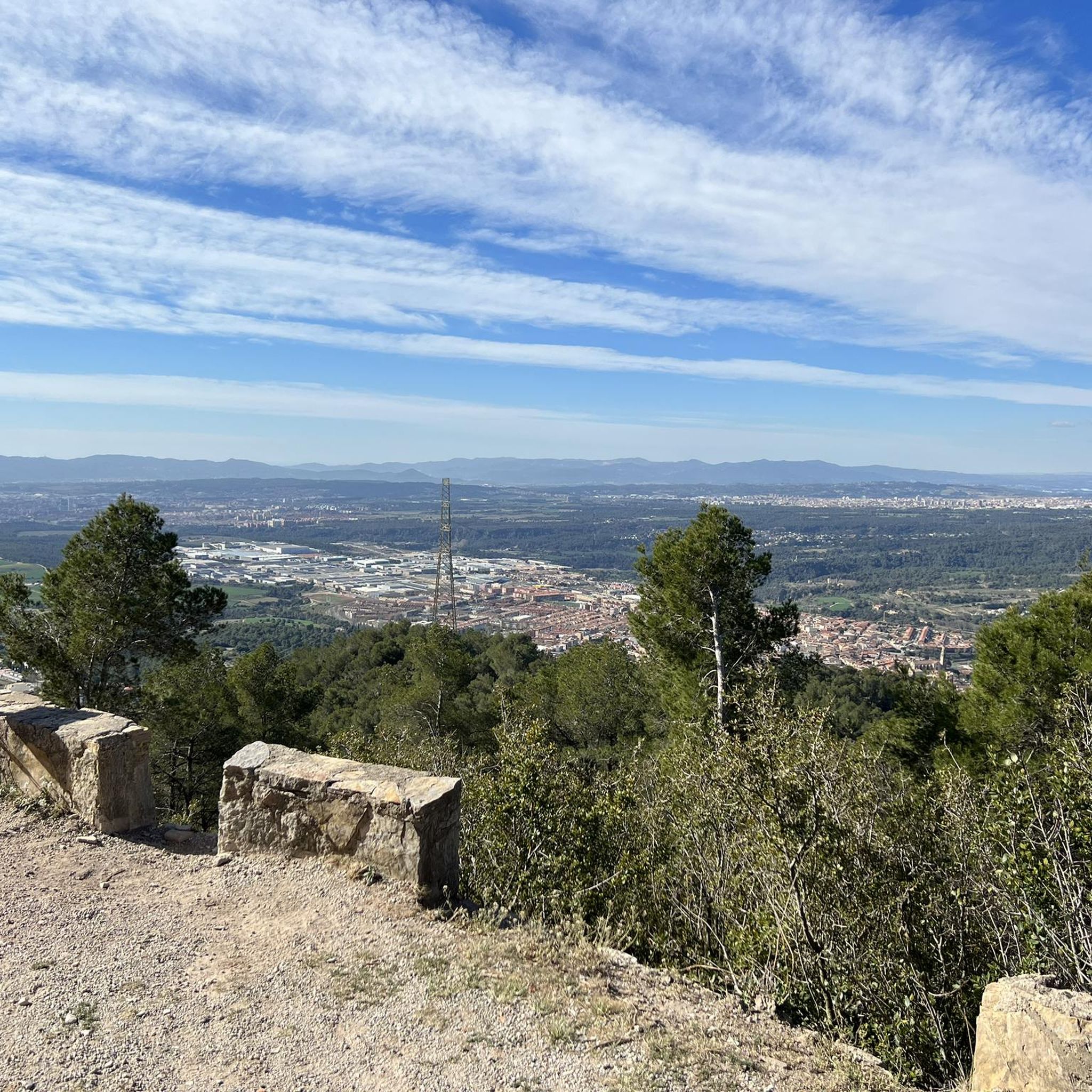
- The most popular castles is La Mola and the Monastery of Sant Llorenç del Munt, a summit that features a Romanesque monastery from the 10th century. This location offers extensive views over much of Catalonia from its 1,104 m height.
- Another must-see spot is Guanta Castle, a medieval castle that is currently in ruins. Visitors can find a restaurant and a children's area on the exterior, making it a family-friendly stop.
- Visitors also love Sentmenat Castle, a large Gothic building rebuilt on older foundations with walls three meters thick. It is declared a cultural asset of national interest and features a stone bridge replacing an older drawbridge.
- Sentmenat is known for its variety of historical structures, including medieval fortifications, Gothic buildings, and ancient ruins. The area offers a range of castles, from those with preserved exteriors to those with only vestiges remaining.
- The castles around Sentmenat are appreciated by the komoot community, with over 230 upvotes and more than 160 photos shared.
Last updated: June 23, 2026
La Mola and the Monastery of Sant Llorenç del Munt
Highlight • Summit
Translated by Google •
Tip by

Sentmenat Castle
Highlight • Castle
The castle is in a strategic place. The façade, oriented to the west, is on the margin of the ravine that forms the Sentmenat stream. Built on a flat ridge of the ridge, 1,300 m northwest of the parish church of the village of Sentmenat.
It is a large Gothic building rebuilt on older foundations. In the fortress, it is reached through a stone bridge that protrudes from the castle and that seems to replace the old drawbridge. The grandeur of its fortress is manifested with walls three meters thick. The castle is made up of two rectangular bodies, arranged octagonally, with the ends joined by another body, the plan of which describes an arc of a quarter circle, more or less regular. These three bodies surround a patio in the shape of a trapezoid.
Translated by Google •
Tip by

Sign up now to discover places like this
Get recommendations on the best single tracks, peaks, & plenty of other exciting outdoor places.
Sign up for free
Guanta Castle
Highlight • Castle
Translated by Google •
Tip by
Montbui Castle
Highlight • Castle
Translated by Google •
Tip by
Castell de Pera
Highlight • Castle
The oldest documentation known about the Pera Castle dates from the year 978. It is therefore one of the oldest castles in Catalonia, resulting from the process of feudalisation of the territory.
Enlairat on the hill of Pera, offers a wide view over the whole territory that dominated, from the valley of Horta to the castle of Granera.
Building a castle on such a steep hill was a great human and economic effort. For this reason, the castle builders abandoned any type of architectural ornament to focus on the creation of a simple but functional building. The construction was not definitive but, over the years, the castle changed its appearance to add new spaces and thus adapt to the new functions that imposed the changes of the time.
The original construction consisted of a more or less rectangular enclosure, oriented from north to south, closed by a wall of about 38 m long and 16 m wide. The southern end of the fort was closed by the natural rock that culminated the needle of the summit. By taking advantage of the terrain, the castle builders saved the most complicated part of the building: the watch tower.
(Source: parcs.diba.cat/documents/215256/9f4ea527-63b9-4c30-915b-af271fecac29)
Translated by Google •
Tip by

Sign up for free to discover even more castles around Sentmenat.
Sign up for free
Already have an account?
Start today with a free account
Your next adventure awaits.
Login or Signup
Tips from the Community

The restaurant has been closed since the fall of 2025.
0
0

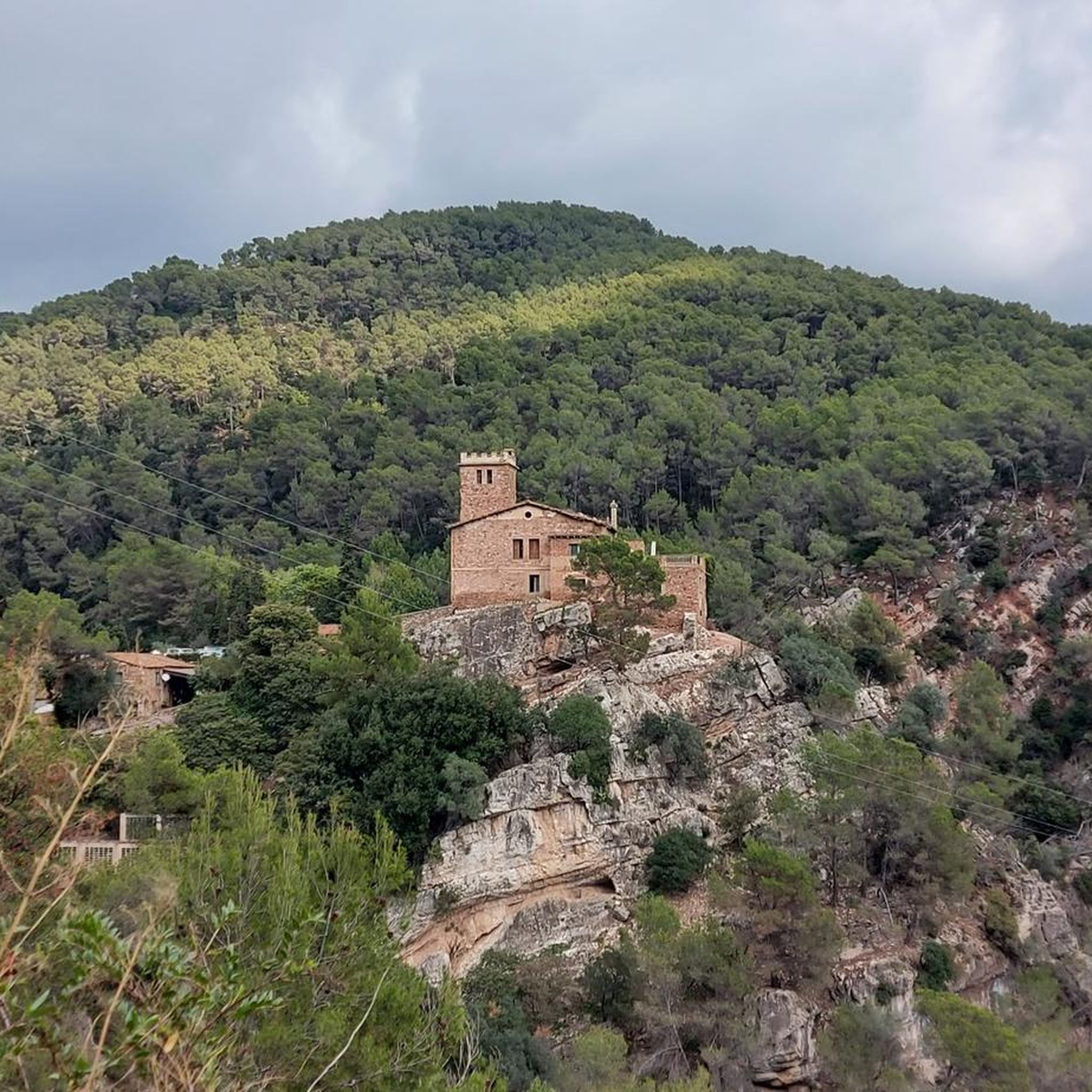
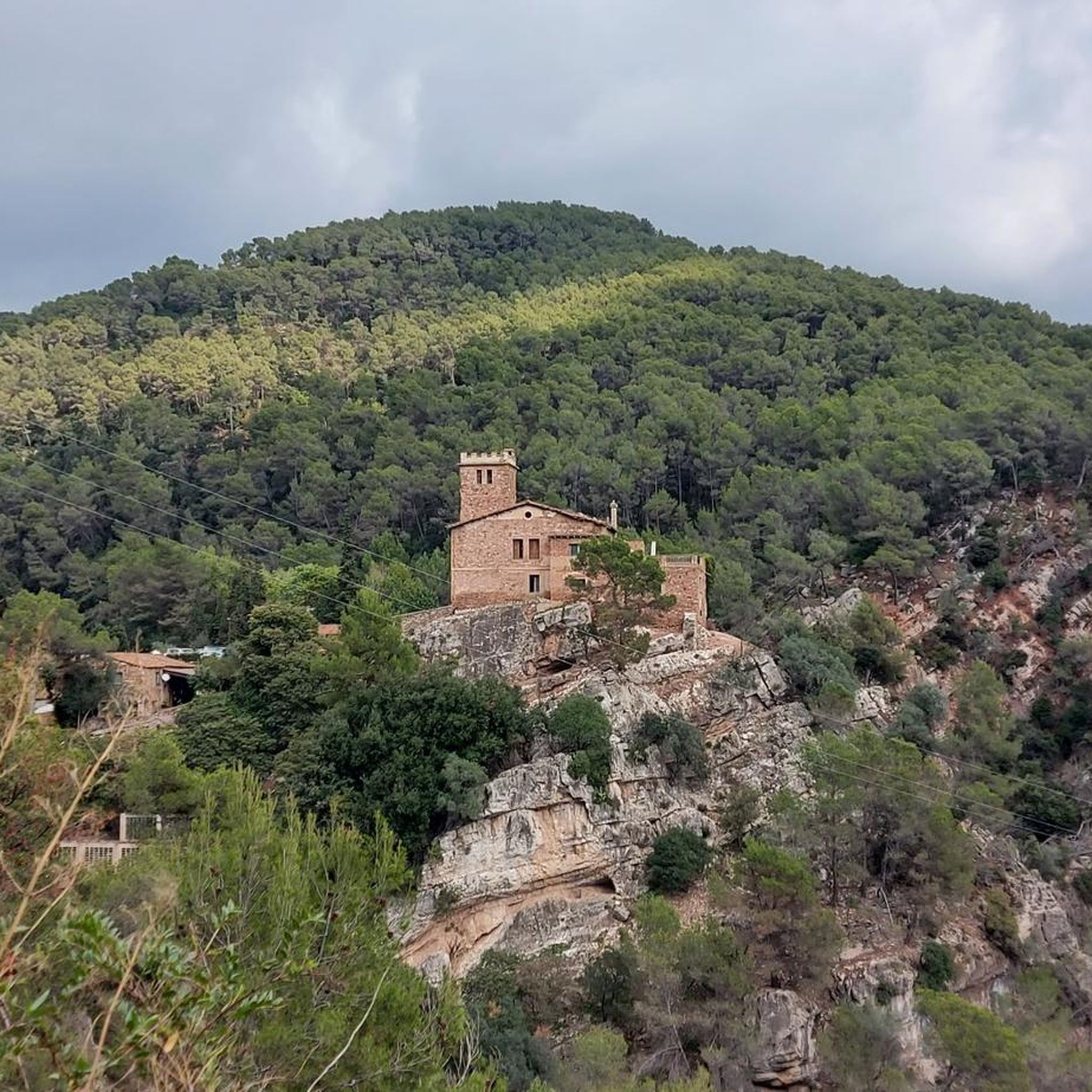
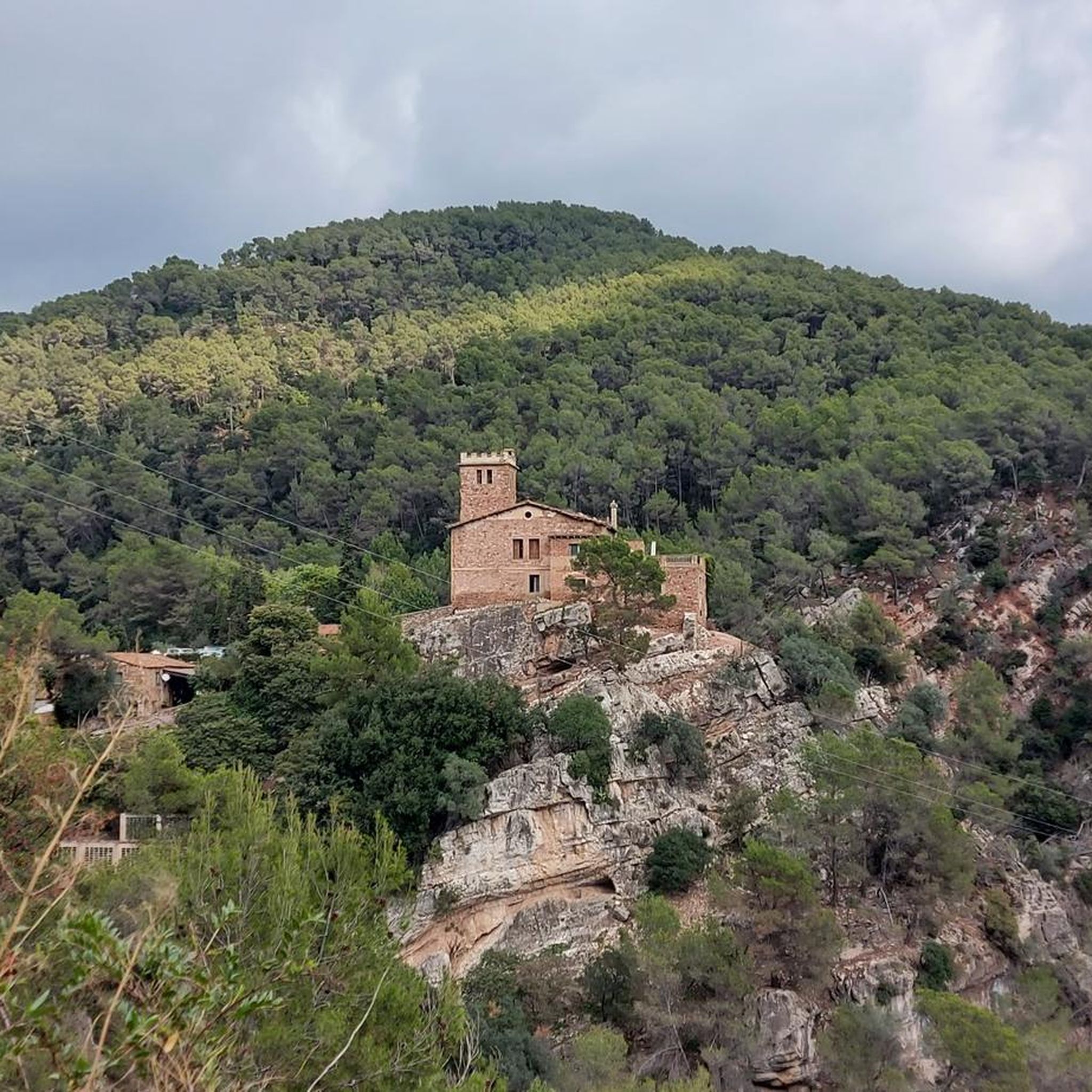
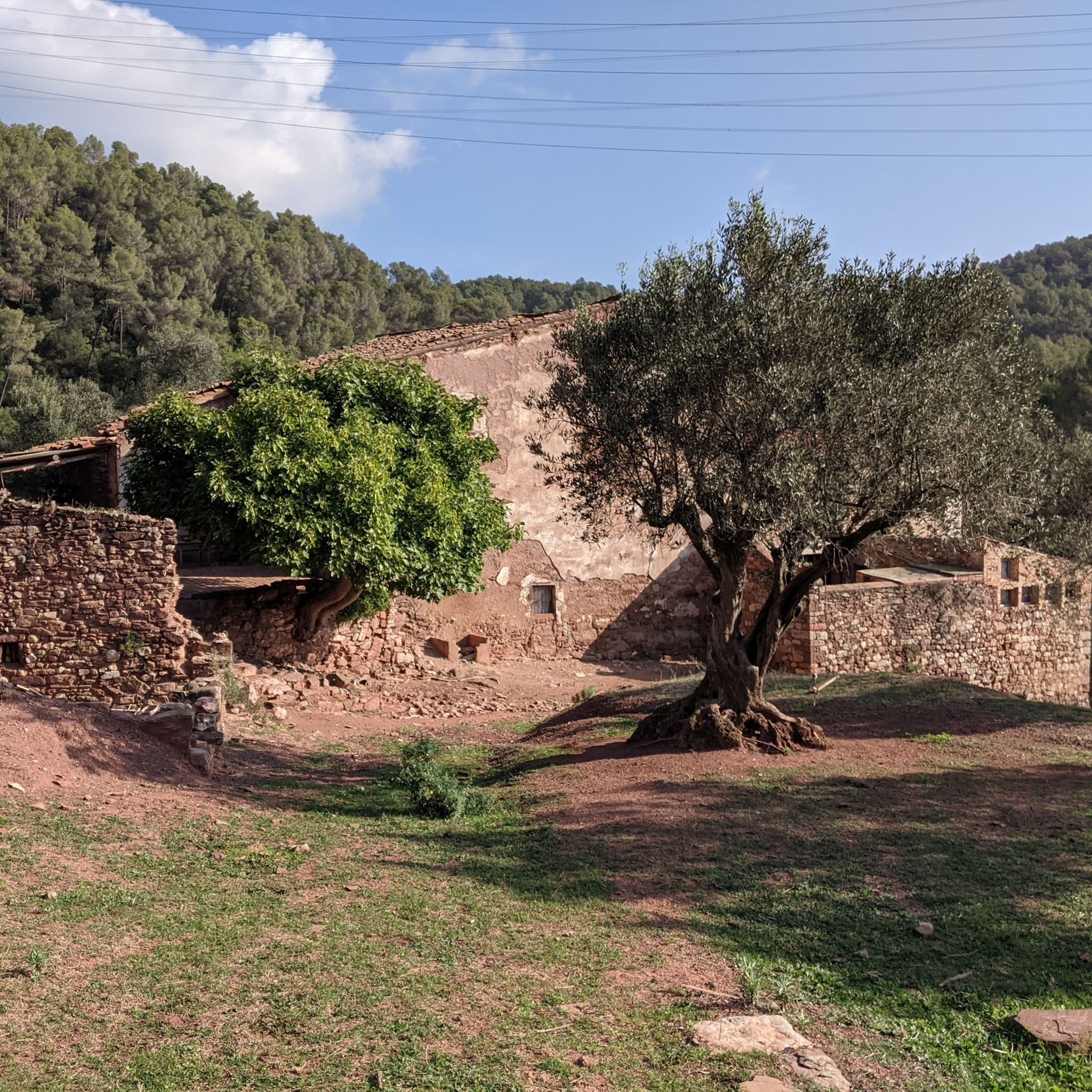
Casa de Guanta, a restaurant better known as Castell de Guanta, is a place to have a good breakfast or lunch, in a very quiet and hidden area, on the cliff that forms the Sentmenat stream.
0
0

O Casa de Guanta, is a restaurant that is halfway up the forest track in the Guanta area. The real Castle, its remains, are at Roca del Corb, near the house and can be reached by following the Puig Rodó path. Continuing on, you can connect with the Farell road. In the house there is a restaurant called Castell de Guanta where Teresa prepares delicious dishes and breakfasts.
1
0

Very pleasant and diverse walk through leafy areas and open areas
2
0

The castle of Pera, a medieval fortress in ruins, is located at 743 m above sea level on top of a hill between the Roca Sereny and the Baiarols hill. It has origins in the 10th century, at least, due to a citation from the year 978. It passed through the hands of different owners (between the 11th and 14th centuries) until the Sentmenat family owned it until the 19th century. The ruins of Castell de Pera, called the rock castle, still allow you to observe its structure. Its elongated shape from north to south occupies the rocky platform on which it is located. Part of the west wall is still quite intact with two rows of loopholes in front of what is supposed to have been the armory. The central part of the east wall is occupied by the apse of a small Romanesque temple, in which the image of the Virgin of Pera Castle was venerated. Finally, in the western part there are some remains of a vaulted ship, attached to a kind of tower, which contains a cavity from top to bottom and with a square base, which can give rise to several interpretations of what it could have been: cistern, dungeon, silo...
0
0

The highest peak in the natural park. Here is the Romanesque monastery of Sant Llorenç del Munt (10th century). There is also a very popular restaurant where you can enjoy one of the most spectacular views over much of Catalonia, thanks to the 1,104 m height.
3
0
El Castillo de Guanta is a medieval castle in the municipality of Sentmenat declared a cultural asset of national interest. It is a fortress documented in 1113 in a document issued by the Montcada family. Currently the castle is in ruins. There is a good restaurant and the exterior is very nice with a children's area.
2
0
Frequently Asked Questions
What historical significance do the castles around Sentmenat hold?
The castles in and around Sentmenat offer a deep dive into the region's history, with structures like Sentmenat Castle dating back to 1056, built on Roman, Visigothic, and Arab foundations. Gallifa Castle has documented history since 999 and even evidence of Iberian occupation from the 8th century BC. These sites reflect centuries of strategic importance and cultural evolution in the Vallés region.
Are there any family-friendly castles or sites with amenities for children?
Yes, Guanta Castle, though in ruins, is noted for its attractive exterior which includes a children's area, making it a pleasant stop for families. It also features a good restaurant on-site.
Which castles offer the best panoramic views of the region?
For breathtaking views, La Mola and the Monastery of Sant Llorenç del Munt is an excellent choice, offering extensive vistas over much of Catalonia from its 1,104 m height. Montbui Castle is also highly recommended for the 'majesty of the views' it provides over the Vallés Oriental and Vallés Occidental regions.
Can I explore the interior of Sentmenat Castle?
Sentmenat Castle is currently undergoing rehabilitation and is not open for entry. However, its perimeter can be explored, offering wide views of the surrounding area and a chance to appreciate its impressive three-meter-thick walls and Gothic architecture. For more details on its history, you can visit visitvalles.com.
Are there hiking or cycling routes near these castles?
Absolutely. The area around Sentmenat offers various outdoor activities. For cycling, you can find routes like the 'Castell de Guanta loop from Sentmenat' which passes by Guanta Castle. There are also numerous MTB Trails and Road Cycling Routes that incorporate historical sites and scenic landscapes. Many routes are available for different difficulty levels.
What is the best time of year to visit the castles around Sentmenat?
While specific weather data isn't provided, generally, spring and autumn offer pleasant temperatures for exploring historical sites and engaging in outdoor activities like hiking or cycling around the castles. Summers can be warm, and winters mild, but checking local weather forecasts is always recommended.
Are there any castles that are still well-preserved or have notable architectural features?
Sentmenat Castle is a large Gothic building with a well-preserved exterior, featuring a notable main facade with the coat of arms of the Marquisate of Sentmenat and both Gothic and Renaissance windows. Its three-meter-thick walls and stone bridge are also impressive architectural elements.
Can I find food and drink options near the castles?
Yes, Guanta Castle has a good restaurant on its exterior. Additionally, La Mola and the Monastery of Sant Llorenç del Munt features a very popular restaurant where you can enjoy meals with spectacular views.
What unique features does Gallifa Castle offer visitors?
The remains of Gallifa Castle stand on the top of the town of Gallifa, preserving parts of its encircling walls, two fortified portals, and vestiges of a circular tower. Within its old walled enclosure is the restored Romanesque chapel of Santa Maria del Castell, now known as the 'Mother of God of Ecology' Church. The site offers historical depth and scenic views, and is often guarded by a local who shares stories.
Are there any castles that are more like ruins but still worth visiting?
Guanta Castle is currently in ruins but is still a noteworthy stop due to its historical significance, attractive exterior, and on-site restaurant with a children's area. Gallifa Castle also consists of evocative remains, offering a glimpse into ancient history with its Iberian and medieval vestiges.
How long should I plan for a visit to the castles around Sentmenat?
The duration of your visit depends on which castles you choose to explore. For sites like La Mola and the Monastery of Sant Llorenç del Munt, which involves a hike, you might spend half a day or more. For castles like Sentmenat Castle (perimeter only) or Guanta Castle (ruins with amenities), a couple of hours might suffice, especially if combined with a meal.
Are there any castles with a focus on religious history?
Yes, La Mola and the Monastery of Sant Llorenç del Munt features a Romanesque monastery from the 10th century. Additionally, within the walled enclosure of Gallifa Castle, you'll find the restored Romanesque chapel of Santa Maria del Castell, which now serves as the 'Mother of God of Ecology' Church.
Most popular routes around Sentmenat
Most popular attractions around Sentmenat

Get inspired with the komoot mobile app


Explore more
Looking for the best castles somewhere else? Discover other guides around Sentmenat:
