Attractions and Places To See around Maello - Top 13
Best attractions and places to see around Maello, a municipality in the province of Ávila, offer a blend of ancient history and local religious heritage. The area is characterized by its rural setting, with significant archaeological sites and charming religious buildings. Located near the Adaja River, the landscape features holm oak groves and fertile land. Visitors can explore historical landmarks and serene spots within this region.
Best attractions and places to see around Maello
- The most popular attractions is Castro…
Last updated: August 23, 2026
Castro de Las Cogotas
Highlight • Historical Site
Translated by Google •
Tip by

Mingorría
Highlight • Settlement
Translated by Google •
Tip by
Sign up now to discover places like this
Get recommendations on the best single tracks, peaks, & plenty of other exciting outdoor places.
Sign up for free
Maello
Highlight • Settlement
Translated by Google •
Tip by

Vega de Santa Maria
Highlight • Settlement
Translated by Google •
Tip by
Hermitage of the Virgin of Cubillo
Highlight • Religious Site
Translated by Google •
Tip by
Sign up for free to discover even more attractions around Maello.
Sign up for free
Already have an account?
Start today with a free account
Your next adventure awaits.
Login or Signup

Tips from the Community

The Castro de Las Cogotas, located in the municipality of Cardeñosa (Ávila), is one of the most emblematic Iron Age archaeological sites on the Iberian Peninsula, especially linked to the Vetton people. It is situated on a hill next to the Adaja River, surrounded by holm oak groves, pastures, and fertile land. This location offered defensive advantages and abundant natural resources. The fort is open to the public and has an Interpretation Center that explains its history and characteristics. Periodic archaeological conferences are also held on the site.
2
0
The place name Mingorría retains Basque reminiscences, deriving from “mendi gorria,” which means “red mountain” or “red land.” This is observed in other cases in the province of Ávila, such as the town of Mendigorría in Navarra. In historical documents, Mingorría already appears as Ningorría, and it is believed that there was an assimilation due to the change of the liquid initials “M” to “N.” Another legend attributes the name of Mingorría to the notice that José Chinchurreta gave to monarch Felipe II, justifying the delay in the supply of granite during the works of the Monastery of El Escorial.
4
0

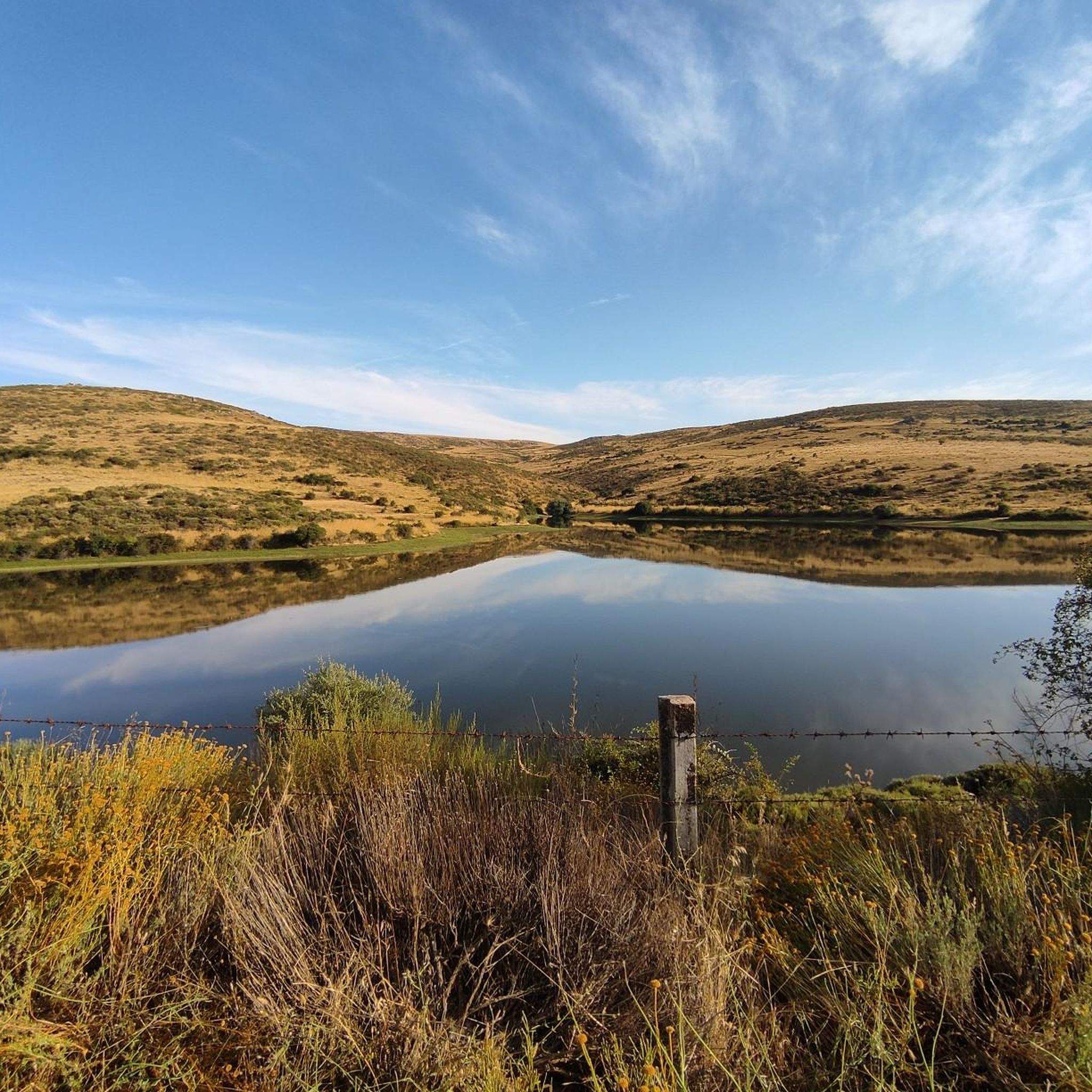
Las Cogotas is an ancient walled enclosure that is currently an important archaeological site located north of the city of Ávila and right next to the Embalse del Castro de Las Cogotas.
0
1
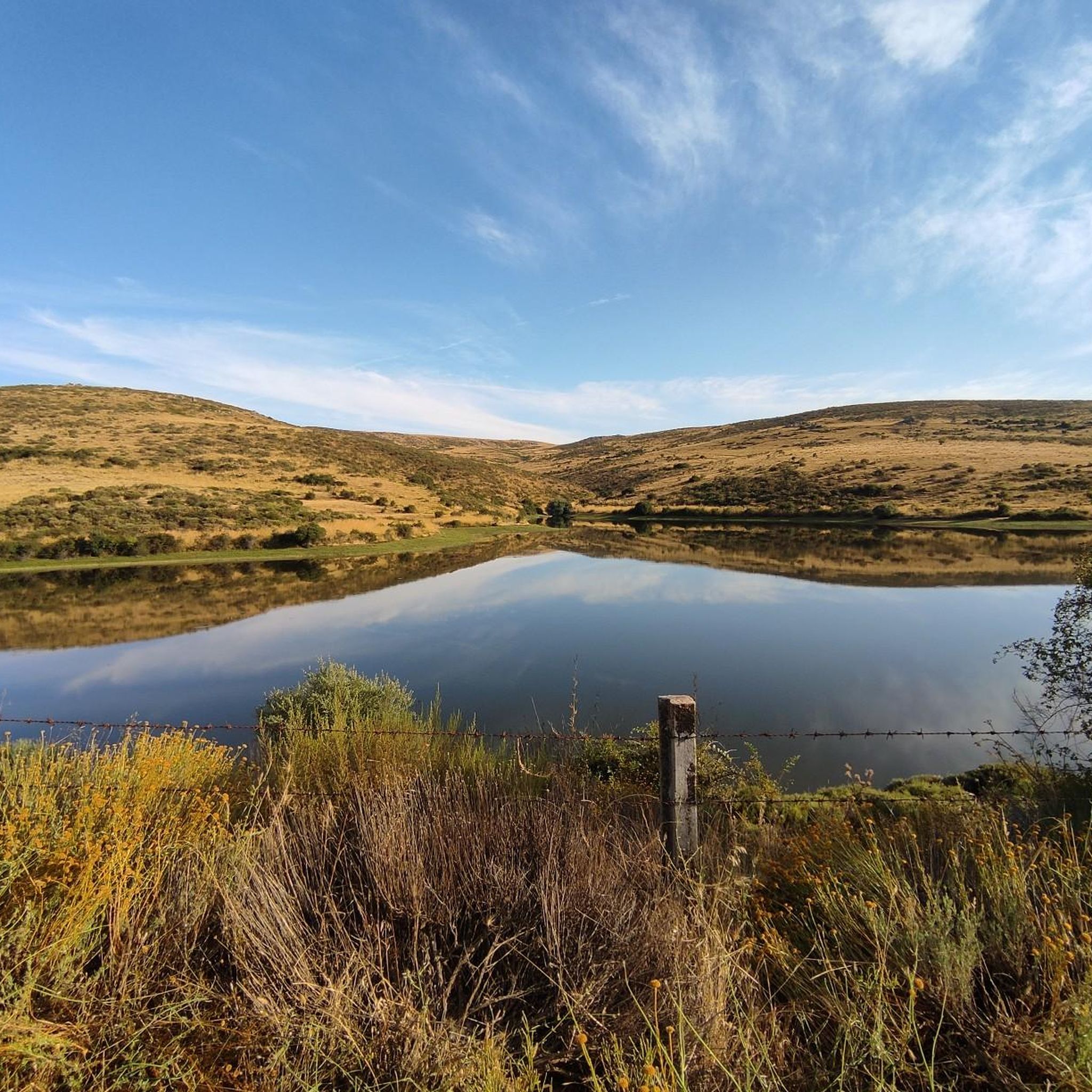
A small town that is characterized by its location close to the banks of the Adaja river where it flows through the territory of the municipality. The surroundings of the town are beautiful, as is the church that is in the old center of the town.
2
0
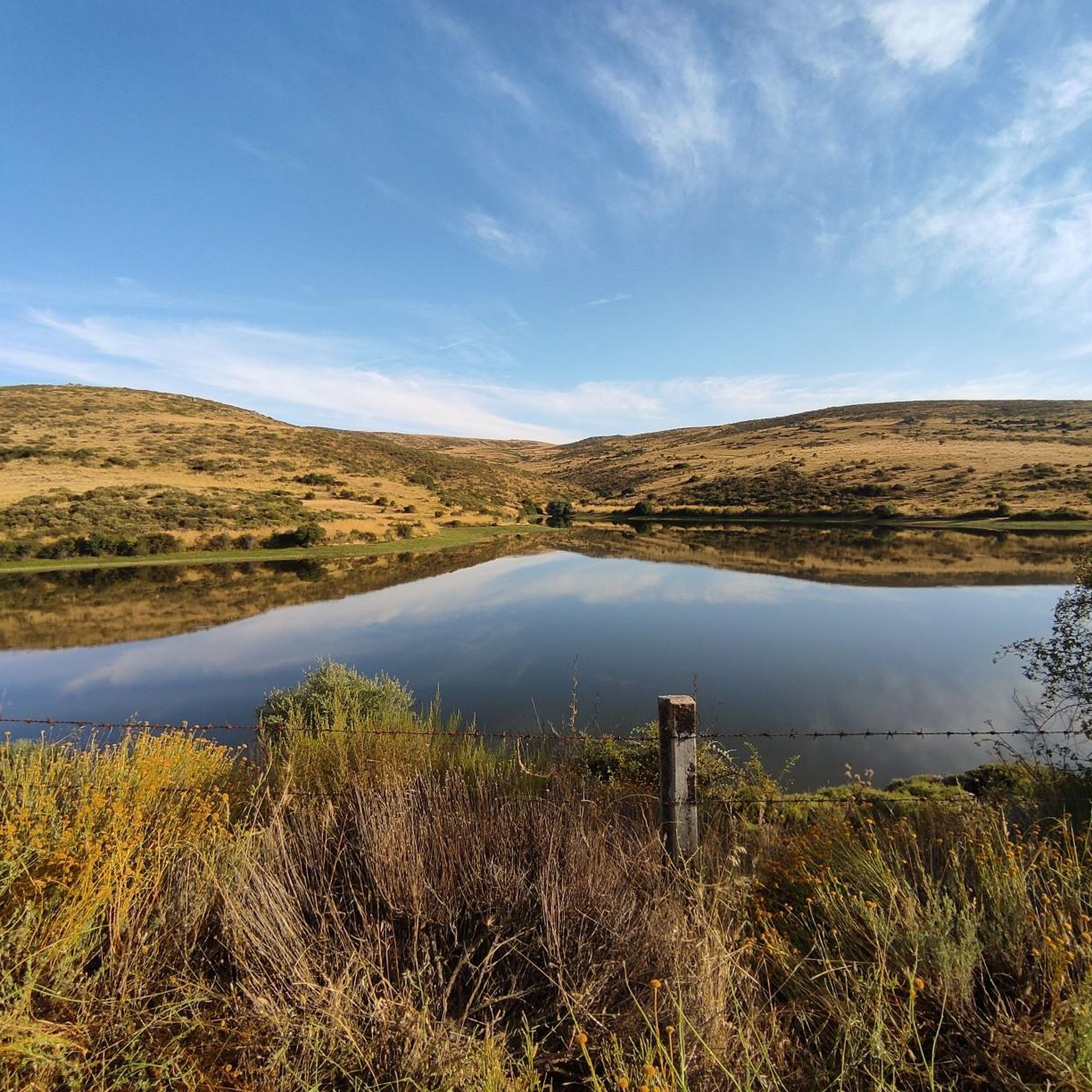
Beautiful hermitage that is located in the middle of a plain between the Sierras de Ojos-Albos and the Sierra de Malagón to the southeast. Place to take a break in a beautiful church.
1
0
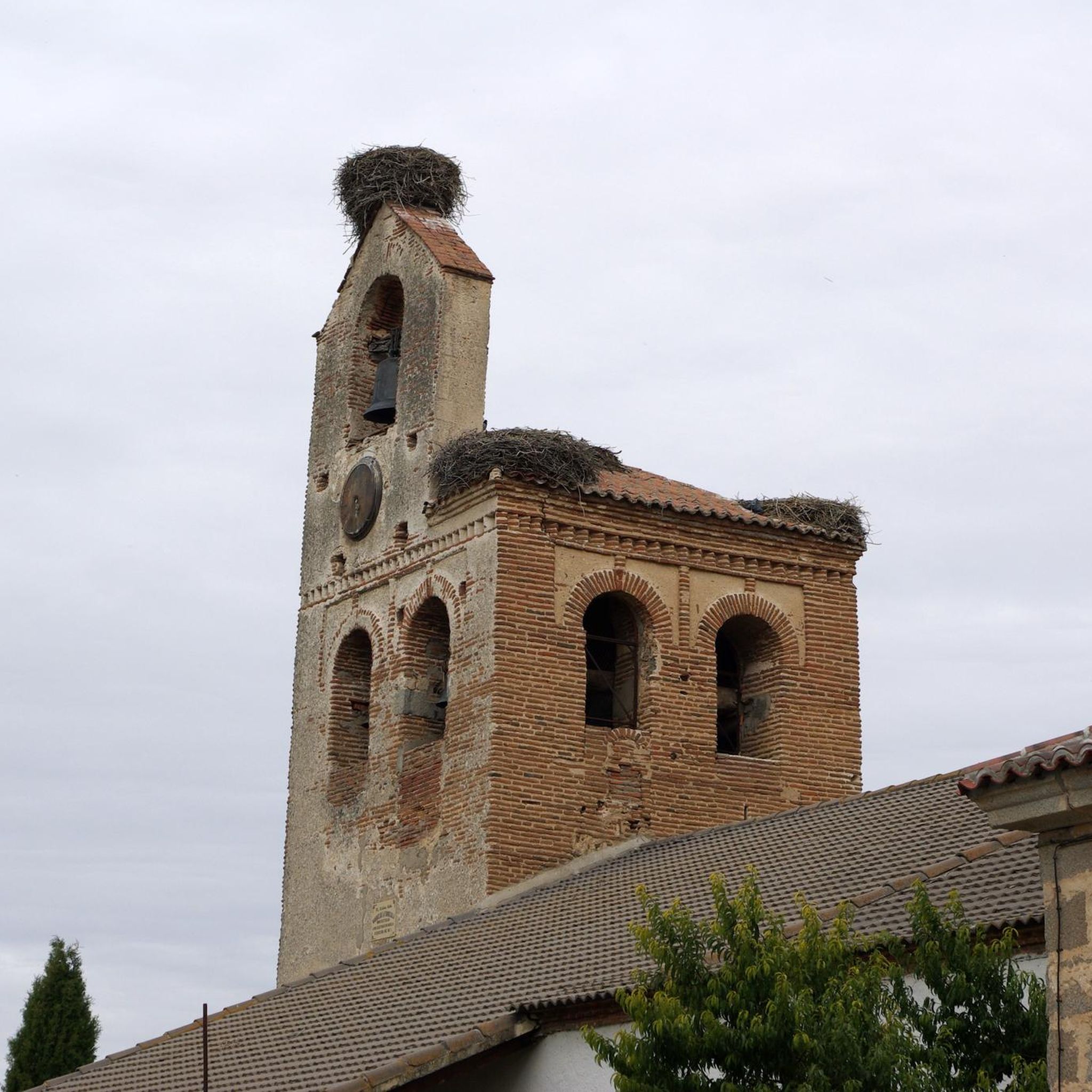
On its arrival in the town, it is enclosed in large ridges that fall in rounded shapes where the nucleus is located in its lower part. The church, beautiful, there is usually a nest of storks that give it a special touch.
1
0
Small town located north of the city of Ávila and that offers views of the plains of Avila in the area. At the beginning of the town is the Iglesia de Nuestra Señora de la Asunció, a little away from the center.
0
0
Frequently Asked Questions
What historical sites can I visit near Maello?
The most prominent historical site is the Castro de Las Cogotas, an emblematic Iron Age archaeological site linked to the Vetton people. It features ancient walled enclosures, a field of "piedras hincadas," and an Interpretation Center. You can also explore the settlement of Mingorría, which has historical roots and is characterized by its location near the Adaja River.
Are there any significant religious buildings in the Maello area?
Yes, the Hermitage of the Virgin of Cubillo is a beautiful and serene spot for local devotion, situated between the Sierras de Ojos-Albos and Sierra de Malagón. Within Maello itself, you can find the Iglesia de San Juan Bautista, dedicated to the town's patron saint, known for its retablo depicting scenes from the life of Saint John.
What natural features can I explore around Maello?
The area around Maello is characterized by its rural setting and natural beauty. The Castro de Las Cogotas is situated next to the Adaja River, surrounded by holm oak groves and fertile land. The Embalse del Castro de Las Cogotas (reservoir) is also directly adjacent to the archaeological site, offering scenic views.
Are there family-friendly attractions or activities in Maello?
Many of the local settlements and religious sites are considered family-friendly. For instance, the main settlement of Maello itself, with its distinctive church often hosting a stork's nest, offers a charming experience for families. The Vega de Santa Maria is another small town with a church and views of the plains, suitable for a family visit.
What outdoor activities can I do near Maello's attractions?
The region offers various outdoor activities, particularly hiking and cycling. You can find several routes for different sports. For hiking, explore trails like "La Presa del Embalse to Castro de las Cogotas" or "Route of the Mills from Mingorría." For more options, visit the Hiking around Maello guide. If you prefer mountain biking, routes like "Arroyo de los Prados – Maello loop" are available; check the MTB Trails around Maello guide. Road cycling enthusiasts can find routes such as "Muñopedro, Maello y Hernansancho – circular desde Sanchidrián" in the Road Cycling Routes around Maello guide.
Are there hiking opportunities near Maello's attractions?
Yes, there are several hiking trails available. An easy circular route, "La Presa del Embalse to Castro de las Cogotas," allows you to explore the area around the significant archaeological site. Another easy option is the "Route of the Mills from Mingorría." For a comprehensive list of trails, including moderate and difficult options, refer to the Hiking around Maello guide.
What do visitors enjoy the most about Maello and its surroundings?
Visitors appreciate the blend of ancient history and the tranquil rural setting. The historical significance of sites like the Castro de Las Cogotas, with its rich Iron Age heritage, is a major draw. The serene atmosphere of places like the Hermitage of the Virgin of Cubillo and the charm of small settlements like Maello itself, often noted for its stork nests, also contribute to a memorable experience.
Is parking available at the main attractions?
While specific parking details for every attraction are not always listed, the Castro de Las Cogotas, being a significant archaeological site with an Interpretation Center, typically offers visitor parking facilities. For hiking trails, parking is often available near trailheads or in the nearby villages.
What is the best time to visit Maello for outdoor activities?
While specific seasonal data is not provided, the region's rural setting and outdoor activities like hiking and cycling are generally best enjoyed during milder weather. Spring and autumn typically offer pleasant temperatures for exploring historical sites and natural landscapes without the extreme heat of summer or the chill of winter.
Are there any unique or lesser-known spots to visit near Maello?
Beyond the main highlights, exploring the small settlements like Mingorría or Vega de Santa Maria can offer a glimpse into local life and charming architecture. These towns, with their historical churches and scenic surroundings, provide a quieter experience away from more frequented sites.
Can I learn more about the history of the Vetton people in this region?
Absolutely. The Castro de Las Cogotas is directly associated with the Vetton people and is one of the most emblematic Iron Age archaeological sites on the Iberian Peninsula. The site features an Interpretation Center that explains its history and characteristics, and an archaeological classroom in Cardeñosa also offers free access to original pieces and reproductions of the Vetton culture.

Get inspired with the komoot mobile app


Explore more
Still not found the Highlight you’re looking for? See guides of the top attractions in other regions:
