Attractions and Places To See around Alcubilla De Avellaneda - Top 15
Best attractions and places to see around Alcubilla De Avellaneda showcase a region rich in history, cultural heritage, and natural features. Located in the province of Soria, this area is known for its numerous springs, historical landmarks, and ancient routes. Visitors can explore a landscape characterized by centenarian holm oaks, vineyards, and the Pilde River. The municipality offers a blend of historical sites and natural beauty, making it a destination for those interested in exploring the past and enjoying the…
Last updated: August 23, 2026
Peñaranda de Duero
Highlight • Settlement
Translated by Google •
Tip by

Fuentearmegil
Highlight • Settlement
Translated by Google •
Tip by

Sign up now to discover places like this
Get recommendations on the best single tracks, peaks, & plenty of other exciting outdoor places.
Sign up for free
Alcubilla de Avellaneda
Highlight • Settlement
Translated by Google •
Tip by

Church of San Ginés, Rejas de San Esteban
Highlight • Religious Site
Translated by Google •
Tip by
Quintanarraya
Highlight • Settlement
bigjoe.es/el-destierro-del-cid-etapa-3-santo-domingo-de-silos-langa-de-duero
Translated by Google •
Tip by

Sign up for free to discover even more attractions around Alcubilla De Avellaneda.
Sign up for free
Already have an account?
Start today with a free account
Your next adventure awaits.
Login or Signup
Other adventures around Alcubilla De Avellaneda

Tips from the Community

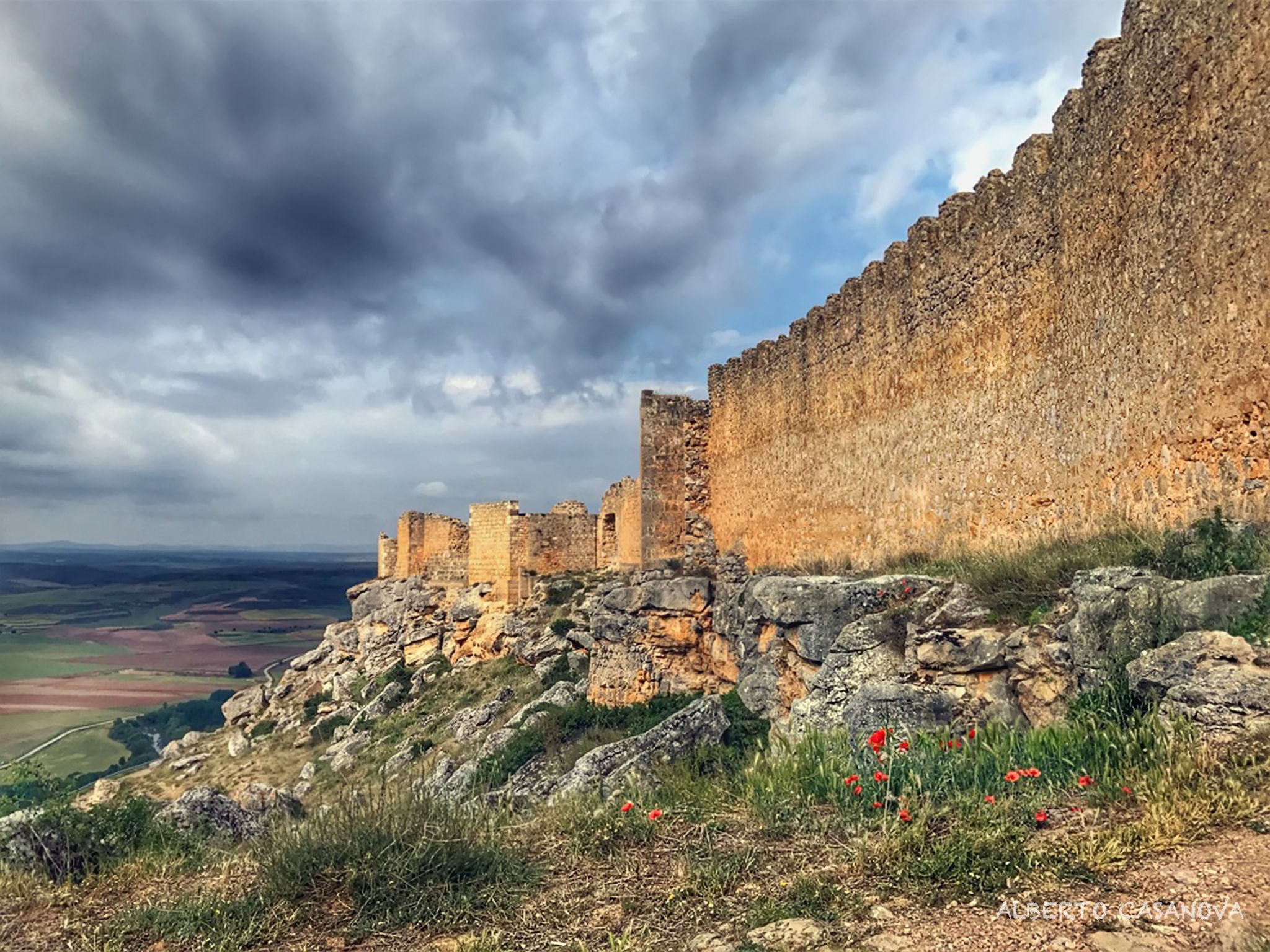
Peñaranda de Duero is a municipality in Burgos, in the Ribera del Duero region, known for its rich historical heritage. Its old town, declared a Historic Site, is notable for the Peñaranda de Duero Castle, the Palace of the Counts of Miranda, its arcaded Plaza Mayor, and its provincial roll. In addition to its architecture, the town is part of the Ribera del Duero Designation of Origin and has a strong winemaking tradition.
4
0

a place of passage for the path of the Cid
0
0

Fuentearmegil is a small town in Soria that had already been reconquered by Christians in the 14th century. The Romanesque church of San Andrés could be built using the remains of an old mosque judging by the bricked-up Arabic doors found in its nave. The Mudejar style coffered ceiling is beautiful.
1
0
Rejas de San Esteban was declared a historical and artistic complex in 2007 due to the richness of its heritage, headed by the Romanesque churches of San Ginés and San Martín, from the 11th and 12th centuries. In addition to its traditional architecture of stone houses.
0
0

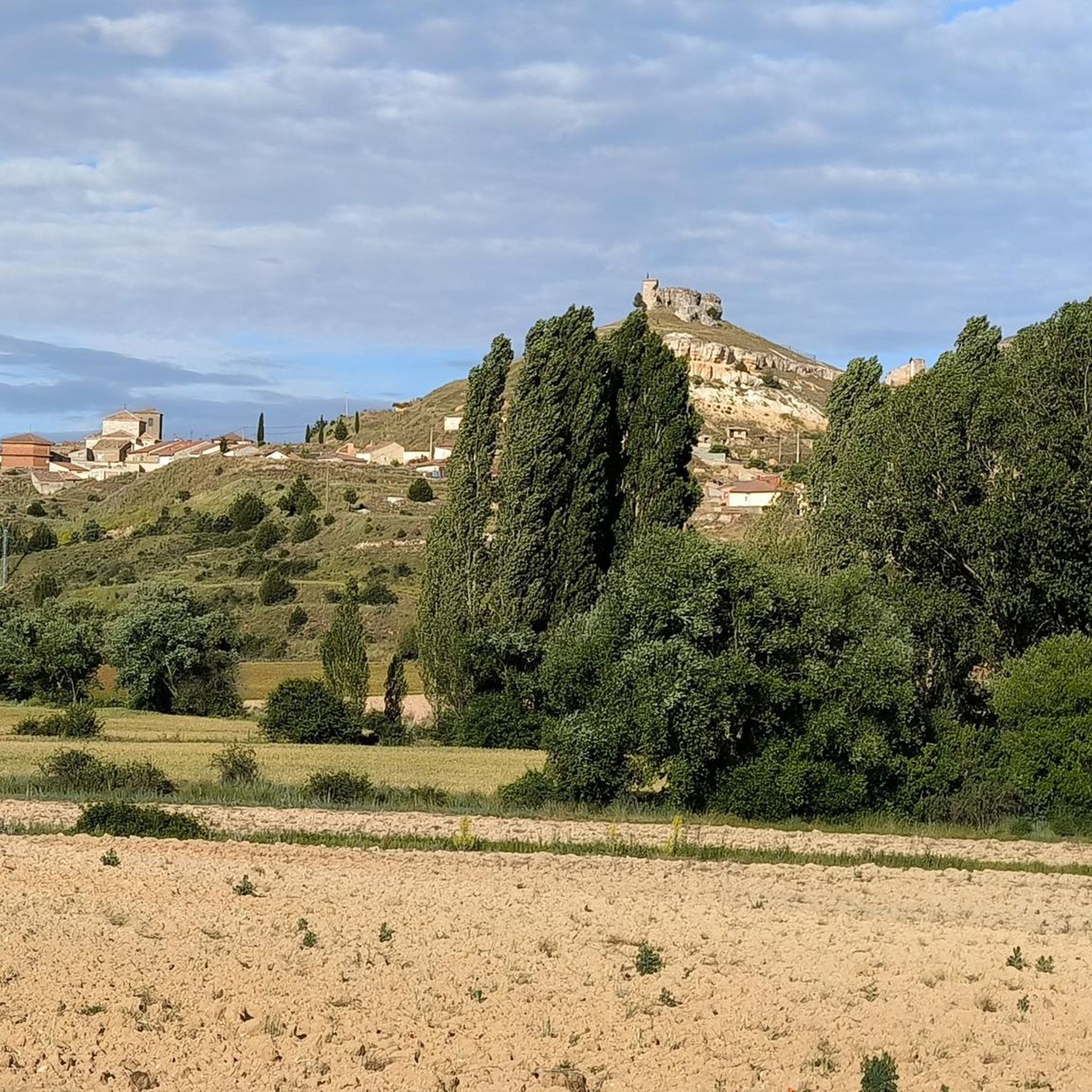
Small town that the Río Perales passes through, which ends up flowing into the Duero itself. Inside the town we find the Iglesia de San Andrés, which joins one of the most important parts of the town.
0
0

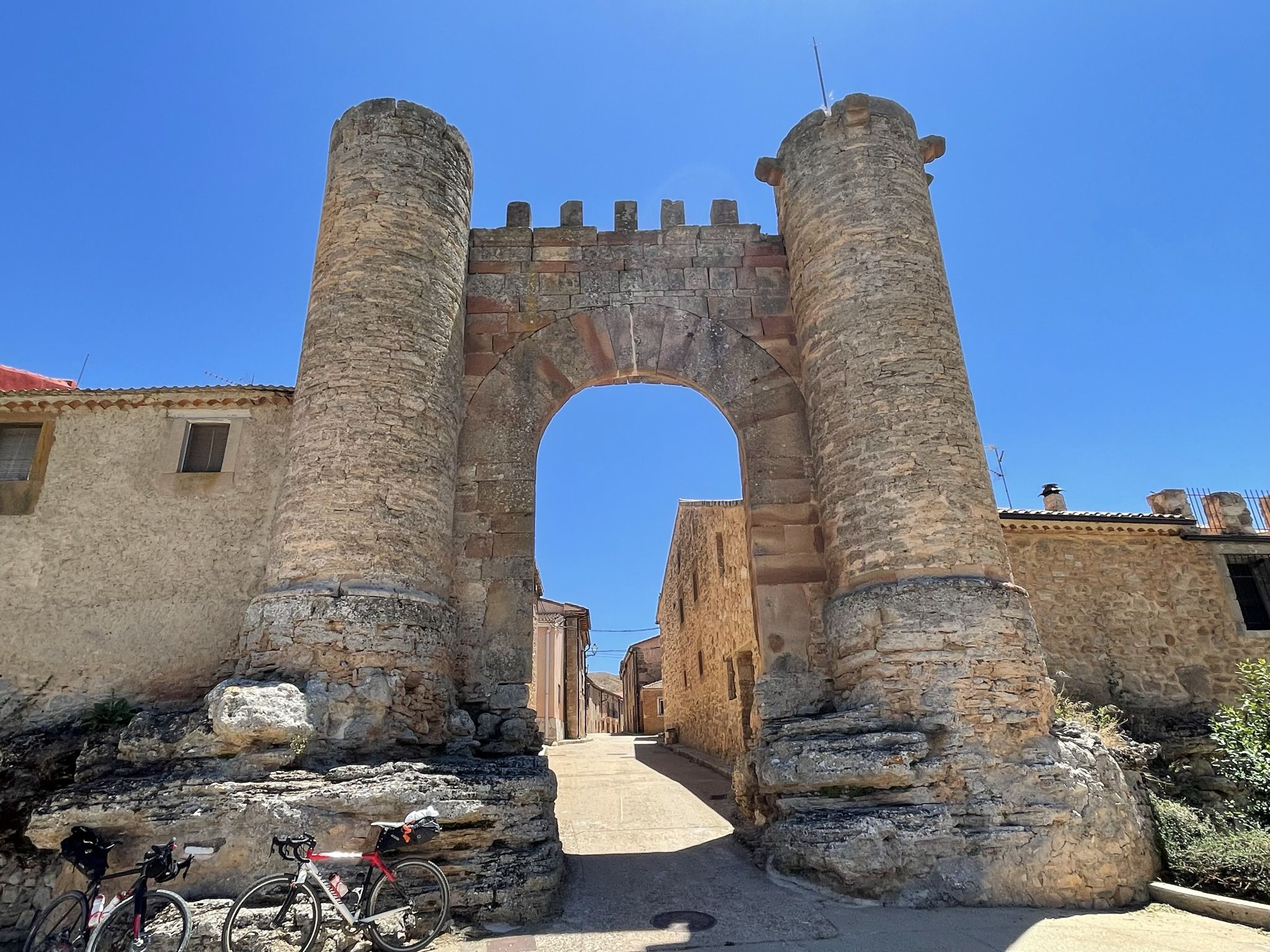
This small town in the province of Soria was formerly located on the Roman road that connected Osma and Clunia. Today it is a charming town where you can enjoy the tranquility, the traditional stone architecture and a good Ribera del Duero wine in its restaurant.
0
0
The town of Peñaranda de Duero has been declared a historic-artistic site. Through a walk through the town you will quickly see why: among its heritage treasures it has a castle from the 10th century, the impressive palace of the Counts of Miranda and La Botica, one of the oldest pharmacies in Spain.
2
0

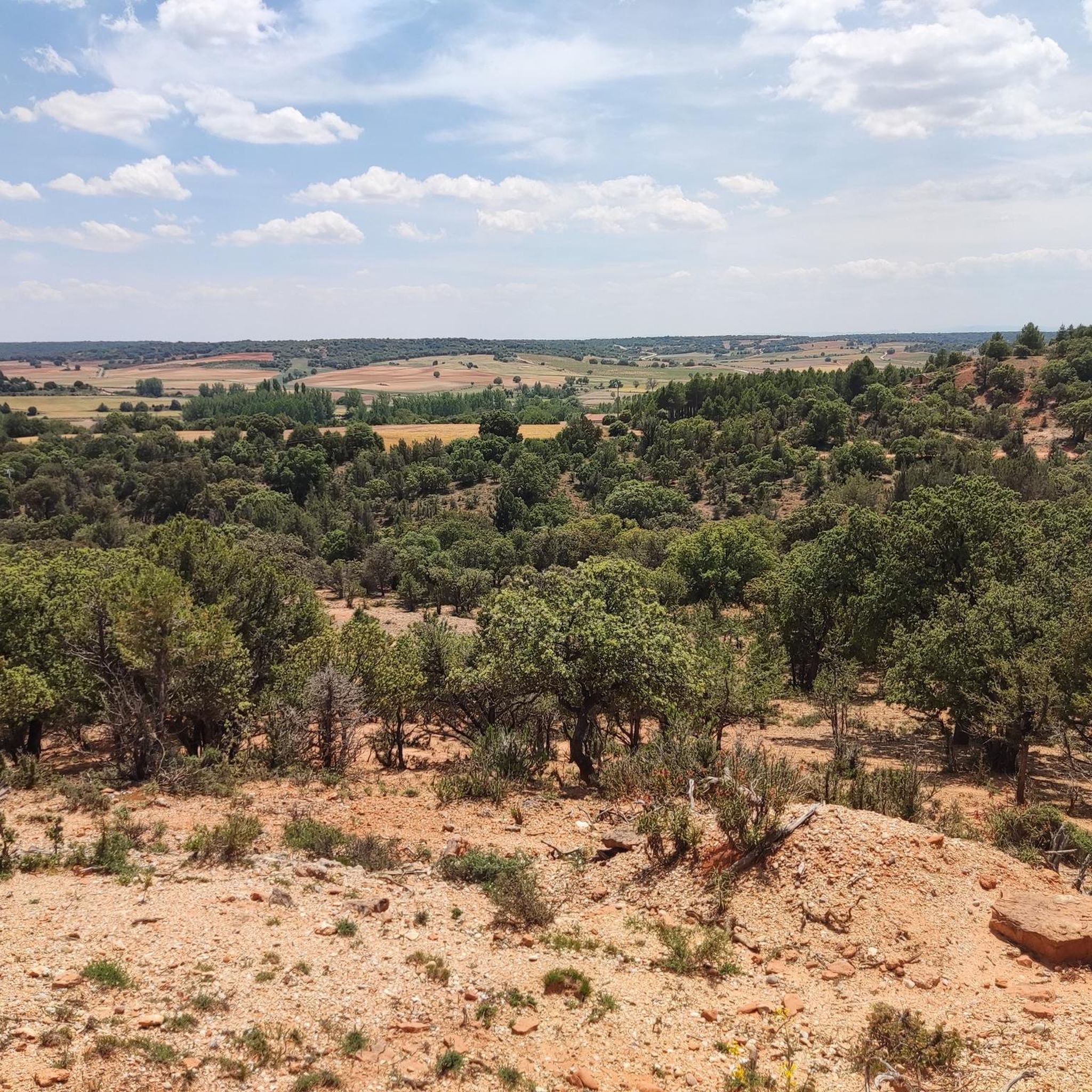
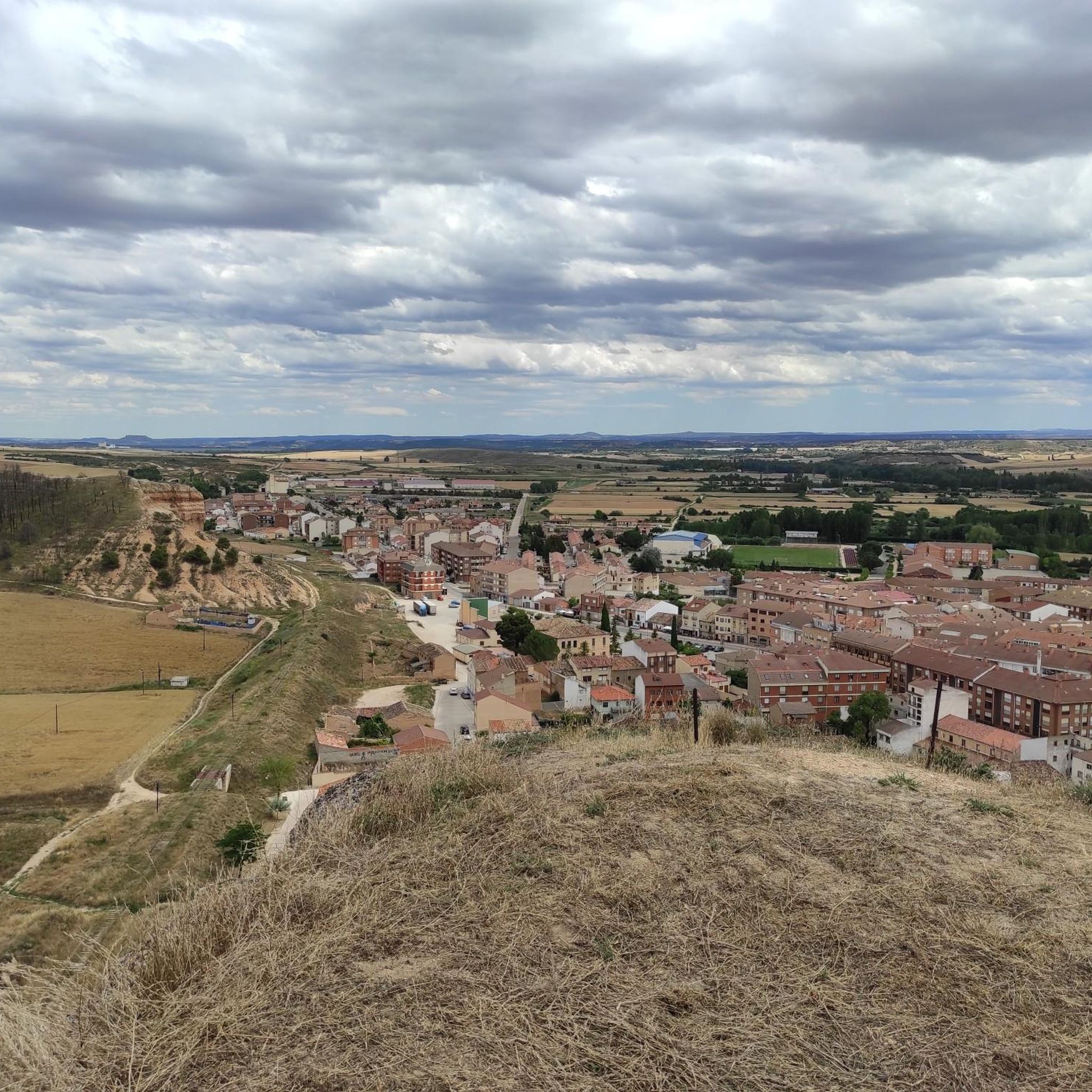
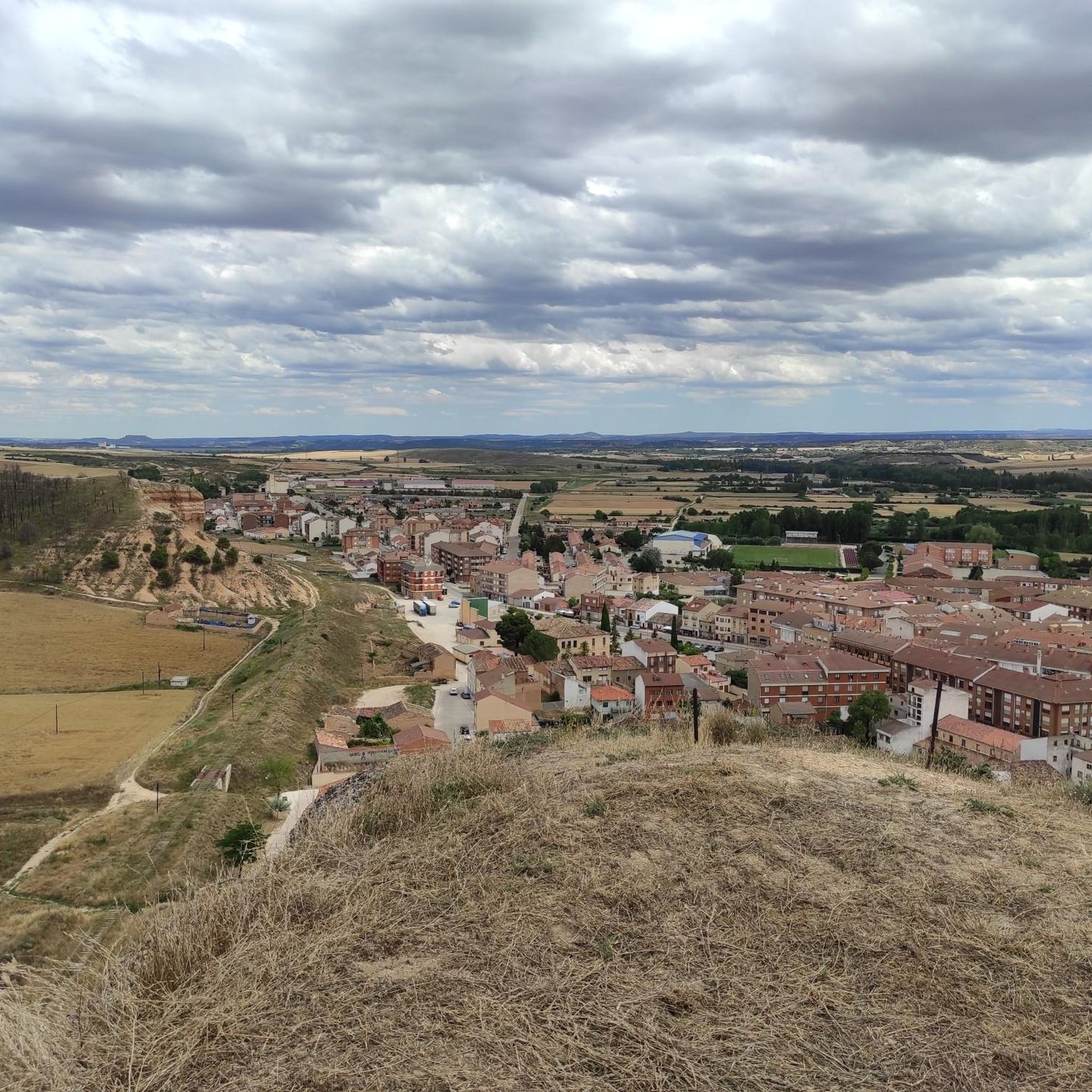
It marked the end of the descent on our way to Langa de Duero del Camino del Cid that we did in 2019: https://bigjoe.es/el-destierro-del-cid-etapa-3-santo-domingo-de-silos-langa-de-duero/
1
0
Frequently Asked Questions
What historical sites can I explore around Alcubilla de Avellaneda?
The region is rich in history. You can visit the Renaissance-style Palacio de los Avellaneda, built in 1575, or the Iglesia de Santa María Magdalena with its polychrome wooden altarpiece. Don't miss the Ermita del Santo Cristo del Campillo, which incorporates Roman funerary stelae from the 1st century BC. Additionally, remnants of an ancient Roman Road, locally known as "Senda de los Moros," can be explored. Further afield, consider visiting Peñaranda de Duero, a historic site with a 10th-century castle and the Palace of the Counts of Miranda.
Are there any natural attractions or features to see?
Alcubilla de Avellaneda is known as "the village of a hundred fountains," boasting over 44 springs. You can explore many of these on the 13-kilometer "Ruta de las Fuentes" hiking route. The area also features the Pilde River, numerous centenarian holm oaks, and landscapes of vineyards and juniper forests.
What cultural experiences are available in the area?
Beyond historical buildings, you can visit a rehabilitated wine press transformed into an Ethnological Museum, showcasing traditional winemaking methods. The region is also part of the Ribera del Duero Denomination of Origin, offering insights into its strong winemaking tradition.
What kind of hiking trails are available near Alcubilla de Avellaneda?
The area offers diverse hiking opportunities. You can walk the "Ruta de las Fuentes" to discover the region's springs. The municipality is also traversed by the historical Ruta del Cid and Ruta de la Lana. For more options, explore the hiking guide around Alcubilla De Avellaneda, which includes routes like the moderate "Roman town of Clunia — circular from Peñalba de Castro" and "Arabuzos Trail".
Are there cycling or mountain biking routes nearby?
Yes, there are several routes for both cycling and mountain biking. For mountain biking, you can find routes like the "Quintanarraya – Huerta del Rey loop from Albergue" (moderate, 43.4 km). Cyclists can explore routes such as the "San Esteban de Gormaz – Langa de Duero loop from Alcubilla de Avellaneda" (difficult, 59.1 km). More details are available in the MTB Trails guide and the Cycling guide around Alcubilla De Avellaneda.
What is the best time of year to visit Alcubilla de Avellaneda for outdoor activities?
The region offers pleasant conditions for outdoor activities during spring and autumn, when temperatures are milder. Summer can be warm, ideal for exploring the numerous fountains and rivers, while winter offers a quieter, more serene experience, though some routes might be less accessible.
Are there any family-friendly attractions or activities?
Families can enjoy exploring the "Ruta de las Fuentes" to discover the many springs. The historical sites like the Palacio de los Avellaneda and the Roman Road offer educational outings. The nearby settlement of Peñaranda de Duero is also considered family-friendly due to its historical heritage.
Where can I find unique historical architecture in the area?
Beyond the Palacio de los Avellaneda and the Iglesia de Santa María Magdalena, consider visiting Rejas de San Esteban, declared a historical and artistic complex. It features Romanesque churches like San Ginés and San Martín from the 11th and 12th centuries, alongside traditional stone houses.
What is the significance of the Roman Road in Alcubilla de Avellaneda?
The Roman Road, known locally as "Senda de los Moros," is an ancient route that once connected the Roman cities of Clunia and Uxama. Remnants of this calzada, approximately 6 meters wide, can still be seen between Alcubilla de Avellaneda and Alcoba de la Torre, offering a glimpse into the region's Roman past.
Are there any lesser-known or 'hidden gems' to discover?
A unique find is "El Guardaviñas," a restored stone hut originally used by vineyard guards. The Ermita del Santo Cristo del Campillo, with its Roman funerary stelae, also offers a fascinating and less common historical insight. Exploring the numerous, often restored, fountains along the "Ruta de las Fuentes" can also lead to charming discoveries.
What is special about the churches in the region?
The Iglesia de Santa María Magdalena in Alcubilla de Avellaneda is a Renaissance church with a notable polychrome wooden altarpiece. In Fuentearmegil, the Romanesque church of San Andrés features a beautiful Mudejar-style coffered ceiling and may have been built using remains of an old mosque.
What are the main characteristics of the landscape around Alcubilla de Avellaneda?
The landscape is diverse, featuring vineyards of the Ribera del Duero Denomination of Origin, vast cereal fields, and forests dominated by centenarian holm oaks and junipers. The Pilde and Cañicera rivers also contribute with their lush riverside vegetation, creating a varied and picturesque environment.
Most popular routes around Alcubilla De Avellaneda

Get inspired with the komoot mobile app


Explore more
Still not found the Highlight you’re looking for? See guides of the top attractions in other regions:
