Top 5 Castles around Almonacid De Toledo
Best castles around Almonacid De Toledo offer a journey through centuries of history, set against the backdrop of the Toledo province. The region is characterized by its rolling countryside and strategic elevated positions, where fortifications once guarded ancient routes. These historical sites provide insights into medieval architecture and military significance. Visitors can explore structures with Moorish origins and later Christian reforms, many offering expansive views of the surrounding landscape.
Best castles around Almonacid De Toledo
- The most popular castles is…
Last updated: June 29, 2026
Almonacid Castle
Highlight • Castle
Translated by Google •
Tip by

Castle of the Counts of Orgaz
Highlight • Castle
Translated by Google •
Tip by
Sign up now to discover places like this
Get recommendations on the best single tracks, peaks, & plenty of other exciting outdoor places.
Sign up for free
Orgaz
Highlight • Settlement
Translated by Google •
Tip by
Mascaraque
Highlight • Settlement
Translated by Google •
Tip by
Peñas Negras Castle
Highlight • Castle
Translated by Google •
Tip by

Start today with a free account
Your next adventure awaits.
Login or Signup
Popular around Almonacid De Toledo
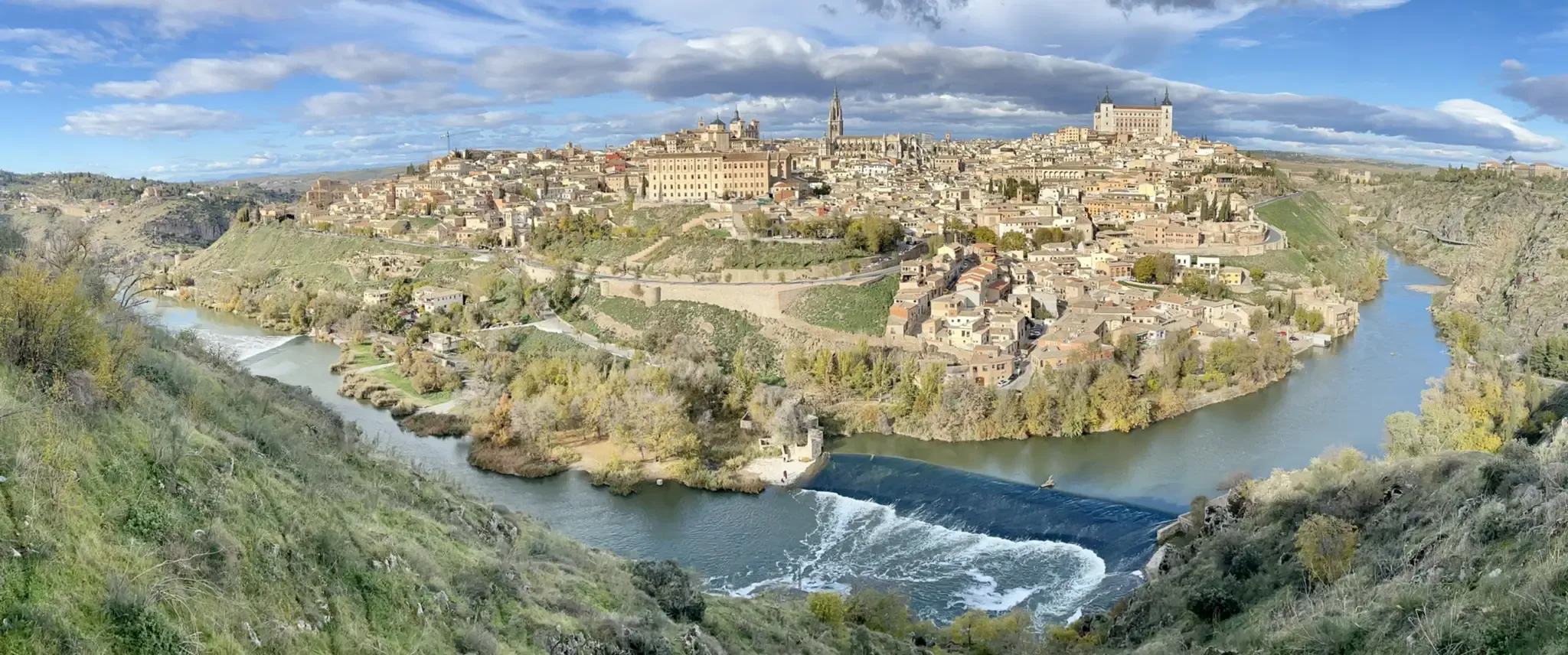
A journey to the interior of the Iberian Peninsula – Levante Way (GR 239)
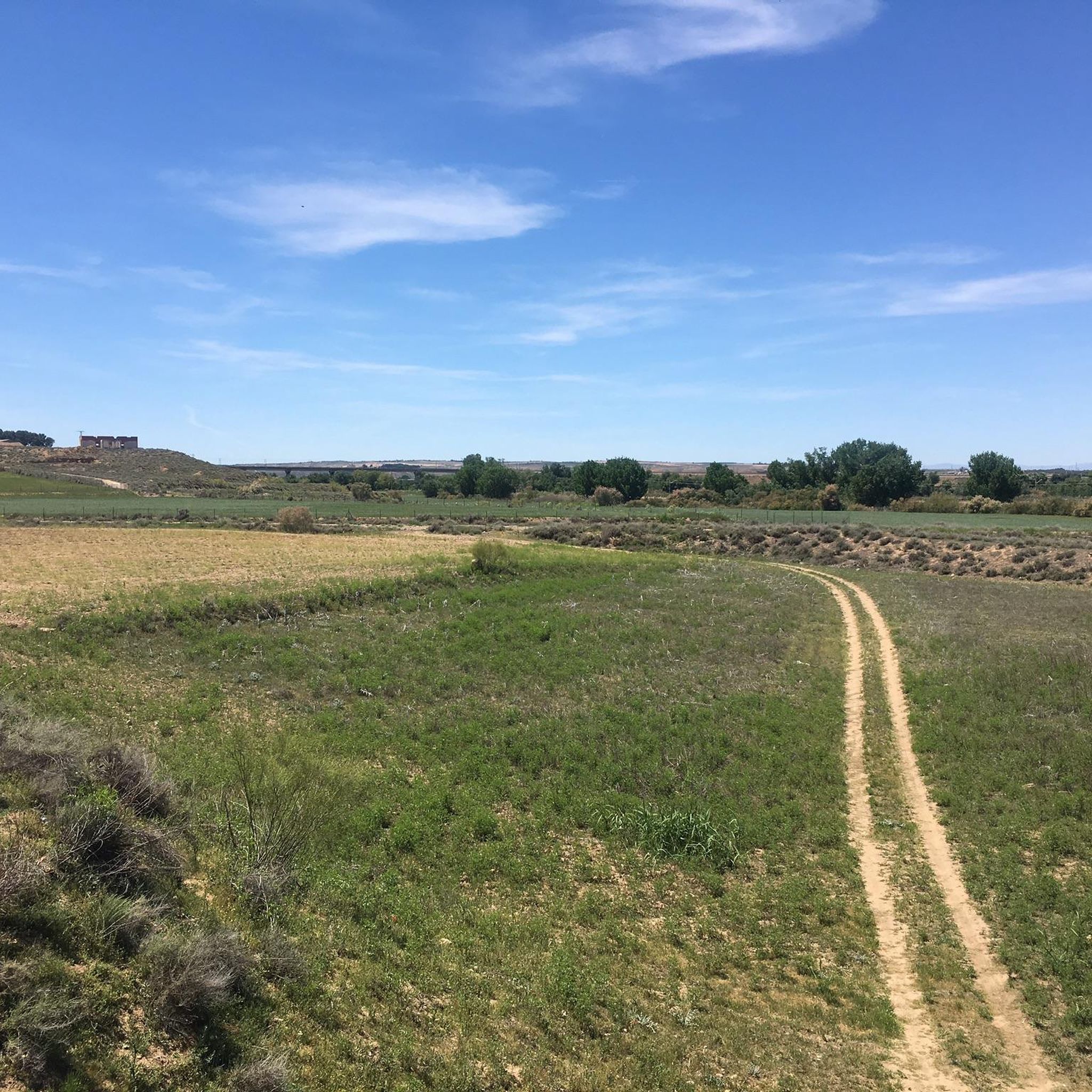
Hiking around Almonacid De Toledo
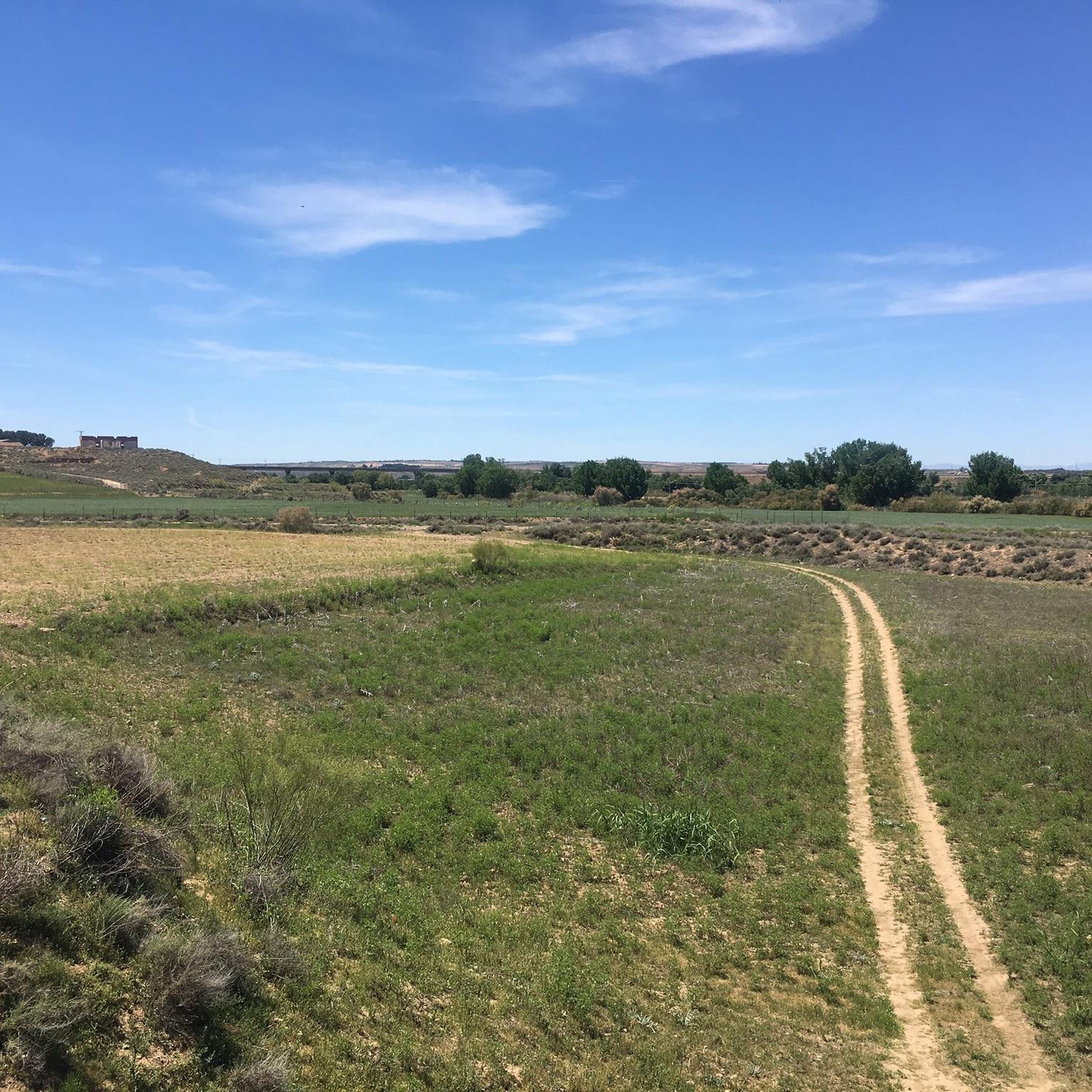
Road Cycling Routes around Almonacid De Toledo
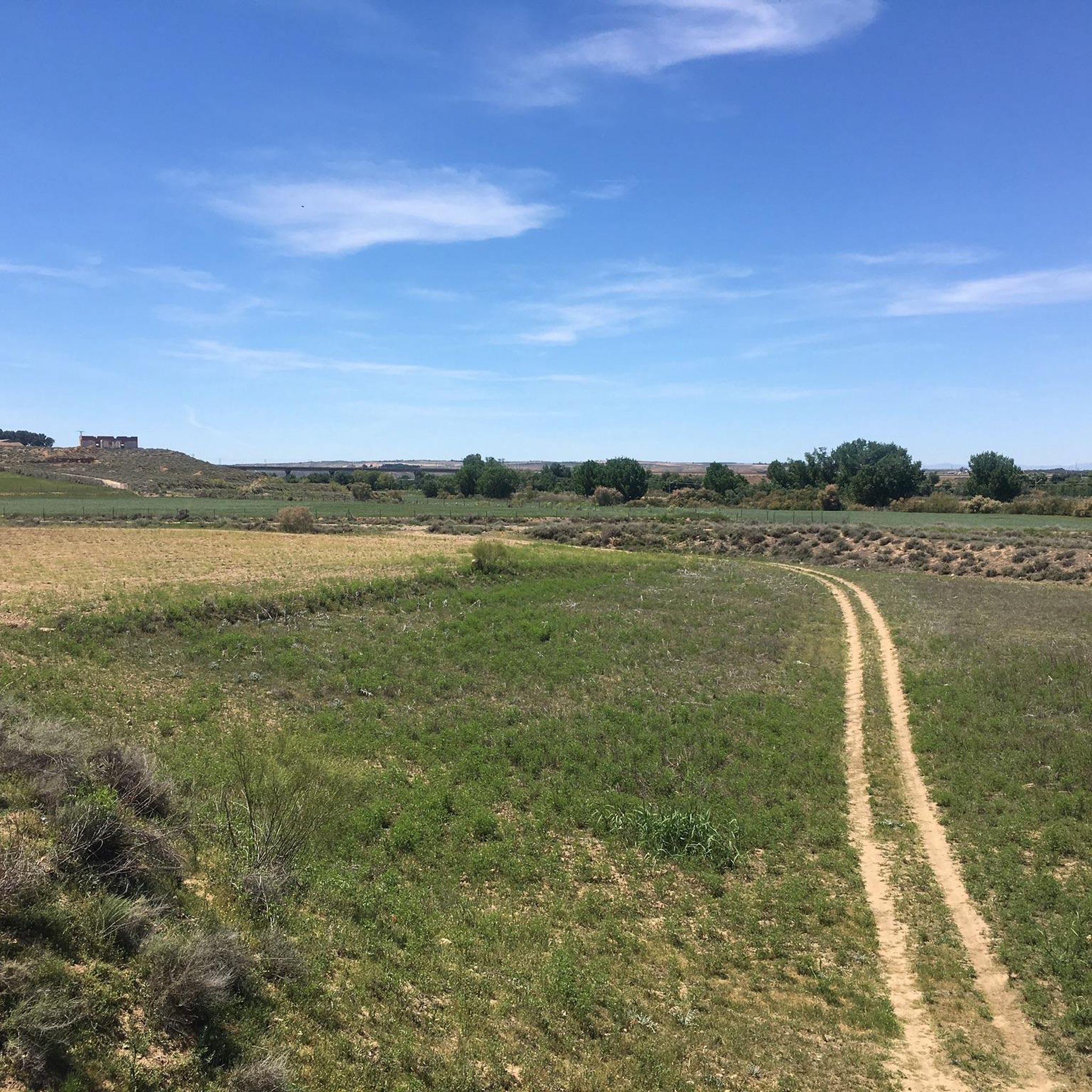
Cycling around Almonacid De Toledo
MTB Trails around Almonacid De Toledo

Running Trails around Almonacid De Toledo

Gravel biking around Almonacid De Toledo
Other adventures around Almonacid De Toledo

Tips from the Community

Currently, it is not possible to climb to the castle because a tower has collapsed.
0
1

Mascaraque Castle is one of the town's main attractions. Origin: It was built in the 14th century on the site of an earlier Muslim fortification. Historical Owners: It was renovated by the Padilla family, who were associated with the Comuneros in the 15th century. Architecture: The keep is a prominent feature, which, according to tradition, was "demolish" (lowered) by order of the Catholic Monarchs after the Revolt of the Comuneros. Interesting Details: Pentacles or Seals of Solomon can be seen on its walls, symbols that fuel legends of protection and mystery. Current Status: It is privately owned, so the interior is not open to the public, but the exterior is impressive and well worth seeing.
1
0
Mascaraque stands out for its authentic and tranquil atmosphere, ideal for those seeking a historical getaway without the crowds. Its historical heritage—centered on the castle, the church, and several hermitages—offers a rich cultural experience alongside a friendly local life. The rural surroundings reinforce this feeling of disconnection: olive groves, vineyards, and nature trails complete the appeal. In short, a destination with its own unique identity, highly valuable for lovers of heritage and charming villages.
2
0
It is located next to the Tourist Information office.
7
0
It is located next to the Tourist Information office, where they provide information about guided tours.
4
0

Built during the Middle Ages next to the western entrance gate to the town of Orgaz, it was for years a key element in the settlement's defense and surveillance functions. Although we now know it as the Castle of the Counts of Orgaz, when it was built, the castle belonged to the Lords of Orgaz. The Lordship of Orgaz was established in 1220 when Ferdinand III granted Ferdinand Juan de Alfariella, who had purchased the town of Orgaz from the Church of Santo Tomé, the title of Lord. Orgaz did not become a County until 1520 when the title of Count of Orgaz was granted to Álvaro Pérez de Guzmán by King Charles I.
0
2
This rock fortress, shaped to fit the terrain, has an elongated and irregular shape. Built in the 10th century under Arab rule, it passed into the hands of Alfonso VII and later to the Order of Santiago, to whom it belonged until the 17th century, when King Philip II sold the town of Mora and all its properties, including its castle, to Fernando de Rojas Guevara, becoming part of his lordship. From its heights, there is a magnificent view of the immense olive grove, which stretches as far as the eye can see. Admission is free.
1
0
Orgaz stretches out in its hollow and shakes off the dust of history that sprinkles medieval songs, county records and historical files to narrate its journey, while we contemplate its living legacy in the walk through its streets and monuments. From an illustrious entrance, the doors of its ancient walls already immerse us in the town and in the Middle Ages, to lose ourselves in both as soon as we flank the Arch of San José or the Arch of Belén. The old town surrounds us with interest and makes us turn our gaze that stops at the details. The house of Calderón de la Barca or that of the Vínculo de las Cadenas. The Church of Santo Tomás Apóstol by Alberto de Churriguera and with an illustration by El Greco, El Expolio, a painter who is impregnating the town and it with his work. The Castle of the Counts of Orgaz, is from the 14th century, possibly built on a previous one, it is a beautiful example of a residential fortress and of magnificent conservation. It has a rectangular floor plan and is finished with beautiful battlements with wonderful projecting turrets at the corners. The Keep has a semicircular apse corresponding to a chapel that breaks the rectilinear structure of the complex.
9
1
Frequently Asked Questions
What is the historical significance of the castles around Almonacid De Toledo?
The castles in this region, such as Almonacid Castle and Peñas Negras Castle, boast rich histories. Many have Moorish origins, serving as surveillance points for ancient routes. They witnessed significant events like battles, such as the 854 battle at Almonacid Castle and its role in the 1809 Battle of Almonacid, and later underwent Christian reforms, evolving into residential fortresses or defensive strongholds.
Which castles offer the best panoramic views of the surrounding countryside?
Both Almonacid Castle and Peñas Negras Castle are perched on hills and provide wonderful panoramic views. From Almonacid Castle, you can see the surrounding landscape and even Peñas Negras Castle. Peñas Negras Castle offers magnificent views of the immense olive groves stretching for kilometers.
Are there family-friendly castles to visit in the Almonacid De Toledo area?
Yes, the Castle of the Counts of Orgaz is considered family-friendly. The nearby settlement of Orgaz itself is also noted for its family-friendly atmosphere and historical charm, making it a good destination for a family outing.
Can I visit the interior of all the castles around Almonacid De Toledo?
No, not all castles are open for interior visits. While Almonacid Castle and Peñas Negras Castle are freely accessible, the castle in Mascaraque is privately owned, and its interior is not open to the public. However, its exterior is impressive and worth seeing.
Are there hiking trails near the castles around Almonacid De Toledo?
Yes, there are several hiking opportunities in the area. You can find routes like the 'Virgen de la Oliva Trail' or the 'Castillo de Peñas Negras from Mora' trail. For more detailed information and routes, you can explore the Hiking around Almonacid De Toledo guide.
What other outdoor activities can I do near these castles?
Beyond hiking, the region offers options for running and gravel biking. You can find various running loops, including one from Almonacid de Toledo that passes by church ruins and Almonacid Castle. For cycling enthusiasts, there are gravel biking routes that explore the wider area. Check the Running Trails around Almonacid De Toledo and Gravel biking around Almonacid De Toledo guides for more details.
What is the best time of year to visit the castles in this region?
The best time to visit is generally during the spring (April-May) and autumn (September-October) months. During these periods, the weather is typically mild and pleasant for exploring the outdoor castle ruins and enjoying the panoramic views. Summers can be very hot, and winters can be chilly, making outdoor exploration less comfortable.
Are there any castles with unique architectural features?
Absolutely. Almonacid Castle, despite its Moorish origins, largely reflects 14th-century reforms with its polygonal shape, elevated battlements, and a central three-story square keep. The Castle of the Counts of Orgaz is a well-preserved residential fortress with a rectangular structure, battlements, and unique cantilevered sentry boxes, plus a semicircular apse in its Torre del Homenaje.
Is there an entrance fee for the castles?
Almonacid Castle and Peñas Negras Castle are freely accessible to visitors, meaning there is no entrance fee. For the Castle of the Counts of Orgaz, guided tours are often available, and it's advisable to check with the local Tourist Office for any associated costs or schedules.
What do visitors enjoy most about the castles around Almonacid De Toledo?
Visitors frequently appreciate the historical depth and the impressive panoramic views offered by these castles. The ability to explore structures with centuries of history, from Moorish foundations to medieval reforms, is a major draw. The commanding positions of castles like Almonacid Castle and Peñas Negras Castle provide stunning vistas of the surrounding landscape, making them popular for photography and scenic contemplation.
Are there any specific historical events associated with these castles?
Yes, Almonacid Castle was the site of a major battle in 854 between the Emir of Córdoba's troops and rebels from Toledo. It also served as a refuge for Spanish troops during the Battle of Almonacid against French forces in 1809, an event so significant that Almonacid is commemorated on the Arc de Triomphe in Paris. The castle in Mascaraque was used as a cemetery during the War of Independence and a refuge during the Second Carlist War.
How far are the castles from the town of Almonacid de Toledo?
Almonacid Castle is located directly on a hill dominating the village of Almonacid de Toledo. Other castles like the Castle of the Counts of Orgaz and Peñas Negras Castle are located in nearby towns, requiring a short drive from Almonacid de Toledo to reach them.
Most popular routes around Almonacid De Toledo
Most popular attractions around Almonacid De Toledo

Get inspired with the komoot mobile app


Explore more
Looking for the best castles somewhere else? Discover other guides around Almonacid De Toledo:
