Attractions and Places To See around Roa - Top 20
Attractions and places to see around Roa are centered in a historic Spanish town located in the southern province of Burgos, within Castile and León. The region is known for its position in the Ribera del Duero wine area, featuring a landscape shaped by the Duero river valley. Roa's history includes ancient settlements, Roman occupation, and medieval fortifications, alongside a deep-rooted winemaking tradition. The area offers a mix of historical sites, cultural points of interest, and natural features.
Best attractions…
Last updated: July 2, 2026
Haza and its castle
Highlight • Castle
This small walled town of the Ribera del Duero …
Translated by Google •
Tip by

Castle of the Zúñiga Family (Encinas de Esgueva)
Highlight • Castle
Translated by Google •
Tip by

Sign up now to discover places like this
Get recommendations on the best single tracks, peaks, & plenty of other exciting outdoor places.
Sign up for free
Haza Walled Village
Highlight • Settlement
Translated by Google •
Tip by

Tórtoles de Esgueva
Highlight • Settlement
Translated by Google •
Tip by
Fuentecén
Highlight • Settlement
Translated by Google •
Tip by

Sign up for free to discover even more attractions around Roa.
Sign up for free
Already have an account?
Start today with a free account
Your next adventure awaits.
Login or Signup



Tips from the Community

good route
0
0


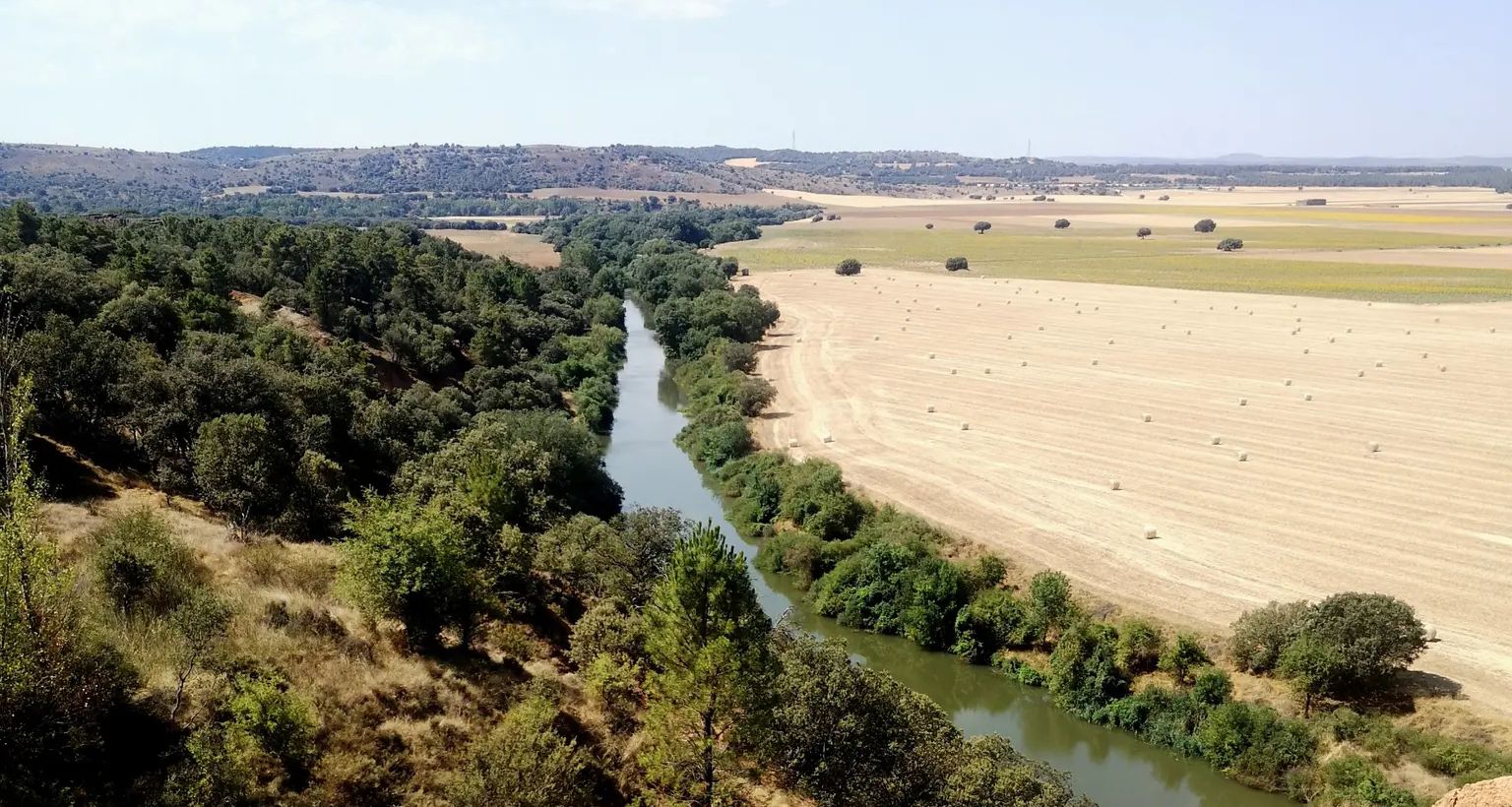
Town located in the Ribera de Duero. The most important point is the square where the Church of San Mamés Mártir is located. In Fuentecén there is also one of the 111 unique trees in the province of Burgos, called "Pino Redondo" for its perfect dome that it had until a few decades ago.
1
0

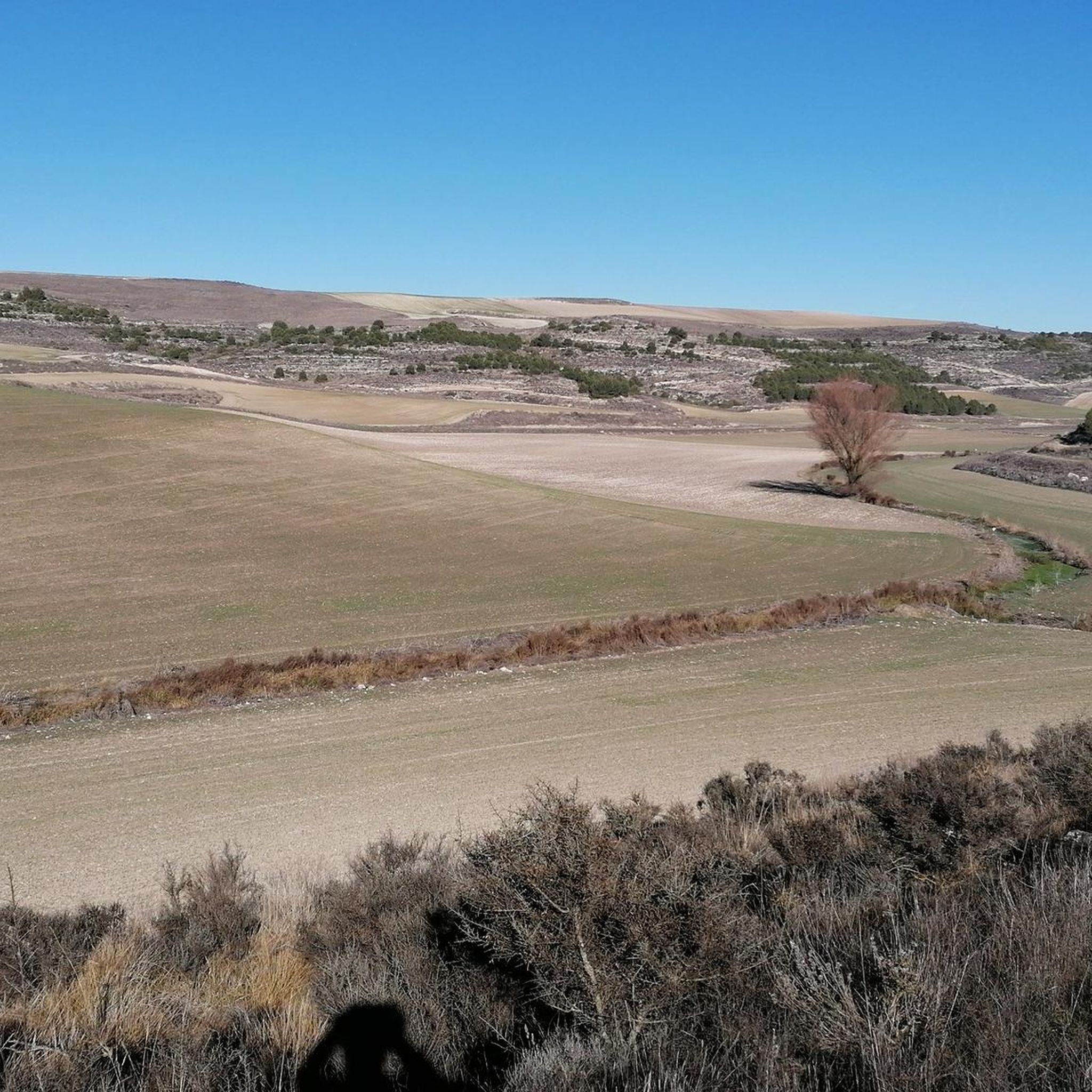
Haza, a small walled town on top of a hill, overlooks the Riaza plain. A perfect place to stop while mountain biking.
0
0

Built in the 14th century, the fortification was part of the defensive line of the Esgueva and had the objective of protecting the entrance to the valley. It has gone through different owners throughout its history, including the Marqués de Lorca. In the 1970s, it was used as a grain store, but it is currently restored and empty inside, under the ownership of the Encinas Town Hall.
1
0

Located in the southwest of the province of Burgos (Castilla y León), specifically in the Valle del Esgueva (subregion of Ribera del Duero).
0
0
Impressive castle that can be seen from all points of view upon arrival in the center of Zúñiga, with four towers that dominate the area.
0
0
Frequently Asked Questions
What historical sites can I explore in and around Roa?
Roa is rich in history. You can explore the Remains of the Medieval Wall, including the Gate of San Juan, which protected the village since the 13th century. The 16th-century Former Collegiate Church of Nuestra Señora de la Asunción showcases impressive late Gothic architecture. Don't miss the Monument to "El Empecinado", commemorating a key figure from the Independence War. Further afield, visit Haza and its castle, a historic walled town, or the 14th-century Castle of the Zúñiga Family (Encinas de Esgueva), which once defended the Esgueva valley.
What cultural attractions are unique to Roa?
Roa is deeply connected to its winemaking heritage. A unique experience is exploring the Underground Wine Cellars in the town center, an extensive network of 155 wine presses and 238 cellars. You can also visit the Headquarters of the Wine-Regulating Consortium of the Ribera del Duero to learn more about the region's renowned wines. The Roa Archaeological Park (Parque Arqueológico Rauda Vaccea) offers an interactive journey through 2,500 years of local cultures.
Are there any family-friendly attractions near Roa?
Yes, several attractions are suitable for families. The Castle of the Zúñiga Family (Encinas de Esgueva) is an impressive historical site that can spark imagination. The riverside town of Tórtoles de Esgueva, with its monuments and cultural interest, is also considered family-friendly and even wheelchair accessible in parts. The Roa Archaeological Park provides an engaging and educational experience for all ages.
Where can I find scenic views or natural features around Roa?
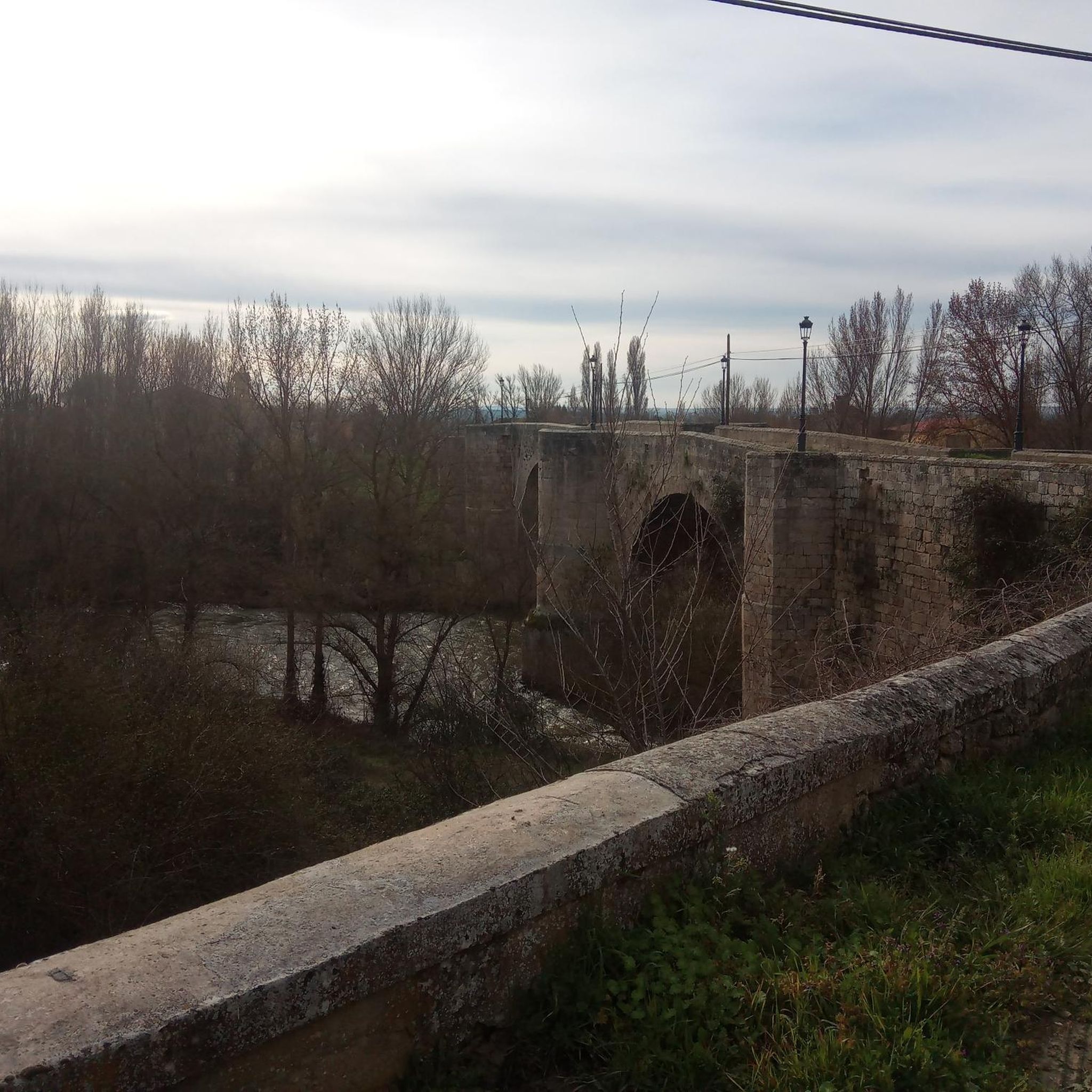
Roa is situated on a hill overlooking the picturesque Duero River Valley, offering scenic vistas. The Promenade of El Espolón provides breathtaking views of this valley. The historic Bridge over the Duero River is also a great spot to appreciate the river and its surroundings. For broader natural beauty, the entire Ribera del Duero region, with its vineyards and river landscapes, is a treat for the eyes.
What outdoor activities can I do near Roa?
The area around Roa is excellent for outdoor enthusiasts. You can find numerous routes for hiking and cycling. For hiking, consider trails like "Home and its castle - circular along the Riaza riverbank" or "Trail between Vaso and Espaldera (PRC-BU 27) — circular from Anguix." Cyclists can explore routes such as "Valle del Cuco – circular desde Encinas de Esgueva" or "Ribera del Duero Castles Loop." You can find more details on these and other routes in the hiking guide and cycling guide for Roa.
Are there specific hiking trails near the attractions?
Yes, there are several hiking opportunities. For instance, the area around Haza and its castle offers trails like "Home and its castle - circular along the Riaza riverbank," which is a moderate 15.8 km hike. The region around Tórtoles de Esgueva also features routes such as "Return to the Tórtoles de Esgueva Reservoir." You can discover more trails in the hiking guide for Roa.
What is the significance of winemaking in Roa?
Roa holds a central and historic place in the Ribera del Duero wine region. Its winemaking tradition dates back to the Roman Empire, and it even hosts the headquarters of the Wine-Regulating Consortium. The town's numerous underground wine cellars and the Monument to the Grape Harvester underscore its deep viticultural heritage. Visitors can experience this tradition firsthand through tastings and tours at local wineries like Bodegas Fuentenarro or Bodegas Tarsus.
Can I visit wineries in Roa?
Absolutely. Given Roa's prominent role in the Ribera del Duero wine region, there are several local wineries (bodegas) that welcome visitors for tastings and tours. Some examples include Bodegas Fuentenarro, Bodega Torrederos, Páramo el Guzmán, Bodegas Tarsus, and Bodegas Condado de Haza. These offer a great opportunity to experience the region's renowned wines.
What is the Church of Our Lady of the Valley (Virgen de la Vega)?
The Church of Our Lady of the Valley (Virgen de la Vega) is dedicated to the patron saint of Roa. It is located about 4 km from the town center, and annual pilgrimages are celebrated here, making it a significant religious and cultural site for the local community.
Are there any hidden gems or less-known spots worth visiting in Roa?
Beyond the main attractions, consider seeking out the Church of San Esteban, which stands safeguarding the ancient walls in the southeast of the hill, or the Chapel of San Roque, built in the mid-18th century and dedicated to the town's patron saint. Exploring the full extent of the Underground Wine Cellars district can also reveal fascinating, less-traveled passages and historical insights.
What do visitors enjoy most about the attractions around Roa?
Visitors particularly appreciate the historical depth and scenic beauty of the area. The small walled town of Haza and its castle is often highlighted for its impressive views and historical significance. The Castle of the Zúñiga Family (Encinas de Esgueva) is admired for its imposing structure and historical context. Many also enjoy the charm of riverside towns like Tórtoles de Esgueva and the overall experience of exploring the rich cultural heritage of the Ribera del Duero.
Most popular attractions around Roa

Get inspired with the komoot mobile app


Explore more
Still not found the Highlight you’re looking for? See guides of the top attractions in other regions:
