Attractions and Places To See around Huesa Del Común - Top 9
Best attractions and places to see around Huesa Del Común include a blend of historical landmarks and natural features. This village in Teruel, Aragón, is characterized by its medieval layout and the Aguasvivas River canyon. The area offers diverse landscapes, from rocky promontories to river valleys, providing a setting for exploration. It features historical sites and natural formations that reflect its rich past and geology.
Best attractions and places to see around Huesa Del Común
- The most popular attractions is…
Last updated: July 7, 2026
Puerto de Rudilla
Highlight • Mountain Pass
Translated by Google •
Tip by

Moyuela watering trough
Highlight • Monument
Translated by Google •
Tip by

Sign up now to discover places like this
Get recommendations on the best single tracks, peaks, & plenty of other exciting outdoor places.
Sign up for free
Monforte de Moyuela
Highlight • Settlement
Translated by Google •
Tip by

Hoz de la Vieja
Highlight • Settlement
Translated by Google •
Tip by

Hermitage of Santa Ana
Highlight • Religious Site
Translated by Google •
Tip by
Sign up for free to discover even more attractions around Huesa Del Común.
Sign up for free
Already have an account?
Start today with a free account
Your next adventure awaits.
Login or Signup
Popular around Huesa Del Común

Tips from the Community

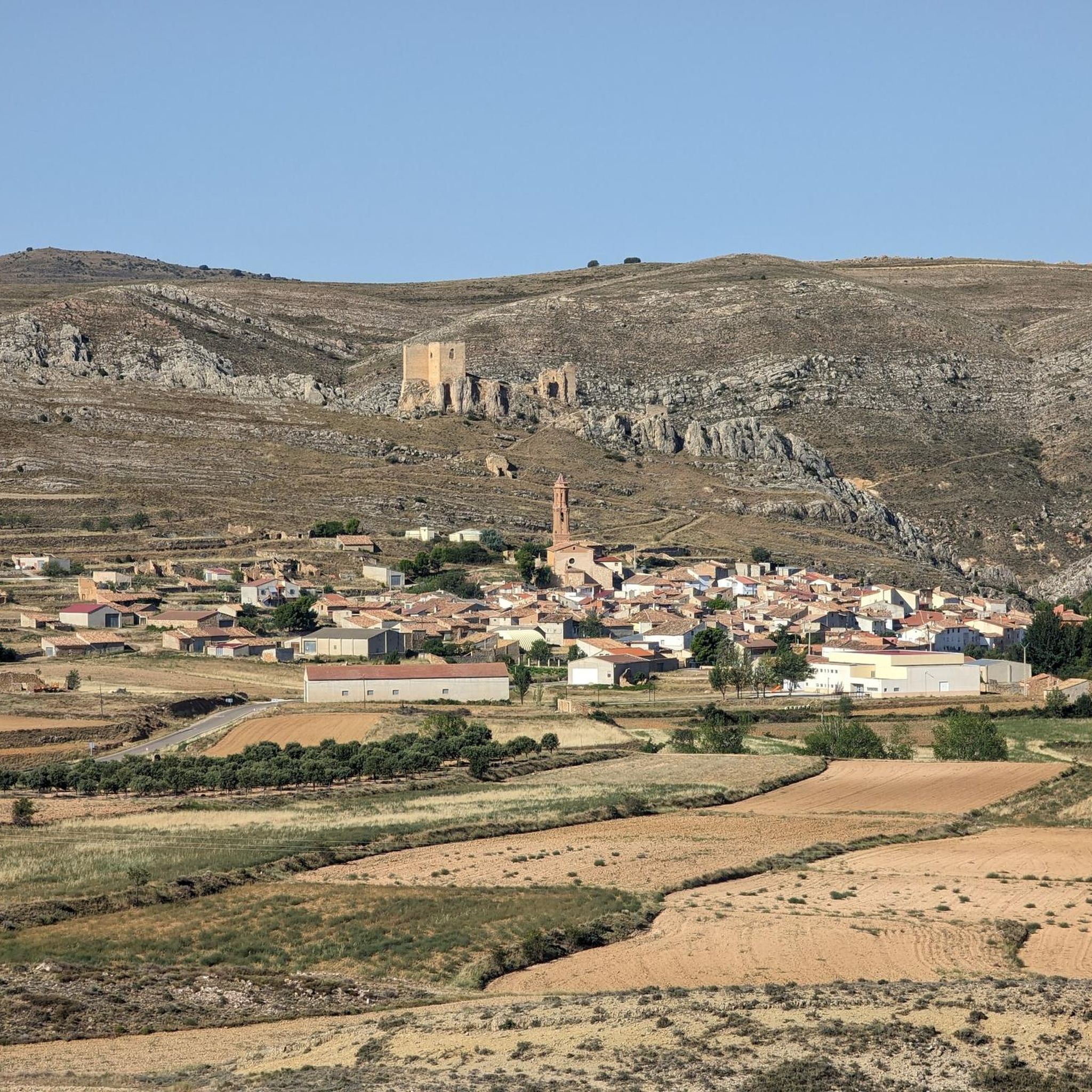
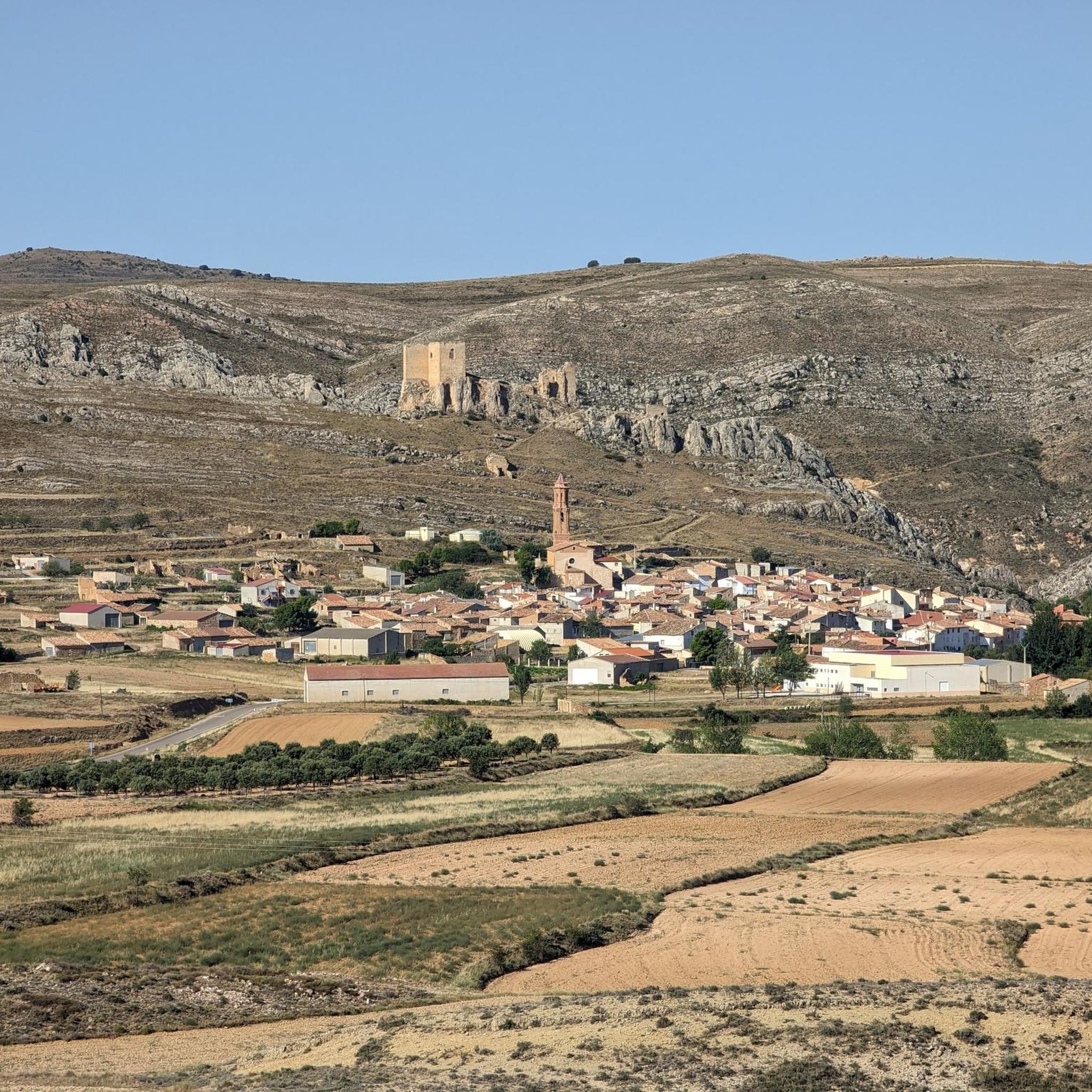
Monforte de Moyuela is a small village in the Jiloca region of Teruel, located at an altitude of over 1,000 meters and surrounded by the Oriche mountain range. It preserves remains of its 12th-century castle and a Roman dam, as well as several chapels and the parish church of La Asunción, rebuilt in the 19th century after the Carlist Wars. The town is part of the Route of El Cid, which makes it even more attractive for those cycling along historic, less-traveled paths. The terrain is mountainous, and it's advisable to bring good equipment and plenty of water, as services are limited in the area.
1
0

Another of the idyllic places in the province of Teruel that bike lovers should know. The Port of Rudilla, located between the towns of Fonfría and Rudilla, offers magnificent views of deep Teruel and nearby, trenches from the civil war were found.
1
0

Mountain pass that starts from Hesca del Común and circulates along 13.5 km at a percentage of less than four percent. There is a difference in level of 461 meters and where it separates into different sections, specifically three. In between and two breaks appear.
0
0

The name of this locality has a very interesting etymological peculiarity. It really originates from the reddish material of the area, known as Rubiello, which in Aragonese resembles the word viello, old. For this reason and because of the sickle that crosses the town, it was renamed from Foz Rubiella to Foz la Viela, which was later castellanized as Hoz de la Vieja.
0
0

Set consisting of a public fountain, water trough and laundry, following the Renaissance model. The fountain is a singular construction of seated and carved stone, with a vault arch, under which there are three pipes, which pour water to connect with the adjoining trough The trough presents a solid construction of sandstone ashlars, formed by a front wall and a long channel through which the water flows. In its upper central part you can see an old inscription on the stone that dates it to the second half of the 18th century.
1
0
Quadrangular building with a gabled roof. The cover is disfigured by opening a rectangular opening. It has an atrium with a semicircular arch. Good place to shelter from bad weather. It has a large porch. Although the town of La Hoz de la Vieja is very close.
0
0
Frequently Asked Questions
What historical sites can I explore in Huesa del Común?
Huesa del Común is rich in history. You can visit the remains of the medieval Castillo de Peñaflor, which dates back to the 12th and 13th centuries and offers magnificent views. The village also features the 15th-century Iglesia Parroquial de San Miguel with its distinctive brick tower, and the Peirón de San Miguel, considered the tallest devotional column in Aragón. Don't miss the medieval urban layout with its narrow streets and portals, remnants of the old walled city.
Are there any natural attractions or features to see around Huesa del Común?
Yes, the area boasts several natural wonders. The Río Aguasvivas Canyon offers spectacular geological formations, including volcanic rocks. You can also visit the Puerto de Rudilla, a mountain pass with magnificent views of Teruel. For those interested in unique geological features, the Sima Valdeotón is a significant natural sinkhole in the region.
What cultural heritage sites are there in Huesa del Común?
Huesa del Común has a fascinating cultural past. Explore the vestiges of its Jewish Quarter, once integrated into the Moorish quarter, with what is believed to be the entrance to the old synagogue. The Moyuela watering trough is a beautiful Renaissance-style monument from the 18th century, combining a public fountain, watering trough, and laundry area. You can also find remnants of the village's former pottery tradition in the Barrio de las Ollerías.
What outdoor activities can I do near Huesa del Común?
The mountainous terrain around Huesa del Común is excellent for various outdoor activities. It's known for its climbing school with 47 routes and two via ferratas (Castillo de Peñaflor and Almadeo). The area is also popular for road and mountain biking, as well as hiking. You can find numerous routes for road cycling, touring cycling, and mountain biking.
Are there any family-friendly attractions in the area?
Yes, several attractions are suitable for families. The Moyuela watering trough is a historical site that can be interesting for all ages. Additionally, the Hermitage of Santa Ana offers a good place to shelter and explore. The area around a Roman bridge also features a well-equipped picnic area, perfect for a family outing.
Where can I find good viewpoints around Huesa del Común?
For stunning panoramic views, head to the Puerto de Rudilla, which offers magnificent vistas of Teruel. The Castillo de Peñaflor also provides impressive views of the surrounding natural environment from its rocky promontory. Additionally, a viewpoint near the Roman bridge offers scenic river views.
What is the significance of Monforte de Moyuela?
Monforte de Moyuela is a small village preserving remains of its 12th-century castle and a Roman dam. It is also part of the historic Route of El Cid, making it an attractive stop for those interested in history and cycling along less-traveled paths.
What is the Hermitage of Santa Ana like?
The Hermitage of Santa Ana is a quadrangular religious building with a gabled roof and a semicircular arch atrium. It features a large porch, making it a good place to shelter, especially given its proximity to the town of La Hoz de la Vieja.
Is Huesa del Común connected to the legend of El Cid?
Yes, Huesa del Común, historically known as Ossa, is mentioned in the famous epic poem 'Cantar del Mio Cid'. This connection makes it a point of interest for those following the Route of El Cid, adding a layer of historical intrigue to your visit.
What is special about the Moyuela watering trough?
The Moyuela watering trough is a unique Renaissance-style monument dating to the second half of the 18th century. It comprises a public fountain with carved stone and three pipes, a solid sandstone trough, and a laundry area, showcasing historical public utility and architectural design.
What can I expect when visiting Hoz de la Vieja?
Hoz de la Vieja is a settlement with an interesting etymological history, linked to the reddish material of the area. It is known for its historical significance and the gorge that crosses the town, offering a glimpse into the region's past and natural landscape.
Are there any historical military sites near Huesa del Común?
Yes, near the Puerto de Rudilla, you can find trenches from the Spanish Civil War. This offers a historical perspective on the region's more recent past, complementing the medieval landmarks.

Get inspired with the komoot mobile app


Explore more
Still not found the Highlight you’re looking for? See guides of the top attractions in other regions:
