Attractions and Places To See around Miranda De Arga - Top 17
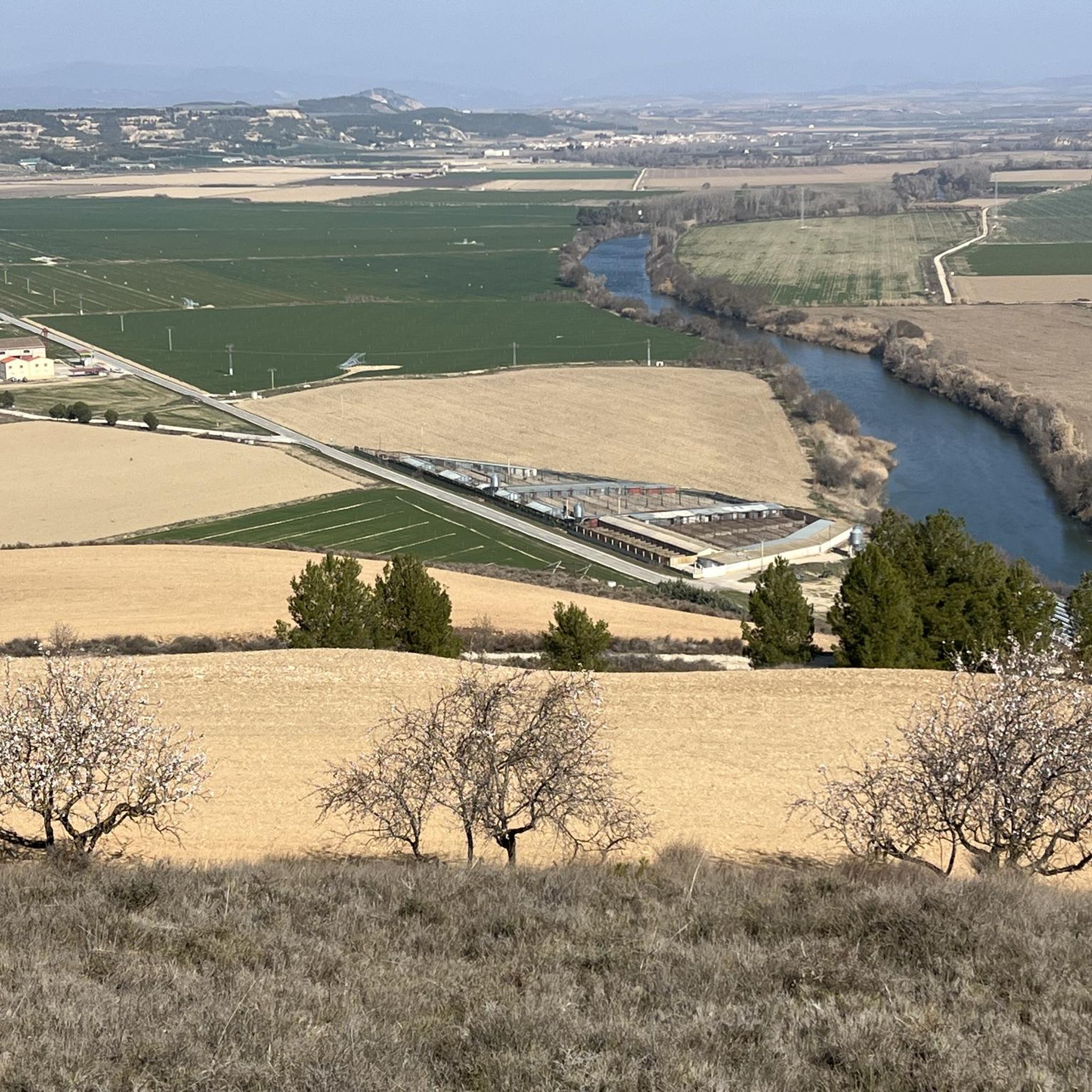
Best attractions and places to see around Miranda De Arga include historical sites and natural features. Situated on the banks of the Arga River in the heart of Navarra, the town features medieval fortifications and religious architecture. The surrounding landscape includes cultivated fields, vineyards, and the Arga River, offering a blend of historical depth and natural beauty.
Best attractions and places to see around Miranda De Arga
- The most popular attractions is Royal Palace of Olite, a castle that…
Last updated: October 18, 2026
Royal Palace of Olite
Highlight • Castle
Tip by

Church of Santa María la Real
Highlight • Religious Site
Showing Translation
Tip by

Sign up now to discover places like this
Get recommendations on the best single tracks, peaks, & plenty of other exciting outdoor places.
Olite Palace Ice House
Highlight • Monument
Translated by Google •
Tip by

Ancient Olive Tree of Olite
Highlight • Natural Monument
Olite November 4, 2006 VI Chapter”
Translated by Google •
Tip by
Artajona
Highlight • Settlement
Translated by Google •
Tip by

Sign up for free to discover even more attractions around Miranda De Arga.
Already have an account?
Start today with a free account
Your next adventure awaits.

Tips from the Community

magnificent castle restored in the 20th century with numerous towers, many steps
0
0

Unfortunately, the Romanesque church cannot be visited.
2
0

The west façade of the Church of Santa María de Olite was restored between 2015 and 2017. The project, funded by the Government of Navarre and the Gondra Barandiarán Foundation, was ambitious and complex. It focused on its spectacular painted portal, built alongside the façade during the first third of the 14th century. The successive layers of polychromy had been preserved thanks to a large portico, removed at the end of the 19th century. It was necessary to clean all the elements, determine the causes of alteration, stabilize the existing damage, and protect the result to ensure its proper preservation. The work garnered the dedication and interest of specialists in architecture, restoration, archaeology, history, art, and viticulture. Thus, this necessarily multidisciplinary book was born. The portal of Santa María de Olite, in its most striking uniqueness, unites Christian iconography, art, and viticulture on a single plane, in a journey "from vine to stone," which is still understandable and coherent today. Information taken from https://www.culturanavarra.es/es/la-portada-de-santa-maria-de-olite-de-la-vid-a-la-piedra
0
0

Originally a Roman fortress in a strategic location, the fortress is both a castle and a palace, although it was originally built as a court building to fulfil a military function. Since the 13th century, the Castle of Olite has been called the Palace of the King of Navarre.
2
0

Hidden behind the church is the old olive tree of Olite, I almost didn't see it.
0
0
The church is attached to the Royal Palace and was used by the Navarrese monarchs for major festivals and ceremonial events. The palace had its own chapel dedicated to Saint George and a private, gated gallery dedicated to Saint Mary. Kingdom courts, baptisms, weddings and royal funerals took place here.
1
0
The castle palace of Olite served as the residence of the kings of Navarre until the union of Navarre with Castile in the 16th century. The complex has been a listed monument since 1925.
1
0

Inscription on the stone translated by Google with camera function: “The Brotherhood of Olive Oils of Navarre sponsors this 345-year-old olive tree of the ESTASA variety, donated by Pablo Lafor, Andia Olite November 4, 2006 VI Chapter”
0
0
Frequently Asked Questions
What historical sites can I explore within Miranda de Arga?
Within Miranda de Arga, you can discover a rich history. Visit El Torreón, a medieval fortress offering panoramic views, and the adjacent 17th-century Basílica de Nuestra Señora del Castillo. The Gothic-origin Puente sobre el río Arga is the town's main entrance. Don't miss the 13th-century Iglesia de Nuestra Señora de la Asunción, the 17th-century Palacio de los Colomo (now the Town Hall), and the slender Mudejar-style Torre del Reloj. You can also see the ancestral home of Bartolomé de Carranza, a 17th-century baroque-style house.
Are there family-friendly attractions near Miranda de Arga?
Yes, several attractions near Miranda de Arga are suitable for families. The Royal Palace of Olite is a magnificent castle that captivates visitors of all ages. The medieval town of Artajona offers an engaging historical experience. For a more relaxed family outing, consider visiting the Camping de Olite Swimming Pools, which offers various activities and entertainment for children during summer.
What natural features can I see around Miranda de Arga?
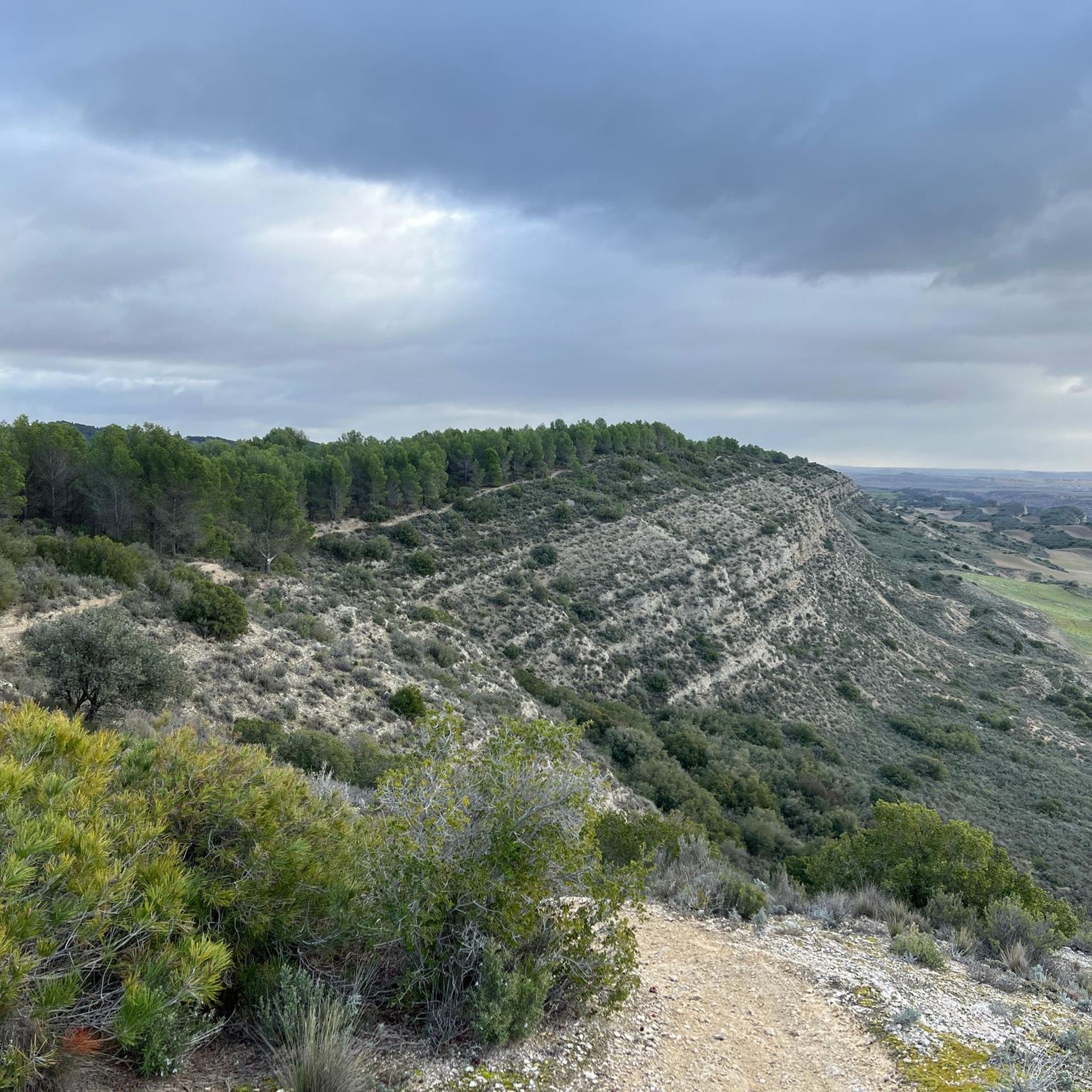
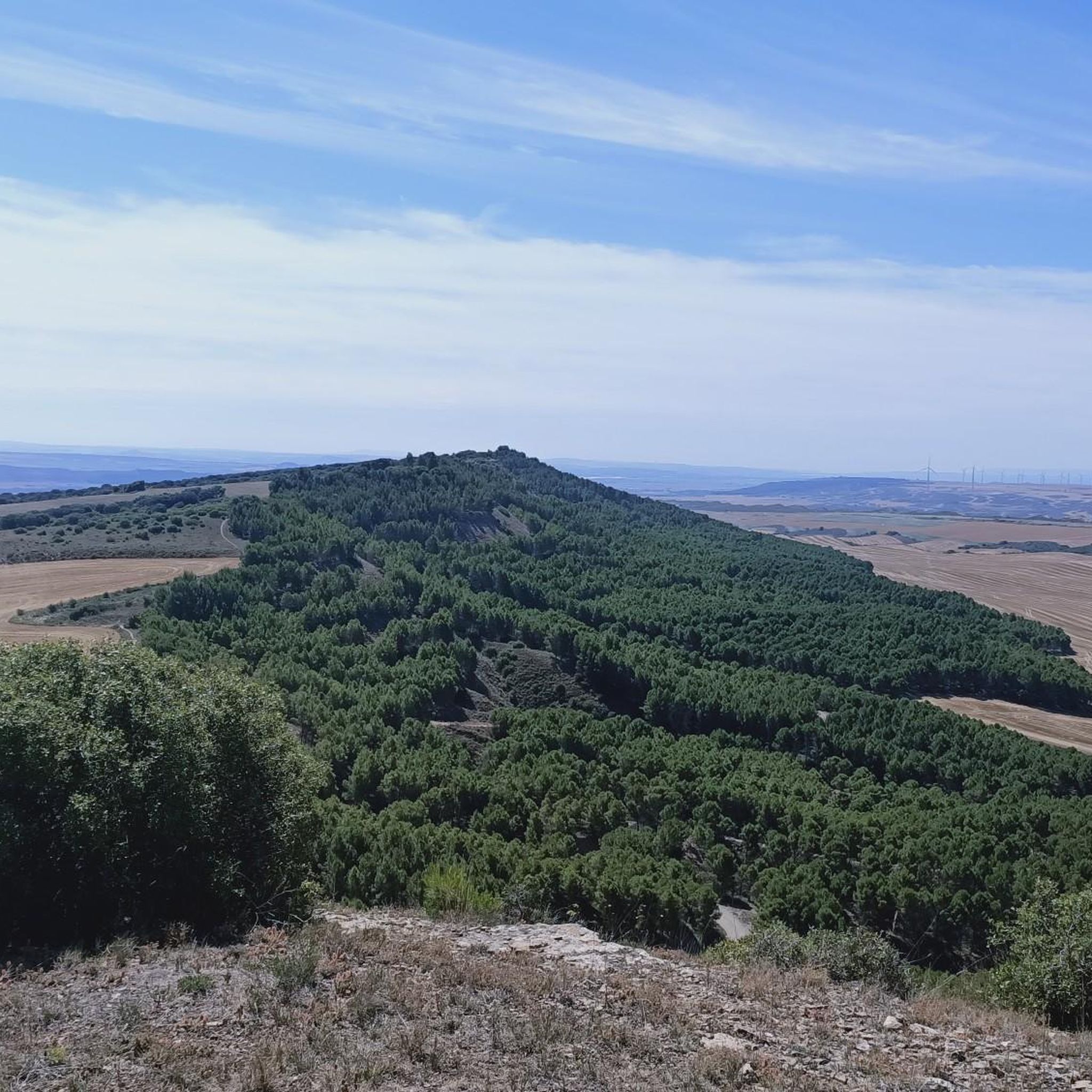
The most prominent natural feature is the Arga River, which flows alongside the town, creating a beautiful meander. The area also offers varied landscapes with cultivated fields, vineyards, and cereal crops. You can also visit the Ancient Olive Tree of Olite, a 345-year-old olive tree of the ESTASA variety, located behind the church in Olite.
What are the best places for panoramic views in Miranda de Arga?
For expansive views of the Navarra landscape, including distant mountains like the fortress-church of Ujué, Higa de Monreal, and Montejurra, head to elevated points. El Torreón, the medieval fortress, and the area around the Torre del Reloj both provide excellent panoramic vistas of the town and its surroundings.
Are there hiking opportunities near Miranda de Arga?
Yes, the area surrounding Miranda de Arga offers various hiking opportunities. Routes feature varied terrain, including ascents and descents through cultivated fields, vineyards, and cereal crops. One notable route highlights the beauty of the Arquillo area and the Barbaraces Natural Reserve along the river. You can find more detailed hiking routes in the Miranda De Arga hiking guide.
What cycling routes are available around Miranda de Arga?
There are diverse cycling opportunities near Miranda de Arga. For road cycling, explore routes like 'Falces - Lerin' or 'Puente la Reina – Plaza de San Martín loop from Berbinzana' in the Road Cycling Routes around Miranda De Arga guide. If you prefer gravel biking, check out routes such as 'Royal Palace of Olite – Royal Palace of Olite loop from Tafalla' in the Gravel biking around Miranda De Arga guide. For mountain biking, options like 'Montebajo and Cerro Mondiuso Route' are available in the MTB Trails around Miranda De Arga guide.
What is the significance of the Royal Palace of Olite?
The Royal Palace of Olite is a castle-palace that served as a seat of the Court of the Kingdom of Navarre from the 13th century. It is considered one of the most imposing castles in Spain, featuring a blend of French and Mudejar architectural influences. It was declared a National Monument in 1925 and is a must-see historical site.
Can I visit other medieval towns near Miranda de Arga?
Absolutely. The settlement of Artajona is known as one of the best-preserved medieval towns in Navarra. Visitors can explore its famous 'siege of Artajona,' the Church of San Saturnino, and the Basilica of Our Lady of Jerusalem, offering a glimpse into medieval life.
What religious buildings are notable in the area?
Beyond the Basílica de Nuestra Señora del Castillo and the Iglesia de Nuestra Señora de la Asunción in Miranda de Arga, you can also visit the Church of Santa María la Real in Olite. This Gothic religious building, constructed between the 13th and 14th centuries, is attached to the Royal Palace and was historically used by Navarrese monarchs for major festivals and ceremonial events.
What do visitors enjoy most about the attractions around Miranda de Arga?
Visitors appreciate the rich history and architectural beauty of the region, often highlighting the grandeur of the Royal Palace of Olite as one of the most beautiful castles they've seen. The well-preserved medieval charm of Artajona also receives high praise. The area's blend of historical depth and natural beauty, from ancient castles to unique natural features, is frequently mentioned as a key draw.
When is the best time to visit Miranda de Arga for outdoor activities?
The region experiences a Mediterranean climate with continental influences. Spring (April-May) and autumn (September-October) generally offer pleasant temperatures for outdoor activities like hiking and cycling, with less extreme heat than summer and milder conditions than winter. These seasons also showcase the natural beauty of the cultivated fields and vineyards.
What is Vergalijo and can I visit it?
Vergalijo is a depopulated village that serves as a characteristic example of an early 20th-century agricultural estate. While it is a point of interest for those curious about the region's agricultural history, it is primarily a historical site rather than an active attraction with facilities.
Most popular routes around Miranda De Arga
Most popular attractions around Miranda De Arga

Get inspired with the komoot mobile app


Explore more
Still not found the Highlight you’re looking for? See guides of the top attractions in other regions:
