Attractions and Places To See around Niharra - Top 13
Attractions and places to see around Niharra are primarily found in the surrounding region of Ávila, a municipality located in the province of Ávila, Castile and León, Spain. The area is characterized by its proximity to the historic city of Ávila, a UNESCO World Heritage site, and diverse natural landscapes. Visitors can explore a blend of historical landmarks, cultural sites, and natural features, including mountain passes and summits. The region offers opportunities to experience both the rich history of Castile…
Last updated: June 29, 2026
Pico Zapatero
Highlight • Summit
Translated by Google •
Tip by

Manqueospese Castle
Highlight • Castle
Translated by Google •
Tip by

Sign up now to discover places like this
Get recommendations on the best single tracks, peaks, & plenty of other exciting outdoor places.
Sign up for free
Portacho del Cuchillo
Highlight • Mountain Pass
Translated by Google •
Tip by
Church of Nuestra Señora de la Asunción, El Fresno
Highlight • Religious Site
Translated by Google •
Tip by
Aldea del Rey Niño
Highlight • Settlement
Translated by Google •
Tip by

Sign up for free to discover even more attractions around Niharra.
Sign up for free
Already have an account?
Start today with a free account
Your next adventure awaits.
Login or Signup



Tips from the Community

Manqueospese Castle, also known as "Althoughospese," is located in the municipality of Mironcillo, Ávila, at an altitude of 1,360 meters, overlooking the Amblés Valley. This castle is an example of a European mountain fortress, with strong walls adapted to the rocky terrain. Construction of the castle began in the 15th century by the Dávila family and was completed by Esteban Dávila in the 16th century. The castle is surrounded by legends, including stories of unrequited love and rivalries between knights. Its name, "Manqueospese," is said to come from the expression "although it weighs on you," which is related to these legends. From its privileged position, the castle offers stunning views of the Amblés Valley and the walls of Ávila. Although it is currently in ruins, restoration and cleaning work are underway.
5
0
The Church of Our Lady of the Assumption in El Fresno is a religious building that occupies one of the sides of the town's Plaza Mayor. Built in the 19th century, it was consecrated in 1803 under the dedication of Our Lady of the Assumption. This church replaced a previous parish temple, dedicated to Our Lady of Galindos, which was located away from the urban center. Although its exterior appearance is simple, with ashlars and a brick belfry, its interior offers a reconstructed space with a flat plastered ceiling. On the west side, the belfry stands out with three openings for bells. The temple houses free-standing images, such as a wooden Crucified from the 17th-18th centuries and a Virgin and Child from 1867. The latter, the work of drawing professor Ramón Álvarez, is appreciated for the joyful expression of the Child. If you have the opportunity, I invite you to visit this church full of history and devotion. 🙏🌟
2
0
Aldea del Rey Niño is a Spanish district that belongs to the municipality of Ávila, capital of the homonymous province, in the autonomous community of Castilla y León. Although its full history is not yet fully documented, archaeological remains have been found indicating the existence of Roman settlements in the area. The town is located inside the municipality of Ávila, in the foothills of the Sierra de Yemas. If you ever get the chance, I highly recommend exploring this charming area. 🏞️🌿
2
0

A charming small town with a heritage dating back to Roman times. The town church can be your starting point for an adventure in the area and a trailhead to the Sierra de Yemas.
2
0
Leaving the river landscape you reach the center of the town and you can rest in the church of Nuestra Señora de la Asunción, from the 19th century.
1
1

According to legend, the castle would be built by Don Raimundo, to communicate with his beloved Doña Guiomar, locked in the balcony that crowns the door of the Rastro (in Ávila, access through the Dávila house), given the prohibition of her father. for the couple to continue their love affairs. Given the paternal attitude, Don Raimundo exclaimed: "I'll see her manqueospese" or "I'll see her even though she weighs", and it was then that he built his castle, from which he apparently communicated with his beloved Guiomar.
1
0

Impressive castle that is located close to the town of Sotalbo and that has a scene worthy of a movie. The walls and towers create a beautiful image on a hill!
1
0

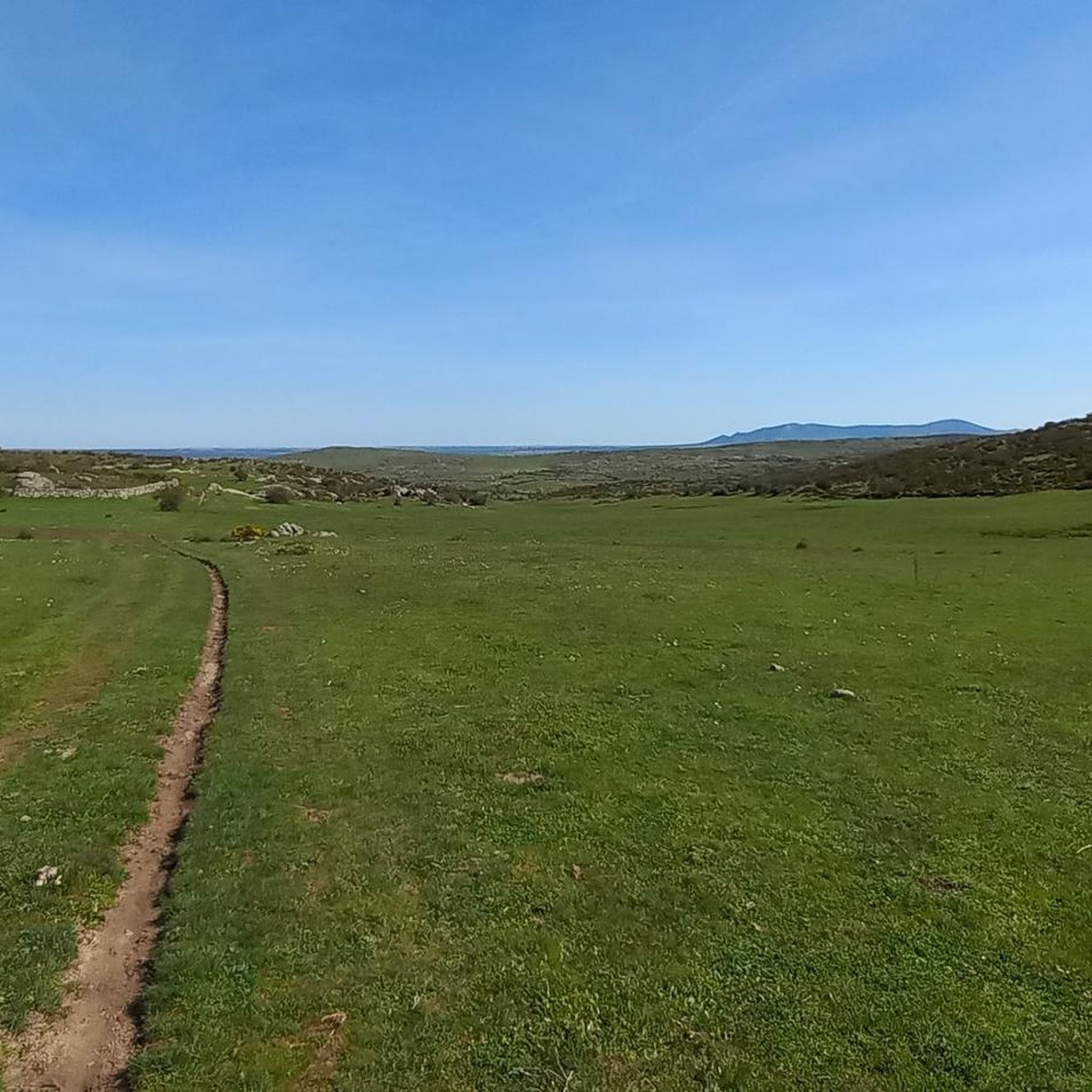
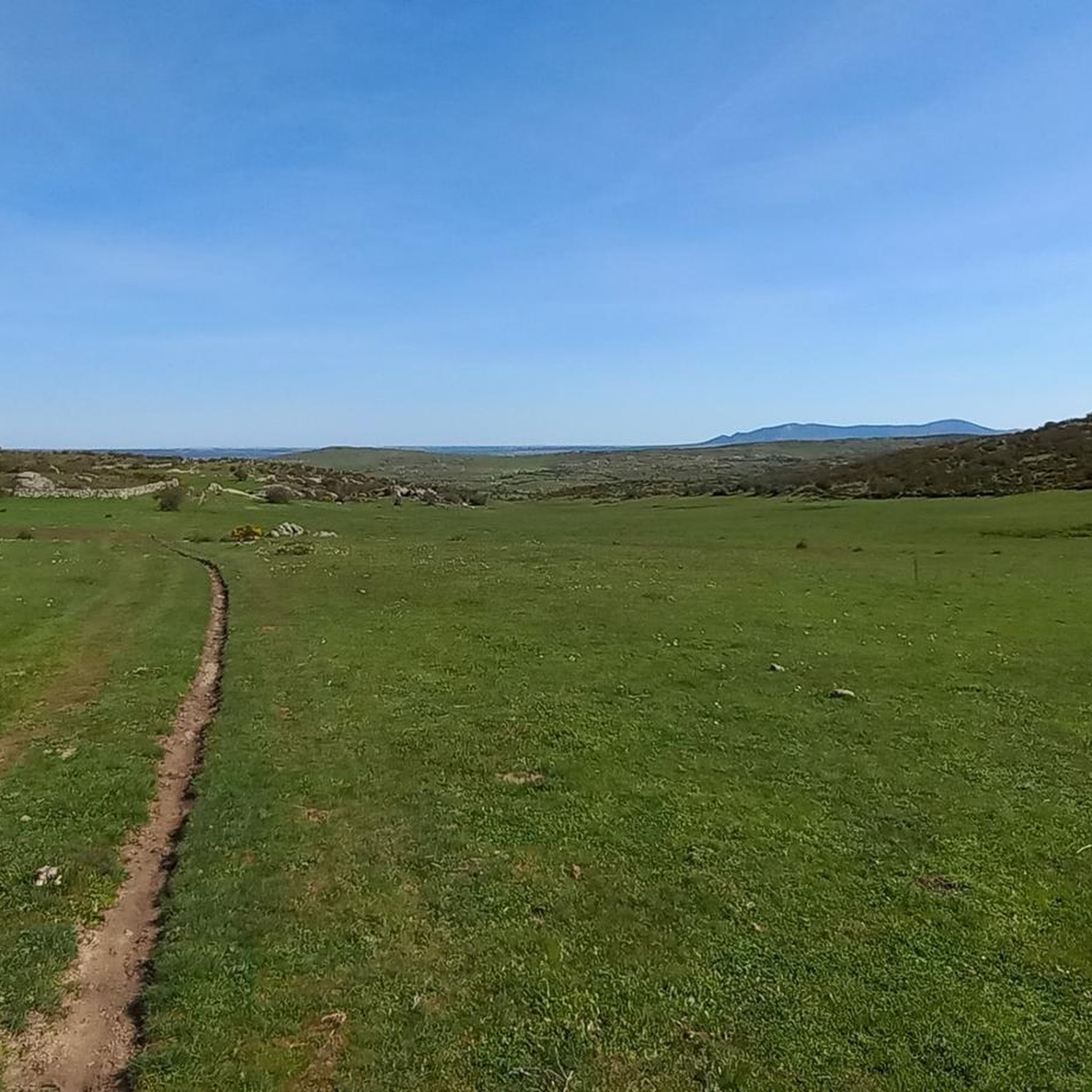
The path runs along the slopes of the mountain range and descends to the spectacular pass of Portacho del Cuchillo, below the impressive mass of spurs, towers and channels of Peña Cabrera. At the pass you have to pass the gate of a livestock lane and go to the south slope. The path begins the descent directly through the head of the Cuchillo Ravine, passing at the foot of the striking Risco del Cuchillo boat, one of the most unique geological formations in the Zapatero massif.
1
0
Frequently Asked Questions
What are the most notable natural features to explore around Niharra?
The region around Niharra is rich in unique natural landscapes. You can explore Pico Zapatero, a summit known for its distinctive granite formations, including slabs, boats, and corridors that create a labyrinth of stone sculptures. Another must-see is Portacho del Cuchillo, a spectacular mountain pass featuring the striking Risco del Cuchillo boat, a unique geological formation within the Zapatero massif.
What historical and cultural sites are accessible from Niharra?
While Niharra itself is a small community, its proximity to Ávila offers a wealth of historical and cultural sites. You can visit the exceptionally well-preserved Walls of Ávila, the impressive Cathedral of Ávila, and the historic Old Town, all designated as a UNESCO World Heritage Site. Other significant sites include the Convent and Church of Saint Teresa of Jesus, the Real Monasterio de Santo Tomás, and the Basilica of San Vicente. Closer to Niharra, you can find the 19th-century Church of Nuestra Señora de la Asunción in El Fresno.
Are there any viewpoints offering panoramic vistas of the area?
Yes, several spots offer excellent views. The Pico Zapatero summit provides breathtaking views of the surrounding granite domes and the Castilian plains. Just outside Ávila, the Cuatro Postes Lookout (Mirador de los Cuatro Postes) is a fantastic vantage point for viewing the city and its illuminated walls, especially at sunset. From the settlement of Muñogalindo, you can also enjoy views of the Sierra de Paramera and Gredos.
What outdoor activities, like hiking or cycling, can I do near Niharra?
The region offers diverse outdoor activities. For hiking, you can explore trails like the 'Aldea del Rey Niño to Cerro Cabañas' or the 'Pico Zapatero loop from Fuente de Aguas'. If you prefer cycling, routes such as the 'Convento de San José loop from El Fresno' or the 'Muñogalindo – Oco Village Water Pond loop' are popular. You can find more details and routes for hiking at Hiking around Niharra and for cycling at Cycling around Niharra.
Are there family-friendly attractions or activities around Niharra?
Yes, the area offers options suitable for families. Exploring the historic Walls of Ávila can be an engaging experience for all ages. The Church of Nuestra Señora de la Asunción in El Fresno and the charming settlement of Aldea del Rey Niño are considered family-friendly historical sites. Gentle walks in the natural landscapes, such as those around the base of Pico Zapatero, can also be enjoyable for families.
What is the best time of year to visit Niharra and its surrounding attractions?
The best time to visit Niharra and the Ávila region generally depends on your preferred activities. Spring (April-May) and autumn (September-October) offer pleasant temperatures for hiking and exploring historical sites, with less extreme weather than summer or winter. Summer can be hot, especially for strenuous outdoor activities, but is ideal for enjoying the longer daylight hours. Winter can bring cold temperatures and snow, particularly in higher elevations like Pico Zapatero, which might appeal to those seeking winter hiking challenges.
What kind of terrain can I expect on hiking trails near Niharra?
Hiking trails near Niharra often feature varied terrain, particularly around the Zapatero massif. You can expect granite landscapes with unique rock formations, as well as paths along mountain ridges and through ravines. Some ascents, like to Pico Zapatero, involve rocky steps and channels, marked with stone milestones. Trails can range from moderate to difficult, with some sections requiring careful navigation, especially if ice or snow is present.
What do visitors enjoy most about the attractions around Niharra?
Visitors particularly appreciate the unique natural beauty and the rich historical context of the region. The granite landscapes of Pico Zapatero and the geological formations at Portacho del Cuchillo are frequently highlighted for their distinctiveness. The historical depth of Ávila, with its medieval walls and ancient buildings, also leaves a lasting impression. The komoot community has shared 10 photos and given 12 upvotes, indicating a strong appreciation for the area's scenic and cultural offerings.
Are there any hidden gems or less-known outdoor spots near Niharra?
Beyond the main highlights, exploring the smaller settlements like Aldea del Rey Niño can reveal charming local heritage and serve as a trailhead to the Sierra de Yemas. The area around Muñogalindo, nestled in the Valle de Amblés, offers serene views of the Sierra de Paramera and Gredos, providing a tranquil escape from more frequented paths.
Can I find running trails around Niharra?
Yes, there are several running trails available. You can find routes like the 'Cuesta del Chicho y Castillo de Manqueospese — circular desde Sotalbo' or the 'Pico Zapatero – Molino de Enmedio loop from Sotalbo'. These trails offer varying distances and difficulty levels, allowing for both moderate and challenging runs through the natural landscapes. For more options and detailed information, refer to the Running Trails around Niharra guide.
Is public transport available to reach attractions around Niharra?
While Niharra is a small municipality, the nearby city of Ávila is well-connected by public transport, including bus and train services from major Spanish cities. To reach specific natural attractions or smaller settlements directly from Niharra, a car is generally recommended for flexibility, as local public transport options might be limited or infrequent.

Get inspired with the komoot mobile app


Explore more
Still not found the Highlight you’re looking for? See guides of the top attractions in other regions:
