Attractions and Places To See around Padiernos - Top 15
Best attractions and places to see around Padiernos include historical sites, religious buildings, and natural viewpoints. Located within the municipality of Ávila, this area is situated in the Valle de Amblés, with the foothills of the Sierra de Yemas nearby. The region offers a mix of cultural heritage, including structures dating back to the 19th century, and natural landscapes with views of the Sierra de Paramera and Gredos. There are 5 distinct attractions to explore in the vicinity.
Best attractions…
Last updated: July 1, 2026
Manqueospese Castle
Highlight • Castle
Translated by Google •
Tip by

Church of Nuestra Señora de la Asunción, El Fresno
Highlight • Religious Site
Translated by Google •
Tip by
Sign up now to discover places like this
Get recommendations on the best single tracks, peaks, & plenty of other exciting outdoor places.
Sign up for free
Aldea del Rey Niño
Highlight • Settlement
Translated by Google •
Tip by

Muñogalindo
Highlight • Settlement
Translated by Google •
Tip by

View of Sotalbo and the Castro de Ulaca
Highlight • Viewpoint
Translated by Google •
Tip by
Sign up for free to discover even more attractions around Padiernos.
Sign up for free
Already have an account?
Start today with a free account
Your next adventure awaits.
Login or Signup


Tips from the Community

Manqueospese Castle, also known as "Althoughospese," is located in the municipality of Mironcillo, Ávila, at an altitude of 1,360 meters, overlooking the Amblés Valley. This castle is an example of a European mountain fortress, with strong walls adapted to the rocky terrain. Construction of the castle began in the 15th century by the Dávila family and was completed by Esteban Dávila in the 16th century. The castle is surrounded by legends, including stories of unrequited love and rivalries between knights. Its name, "Manqueospese," is said to come from the expression "although it weighs on you," which is related to these legends. From its privileged position, the castle offers stunning views of the Amblés Valley and the walls of Ávila. Although it is currently in ruins, restoration and cleaning work are underway.
5
0
The Church of Our Lady of the Assumption in El Fresno is a religious building that occupies one of the sides of the town's Plaza Mayor. Built in the 19th century, it was consecrated in 1803 under the dedication of Our Lady of the Assumption. This church replaced a previous parish temple, dedicated to Our Lady of Galindos, which was located away from the urban center. Although its exterior appearance is simple, with ashlars and a brick belfry, its interior offers a reconstructed space with a flat plastered ceiling. On the west side, the belfry stands out with three openings for bells. The temple houses free-standing images, such as a wooden Crucified from the 17th-18th centuries and a Virgin and Child from 1867. The latter, the work of drawing professor Ramón Álvarez, is appreciated for the joyful expression of the Child. If you have the opportunity, I invite you to visit this church full of history and devotion. 🙏🌟
2
0
Aldea del Rey Niño is a Spanish district that belongs to the municipality of Ávila, capital of the homonymous province, in the autonomous community of Castilla y León. Although its full history is not yet fully documented, archaeological remains have been found indicating the existence of Roman settlements in the area. The town is located inside the municipality of Ávila, in the foothills of the Sierra de Yemas. If you ever get the chance, I highly recommend exploring this charming area. 🏞️🌿
2
0

A charming small town with a heritage dating back to Roman times. The town church can be your starting point for an adventure in the area and a trailhead to the Sierra de Yemas.
2
0
Leaving the river landscape you reach the center of the town and you can rest in the church of Nuestra Señora de la Asunción, from the 19th century.
1
1

According to legend, the castle would be built by Don Raimundo, to communicate with his beloved Doña Guiomar, locked in the balcony that crowns the door of the Rastro (in Ávila, access through the Dávila house), given the prohibition of her father. for the couple to continue their love affairs. Given the paternal attitude, Don Raimundo exclaimed: "I'll see her manqueospese" or "I'll see her even though she weighs", and it was then that he built his castle, from which he apparently communicated with his beloved Guiomar.
1
0

Impressive castle that is located close to the town of Sotalbo and that has a scene worthy of a movie. The walls and towers create a beautiful image on a hill!
1
0
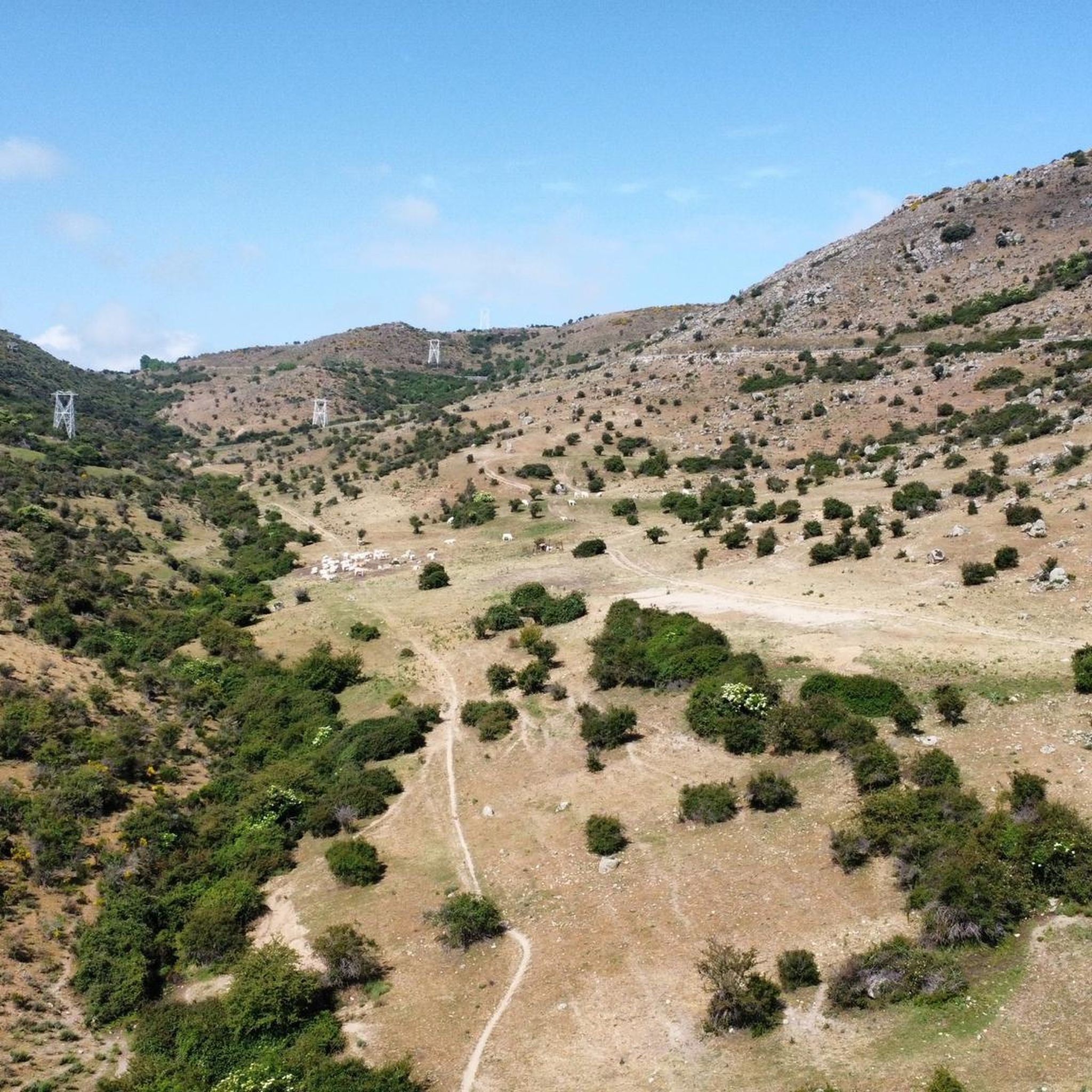
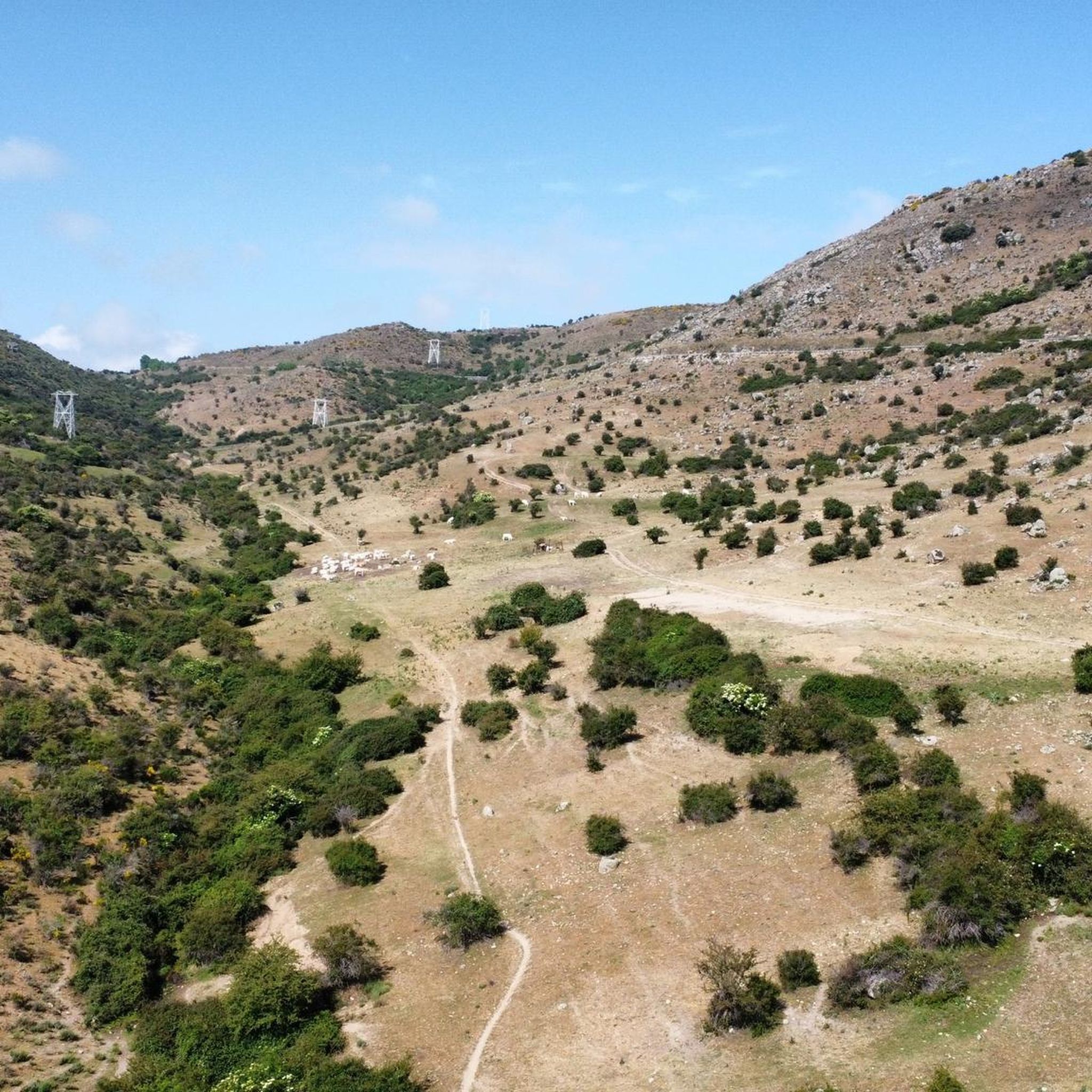
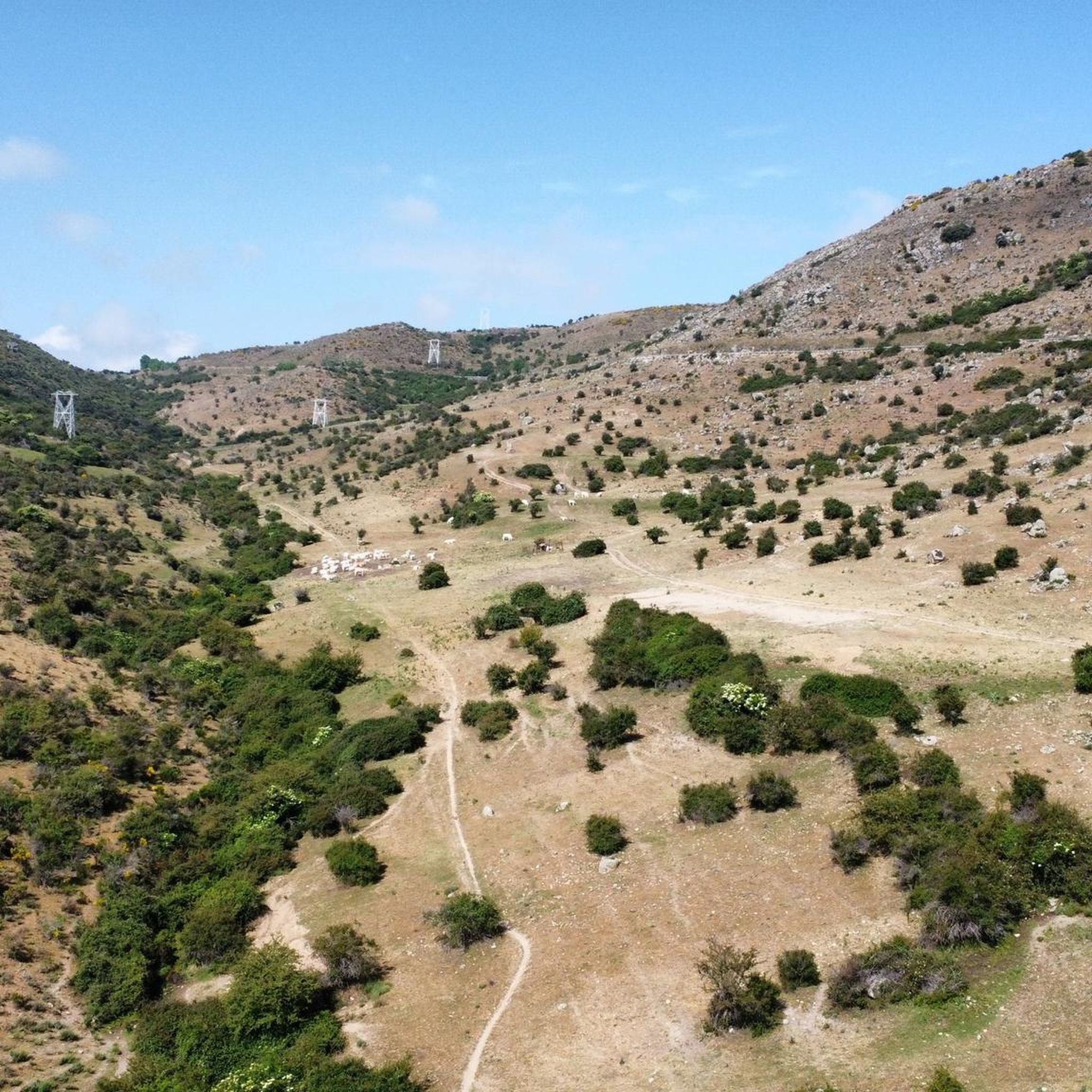
Small town that is located in what is called the Valle de Amblés and that is a few kilometers from its capital, Ávila. From the core, you can begin to see the first forms of the Sierra de Paramera and Gredos.
0
0
Frequently Asked Questions
What kind of attractions can I find around Padiernos?
The area around Padiernos offers a mix of historical sites, religious buildings, and natural viewpoints. You can explore 19th-century churches, settlements with Roman heritage, and summits offering expansive views of the surrounding mountain ranges and valleys.
Are there any historical sites to visit near Padiernos?
Yes, the region is rich in history. You can visit the Church of Nuestra Señora de la Asunción in El Fresno, a 19th-century religious building. Additionally, Aldea del Rey Niño is a charming small town with heritage dating back to Roman times, and Plaza de la Torre and Fuente de Piedra is a man-made monument with historical significance.
Where can I find the best natural viewpoints around Padiernos?
For impressive panoramic views, head to Cerro de Gorría. From its geodesic vertex, you can see the Sierra de la Paramera, La Serrota, the Amblés valley, and La Moraña. The settlement of Muñogalindo also offers initial views of the Sierra de Paramera and Gredos.
Are there family-friendly attractions in the Padiernos area?
Several attractions are considered family-friendly. The Church of Nuestra Señora de la Asunción, El Fresno, and the settlement of Aldea del Rey Niño are suitable for families. The Plaza de la Torre and Fuente de Piedra also provides a pleasant spot for families to rest and enjoy the waterfront.
What outdoor activities can I do near Padiernos?
The region offers various outdoor activities, especially cycling and running. You can find numerous road cycling routes, touring cycling routes, and running trails. For detailed routes and guides, explore the Road Cycling Routes around Padiernos, Cycling around Padiernos, and Running Trails around Padiernos guides.
Are there any hiking or walking trails near the attractions?
While specific hiking trails are not detailed for each attraction, Aldea del Rey Niño serves as a trailhead to the Sierra de Yemas, offering opportunities for walks and exploration. For more structured routes, you can check the Running Trails around Padiernos guide, which includes routes suitable for walking.
What is the significance of Aldea del Rey Niño?
Aldea del Rey Niño is a district within the municipality of Ávila with a rich history, including archaeological remains indicating Roman settlements. It's located in the foothills of the Sierra de Yemas and its town church can be a starting point for exploring the area.
Can I find places to rest or eat near the attractions?
Yes, at Plaza de la Torre and Fuente de Piedra, you can find a bar to regain strength and a waterfront area to relax. The Church of Nuestra Señora de la Asunción in El Fresno is also located in the town's Plaza Mayor, offering a place to rest.
What kind of views can I expect from Cerro de Gorría?
From the summit of Cerro de Gorría, you can expect impressive front-row views. These include expansive vistas of the Sierra de la Paramera, La Serrota, the Amblés valley to the south, and the entire La Moraña region to the north.
What is the Church of Nuestra Señora de la Asunción in El Fresno known for?
The Church of Nuestra Señora de la Asunción, consecrated in 1803, is a 19th-century religious building. While its exterior is simple, its interior features a reconstructed space and houses notable free-standing images, including a 17th-18th century wooden Crucified and an 1867 Virgin and Child statue known for the joyful expression of the Child.
Are there any cycling routes suitable for beginners around Padiernos?
Yes, there are easy cycling routes available. For touring bicycles, you can find routes like the 'Bike loop from Aldea del Rey Niño' and 'Bike loop from Padiernos', both rated as easy. For road cycling, the 'Muñogalindo loop from El Fresno' is also an easy option. You can find more details in the Cycling around Padiernos and Road Cycling Routes around Padiernos guides.
What is the geographical setting of the attractions around Padiernos?
The attractions are located within the municipality of Ávila, specifically in the Valle de Amblés. This area is nestled with the foothills of the Sierra de Yemas nearby, and offers views towards the Sierra de Paramera and Gredos mountains.

Get inspired with the komoot mobile app


Explore more
Still not found the Highlight you’re looking for? See guides of the top attractions in other regions:
