Attractions and Places To See around Palacios De Goda - Top 14
Best attractions and places to see around Palacios De Goda include a mix of cultural sites and natural features. This municipality in the province of Ávila, Castile and León, offers a glimpse into traditional Spanish village life and is part of the Camino de Santiago del Sudeste. The area features religious buildings like the Church of San Juan Bautista, known for its Mudejar coffered ceiling, and natural wetlands such as steppe lagoons. Vineyards are also present, contributing to the Rueda…
Last updated: June 29, 2026
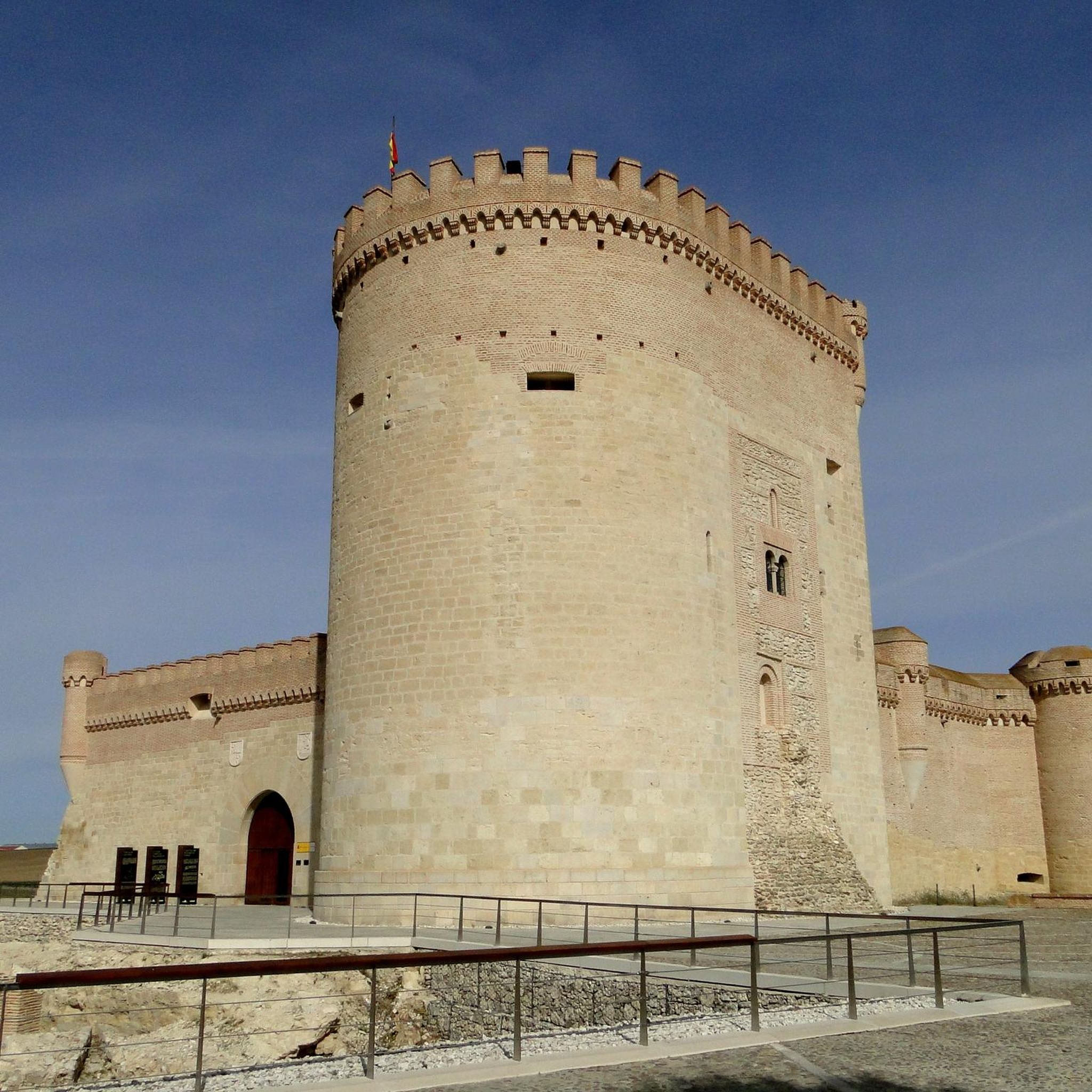
Arévalo Castle
Highlight • Castle
Translated by Google •
Tip by

Plaza de la Villa and Church of San Martín, Arévalo
Highlight • Historical Site
Translated by Google •
Tip by
Sign up now to discover places like this
Get recommendations on the best single tracks, peaks, & plenty of other exciting outdoor places.
Sign up for free
Arevalillo Riverbank
Highlight • River
Translated by Google •
Tip by
Langa
Highlight • Settlement
Translated by Google •
Tip by

Roman Villa of Almenara
Highlight • Historical Site
Translated by Google •
Tip by

Sign up for free to discover even more attractions around Palacios De Goda.
Sign up for free
Already have an account?
Start today with a free account
Your next adventure awaits.
Login or Signup
Popular around Palacios De Goda

Tips from the Community

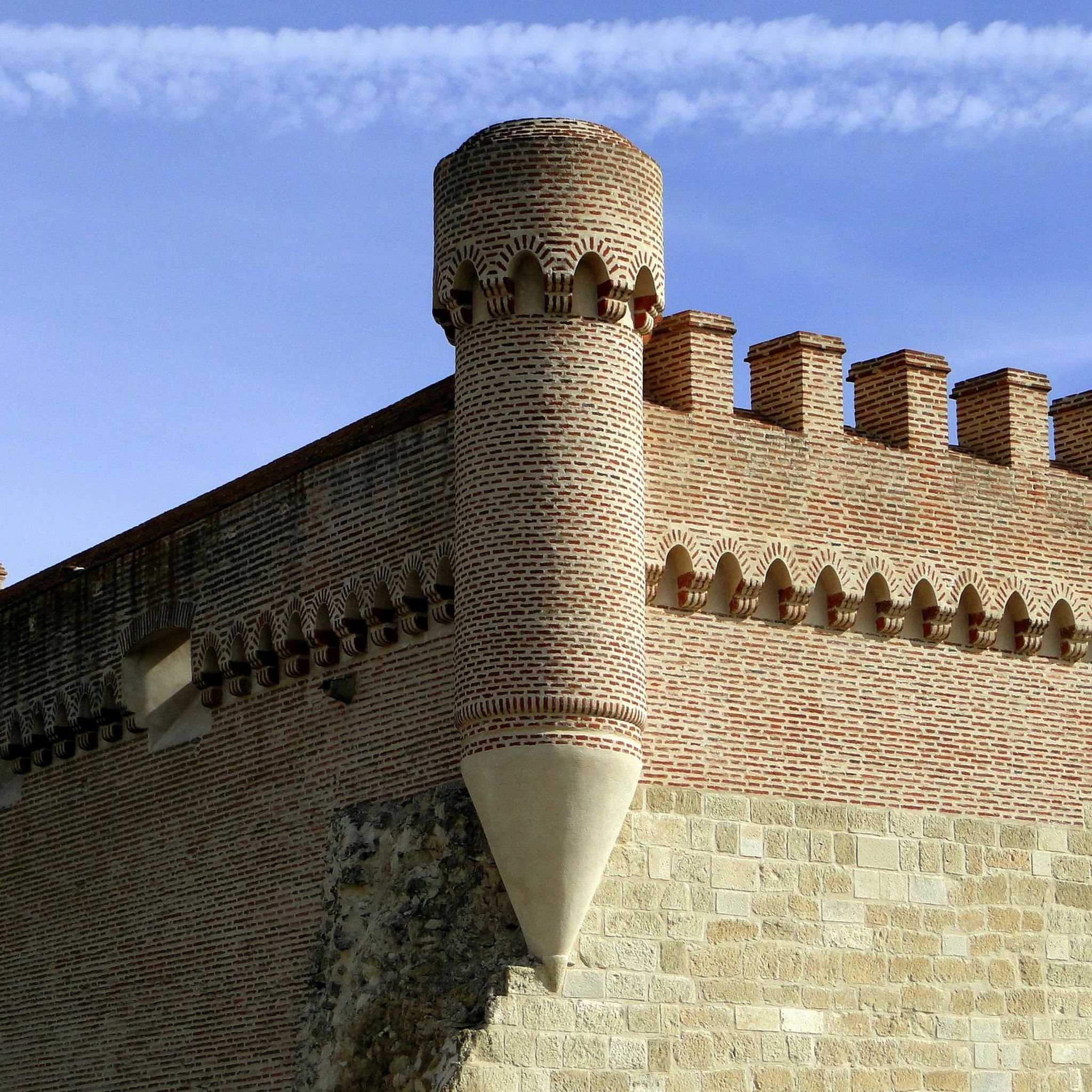
Arévalo Castle, located in the town of Arévalo (province of Ávila, Castile and León), is one of the most representative examples of Castilian Mudéjar architecture. Its origins date back to the 14th century, although it was built upon earlier fortifications. It was expanded between the 15th and 16th centuries, especially during the reign of the Catholic Monarchs. It played an important role as a noble and military castle, but also as an administrative building. In the 20th century, it fell into near ruin until its restoration, beginning in 1952, by the Ministry of Agriculture, which uses it as the headquarters of a research center.
5
0
Arévalo Castle, located in the town of Arévalo (province of Ávila, Castile and León), is one of the most representative examples of Castilian Mudéjar architecture. Its origins date back to the 14th century, although it was built upon earlier fortifications. It was expanded between the 15th and 16th centuries, especially during the reign of the Catholic Monarchs. It played an important role as a noble and military castle, but also as an administrative building. In the 20th century, it fell into near ruin until it was restored starting in 1952 by the Ministry of Agriculture, which uses it as the headquarters of a research center.
5
0

The Plaza de la Villa de Arévalo is one of the most beautiful squares, absolutely traffic-free and without bars or terraces, it stands out for its tranquility and for being surrounded by history and Mozarabic buildings.
1
0
Nice place in Arévalo to walk around.
1
0
Castle fortress located at the most extreme part of the triangle formed by the confluence of the Adaja and Arevalillo rivers, which serve as defensive ditches. It was rebuilt in the second half of the 15th century by order of Álvaro de Zúñiga, Duke of Béjar, although it subsequently underwent important reforms at the beginning of the 16th century, when the fortress was in the hands of the Catholic Monarchs. The Castle is worth visiting for its good condition, and it also has a very interesting exhibition.
1
0

Beautiful town in Segovia, with all services. It stands out for its imposing castle and the squares with a marked medieval character.
0
1
In addition to the imposing Castle where Isabel la Católica resided, in the town we have all the services: Shops, restaurants and accommodation.
1
0
The Arevalillo River is a watercourse that flows through the interior of the Iberian Peninsula. Its route is picturesque and crosses several municipalities in the province of Ávila, including Arévalo. Point close to the Medina Bridge, also known as Puente Llana, is a medieval jewel that rises majestically over the river.
3
0
Frequently Asked Questions
What historical and cultural sites can I explore in and around Palacios de Goda?
Palacios de Goda itself features the significant Church of San Juan Bautista, known for its Mudejar coffered ceiling and Baroque altarpiece, and the charming Hermitage of Nuestra Señora de la Fons-Griega. Nearby, you can visit the impressive Arévalo Castle, a prime example of Castilian Mudejar architecture, and the historic Plaza de la Villa and Church of San Martín in Arévalo, renowned for its medieval ambiance. Another notable site is the Roman Villa of Almenara, offering a unique glimpse into ancient history.
Are there any natural features or landscapes to enjoy near Palacios de Goda?
Yes, the immediate vicinity of Palacios de Goda is home to several permanent and saline steppe lagoons, which are vital wetlands surrounded by cultivated fields. The area also features vineyards, contributing to the Rueda Wine Designation of Origin. For a scenic walk, the Arevalillo Riverbank near Arévalo offers picturesque views and includes the medieval Medina Bridge.
What kind of outdoor activities can I do near Palacios de Goda?
The region around Palacios de Goda is excellent for various cycling activities. You can find numerous routes for mountain biking, road cycling, and general touring. Explore options like the 'Circular Route of Arévalo and Mad' for MTB, the 'Arévalo Castle and Almenara Roman Villa Loop' for road cycling, or the 'Arévalo Castle – Arevalillo Riverbank loop' for a leisurely bike tour. For more details on routes, check out the MTB Trails around Palacios De Goda, Road Cycling Routes around Palacios De Goda, and Cycling around Palacios De Goda guides.
Is Palacios de Goda part of the Camino de Santiago?
Yes, Palacios de Goda is situated along the Camino de Santiago del Sudeste (Southeast Way of St. James), making it a point of interest for pilgrims and those interested in historical routes.
Are there family-friendly attractions in the Palacios de Goda area?
Many attractions in the area are suitable for families. The Arévalo Castle and the Plaza de la Villa in Arévalo are great for exploring history. The Arevalillo Riverbank offers a pleasant setting for family walks. Additionally, the Roman Villa of Almenara provides an engaging historical experience with a full-scale reconstruction of the town.
What is the best time of year to visit Palacios de Goda and its surroundings?
The region generally enjoys pleasant weather during spring (April-June) and autumn (September-October), which are ideal for outdoor activities like cycling and exploring historical sites. Summers can be hot, while winters are cooler, but still suitable for cultural visits.
What is the urban layout of Palacios de Goda like?
Palacios de Goda features a well-organized urban layout with wide streets that converge on the main square. The town's architecture reflects its agricultural roots, with traditional buildings and the Mudejar-style Church of San Juan Bautista as a central feature.
Can I find places to eat or stay in Palacios de Goda?
While Palacios de Goda is a traditional village, you can find local establishments. For a wider selection of cafes, restaurants, and accommodation options, the nearby town of Arévalo offers more choices and is a short drive away.
What makes the Plaza de la Villa in Arévalo special?
The Plaza de la Villa in Arévalo is considered one of Spain's most beautiful squares. It boasts a distinct medieval ambiance with arcaded buildings constructed from stone, wood, and brick, and a cobbled floor. Historically, it served as the social and economic hub of Arévalo.
Are there any hidden gems or lesser-known attractions in the area?
Beyond the main highlights, exploring the smaller villages like Langa can offer a glimpse into traditional Spanish village life and local architecture, such as the Church of Nuestra Señora de la Asunción. The serene steppe lagoons also provide a unique natural experience away from more crowded spots.
What kind of architecture can I expect to see in the region?
The region is rich in historical architecture, particularly Castilian Mudejar style, evident in structures like the Arévalo Castle and the Mudejar coffered ceiling within Palacios de Goda's Church of San Juan Bautista. You'll also find traditional village architecture reflecting agricultural heritage and Baroque elements in religious altarpieces.
Most popular routes around Palacios De Goda

Get inspired with the komoot mobile app


Explore more
Still not found the Highlight you’re looking for? See guides of the top attractions in other regions:
