Attractions and Places To See around Cabizuela - Top 12
Attractions around Cabizuela are primarily found within the broader province of Ávila, as Cabizuela is a municipality in the La Moraña region. This area is characterized by its rural landscape, with rivers like the Adaja and Arevalillo flowing through it. While Cabizuela itself is a small settlement, the surrounding province offers historical landmarks and cultural sites. Visitors can explore a variety of man-made monuments and historical sites in the vicinity.
Best attractions and places to see around Cabizuela
- The most…
Last updated: June 29, 2026
Castle of Narros de Saldueña
Highlight • Castle
Translated by Google •
Tip by

El Bohodón
Highlight • Settlement
Translated by Google •
Tip by
Sign up now to discover places like this
Get recommendations on the best single tracks, peaks, & plenty of other exciting outdoor places.
Sign up for free
Church of San Pedro Apóstol
Highlight • Religious Site
Translated by Google •
Tip by

Church of San Pedro Apóstol and the Verraco Vettón (Stone Bear)
Highlight • Religious Site
Translated by Google •
Tip by
Church of Our Lady of Sorrows
Highlight • Religious Site
Translated by Google •
Tip by
Sign up for free to discover even more attractions around Cabizuela.
Sign up for free
Already have an account?
Start today with a free account
Your next adventure awaits.
Login or Signup
Popular around Cabizuela

Tips from the Community

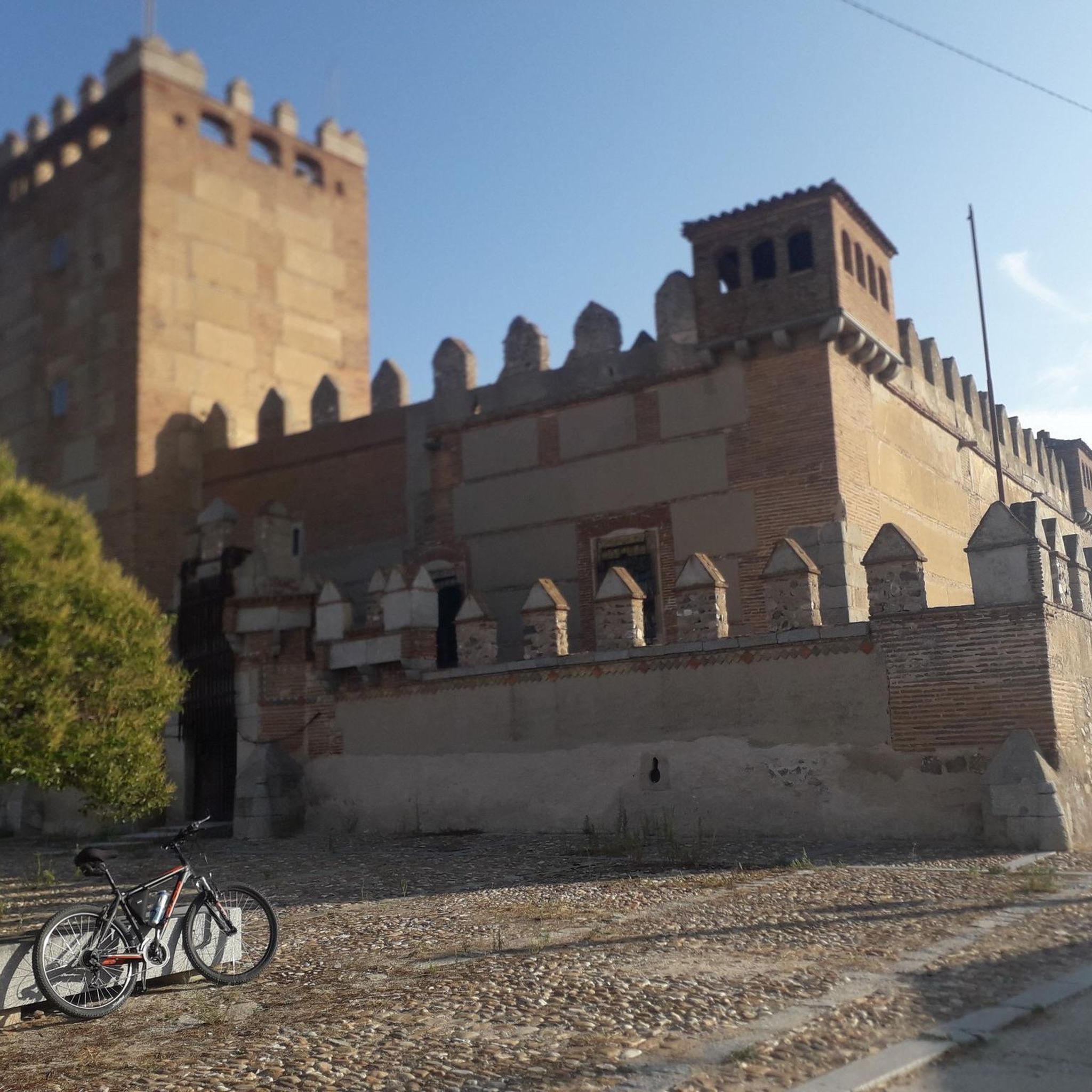
Narros de Saldueña Castle, also known as the Castle of the Duke of Montellano, is one of the best-preserved fortresses in the province of Ávila. It is located in the town of Narros de Saldueña, within the town limits. Construction: Late 15th century, attributed to Rodrigo de Valderrábanos, Lord of the Saldueña Estate. Expansions: It was renovated and enlarged at the beginning of the 16th century by his successors.
4
0
The Church of San Pedro Apóstol in El Oso, Ávila, is a parish church dating back to the 16th century. It stands out for its stone architecture, with three naves separated by large semicircular arches and a 17th-century Baroque main altarpiece. ⛪😎 In front of the church, there is the Stone Bear, also known as Verraco Vettón. This stone sculpture is part of the town's Open Air Museum and has great historical and cultural importance.🐻
4
0
The Castle of the Duke of Montellano, also known as Castle of Narros de Saldueña, is located at the end of the town of Narros de Saldueña, in the heart of the La Moraña plain, in the province of Ávila, autonomous community of Castilla y León. This castle, tracing its origins to the 15th century, is a good example of a castle-palace built with brick and mud (mortar), which relates it to Mudejar architecture.
6
0
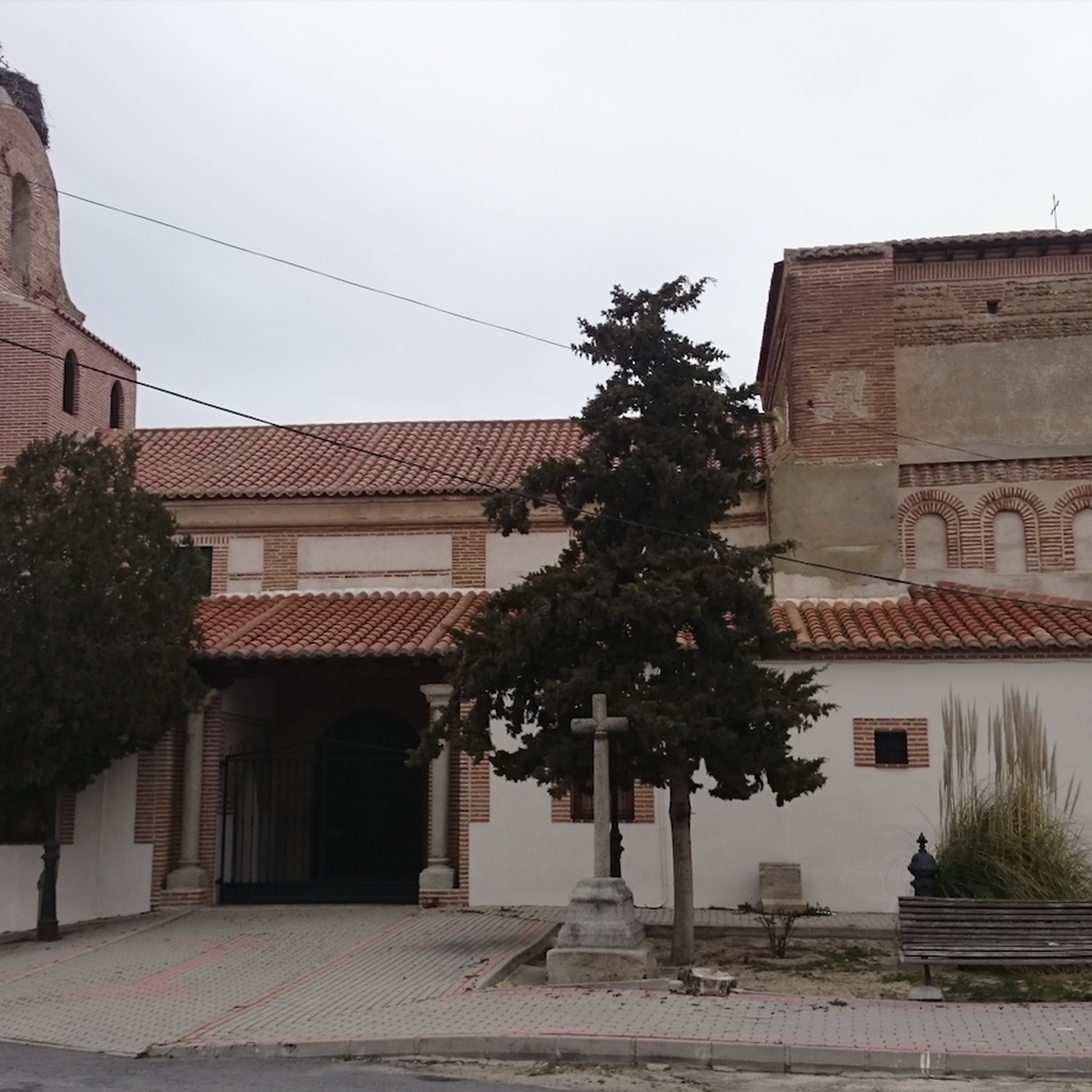
The church dates back to the time of the Catholic Monarchs, specifically the 16th century. Its main entrance presents a spectacular doorway attributed to the sculptor and architect Juan Rodríguez. This doorway follows the classic scheme, with a semicircular arch flanked by two columns with Corinthian capitals. On the entablature and triangular pediment, you will find granite sculptures representing mythological beings and gargoyles.
3
0
El Bohodón is a municipality in Spain belonging to the province of Ávila, in the autonomous community of Castilla y León. It is located in the La Moraña region, in the north of the province. It is located 35 kilometers from the capital and 17 kilometers from Arévalo.
5
0

Beautiful castle also called the Duke of Montellano (Ávila) Well-preserved building that is worth visiting!
0
1

Church with three wide naves that began to be built in the s. XV, being in its day one of the best of the time in the province. If you visit the town at Christmas, you should know that it is part of the Moraña Nativity Scene Route.
1
0
The castle of the Duke of Montellano dates from the s. XV and, given the use of brick and mud in its construction, it is related to Mudejar architecture. In its day it belonged to the Valderrábano family. It is listed as an Asset of Cultural Interest.
1
0
Frequently Asked Questions
What historical landmarks can I visit near Cabizuela?
The area around Cabizuela is rich in history. You can explore the 15th-century Castle of Narros de Saldueña, a fine example of Mudejar architecture. Other notable historical sites include the Romanesque Church of San Pedro Apóstol with its 16th-century altarpiece, and the Church of Our Lady of Sorrows, dating back to the 16th century with a spectacular doorway.
Are there any natural features or viewpoints to enjoy around Cabizuela?
While Cabizuela itself is characterized by its rural landscape with the Adaja and Arevalillo rivers flowing through, the broader Ávila province offers significant natural beauty. The Sierra de Gredos Regional Park is a magnificent natural environment ideal for hiking and mountaineering, featuring stunning views. You can also visit the impressive Cuevas del Águila for fascinating stalactite and stalagmite formations.
What outdoor activities can I do near Cabizuela?
You can enjoy various outdoor activities in the region. For cycling enthusiasts, there are numerous road cycling routes, such as the 'Pueblos de la Morana y Castillo del Duque de Montellano' loop. Mountain biking is also popular, with trails like the 'Aveinte loop from Riocabado'. For more details on routes, check out the MTB Trails around Cabizuela and Road Cycling Routes around Cabizuela guides.
Are there hiking trails suitable for different skill levels near Cabizuela?
Yes, the area offers hiking trails for various skill levels. You can find easy routes like the 'Castillo del Duque de Montellano — circular desde Muñomer del Peco' or moderate options such as the 'Laguna de El Oso Loop'. For more challenging hikes, consider the 'Gotarrendura and El Oso Loop'. Explore more options in the Hiking around Cabizuela guide.
What is the best time of year to visit Cabizuela and the Ávila province?
The province of Ávila, including the area around Cabizuela, is generally pleasant to visit during spring (April to June) and autumn (September to October). During these seasons, the weather is milder, making it ideal for exploring historical sites and enjoying outdoor activities like hiking in the Sierra de Gredos. Summers can be hot, especially in July and August, while winters are colder.
Are there any family-friendly attractions or activities in the area?
Many of the historical sites, such as the Church of Our Lady of Sorrows, are suitable for families. For a unique experience, the Cuevas del Águila offer an engaging natural wonder for all ages. The medieval Walls of Ávila, a UNESCO World Heritage site, provide an exciting walk with panoramic views that children often enjoy. Additionally, many of the easier hiking trails listed in the Hiking around Cabizuela guide can be suitable for families.
Where can I see Mudejar architecture near Cabizuela?
You can observe Mudejar architecture at the Castle of Narros de Saldueña, a 15th-century castle-palace built with brick and mud. Another example is the Church of San Pedro Apóstol, which features a distinctive Mudejar head with a unique archway.
What is El Bohodón known for?
El Bohodón is a municipality notable for its geographical location where the Adaja and Arevalillo rivers flow through its lands. This makes it a point of interest for those appreciating the rural landscape and riverine environments of the La Moraña region.
What is the significance of the Verraco Vettón (Stone Bear) near Cabizuela?
Near Cabizuela, specifically in El Oso, you can find the Verraco Vettón (Stone Bear). This ancient stone sculpture is part of the town's Open Air Museum and holds significant historical and cultural importance, often surrounded by local mythology.
Are there any UNESCO World Heritage sites in the vicinity of Cabizuela?
Yes, the nearby city of Ávila is home to the remarkably well-preserved Walls of Ávila, which are a UNESCO World Heritage site. The entire medieval city, with its cobbled streets and historic buildings, is also part of this designation, offering a journey back in time.
Can I find Romanesque architecture in the area?
Absolutely. The Church of San Pedro Apóstol is a Romanesque-style religious building, approximately eight centuries old. In the broader province, the Basilica of San Vicente in Ávila is a prominent example of Romanesque architecture, built between the 12th and 14th centuries.
What are some of the most impressive religious buildings to visit?
Beyond the local churches like the Church of San Pedro Apóstol and the Church of Our Lady of Sorrows, the province of Ávila boasts several significant religious sites. The Ávila Cathedral, integrated into the city walls, is considered the first Gothic cathedral in Spain. The Convent of Saint Teresa of Ávila and the Royal Monastery of Santo Tomás are also highly recommended for their historical and architectural value.
Most popular routes around Cabizuela

Get inspired with the komoot mobile app


Explore more
Still not found the Highlight you’re looking for? See guides of the top attractions in other regions:
