Attractions and Places To See around Astorga - Top 20
Best attractions and places to see around Astorga include a blend of Roman heritage, religious significance, and local culture. The city, situated on the left bank of the Tuerto River and a spur of the Manzanal mountain chain, offers historical sites and cultural experiences. Astorga is a significant stop on the Camino de Santiago pilgrimage route, contributing to its unique ambiance. The region provides a variety of points of interest for visitors to explore.
Best attractions and places to see…
Last updated: October 10, 2026
Cathedral of Saint Mary of Astorga
Highlight • Religious Site
Translated by Google •
Tip by

Episcopal Palace of Astorga (Gaudí Palace)
Highlight • Castle
Translated by Google •
Tip by
Sign up now to discover places like this
Get recommendations on the best single tracks, peaks, & plenty of other exciting outdoor places.
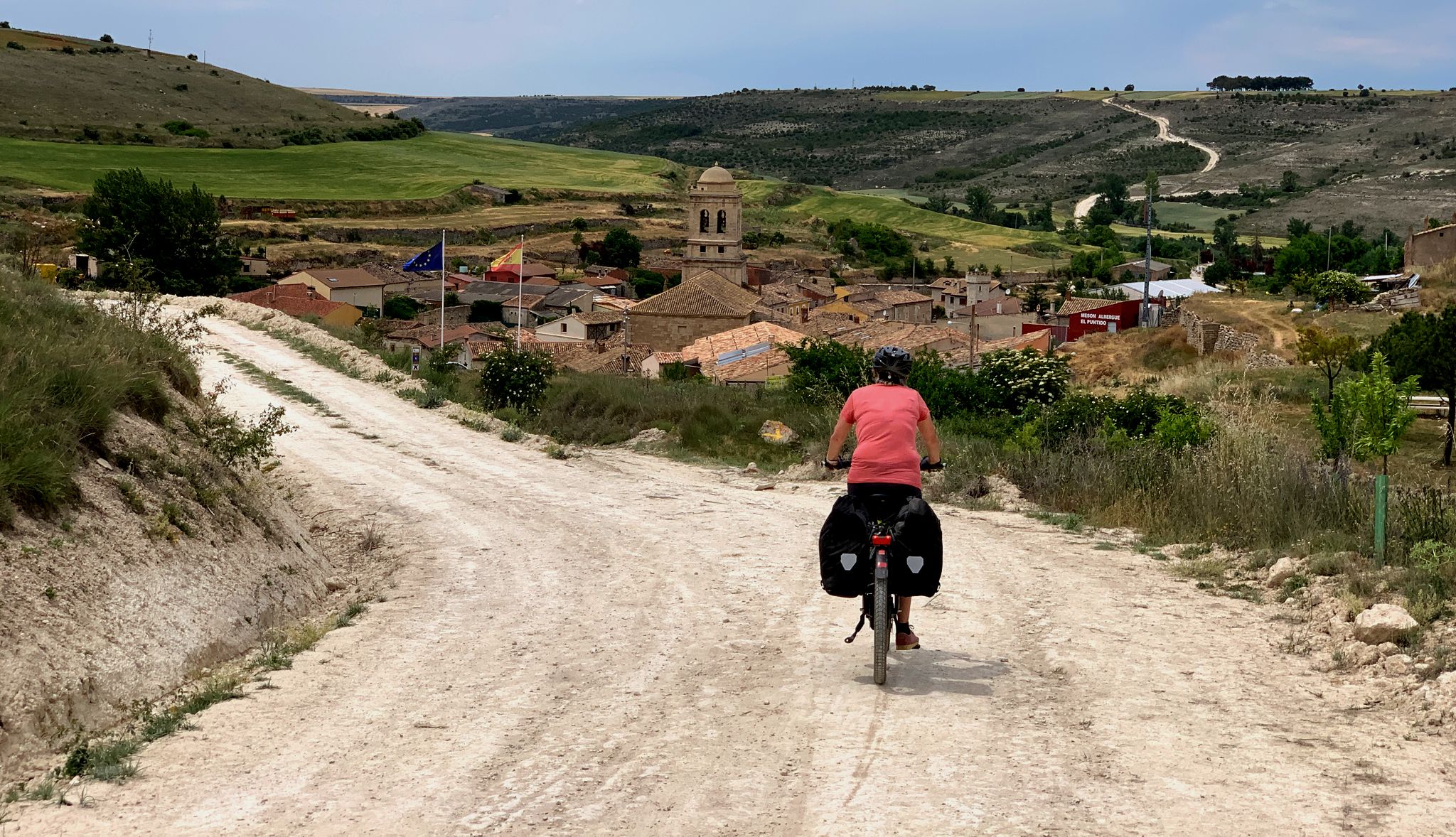
Rabanal del Camino — Village and Church
Highlight • Settlement
Translated by Google •
Tip by
The Garden of the Soul
Highlight • Rest Area
Translated by Google •
Tip by
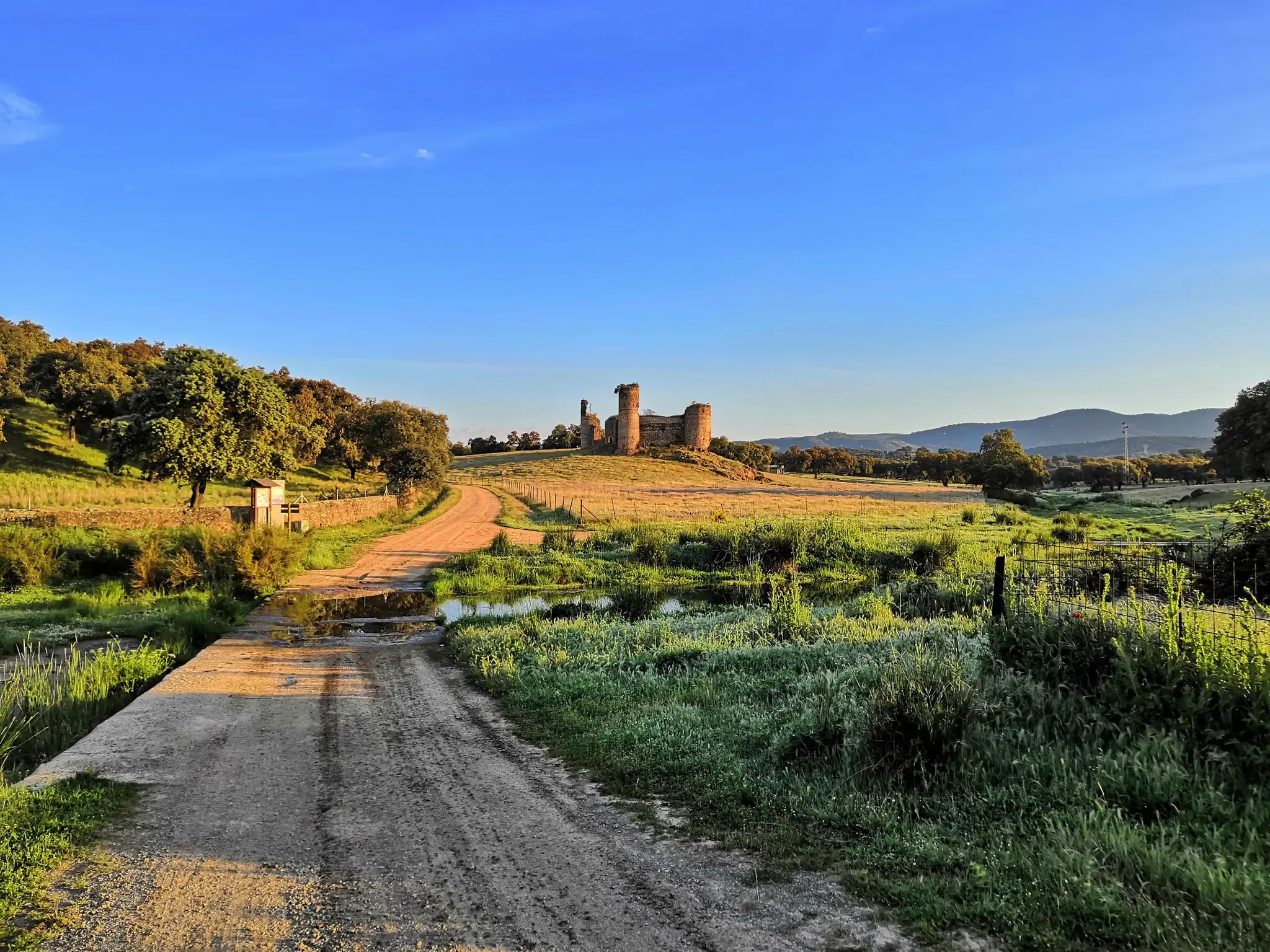
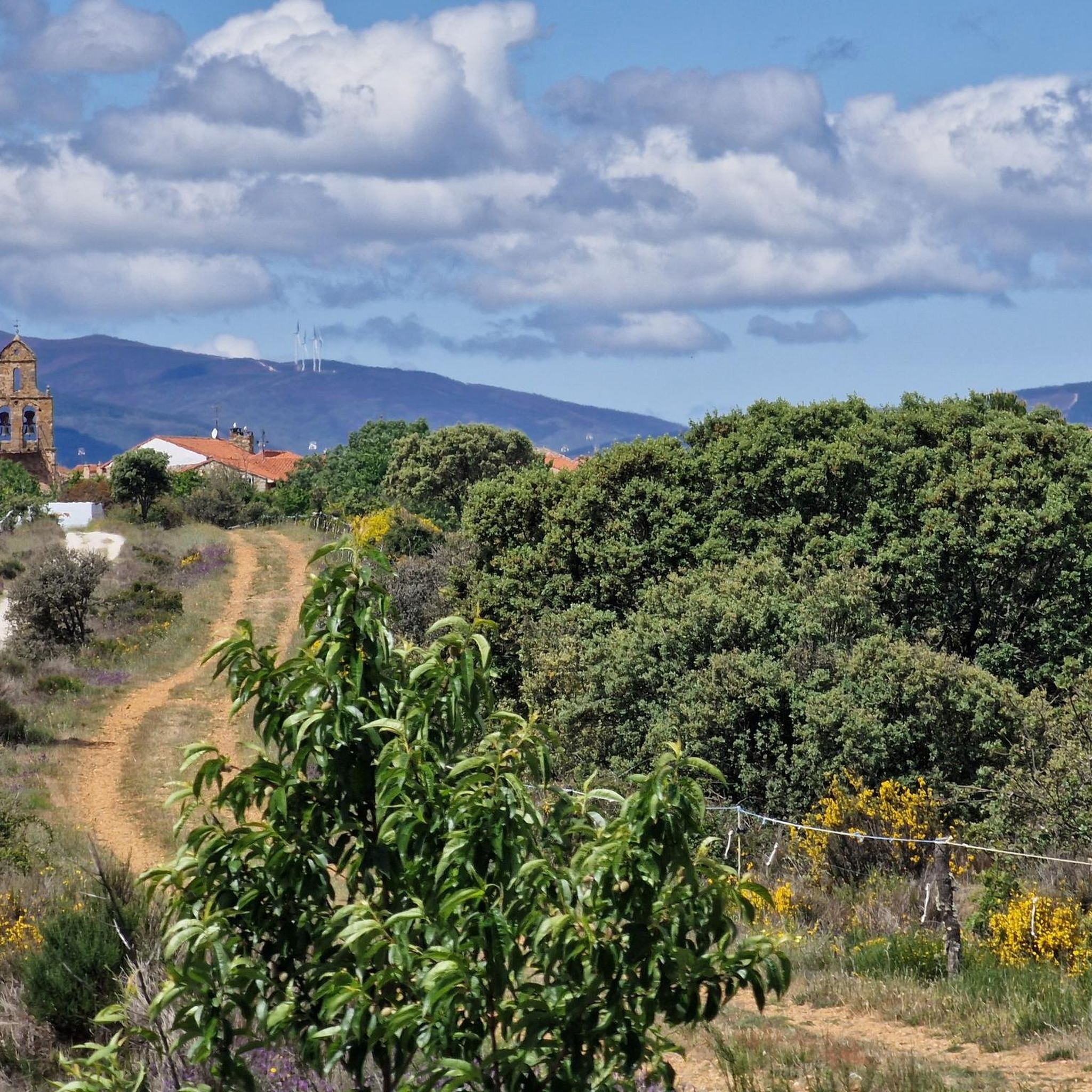
Trail to Foncebadón
Highlight (Segment) • Trail
Translated by Google •
Tip by
Sign up for free to discover even more attractions around Astorga.
Already have an account?
Start today with a free account
Your next adventure awaits.


Tips from the Community

A great place for a break. You take what you need. You give what you feel is right.
0
0

For me, this place is a piece of paradise on the Camino. Take a short break in the shade. Enjoy some of the delicacies (fruit, eggs, cake, etc.). In this atmosphere, it's easy to relax, rejuvenate, and move on more easily (and happier).
1
0

The Bishop's Palace of Astorga is one of only three buildings that Antoni Gaudí built outside Catalonia.
3
0

In the heart of Astorga, right next to the cathedral, lies one of the most unusual bishop's residences on the Iberian Peninsula: the Palacio Gaudi. It was designed and built by the famous Spanish architect of the same name (Antonio Gaudi, 1852-1926). A visit to the museum housed here is worthwhile both for the exhibits on display and, of course, for the imaginative architecture of the building.
2
0

On June 24, 1889, the prelate's name day, the first stone was laid. They had planned to complete the work on the palace in June 1894, but the bishop died in 1893, and this event radically changed the course of the work, paralyzed by the hostility between Gaudí and the Diocesan Council. Finally, Antonio Gaudí resigned from his post as chief architect, very upset by the treatment he received. In 1905, D. Julián de Diego y Alcolea ruled the diocese of Astorga and tried to convince Gaudí to return to the works of the palace, but he did not succeed. Ricardo García-Guereta, diocesan of León, was appointed architect and completed the work on October 12, 1913, as bishop D. Julián de Diego y Alcolea
4
0
Cultural visit The Cathedral of Astorga is a temple that is forever engraved in the memory of those who visit it. It offers a fantastic tour explained through an audio guide system available in different languages. A visit also designed for the little ones, since the cathedral offers a fun audio guide for children.
5
0

The Church of Nuestra Señora de la Asunción in Rabanal del Camino is a beautiful architectural gem along the Camino de Santiago. This church, located in the small village of Rabanal del Camino in the province of León, was built in the 12th century and has undergone several renovations and extensions over the centuries. The church is of Romanesque origin and is believed to have been built by the Knights Templar, who protected the pilgrims who crossed the Montes de León on their way to Santiago de Compostela.
6
0

Very beautiful old cathedral with an attached museum. It is always worth a visit and there is a reduced entrance fee for pilgrims.
2
0
Frequently Asked Questions
What historical sites can I explore in Astorga beyond the main cathedral and palace?
Astorga offers a rich Roman heritage. You can explore significant sections of its ancient Roman Walls, a testament to its past as Asturica Augusta. The Roman Museum (Museo Romano / La Ergástula), housed within an impressive Roman structure, displays artifacts like mosaics and ceramics, and is the starting point for the 'Roman Route' circuit. Additionally, the Town Hall (Ayuntamiento) in Plaza Mayor is a beautiful 17th-century Baroque building.
What is Astorga's connection to the Camino de Santiago?
Astorga is a significant stop on the historic Camino de Santiago pilgrimage route, which greatly contributes to its unique cultural and historical ambiance. The Episcopal Palace of Astorga (Gaudí Palace) houses the Museum of the Ways (Museo de los Caminos), exhibiting sacred art and archaeological finds related to the Camino. The nearby village of Rabanal del Camino is also a well-known stop for pilgrims.
Are there any unique cultural experiences or museums in Astorga?
Absolutely! The Chocolate Museum (Museo del Chocolate) celebrates Astorga's long-standing chocolate-making tradition, offering a look into its local history with old stores, factory recreations, and tasting areas. You can also visit the Museo de la Catedral de Astorga, which houses a captivating collection of religious artifacts. For a glimpse into local traditions, seek out the Mural de las Cajilleras, a vibrant mural honoring women who crafted wooden crates.
What outdoor activities are available near Astorga?
The region around Astorga offers various outdoor activities, particularly cycling. You can find numerous routes for different disciplines:
- For Road Cycling, explore options like the 'Villameca Reservoir Loop from Astorga' or the 'Iron Cross – Molinaseca Roman Bridge loop'. Find more routes in the Road Cycling Routes around Astorga guide.
- For Mountain Biking, consider routes such as 'Ascent to Alto de la Veiga and Miners' or the 'Gaudí Palace – Plaza Mayor Building Facades loop'. Discover more in the MTB Trails around Astorga guide.
- For general Cycling, routes like 'Astorga - Santa Colomba de Somoza via Camino Francés' are available. Check out the Cycling around Astorga guide for more options.
Are there any natural attractions or scenic areas close to Astorga?
While Astorga is primarily known for its historical sites, it is situated on the left bank of the Tuerto River and on a spur of the Manzanal Mountain Chain, offering picturesque surroundings. For a significant natural excursion, the UNESCO World Heritage Site of Las Médulas, an ancient Roman gold mining landscape with dramatic russet-toned rock formations, is about 1.5 hours away and makes for a striking day trip.
Are there easy walking routes or trails suitable for beginners around Astorga?
Many sections of the Camino de Santiago passing through Astorga offer relatively easy walking paths. For example, the Trail to Foncebadón, particularly the section between Foncebadón and Rabanal del Camino, is appreciated for its natural beauty. These paths are generally well-trodden and suitable for those looking for a pleasant stroll in the countryside.
Are there family-friendly attractions in Astorga?
Yes, Astorga offers several family-friendly attractions. The Cathedral of Saint Mary of Astorga and the Episcopal Palace of Astorga (Gaudí Palace) are both listed as family-friendly and offer fascinating architecture and history. The Chocolate Museum is also a great option for families, providing an engaging and tasty experience. Additionally, the Synagogue Gardens offer a peaceful park setting for relaxation.
What is the best time of year to visit Astorga for outdoor activities?
The best time to visit Astorga for outdoor activities like cycling and walking is typically during the spring (April to June) and autumn (September to October). During these months, the weather is generally mild and pleasant, making it ideal for exploring the city's surroundings and the Camino de Santiago routes. Summers can be quite hot, and winters can be chilly, though the historical sites remain accessible year-round.
Is Astorga accessible for visitors with mobility challenges?
The Episcopal Palace of Astorga (Gaudí Palace) is noted as being wheelchair accessible, making it a good option for visitors with mobility challenges. While many historical sites may have varying levels of accessibility due to their age, the city center and main squares are generally flat and walkable. It's advisable to check specific accessibility details for other attractions directly.
Where can I find unique local crafts or food in Astorga?
Astorga is renowned for its chocolate-making tradition, so visiting the Chocolate Museum and local chocolate shops is a must for unique treats. The surrounding Maragatería region, with villages like Castrillo de los Polvazares, is known for its unique 'maragato' culture, including traditional architecture and gastronomy. The Plaza Mayor in Astorga is also a hub for local shops and tapas bars where you can sample regional specialties.
Are there any lesser-known historical sites or hidden gems to discover in Astorga?
Beyond the major landmarks, Astorga holds some intriguing hidden gems. The Celda de las Emparedadas (Cell of the Walled-Up Women) is a small, historical window in the wall between the Church of Santa Marta and the Chapel of San Esteban, representing a unique ascetic practice. The Synagogue Gardens (Jardín de la Sinagoga) offer a peaceful, wooded park situated on the Roman walls, providing lovely views and a quiet escape.
What do visitors particularly enjoy about the attractions in Astorga?
Visitors frequently praise the blend of architectural styles at the Cathedral of Saint Mary of Astorga, especially its impressive altarpieces. The Episcopal Palace of Astorga (Gaudí Palace) is admired for its unique neo-Gothic design by Antoni Gaudí and the valuable exhibits in the Museum of the Ways. Many also appreciate the peaceful resting place offered by The Garden of the Soul, a popular stop on the Camino de Santiago.

Get inspired with the komoot mobile app


Explore more
Still not found the Highlight you’re looking for? See guides of the top attractions in other regions:
