The best cycling routes around Portillo De Toledo
4.0
(4)
72
riders
23
rides
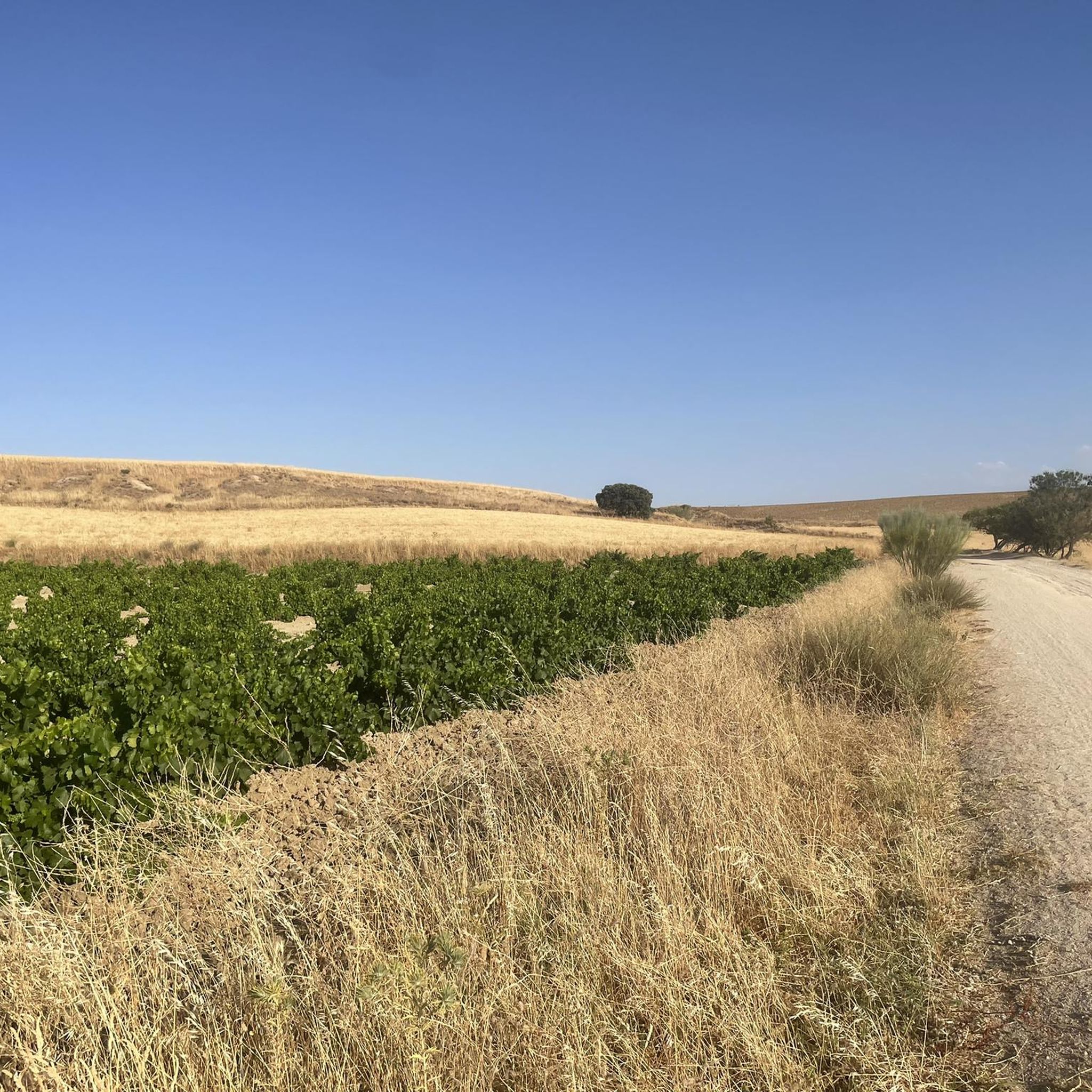
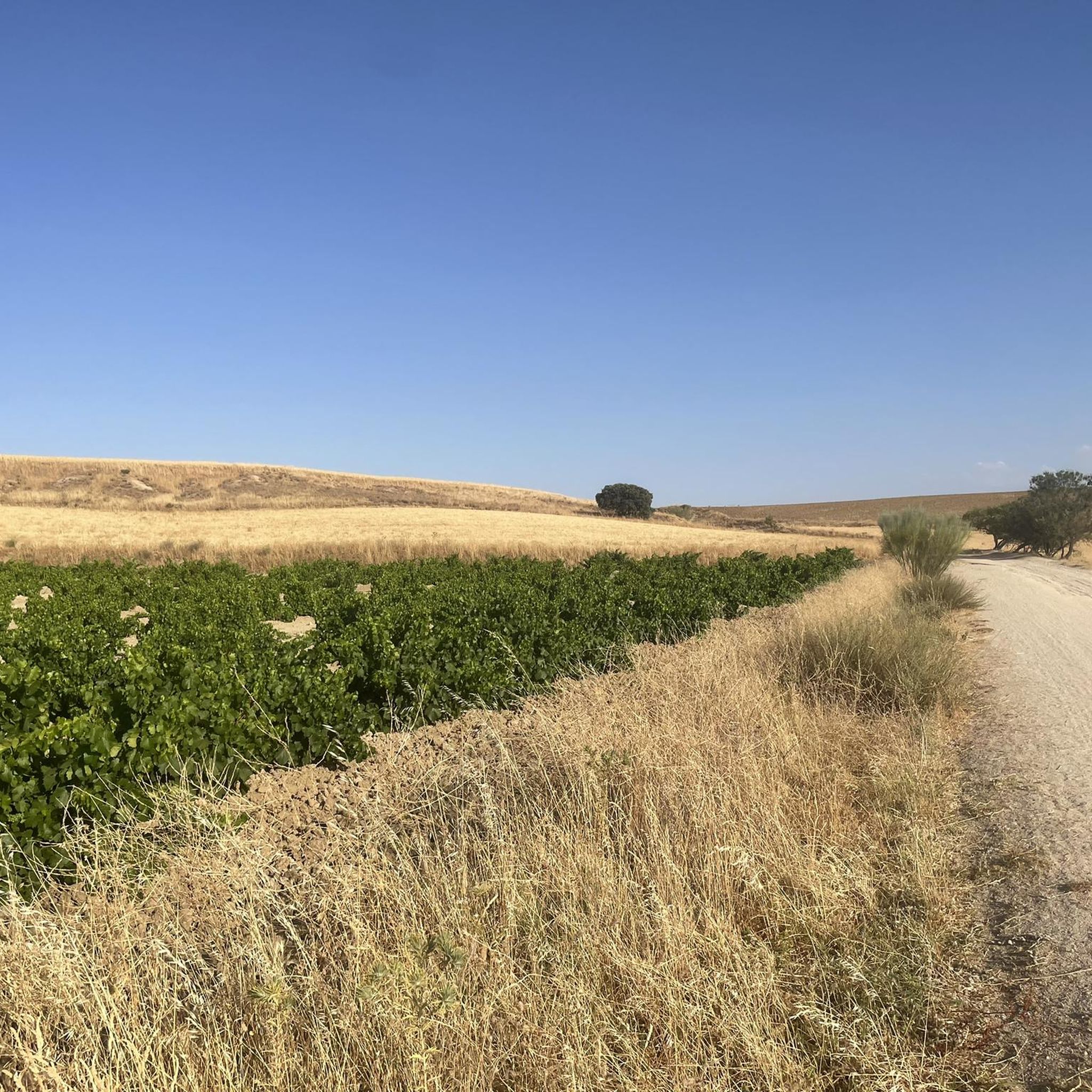
Touring cycling routes around Portillo De Toledo traverse an agricultural landscape within the comarca of Torrijos, Castilla-La Mancha. The region features a network of paths and bike lanes, including sections of the Camino Natural del Tajo and the Vía Verde del Trenillo, a former railway line. Terrain varies from paved roads to more rugged tracks, offering diverse cycling experiences through rural environments and the La Sagra plains.
Best touring cycling routes around Portillo De Toledo
- The most popular touring cycling…
Last updated: July 11, 2026
4.0
(1)
8
riders
26.9km
02:20
150m
150m
Moderate bike ride. Good fitness required. Mostly paved surfaces. Suitable for all skill levels.
3.0
(1)
8
riders
42.3km
03:31
240m
240m
Hard bike ride. Good fitness required. You may need to push your bike for some segments of this route.

Sign up for free
4.0
(1)
6
riders
56.0km
04:51
420m
420m
Moderate bike ride. Good fitness required. Mostly paved surfaces. Suitable for all skill levels.
5
riders
48.2km
04:12
310m
310m
Moderate bike ride. Good fitness required. Mostly paved surfaces. Suitable for all skill levels.
2
riders
45.9km
03:51
220m
220m
Moderate bike ride. Good fitness required. Mostly paved surfaces. Suitable for all skill levels.
Get access to more routes and recommendations from other explorers.
Sign up for free
Already have an account?
Our route recommendations are based on thousands of hikes, rides, and runs completed by other people on komoot.
Start today with a free account
Your next adventure awaits.
Login or Signup


Tips from the Community

Barcience Castle is a medieval fortress located in the municipality of Barcience, in the province of Toledo. It stands on a hill that dominates the surroundings, offering a strategic view of the surrounding landscape.
5
0

Torrijos gives its name to its region in the plain between the Tajo and Alberche rivers. It is the natural center of trade in goods and services in this area of Toledo. With its population of almost 13,000 inhabitants, it has all the services of a small city and has direct communications by train and bus with the main cities of Toledo and Extremadura. Its monuments, such as the palace of Peter I or its collegiate church, testify to its historical importance since the Middle Ages.
1
0

Although the town of Caudilla is uninhabited, the ruins of the church remain there and even more striking are those of the Rivadeneyra castle, which was built in the 15th century and which curiously, after centuries of wars and attacks of the climate, is still standing. the figure of Christ at the top of its tower that makes it a very curious and striking place for many, especially for photography lovers looking for their best shot at night under a starry sky.
1
0
Rielves is a transit point for the Caminos de Santiago del Levante, on its way between Toledo and Ávila, the path being perfectly signposted.
7
0
We can tour its large courtyard, and the almost square plan that it presents, indicating by its size and the time in which it was erected, that it served as a residence rather than a defensive fort. Two interesting cubes are indications of the barrier and the moat that protected the entrance door to the enclosure, and of which there are no remains. Three towers, two circular, another square, and the homage, make up the rest of the enclosure. Juan de Silva, the first Count of Cifuentes, began the construction of the fortress in the 14th century, which would be completed by his grandson, with the same name. It was endowed with artillery and garrison in the 16th century.
7
0

Torrijos has an enormous architectural heritage, among which it is worth highlighting the train station, the parish church (with a very old organ and elements brought from Medina Azahara), the palace of Pedro I or even its more contemporary Center for the Elderly.
4
0
Fuensalida has had several moments of splendor, being in the 16th century when it reached its peak and most of the emblematic buildings of the town were built. In the middle of the 20th century, a footwear industry started that ended up becoming the largest in the province of Toledo, a rank that it still holds today.
2
0
Huecas is a small and quiet place, whose only bar, however, is capable of feeding a whole platoon. Perhaps because it is one of those places that is usually passed by, it is even more worth taking a walk through its streets.
2
0
Frequently Asked Questions
How many touring cycling routes are available around Portillo de Toledo?
There are nearly 30 touring cycling routes around Portillo de Toledo, offering a variety of experiences for different skill levels. You'll find options ranging from easy rides to more challenging routes with significant elevation gain.
What kind of terrain can I expect on the touring cycling routes?
The terrain around Portillo de Toledo is diverse, featuring a mix of road and track surfaces. You'll cycle through agricultural landscapes, rural paths, and sections of former railway lines converted into greenways, such as the Vía Verde del Trenillo. This allows for varied cycling experiences, from paved sections to more rugged ground.
Are there any family-friendly cycling routes in Portillo de Toledo?
Yes, there are several routes suitable for families. The area offers paths and bike lanes designed to minimize interaction with cars, making for a safer and more enjoyable experience. Many of the 7 easy routes are ideal for family outings.
What landmarks or attractions can I see along the touring cycling routes?
You can explore various historical and cultural points of interest. For example, the route Barcience Castle – Church of Huecas loop from Fuensalida passes by Barcience Castle. Another route, San Silvestre Castle loop from Fuensalida, takes you near San Silvestre Castle. The historic city of Toledo, a UNESCO World Heritage Site, is also accessible via routes like the Cathedral of Toledo – Alcántara Bridge loop from Fuensalida.
Are there challenging routes for experienced touring cyclists?
Absolutely. While many routes are moderate, there are 2 difficult routes for those seeking a greater challenge. For instance, the Torrijos Town Center – Church of Huecas loop from Novés covers 42.3 km with over 240 meters of elevation gain, providing a good workout.
What natural features will I encounter on the bike routes?
The region is characterized by its agricultural landscape, offering picturesque scenery. You'll find sections of the Camino Natural del Tajo, allowing you to immerse yourself in the rural beauty of Castille-La Mancha. The Vía Verde del Trenillo also winds through vineyards and near natural reserves like the Laguna Larga.
Where can I park my car when cycling in Portillo de Toledo?
While specific parking areas for cyclists are not detailed, Portillo de Toledo is a small town, and parking is generally available within the town center or near the starting points of popular routes. It's advisable to check local signage upon arrival.
Is public transport available to Portillo de Toledo if I want to bring my bike?
Public transport options for bringing bikes to Portillo de Toledo are limited. While bus services connect the town to larger centers, policies regarding bicycle transport can vary. It's recommended to check with specific bus operators for their bike carriage rules before planning your trip.
What is the best season for touring cycling in Portillo de Toledo?
The region generally experiences hot summers and mild winters. Spring and autumn are typically the most pleasant seasons for cycling, offering comfortable temperatures and vibrant landscapes. Early mornings or late afternoons are often best during the warmer months.
Are there circular touring cycling routes available?
Yes, many of the touring cycling routes around Portillo de Toledo are designed as loops, allowing you to start and finish in the same location. Examples include the San Silvestre Castle – Barcience Castle loop from Fuensalida, which offers a convenient circular journey.
What do other touring cyclists enjoy the most about cycling in Portillo de Toledo?
The area is highly rated by the komoot community, with an average score of 4.2 stars. Reviewers often praise the diverse agricultural landscapes, the quiet rural paths, and the opportunity to explore historical landmarks while enjoying a varied cycling experience.
Where can cyclists find cafes or accommodation in Portillo de Toledo?
Portillo de Toledo, being a traditional Spanish town, offers local cafes and restaurants where cyclists can refuel. For accommodation, you'll find guesthouses or small hotels within the town or nearby villages. The historic city of Toledo, easily accessible, also provides a wider range of services.
Most popular attractions around Portillo De Toledo

Get inspired with the komoot mobile app


Explore more
Browse the best Cycling routes in other regions.
