Attractions and Places To See around Pleitas - Top 12
Best attractions and places to see around Pleitas, a small municipality in the Zaragoza province of Aragon, Spain, include historical structures and natural features. The area is characterized by its location on the banks of the Jalón River, offering a blend of cultural heritage and natural landscapes. Notable historical sites like the Mudejar Tower and the Church of San Juan Bautista reflect the region's past. Visitors can explore wetlands, historical bridges, and riverine environments.
Best attractions and places to see…
Last updated: June 23, 2026
Jalón River Aqueduct (El Caracol)
Highlight • Bridge
Translated by Google •
Tip by

Balsa de Larralde
Highlight • Lake
Translated by Google •
Tip by

Sign up now to discover places like this
Get recommendations on the best single tracks, peaks, & plenty of other exciting outdoor places.
Sign up for free
Clavería Bridge over the Imperial Canal of Aragon
Highlight • Bridge
Translated by Google •
Tip by

Jubo Bridge
Highlight • Bridge
Originally, its construction began in the 18th century, but due to the War of …
Translated by Google •
Tip by

Pinseque Gates
Highlight • Structure
The Pinseque gate was built in 2008, coinciding with the Zaragoza International Exhibition
Its basic function is to maintain the water levels in the Imperial Canal. They are …
Translated by Google •
Tip by
Sign up for free to discover even more attractions around Pleitas.
Sign up for free
Already have an account?
Start today with a free account
Your next adventure awaits.
Login or Signup

Tips from the Community

The Larralde raft is worth seeing, but not the rest.
0
0

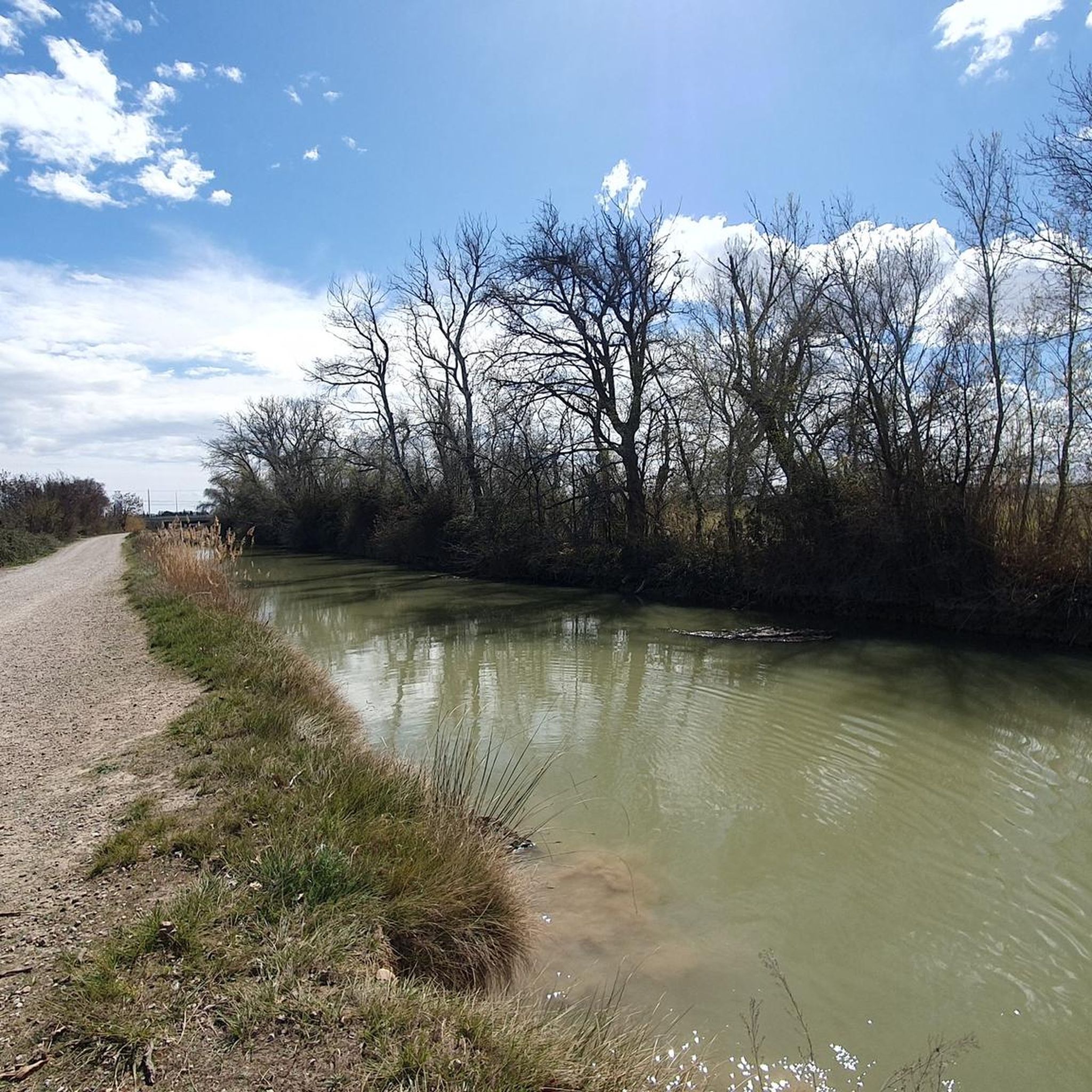
Architecturally, it's stunning, but we couldn't find a way to follow the canal without getting our feet wet. In the end, we crossed the Jalón River under the canal and then rejoined it. The question remains whether we could have crossed the canal walls on foot. On the left side, there was an open metal gate (we were already on the right side), but on the other side of the Jalón River, we saw another metal gate locked with a padlock.
0
0

Wikipedia The Jalón River Aqueduct, also known as the Grisén or Jalón Walls or El Caracol, is the most representative work of the construction of the Imperial Canal of Aragon, built in the 18th century. This aqueduct is located in the natural setting of El Caracol, between the municipalities of Alagón and Grisén, about 25 kilometers from the city of Zaragoza. The objective of this work was to cross the greatest obstacle found in the layout of the canal, the Jalón River. Initially, the creation of a large siphon beneath the waters of the Jalón was proposed, but finally the layout of the canal twists towards the Jalón Valley to face the river perpendicularly. A route of more than 2 kilometers in total length begins, of which 1,380 meters run between stone walls.
0
0

The Jubo Bridge has a fascinating history spanning from the 18th century to the 21st century. Originally, its construction began in the 18th century, but due to the War of Independence, it remained unfinished for many years. Finally, in more recent times, it was completed with a wooden and steel walkway. This bridge is a pedestrian crossing over the Imperial Canal of Aragon, located near the town of Pinseque and a few meters from the Santa Emilia beacon.
2
0

The Larralde Raft together with the 'Ojo del Cura' and the 'Ojo del Fraile' are the last to form part of the set of Wetlands in the area, very important for the conservation of native fauna and flora and the water cycle.
1
1

This infrastructure dates back to the end of the 18th century and there are some legends about this unfinished passage of the Imperial Canal of Aragon. One of them says that it sank when a car passed by, and that it was no longer repaired, and others say that they started it at the Canal works and it remained unfinished. The Aragonese section of the Imperial Canal of Aragon was inaugurated on September 20, 2000 as a Site of Cultural Interest and Site of Cultural Interest in the category of Historic Site. To enjoy this great work and to understand it is to understand a part of our best history that seems to be latent in our memory.
1
0
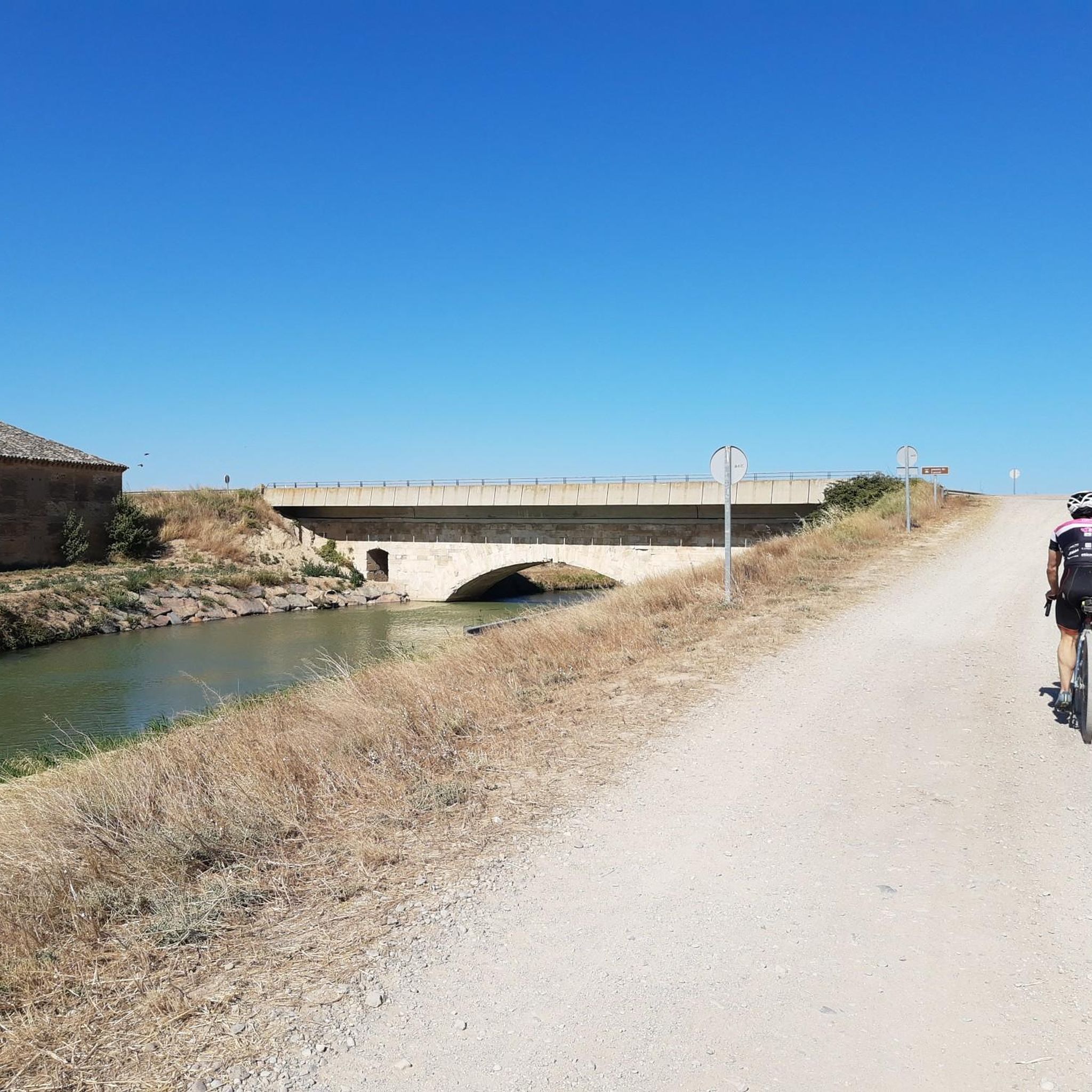
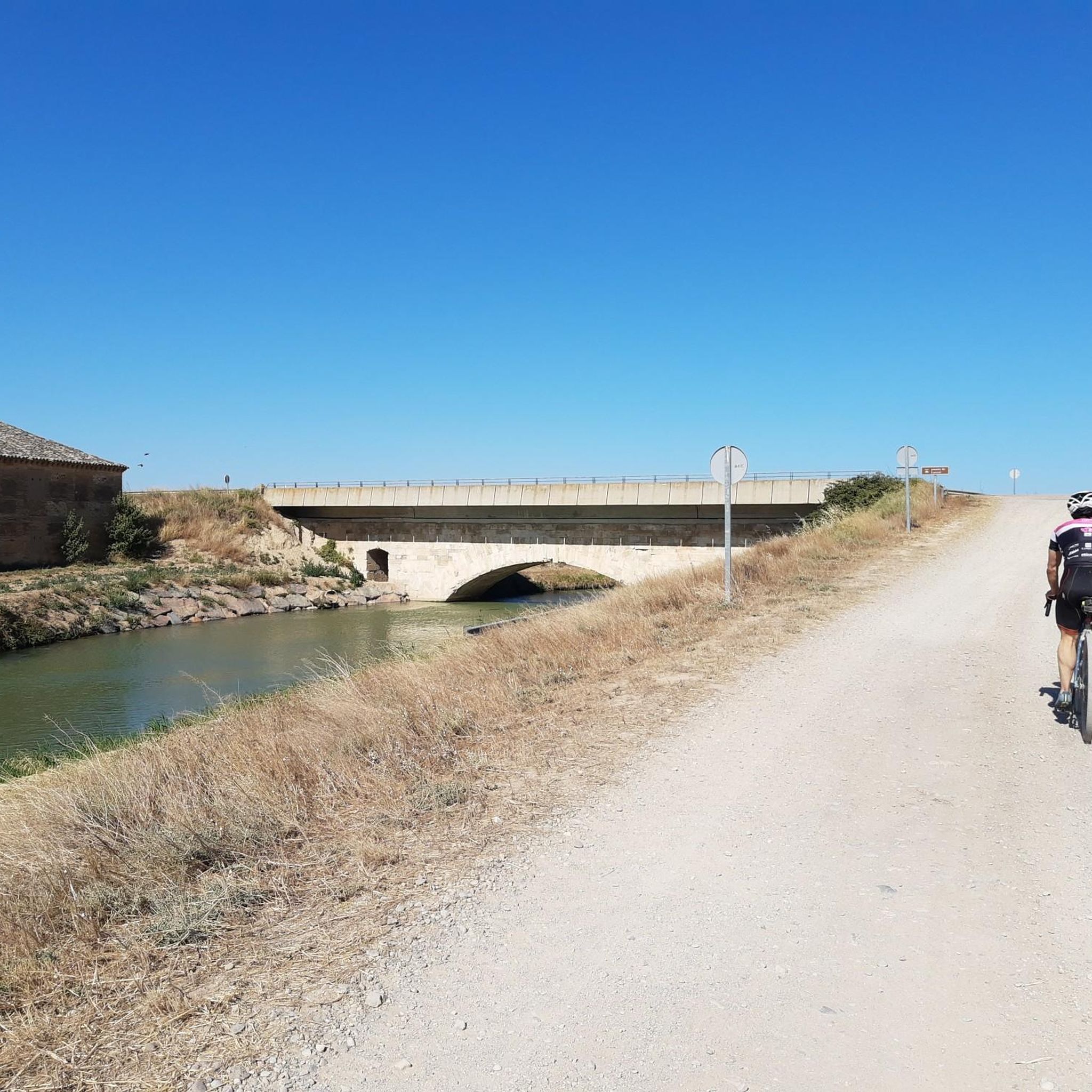
Historic arch bridge built in the 18th century to cross the Imperial Canal of Aragon. Nice picture to photograph!
2
0

Frequently Asked Questions
What historical landmarks can I explore in Pleitas?
Pleitas offers a glimpse into its rich past with several historical sites. The most prominent is the 14th-century Mudejar Tower (Torre de Señorío), a unique example of Mudejar military architecture in Aragon. Additionally, you can visit the 17th-century Church of San Juan Bautista, known for its interesting altarpieces and carvings.
Are there any notable historical bridges around Pleitas?
Yes, the area is known for its historical bridges, many connected to the Imperial Canal of Aragon. You can see the Clavería Bridge over the Imperial Canal of Aragon, an 18th-century arch bridge. Another significant structure is the Jalón River Aqueduct (El Caracol), an impressive 18th-century work designed to cross the Jalón River. The Jubo Bridge, with its fascinating history spanning from the 18th century and later completion with a wooden and steel walkway, is also nearby.
Where can I experience nature around Pleitas?
Pleitas is situated on the banks of the Jalón River, offering scenic walking trails and natural landscapes. A significant natural attraction is Balsa de Larralde, a 4-hectare wetland known for its rich variety of flora and fauna. This wetland is part of an important set of lagoons in the region, providing a habitat for diverse wildlife.
What kind of outdoor activities are available near Pleitas?
The region around Pleitas is excellent for outdoor enthusiasts. You can enjoy various activities such as hiking, road cycling, and mountain biking. There are numerous routes available for different skill levels. For detailed routes, you can explore the Hiking around Pleitas, Road Cycling Routes around Pleitas, and MTB Trails around Pleitas guides.
Are there hiking trails suitable for different skill levels?
Yes, the area offers hiking trails for various abilities. For easy walks, consider routes like the 'Hermitage of the Virgin of the Wave loop from Grisén' (6.8 km) or the 'Jubo Bridge loop from Pinseque' (6.9 km). If you're looking for a moderate challenge, the 'Pinseque and Imperial Canal of Aragón Loop' (17.3 km) is a good option. You can find more details in the Hiking around Pleitas guide.
Can I go cycling around Pleitas?
Absolutely. The Pleitas area provides excellent opportunities for both road cycling and mountain biking. Road cyclists can find moderate routes like the 'Route of Alagón and Muel via' (105 km) or the 'Balsa de Larralde – Almenara de San Miguel loop from Pinseque' (28 km). For mountain bikers, there are options ranging from easy to difficult, such as the 'Calle de la UME – Balsa de Larralde loop from Pinseque' (23.4 km). Explore the Road Cycling Routes around Pleitas and MTB Trails around Pleitas guides for more routes.
Are there family-friendly attractions in the Pleitas area?
Many of the natural and historical sites around Pleitas are suitable for families. The Balsa de Larralde wetland is a great spot for nature observation. Historical bridges like the Jalón River Aqueduct (El Caracol) and the Clavería Bridge offer interesting sights and are often part of accessible walking routes.
What is the significance of the Imperial Canal of Aragon in this region?
The Imperial Canal of Aragon is a monumental 18th-century engineering feat that significantly impacted the region. It was designed to carry water from the Ebro River to Zaragoza. Several attractions around Pleitas, such as the Clavería Bridge and the Jalón River Aqueduct (El Caracol), are integral parts of this historic canal system, showcasing its impressive construction and historical importance.
Is there any unique local folklore or natural phenomena associated with Pleitas?
Yes, an intriguing historical account from the Andalusian geographer Al-Himyari describes a unique natural phenomenon in Pleitas. According to his work, a sweet water spring would emerge during the first night of August and flow until midday the following day, then gradually decrease and remain dry until the next year. This fascinating anecdote highlights a historical natural curiosity of the area.
What do visitors particularly enjoy about the natural sites here?
Visitors appreciate the tranquility and biodiversity of natural sites like Balsa de Larralde. This wetland is valued for its rich variety of flora and fauna, including poplars and reedbeds that provide refuge and food for diverse animals. It's considered an important area for the conservation of native wildlife and the water cycle.
What should I know before visiting the Jalón River Aqueduct?
The Jalón River Aqueduct (El Caracol) is an architecturally stunning historical site. There's a picnic area with tables and barbecue facilities, offering plenty of shade. Depending on the season, you might be able to ford the Jalón River, but at other times, you may need to use the canal path to cross. The site also features a spiral staircase that gave the place its nickname 'El Caracol' (The Snail).
Are there any modern engineering marvels related to water management near Pleitas?
Yes, in addition to the historical Imperial Canal structures, you can find modern water management infrastructure. The Pinseque Gates, built in 2008, are an example. Their basic function is to maintain water levels in the Imperial Canal, acting as automatic water gates that regulate flows at different levels.

Get inspired with the komoot mobile app


Explore more
Still not found the Highlight you’re looking for? See guides of the top attractions in other regions:
