The best road cycling routes around Puente Genil
4.4
(7)
762
riders
68
rides
Road cycling around Puente Genil offers routes through a landscape dominated by extensive olive groves and vineyards, characteristic of Andalusia. The region features well-developed greenways, such as the Vía Verde del Aceite, which follow former railway lines with gentle gradients. These paths provide traffic-free cycling experiences, traversing agricultural lands and crossing historical viaducts. The terrain generally presents minimal inclines, making it accessible for various cycling abilities, with some routes offering more challenging elevation gains.
Best road cycling routes around Puente…
Last updated: July 7, 2026
19
riders
52.2km
02:23
580m
590m
Moderate road ride. Good fitness required. Some segments of this route may be unpaved and difficult to ride.
7
riders
54.2km
04:03
910m
910m
Hard road ride. Very good fitness required. Some segments of this route may be unpaved and difficult to ride.

Sign up for free
40
riders
71.0km
03:14
730m
730m
Moderate road ride. Good fitness required. Some segments of this route may be unpaved and difficult to ride.
41
riders
66.2km
02:56
650m
650m
Moderate road ride. Good fitness required. Some segments of this route may be unpaved and difficult to ride.
32
riders
91.4km
04:11
990m
990m
Hard road ride. Very good fitness required. Some segments of this route may be unpaved and difficult to ride.
Get access to more routes and recommendations from other explorers.
Sign up for free
Already have an account?
Our route recommendations are based on thousands of hikes, rides, and runs completed by other people on komoot.
Start today with a free account
Your next adventure awaits.
Login or Signup
Other adventures around Puente Genil

Tips from the Community

give it your all
0
0

Aguilar de la Frontera [2] is a Spanish municipality in the southwest of the province of Córdoba, in the autonomous community of Andalusia. The municipality is located in the region of Campiña Sur Cordobesa [3] and is the seat of the judicial district of the same name. [4] It lies at an altitude of 280 m above sea level [5] and about 47 km from the provincial capital, Córdoba. [6] In 2017, it had 13,476 inhabitants and a population density of 82.01 inhabitants/km². [7]
0
0
Sebastian, and Easter eggs. It's safe to say that San Sebastián's colonial and "German" roots are still very present among its residents today, and they are often proud of them, so much so that even the local first name is "Sebastianenses" or "Alemanes." But... what about the language? Why has nothing of the language of these settlers survived to this day? The majority of the population was, of course, German, since the French settlers also came from German-speaking areas. It is believed that the first settlers and their children spoke exclusively German. However, when they came into contact with the locals, they had to learn Spanish. Therefore, it is quite possible that for several decades they spoke German among themselves, especially at home, and Spanish on the street or at work. Certainly, there were German expressions used when speaking Spanish, or words from both languages were mixed when speaking (as happens today in Gibraltar, where they speak the famous "Spanglish," a mixture of English and Spanish). Over the years and across generations, the German language fell into disuse until, almost 250 years later, it reached what it is today. It is striking that (at least as far as I know) there is not a single vernacular word or expression in German or of German origin. Proof that German expressions continued to exist in everyday life even when the Sebastianians spoke Spanish was provided to me by a good friend from the city named Sebastian. This man, about 55 years old, remembers how, when he was very young, his grandmother, who was already very old, fed the chickens instead of calling them with a voice of "PITAS, PITAS, PITAS!" He called them in German: KOMM, KOMM, KOMM! (come, come, come).
0
0

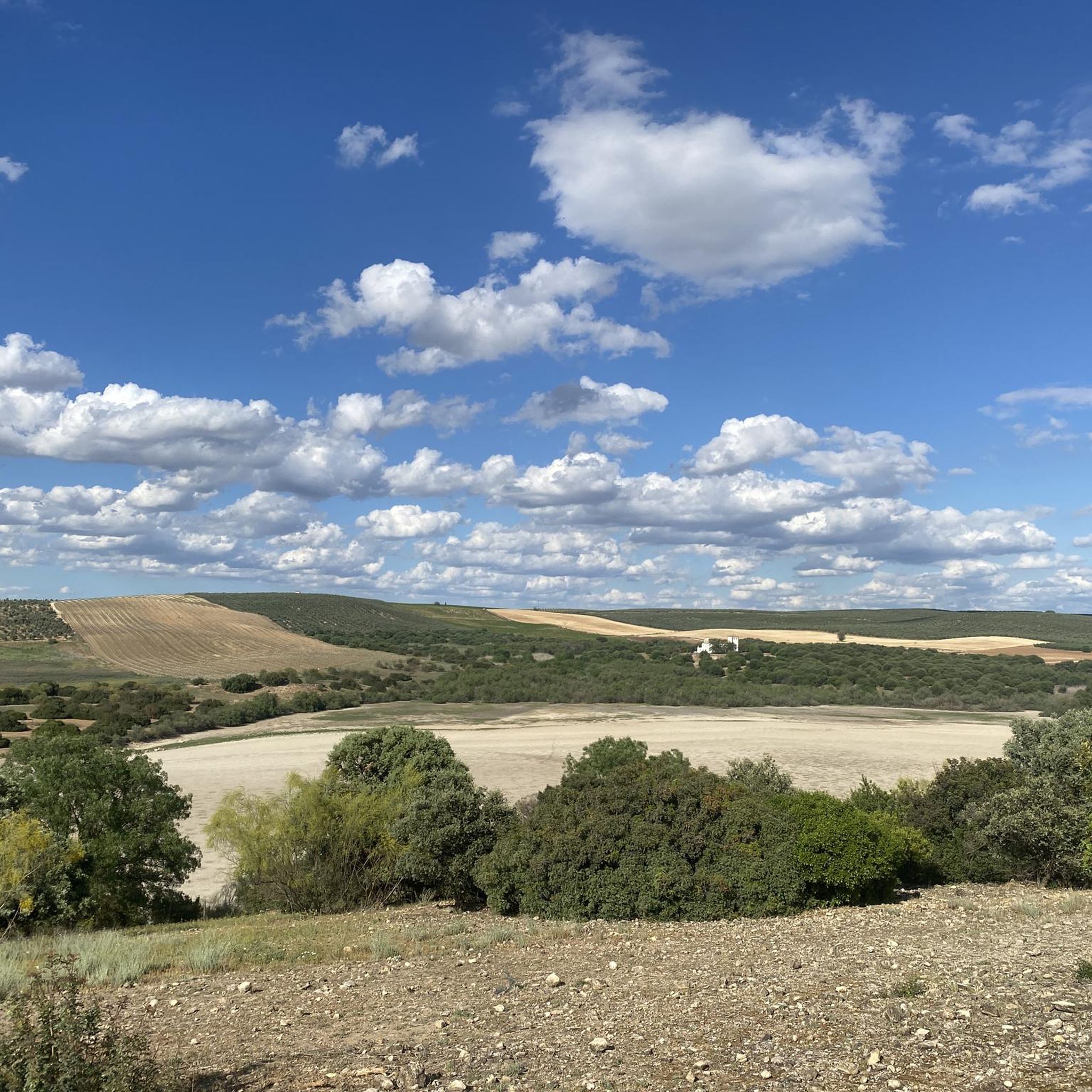
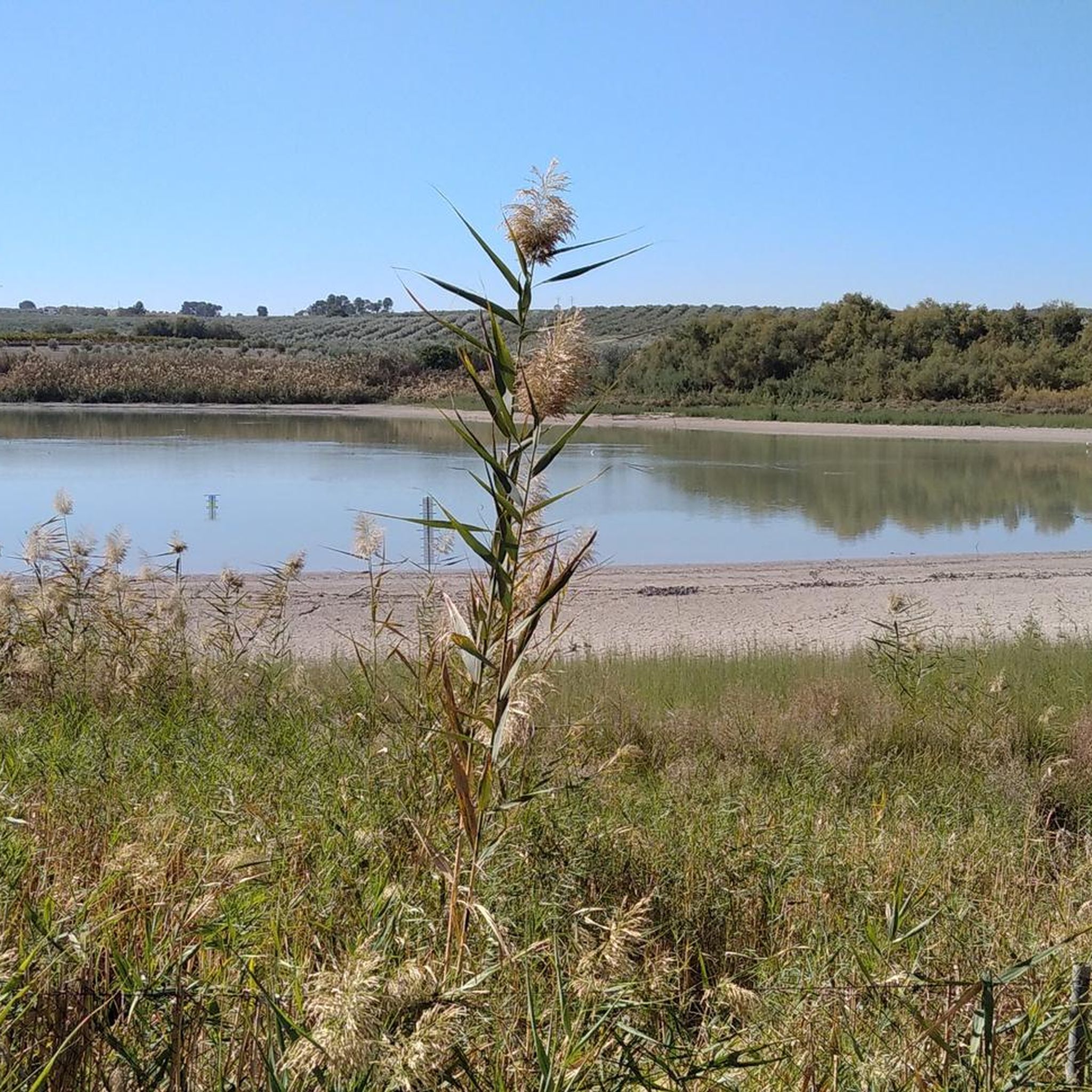
Beautiful views of the Malpasillo Reservoir and you can also see the continuity of the Río Genil!
0
0
Morels and as it comes says some sign of the nucleus is an important and recognized place at the same time as creating wine. Its streets and surroundings are related to the vineyard and you can see it just by stepping on it.
0
1
The Vía Verde passes through Navas del Selpillar at this point where you can see two large tanks and the old Moriles-Horcajo train station.
0
1

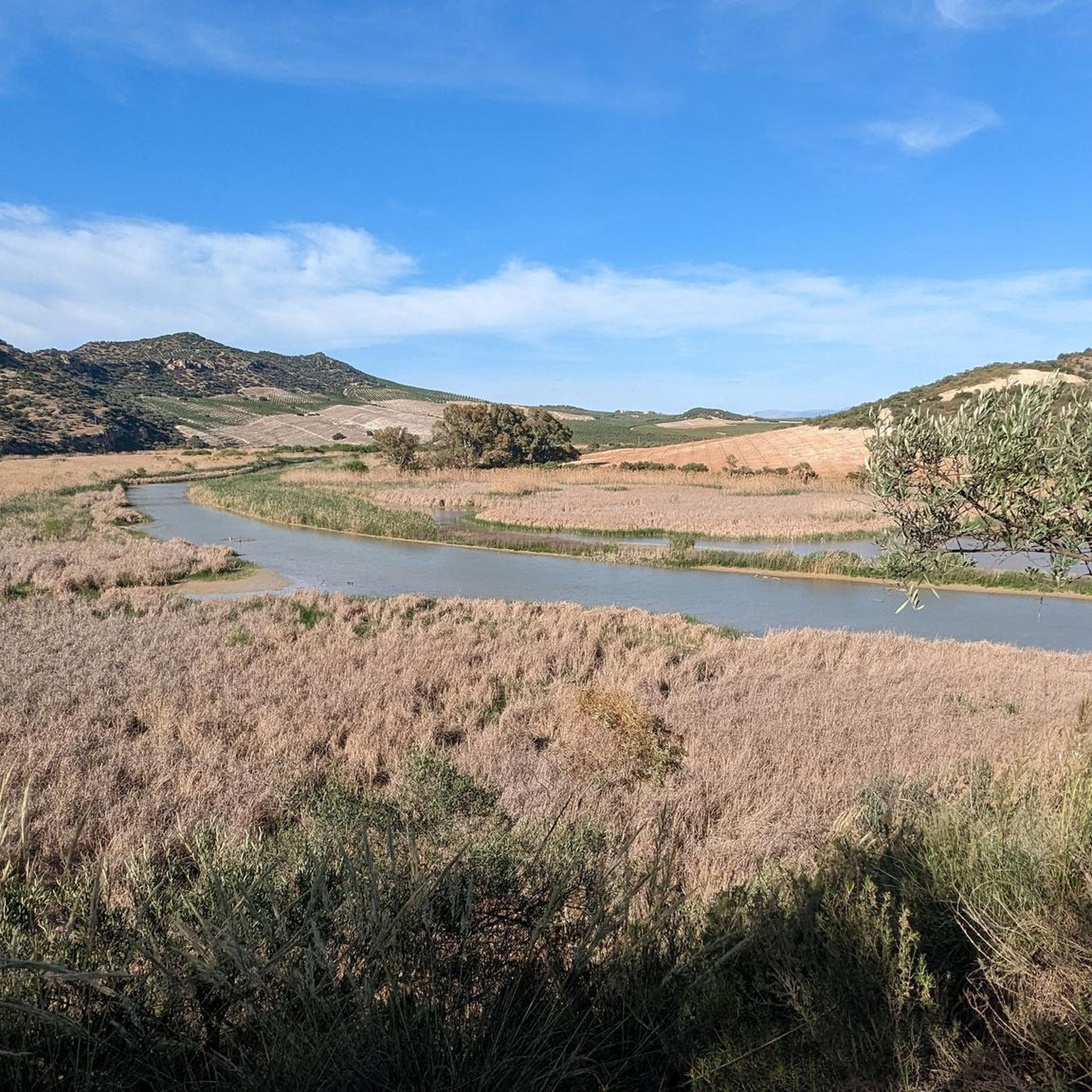
View of the Malpasillo Dam on the Genil River on the outskirts of the town of Badolatosa. The slowing of the river creates a unique natural landscape and a habitat for wildlife. A great outdoor space for adventure.
1
0
Climb through the Estepa pine forest to reach this high point and the communication antennas peek out from among the trees. Great gravel trails around the forest and nearby quarries.
1
0
Frequently Asked Questions
How many road cycling routes are available around Puente Genil?
There are over 60 road cycling routes available around Puente Genil, offering a wide range of options for different skill levels and preferences. You'll find everything from easy rides to more challenging routes with significant climbs.
What kind of terrain can I expect when road cycling in Puente Genil?
The terrain around Puente Genil is predominantly characterized by endless olive groves and vibrant vineyards. Many routes follow well-developed greenways, like the Vía Verde del Aceite, which are former railway lines with gentle gradients, making them largely traffic-free and accessible. While many routes have minimal inclines, some do offer more challenging elevation gains for experienced cyclists.
Are there any easy road cycling routes suitable for beginners in Puente Genil?
Yes, Puente Genil offers several easy road cycling routes perfect for beginners. The greenways, such as the Vía Verde del Aceite and the Greenway of the Subbética, are known for their gentle slopes (maximum gradient of 2-3%) and absence of motor vehicles, providing a safe and pleasant introduction to road cycling in the region.
Can I find challenging road cycling routes with significant climbs near Puente Genil?
Absolutely. While many routes are gentle, there are challenging options for those seeking significant elevation gain. For example, the route From Puente Genil to Cerro Becerrero – circular via Estepa is a difficult 54.2 km path that includes notable climbs and expansive views, providing a demanding ride.
What natural features or landmarks can I see along the cycling routes?
Cycling routes around Puente Genil are rich with natural beauty and historical landmarks. You can explore the serene Genil River Meander, visit the unique Laguna de Zóñar Visitor Center (a wetland of international importance), or pass through vast Montilla Vineyards. Many routes also feature restored railway stations, which now serve as charming rest stops.
Are there any circular road cycling routes available?
Yes, many road cycling routes around Puente Genil are circular, allowing you to start and end your ride in the same location. A popular example is Casariche and Badolatosa — circular from, a moderate 52.2 km journey through the local countryside.
What is the best time of year for road cycling in Puente Genil?
The best time for road cycling in Puente Genil is typically during the spring (March to May) and autumn (September to November). During these seasons, the weather is mild and pleasant, making for comfortable riding conditions. Summers can be very hot, while winters are generally mild but can be cooler and wetter.
Are the cycling routes in Puente Genil suitable for families?
Yes, the greenways in Puente Genil, particularly the Vía Verde del Aceite and the Greenway of the Subbética, are ideal for family cycling. Their gentle gradients, traffic-free environment, and scenic beauty make them safe and enjoyable for riders of all ages and abilities. Many restored railway stations along these routes offer amenities like cafes and visitor centers.
Where can I find parking for road cycling routes in Puente Genil?
Parking is generally available in Puente Genil itself, especially near access points to the Vía Verde del Aceite and other greenways. Many of the restored railway stations along these routes also offer designated parking areas, making it convenient to start your cycling adventure.
How do other cyclists rate the road cycling experience in Puente Genil?
The road cycling experience in Puente Genil is highly rated by the komoot community, with an average score of 4.4 stars from more than 7 reviews. Cyclists often praise the region's beautiful olive groves, traffic-free greenways, and the variety of routes catering to different skill levels.
Are there options for long-distance road cycling from Puente Genil?
Yes, Puente Genil serves as an excellent base for long-distance road cycling. The Vía Verde del Aceite alone stretches for approximately 120-128 kilometers, offering extensive opportunities for longer rides. Routes like Ducal Palace of Fernán Núñez – Plaza de San José loop from Puente Genil cover over 90 km, providing a substantial challenge.
Can I access the greenways using public transport?
Access to the greenways, such as the Vía Verde del Aceite and the Greenway of the Subbética, can often be facilitated by public transport to nearby towns or directly to Puente Genil. Some restored railway stations along the greenways may also be accessible via local bus services, though it's advisable to check specific routes and schedules in advance.
Are there places to eat or rest along the cycling routes?
Yes, many of the restored railway stations along the Vía Verde routes have been converted into welcoming spots for cyclists. These often house restaurants, cafes, and visitor centers, providing excellent opportunities for a break, a meal, or to refill water bottles. Additionally, cycling through picturesque villages like Zuheros or Doña Mencía offers chances to find local eateries.
Most popular routes around Puente Genil
Most popular attractions around Puente Genil

Get inspired with the komoot mobile app


Explore more
Browse the best Road cycling routes in other regions.
