The best cycling routes around Olivares De Duero
5.0
(3)
59
riders
9
rides
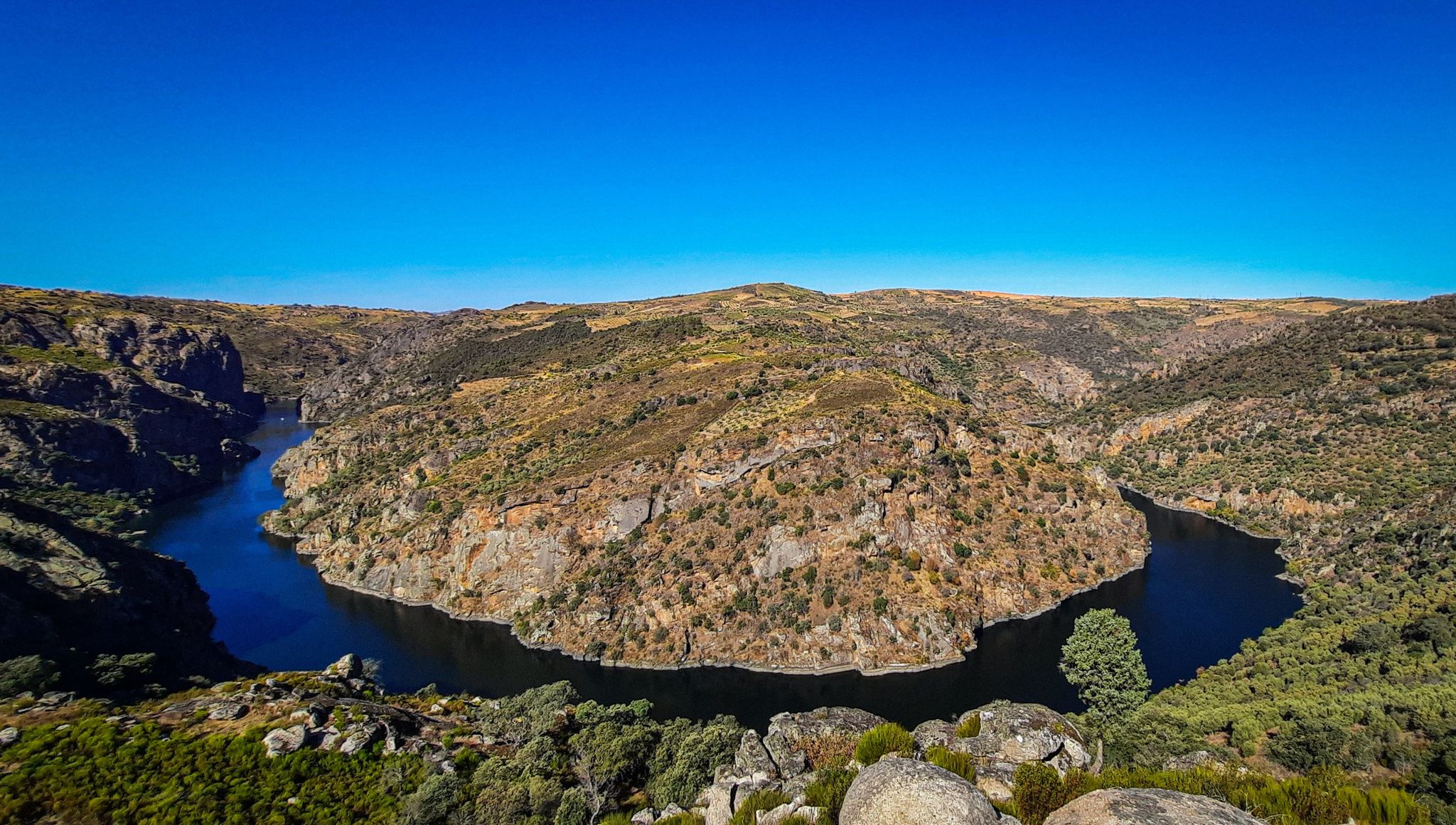
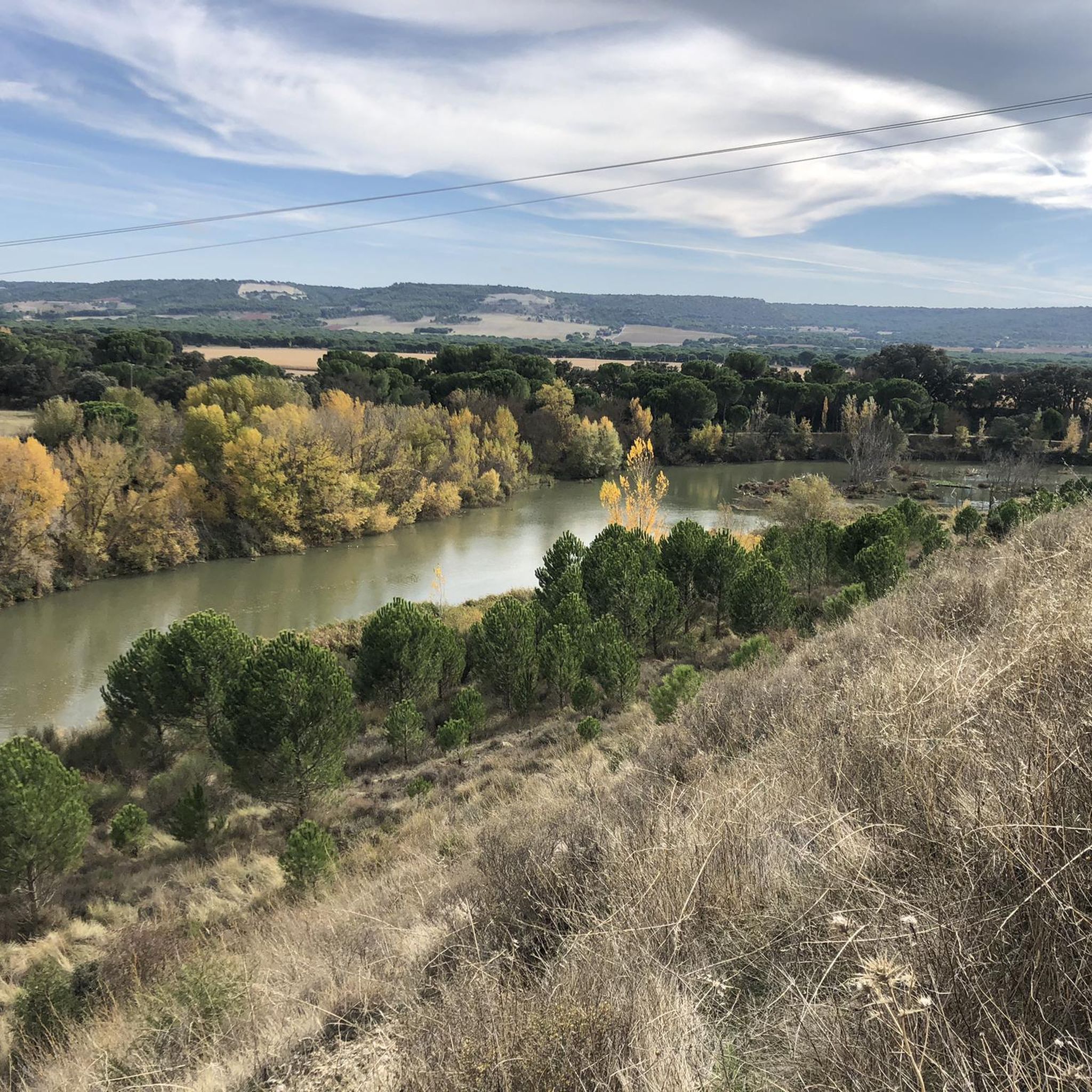
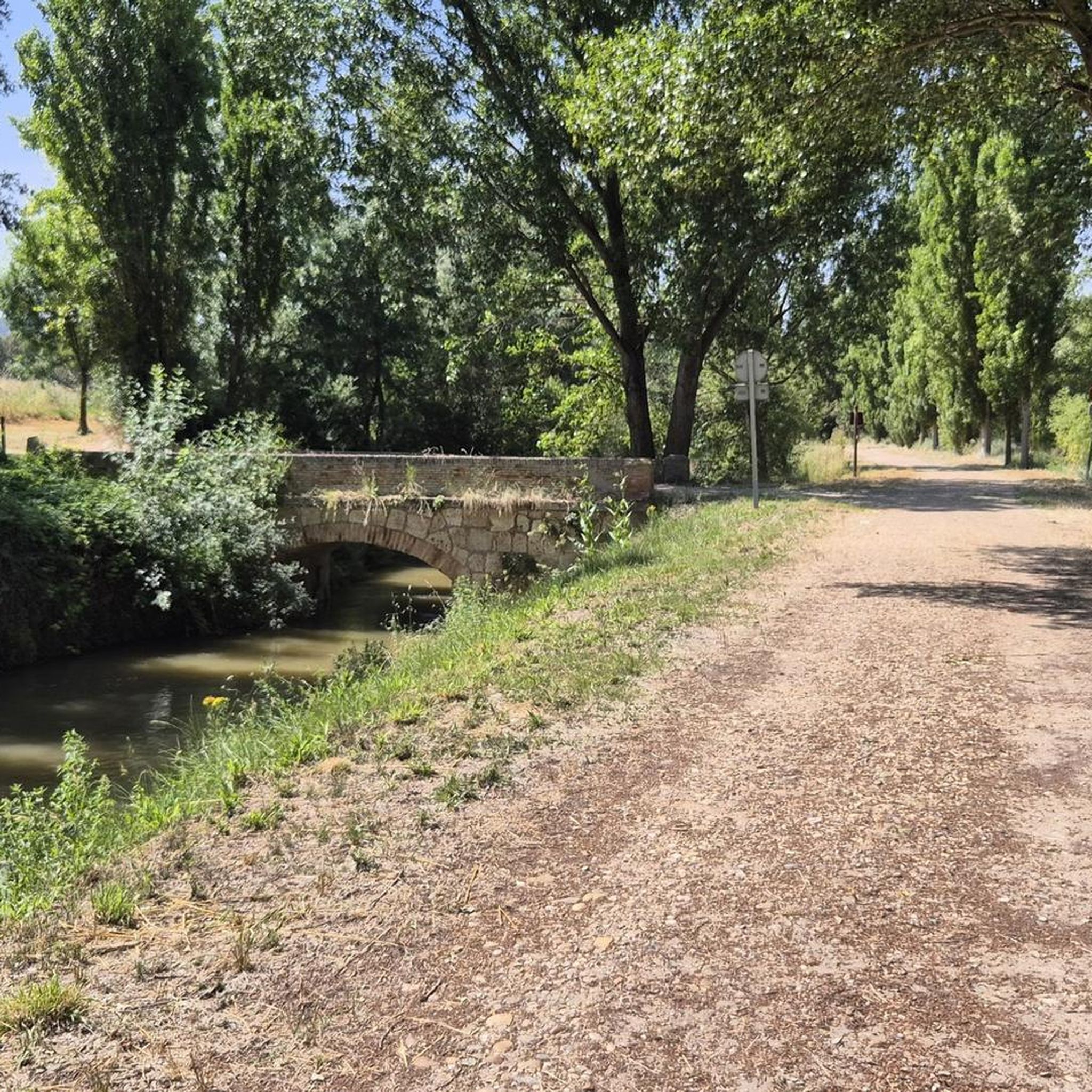
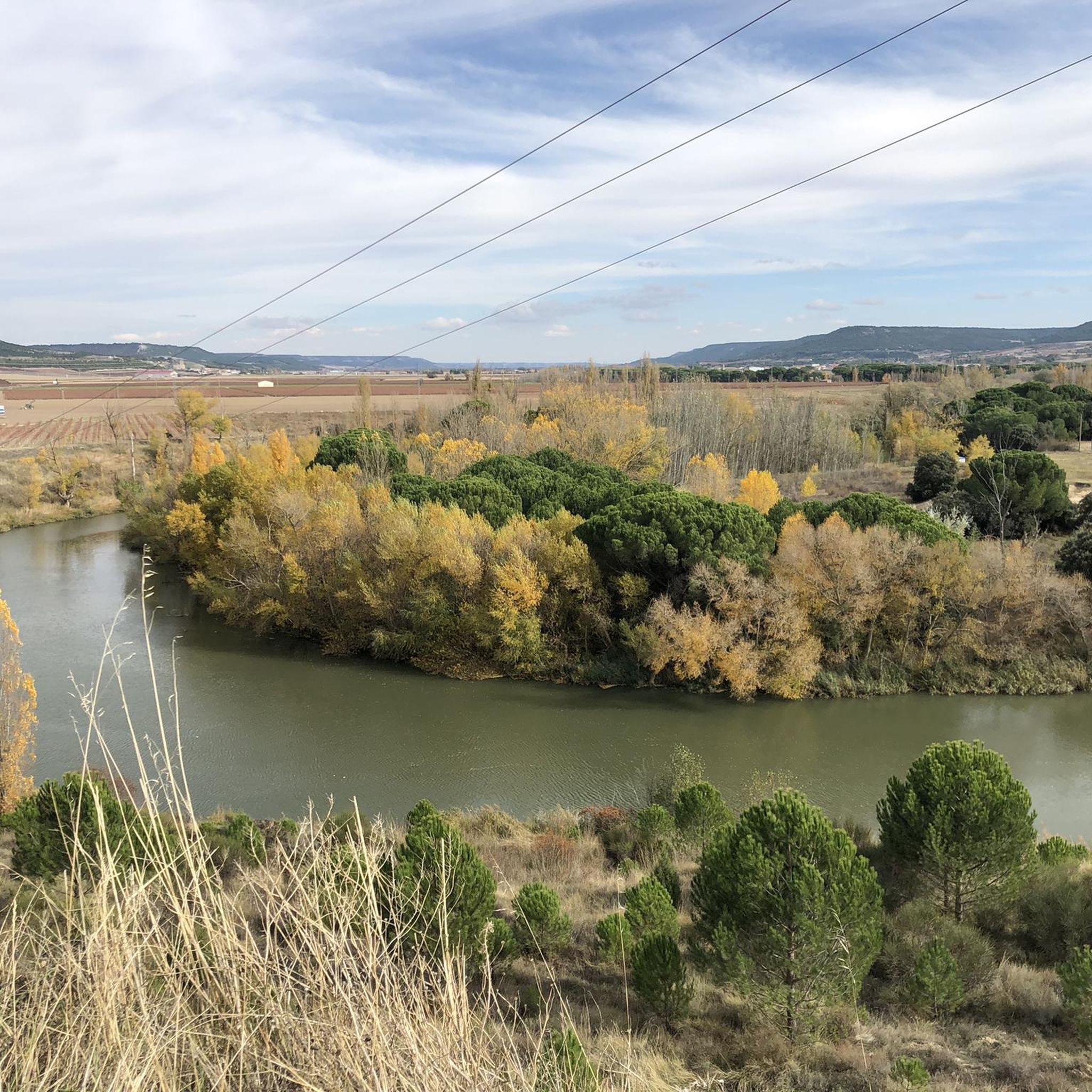
Touring cycling around Olivares De Duero is characterized by its gently rolling hills, extensive vineyards, and the serene Duero River. The region, part of the Ribera del Duero wine appellation, offers scenic vistas and a rich viticultural heritage. Cycling routes often traverse these landscapes, providing access to historical features like the 16th-century Puente de Olivares-Quintanilla. The terrain is generally suitable for touring cyclists of varying fitness levels, with flatter sections near the river.
Best touring cycling routes around Olivares De…
Last updated: July 12, 2026
5.0
(2)
2
riders
Hard bike ride. Very good fitness required. Mostly paved surfaces. Suitable for all skill levels.
5.0
(1)
2
riders
21.2km
01:32
80m
80m
Easy bike ride. Great for any fitness level. Mostly paved surfaces. Suitable for all skill levels.

Sign up for free
12
riders
Hard bike ride. Very good fitness required. Mostly paved surfaces. Suitable for all skill levels.
12
riders
43.7km
04:20
730m
730m
Hard bike ride. Very good fitness required. You may need to push your bike for some segments of this route.
8
riders
Moderate bike ride. Good fitness required. Mostly paved surfaces. Suitable for all skill levels.
Get access to more routes and recommendations from other explorers.
Sign up for free
Already have an account?
Our route recommendations are based on thousands of hikes, rides, and runs completed by other people on komoot.
Start today with a free account
Your next adventure awaits.
Login or Signup

Other adventures around Olivares De Duero

Tips from the Community

enjoy and lose yourself
0
0

Olivares de Duero is a charming town surrounded by vineyards and picturesque landscapes, it retains its traditional charm.
1
0
The Castle of Villafuerte de Esgueva is a fortress that consists of a keep and four interior floors. It has been restored and furnished, and houses a museum inside. Built in the 15th century as part of the defensive line along the river, its first lord was García Franco, of Jewish descent and later a convert. It is believed that it was built to exercise control over property.
1
0
Beautiful Gothic-style building from the 15th and 16th centuries, with two naves that are roofed with groin vaults in the central nave and ribbed vaults on the side, contrasting with the main chapel, which has a barrel vault with lunettes. Inside, a magnificent marble tomb is preserved, where it is believed that the body of a bishop rests.
2
0
The church of San Juan de Santibáñez de Valcorva, built between the 12th and 13th centuries, has a brick Mudejar or Romanesque style. It is the oldest church in the region and is protected by the castle or Casa Fuerte de Santibáñez de Valcorba on its north side and by the Valcorba stream on its south side. Over the centuries, it has undergone extensions and modifications, including the construction of a Gothic nave and a fortress bell tower in the 17th century.
1
0
Sardón de Duero, a wine-growing town where the 16th century Church of San Juan Bautista stands out with its stone architecture with a single nave and a main chapel with a ribbed vault. About two kilometers away is the Monastery of Santa María de Retuerta, a Romanesque building from the 12th century with a cloister renovated in the 16th century.
2
0
Architectural treasure from the 16th century IN the Gothic style that stands out for its elegant doorway and its spacious interior. Its stone walls keep centuries of history and its main altarpiece is an impressive work of art. The church is a place of devotion and charm, where you can appreciate the beauty of religious art.
1
0

Olivares de Duero is a small town along the Duero Valley on the old trade route between Zaragoza and Valladolid.
1
0
Frequently Asked Questions
How many touring cycling routes are available around Olivares De Duero?
Based on komoot data, there are over 10 touring cycling routes in the Olivares De Duero area, offering a variety of experiences for different skill levels.
Are there touring cycling routes suitable for beginners in Olivares De Duero?
Yes, Olivares De Duero offers several routes suitable for beginners. For example, the Sardón de Duero and Traspinedo Loop is an easy 13.1-mile (21.2 km) path that provides a pleasant ride through the Duero River valley.
Can I find circular touring cycling routes around Olivares De Duero?
Yes, many routes in the region are circular. A popular option is the Villafuerte, Valbuena de Duero y Olivares de Duero – circular desde Piña de Esgueva, a 32.5-mile (52.3 km) trail passing through varied rural landscapes.
What kind of terrain can I expect on touring cycling routes in Olivares De Duero?
The terrain in Olivares De Duero is generally characterized by gently rolling hills and extensive vineyards, with flatter sections often found near the Duero River. This makes it suitable for touring cyclists of varying fitness levels.
What historical landmarks or points of interest can I see along the touring cycling routes?
The region is rich in history. You can encounter landmarks such as the historic Stone Bridge of Olivares de Duero, the Villafuerte de Esgueva Castle, and the Armedilla Monastery. Many routes also pass through charming small villages with their own architectural heritage.
Are there any routes that offer scenic viewpoints?
Given the gently rolling hills and vineyard landscapes, many routes offer scenic vistas. The Duero River itself provides picturesque views, and routes like the Pico del Águila loop from Sardón de Duero often provide elevated perspectives of the surrounding countryside.
What is the best time of year for touring cycling in Olivares De Duero?
The region is generally pleasant for cycling during spring and autumn when temperatures are milder and the vineyards offer beautiful seasonal colors. Summers can be warm, while winters are cooler, but cycling is possible year-round depending on personal preference and weather conditions.
Are there family-friendly touring cycling options in Olivares De Duero?
Yes, the flatter sections near the Duero River and some of the easier, shorter loops are well-suited for families. The generally gentle terrain makes it accessible for cyclists of different ages and abilities.
What do other touring cyclists enjoy most about cycling in Olivares De Duero?
The area is highly rated by the komoot community, with an average score of 5.0 stars. Reviewers often praise the beautiful vineyard landscapes, the serene Duero River paths, and the opportunity to explore historic villages and cultural sites like the Church of San Millán – Church of San Martín de Tours loop from Santibáñez de Valcorba.
Are there any touring cycling routes that pass through or near wineries?
As Olivares De Duero is part of the renowned Ribera del Duero wine region, many cycling routes traverse extensive vineyards. While specific winery visits depend on individual planning, the landscape itself is dominated by viticulture, offering a sensory experience of the area's wine heritage.
What is the typical duration for a touring cycling route in this area?
Route durations vary significantly. Shorter, easy paths like the Sardón de Duero and Traspinedo Loop can be completed in under 2 hours, while longer, more challenging routes such as the Church of San Martín de Tours loop from Traspinedo can take over 3 hours.
Is it possible to combine cycling with exploring natural features like the Duero River?
Absolutely. The Duero River is a central natural feature, and many cycling routes follow its course, offering serene riverside paths and opportunities to observe the riparian ecosystem. The broader Duero River basin is known for diverse flora and fauna.
Most popular attractions around Olivares De Duero

Get inspired with the komoot mobile app


Explore more
Browse the best Cycling routes in other regions.
