Attractions and Places To See around Cóbdar - Top 20
Best attractions and places to see around Cóbdar include a blend of historical charm and natural beauty within the Sierra de los Filabres mountains. The village is characterized by its distinctive white marble hill, La Piedra, which provides a prominent backdrop. Visitors can explore traditional whitewashed Andalusian houses and ancient sites, offering insights into the region's cultural heritage. The surrounding natural landscape provides a serene environment for outdoor activities.
Best attractions and places to see around Cóbdar
- The most popular…
Last updated: June 22, 2026
Cantoria Tunnel
Highlight • Structure
Translated by Google •
Tip by

Almanzora
Highlight • Settlement
Translated by Google •
Tip by

Sign up now to discover places like this
Get recommendations on the best single tracks, peaks, & plenty of other exciting outdoor places.
Sign up for free
Lubrín Village and Castle
Highlight • Settlement
Translated by Google •
Tip by

Uleila del Campo
Highlight • Settlement
Translated by Google •
Tip by

Virgen de la Cabeza de Monteagud Sanctuary
Highlight • Religious Site
Translated by Google •
Tip by
Sign up for free to discover even more attractions around Cóbdar.
Sign up for free
Already have an account?
Start today with a free account
Your next adventure awaits.
Login or Signup

Tips from the Community

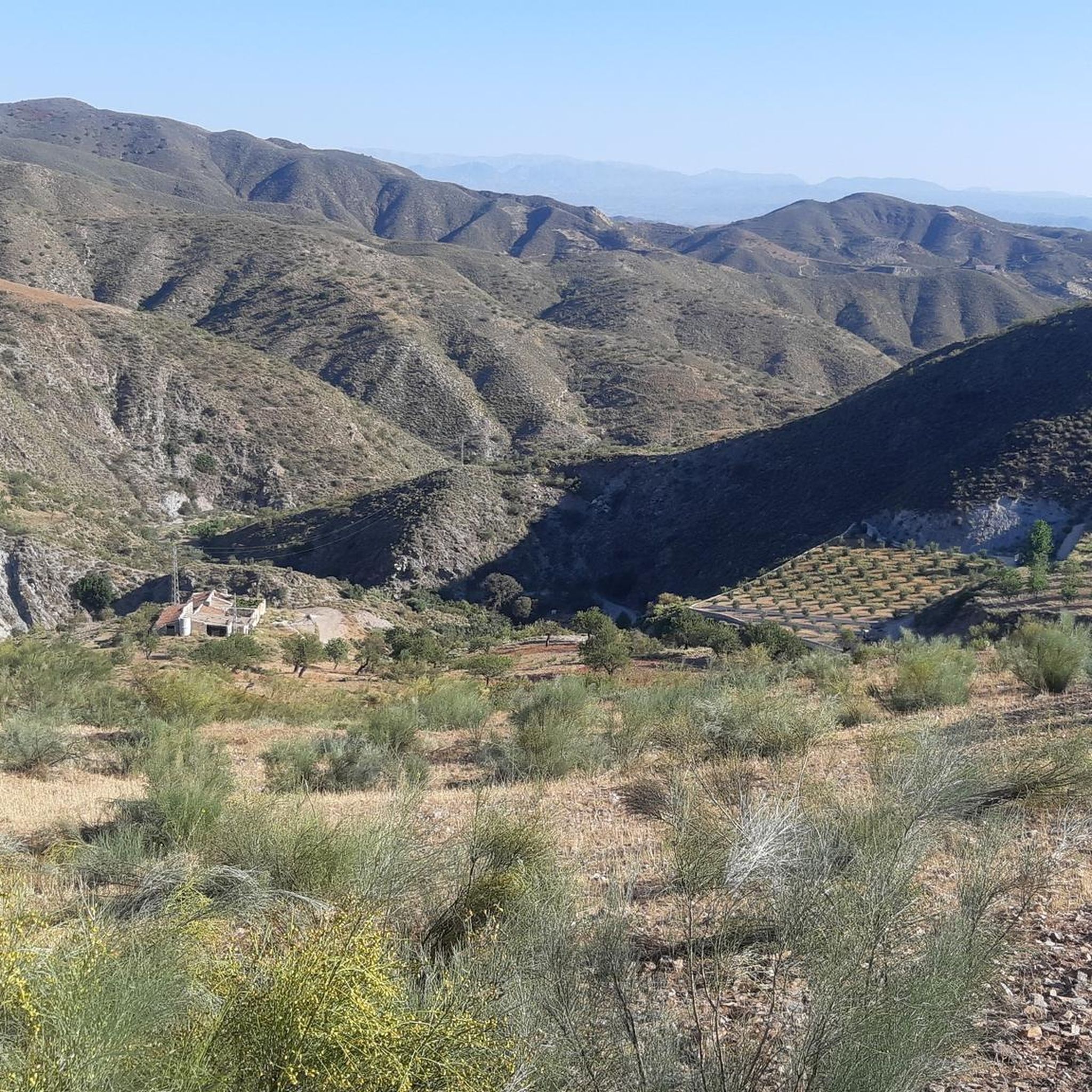
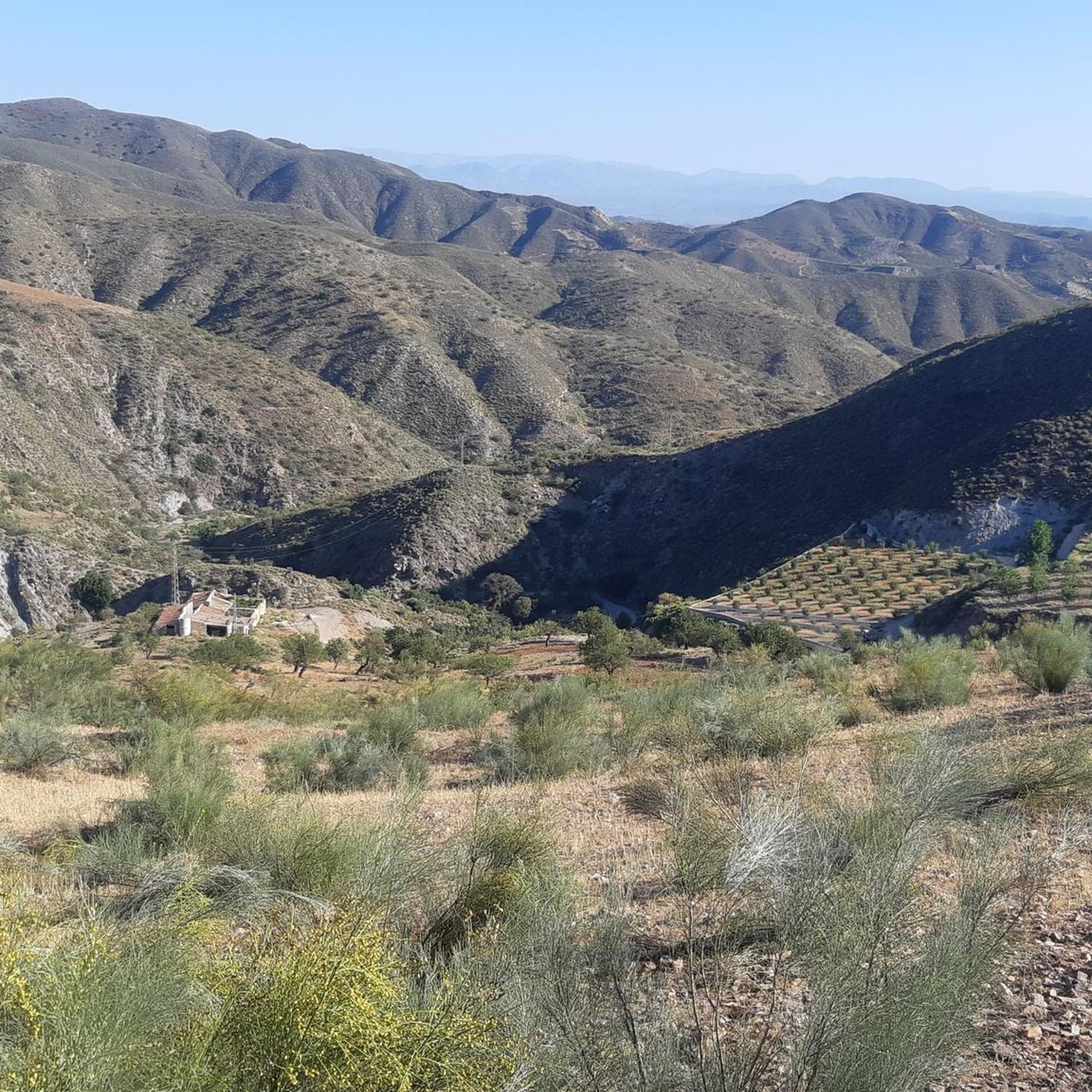
The sanctuary of the Virgin of Cabeza de Monteagud, in Benizalón, stands at the top of Monteagud Hill and is one of the most iconic sites in the area. The hermitage, built on the site of an old Muslim ribat, houses the venerated image of the Virgin, a center of devotion for residents and pilgrims from throughout the region. Every year it hosts a mass pilgrimage that fills the area with a festive and religious atmosphere. For hikers, the climb offers excellent panoramic views, so it's a good idea to wear comfortable shoes and water.
2
0
Uleila del Campo is a small town located on the southern slopes of the Sierra de los Filabres, at the foot of Monteagud Hill. Its surroundings combine hills, gullies, and unusual sites such as "El Salar," a salt flat with a unique ecosystem. Its heritage includes the Neo-Romanesque Church of Santa María and the Cueva de la Mora archaeological site, home to Neolithic remains and cave paintings. The town keeps its traditions alive with festivals such as the Santo Cristo de las Penas festival in September, ideal for discovering local life and culture after a hike through the mountains.
3
0

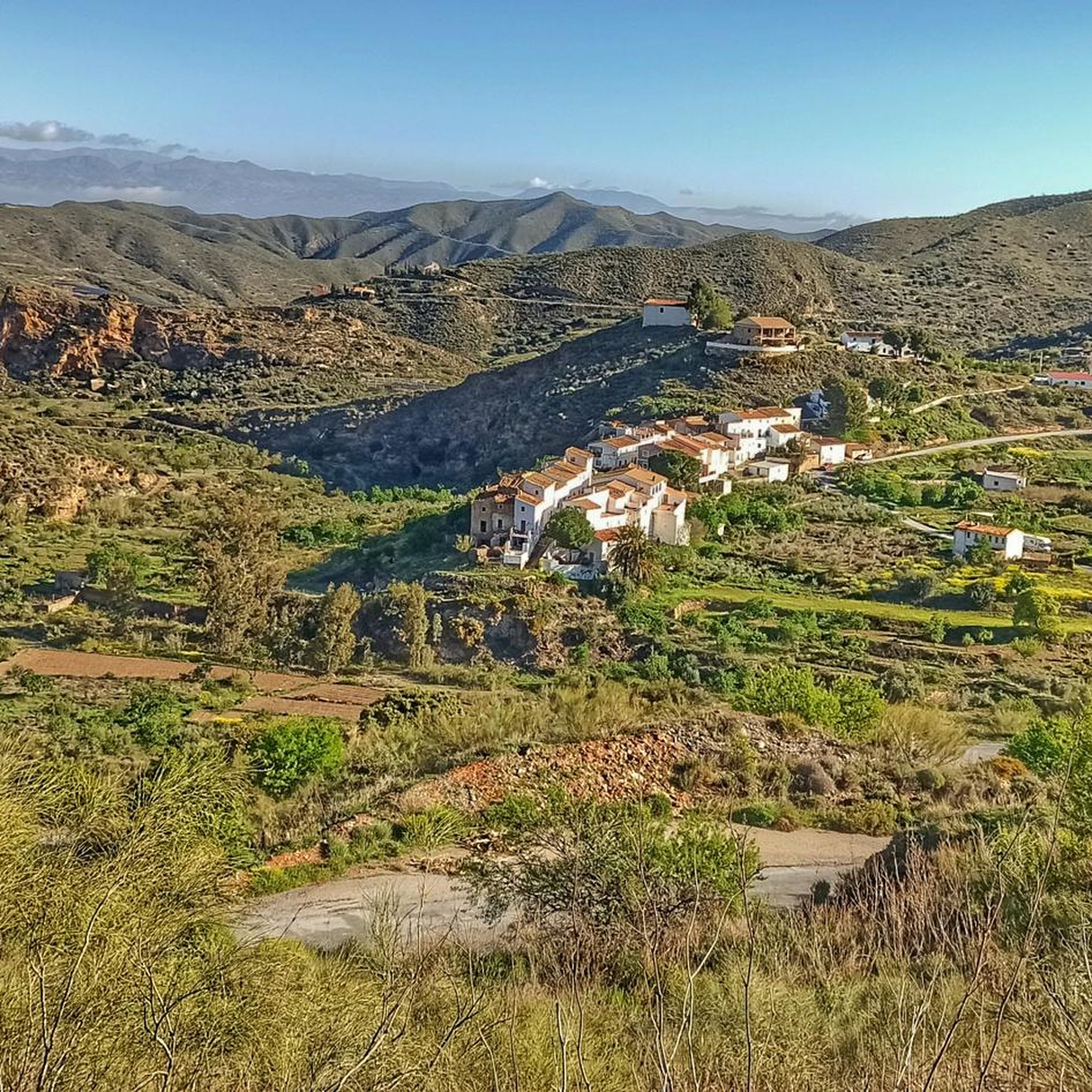
Village situated in the foothills of the Filabres, descending to the depression of Sorbas and near the Campo de Tabernas. Situated on a small elevation, it forms a well-structured round group of buildings in a not unattractive landscape where fields of vineyards, almond and olive trees predominate. The church of St. Mary characterizes the village.
0
0

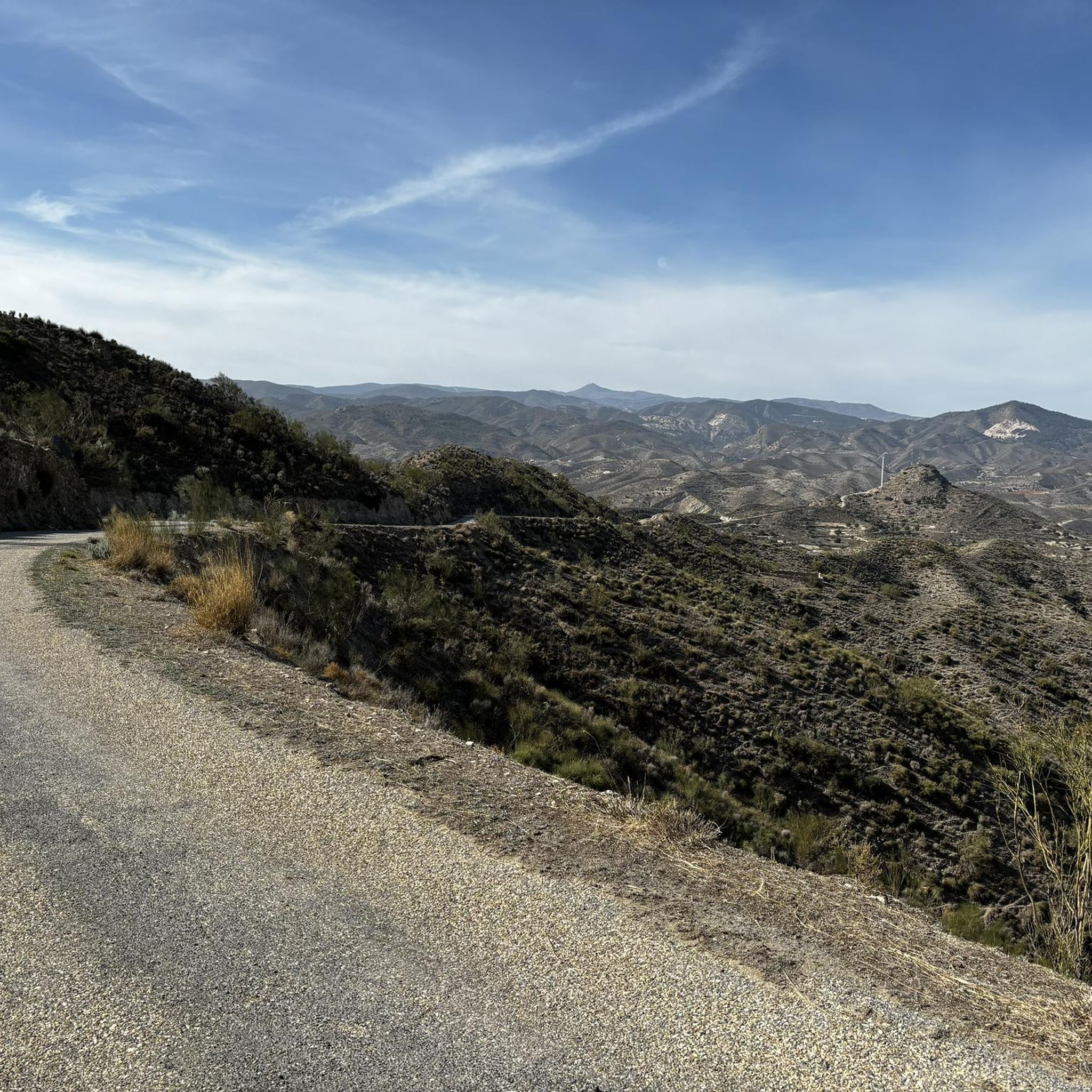
VIA VERDE DEL VALLE DE ALMONZORA is a spectacular route of a total of 98 km through the southeast of the peninsula between the highlands of Granada in the Baza area towards the district of Almendricos, already in the region of Murcia, and passes through the Almanzora Valley in Almería. A route that for decades crossed a railway line that transported tons of iron and other merchandise.
18
0

In 1227, Pastor Juan de Ribas, originally from Colomera (Granada), witnessed the apparition of the Virgin on a hill in the Sierra Morena. He asked her to build a temple in her honor, and a few years later, the devotion led to the construction of a building that still stands today.
0
0


A small village with many olive farmers and a Züger cheese factory, in the local supermarket you can buy the delicacies of the region
0
0
Frequently Asked Questions
What historical sites can I explore in Cóbdar?
Cóbdar offers several historical sites. You can explore the remains of an ancient Alcazaba and a cistern from the Al-Andalus period at the peak of La Piedra. The village's old quarter, Las Morerías, features narrow, Arab-origin streets and traditional whitewashed houses. The 17th-century Iglesia de Santa María in Plaza de la Constitución is also a significant historical landmark. Additionally, the remains of La Herrería, a 17th-century iron foundry, can be found next to the Los Molinos River.
Are there any ancient archaeological sites near Cóbdar?
Yes, La Cueva del Castillico, located within La Piedra on Cerro de San Pedro, is a site of significant archaeological interest. It dates back to the Neolithic era (around 3,000 BC), and artifacts found there are exhibited at the Archaeological Museum of Almería.
What natural attractions are there around Cóbdar?
The most prominent natural feature is La Piedra, an impressive white marble hill that serves as the symbolic landmark of Cóbdar. The village is also nestled within the Sierra de los Filabres mountain range, offering a serene environment. For recreation, Parque Recreativo La Fuente, once an iron mine, now provides parkland and a picnic area next to the Los Molinos River.
Are there hiking trails near Cóbdar?
Yes, a notable hiking route is the Sendero SL-A 16 Camino del Río Los Molinos, a 7 km circular trail that takes you through beautiful countryside, old iron mines, and a pine forest. For more options, you can find various hiking routes in the area, including easy and moderate trails like the Tahal Circular Trail or the Hiking loop from Puerto de la Virgen, by visiting the Hiking around Cóbdar guide.
What kind of outdoor activities can I do in the Sierra de los Filabres?
The Sierra de los Filabres offers excellent opportunities for outdoor activities. Besides hiking, you can enjoy road cycling and touring bicycle routes. Options range from challenging climbs like the Puerto de la Virgen to more moderate loops. Explore detailed routes in the Road Cycling Routes around Cóbdar and Cycling around Cóbdar guides.
Are there family-friendly attractions or activities in Cóbdar?
Yes, Parque Recreativo La Fuente is a family-friendly spot at the town's entrance, featuring parkland for adults and children, and a picnic area. Additionally, the Vía Verde del Valle de Almonzora, which includes highlights like the Cantoria Tunnel and Almanzora, offers flat, scenic paths suitable for family walks or bike rides.
What is the best time of year to visit Cóbdar for outdoor activities?
The region generally experiences a mild climate, making it suitable for outdoor activities for much of the year. Spring and autumn are often ideal, with pleasant temperatures for hiking and cycling. Summers can be warm, while winters are mild, offering a serene environment for a rural getaway.
Is there parking available for visitors in Cóbdar?
While specific parking areas for attractions are not detailed, Cóbdar is a small village. Visitors typically find parking within the village streets or designated areas, especially near the entrance or main squares. For hiking trails, it's advisable to check local signage upon arrival.
What is the Vía Verde del Valle de Almonzora and where can I access it?
The Vía Verde del Valle de Almonzora is a spectacular 98 km route built on a former railway line, offering scenic views through the southeast of the peninsula. You can access sections of it near Cóbdar, for example, at the Cantoria Tunnel or in Almanzora, where the Vía Verde crosses the town.
What makes the village of Lubrín a notable place to visit?
Lubrín Village and Castle is a small town located at the eastern end of the Sierra de los Filabres. It's notable for its houses elevated on rocky outcrops, with the church dominating the area. The castle adds to its historical charm, offering a glimpse into the region's past.
What is the significance of La Piedra in Cóbdar?
La Piedra is the symbolic landmark of Cóbdar, an impressive white marble hill that gives the town its name and character. Its name, derived from Arabic, means 'high mountain peak.' It holds historical significance as a strategic point, with remains of an ancient Alcazaba and cistern found at its peak.
Are there any unique cultural insights to experience in Cóbdar?
Yes, the recently reformed Lavadero Público on Calle de Vecinal Chercos offers a glimpse into a past era when public washing areas served as social hubs. Exploring Las Morerías, the labyrinthine old quarter with its Arab-origin streets and traditional whitewashed houses, also provides a unique cultural experience.

Get inspired with the komoot mobile app


Explore more
Still not found the Highlight you’re looking for? See guides of the top attractions in other regions:
