Attractions and Places To See around Calicasas - Top 20
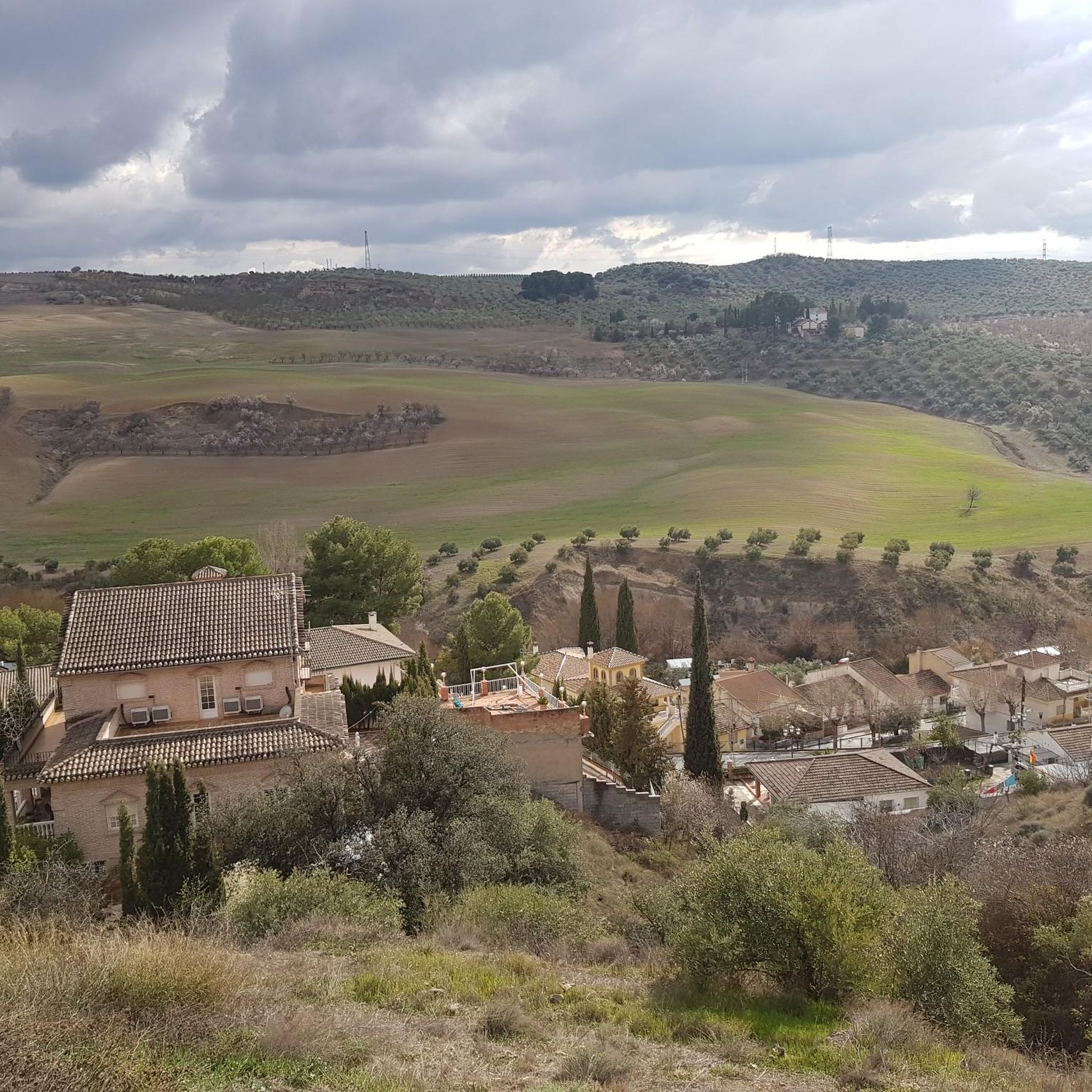
Attractions and places to see around Calicasas offer a blend of historical landmarks, natural features, and cultural sites. This municipality in the Vega de Granada is characterized by its narrow streets and a past influenced by Roman and Moorish civilizations. The area features historical structures like the Arab Aqueduct and natural spaces such as the Bermejo River, alongside traditional gastronomy.
Best attractions and places to see around Calicasas
- The most popular attractions is Plaza Nueva, Granada, a historical site…
Last updated: July 6, 2026
Granada Cathedral
Highlight • Religious Site
Translated by Google •
Tip by

San Nicolás Viewpoint
Highlight • Viewpoint
Translated by Google •
Tip by

Sign up now to discover places like this
Get recommendations on the best single tracks, peaks, & plenty of other exciting outdoor places.
Sign up for free
Plaza Nueva, Granada
Highlight • Historical Site
Translated by Google •
Tip by
Alhambra
Highlight • Historical Site
Translated by Google •
Tip by
Partal Palace 🏰 Alhambra
Highlight • Historical Site
Translated by Google •
Tip by
Sign up for free to discover even more attractions around Calicasas.
Sign up for free
Already have an account?
Start today with a free account
Your next adventure awaits.
Login or Signup
Tips from the Community

Construction of the Cathedral began in 1523 under an initial Gothic design led by Enrique Egas. In 1528, Diego de Siloé took over and transformed the project into a grand Renaissance masterpiece, making it one of the most important cathedrals of the Spanish Renaissance. Construction continued into the 18th century, and its Baroque façade was designed by Alonso Cano in 1667. It is the first great Renaissance cathedral in Spain and a masterpiece of Spanish art.
12
1
Nasrid origin (11th century): it served the old Azitini Mosque and was supplied by the Aynadamar irrigation ditch, a sophisticated Andalusian hydraulic system. Christian reconstruction (17th century): on top of the original Muslim cistern, next to the current Church of San Nicolás. The current structure dates from 1646 according to Henríquez de Jorquera.
9
0
Granada Cathedral is considered a jewel of the Spanish Renaissance and a must-see in the city. Unique architecture: a fusion of Gothic and Renaissance styles, with contributions from Diego de Siloé and Alonso Cano. Highlights include the Porte del Perdón (Forgiveness Portal), the Main Chapel, and the Plateresque choir stalls.
12
1

Here, people dance in the square on Saturday evenings 🤩. The older students really dressed up. They played everything that works as a couple's dance. There was a slow waltz, a rumba... if you don't want to dance yourself, you can just watch the others. A fantastic experience and a fantastic atmosphere 😍
6
0

The Plaza Nueva is one of the oldest squares in Granada, despite its name suggesting it is new. It is located in the heart of the city, between the modern shopping malls and the charming Carrera del Darro. The square has a rich history and is surrounded by historic buildings such as the Real Chancillería (now the Highest Courts of Andalusia) and the Casa de los Pisa. The square is also home to the beautiful Pilar del Toro, a 16th-century Renaissance column with a fountain that pours water from the head of a bull.
7
0
The Plaza Nueva in Granada is, despite its name, the oldest square in the city. It is located in a strategic point between the modern commercial centre and the picturesque Carrera del Darro. This square is a vibrant and lively place, ideal for starting or ending a tour of Granada. From the Plaza Nueva, you can easily access several points of interest, such as the Alhambra, the Albaicín and the Real Chancillería. In addition, it is a great place to enjoy a drink on one of its terraces, try tapas in the nearby bars or simply relax and observe the atmosphere.
6
0

The chancel is representative of the building's beauty. The chancel's dome is decorated with beautiful windows and sculptures and paintings by Alonso Cano. The three wonderful portals are Ecce Homo, San Jerónimo and El Perdón, the latter with excellent reliefs of Faith and Justice. The main façade is Baroque. The choir stalls are Plateresque. The side chapels contain excellent altarpieces and paintings. The former chapter house now houses the cathedral treasury. Some exhibits are on display in the sacristy and in the cathedral museum. Particularly noteworthy is an Immaculate Conception by Alonso Cano.
8
0
The Metropolitan Cathedral Basilica of the Incarnation is an impressive Catholic temple in the Spanish city of Granada. It is the seat of the local archdiocese and one of the masterpieces of the Spanish Renaissance. The cathedral is dedicated to the mystery of the Incarnation of the Lord. Its construction began in 1526 and was completed in 1561 under the direction of the architect Diego de Siloé. The building combines Renaissance and Baroque elements, and its length is 116 meters with a width of 67 meters. 🌟
18
1
Frequently Asked Questions
What historical sites can I explore around Calicasas?
Calicasas and its surroundings are rich in history. You can visit the Granada Cathedral, a masterpiece of Spanish Renaissance architecture. Don't miss the Plaza Nueva, Granada, the city's oldest square, or the iconic Alhambra and its beautiful Partal Palace. Within Calicasas itself, you can find the remains of the 17th-century Acueducto Árabe (Arab Aqueduct), the tower of the Antigua Iglesia de Nuestra Señora del Rosario, and even Civil War trenches and the Cueva de los Cañones.
Are there any natural attractions or viewpoints near Calicasas?
Yes, the area offers several natural features and stunning viewpoints. The San Nicolás Viewpoint provides breathtaking panoramic views of the Alhambra, the city of Granada, and the Sierra Nevada mountains. Closer to Calicasas, you can explore Los Pinos, a green area with pine trees near the Bermejo River, which is known for cutting a small gorge with red walls. The Estanque del Coronel (Colonel's Pond) is also a notable local feature, and the Sierra de Huétor Natural Park is just a short distance away, offering dramatic geological formations.
What outdoor activities can I do around Calicasas?
Calicasas is an excellent base for outdoor enthusiasts. You can enjoy various cycling activities, including gravel biking, mountain biking, and touring. For detailed routes and guides, check out the Gravel biking around Calicasas, MTB Trails around Calicasas, and Cycling around Calicasas guides. The surrounding countryside, with its olive groves and green spaces, is perfect for walks and exploring nature.
Are there family-friendly attractions in and around Calicasas?
Absolutely! Many attractions are suitable for families. The Granada Cathedral, San Nicolás Viewpoint, and Plaza Nueva, Granada are all listed as family-friendly. The natural areas like Los Pinos and the olive groves around Calicasas offer pleasant spaces for family strolls and picnics. Exploring the historical aqueduct or the old railway station can also be an engaging activity for children.
What is the local gastronomy like in Calicasas?
Calicasas boasts a rich culinary tradition. You can savor traditional dishes such as potajes de garbanzos y trigo (chickpea and wheat stew), costillas de cerdo con setas (pork ribs stewed with wild ceps), and chuletas de cordero (lamb chops). Don't forget to try ajoblanco (chilled garlic and almond soup). For dessert, look for tarta de manzana (apple pie), tarta de almendras (almond tart), and roscones de huevo (doughnuts).
What do visitors enjoy most about the attractions around Calicasas?
Visitors particularly appreciate the blend of historical grandeur and natural beauty. The panoramic views from the San Nicolás Viewpoint, especially of the Alhambra, are a major highlight. The architectural splendor of the Granada Cathedral and the historical significance of Plaza Nueva are also highly rated. The komoot community has shared over 600 photos and given more than 480 upvotes, indicating a strong appreciation for the diverse attractions.
Are there any specific hiking trails near Calicasas?
While specific hiking trails directly from Calicasas are not detailed in the provided data, the surrounding region, including the Sierra de Huétor Natural Park, offers numerous opportunities for hiking. The nearby cycling guides also feature routes that can be adapted for walking or exploring on foot, such as those around the Cubillas Reservoir. For more detailed routes, refer to the MTB Trails around Calicasas guide, which includes routes like the 'Cubillas Reservoir Loop from Albolote'.
What cultural events or festivals take place in Calicasas?
Calicasas celebrates several traditional festivals throughout the year. Popular events include Corpus Christi, the Día de la Patrona (Day of the Patron Saint), and the Fiestas en Honor a Nuestra Señora del Rosario, typically held around the last Saturday of August. Other traditions include the burning of the 'Júas' during Easter Sunday and the Fiesta de los Angelicos on All Saints' Day, offering a glimpse into local customs.
Where can I find unique local crafts in Calicasas?
Calicasas maintains a tradition of local handicrafts. Some artisans continue to create typical Granadian lanterns using materials like brass, tin, and white and colored glass. These unique items make for authentic souvenirs and reflect the region's artistic heritage.
What is the historical significance of the Acueducto Árabe in Calicasas?
The Acueducto Árabe, locally known as Los Arcos, is a significant historical structure in Calicasas. Built in the first half of the 17th century, this aqueduct features preserved remains totaling about 120 meters in length and over 5 meters high. It was an essential part of an irrigation system designed to carry water to agricultural lands, showcasing the ancient hydraulic engineering of the region.
Can I find evidence of Roman history in Calicasas?
Yes, Calicasas has ties to ancient Roman settlers, with the town's origins linked to the Roman town of Calicatro. While specific detailed sites are limited, the presence of a 'Roman Bridge' (Arco Romano) is mentioned, indicating the area's long history and Roman influence.
Most popular routes around Calicasas
Most popular attractions around Calicasas

Get inspired with the komoot mobile app


Explore more
Still not found the Highlight you’re looking for? See guides of the top attractions in other regions:
