The best running trails around Plan
4.8
(13)
873
runners
75
runs
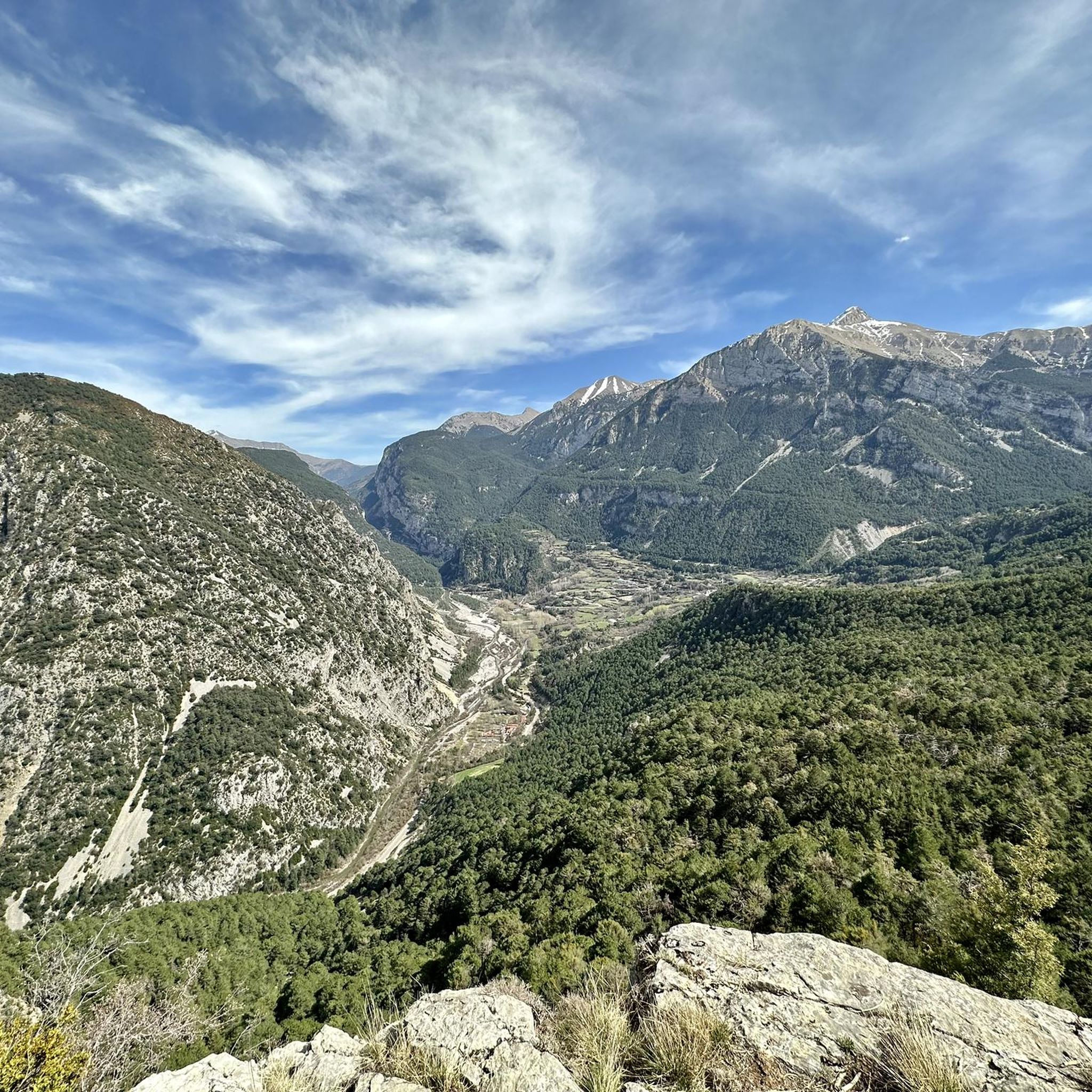
Jogging around Plan offers routes through a mountainous landscape characterized by high-altitude lakes (ibones) and mountain passes (collados). The region features trails that ascend through varied terrain, often leading to scenic water bodies. Many routes traverse the Pyrenean foothills, providing a mix of challenging climbs and rewarding views. The area is known for its natural beauty, with paths winding through alpine environments.
Best jogging routes around Plan
- The most popular jogging route is Ibón de Plan Trail via GR 15…
Last updated: July 7, 2026
14
runners
3.36km
00:32
110m
110m
Hard run. Good fitness required. Sure-footedness, sturdy shoes and alpine experience required.
13
runners
16.6km
03:23
1,350m
1,350m
Hard run. Very good fitness required. Sure-footedness, sturdy shoes and alpine experience required.

Sign up for free
1
runners
9.33km
01:44
470m
470m
Hard run. Very good fitness required. Sure-footedness, sturdy shoes and alpine experience required.
21
runners
18.2km
03:11
1,130m
1,130m
Hard run. Very good fitness required. Sure-footedness, sturdy shoes and alpine experience required.
12
runners
21.4km
04:14
1,650m
1,650m
Hard run. Very good fitness required. Sure-footedness, sturdy shoes and alpine experience required.
Get access to more routes and recommendations from other explorers.
Sign up for free
Already have an account?
Our route recommendations are based on thousands of hikes, rides, and runs completed by other people on komoot.
Start today with a free account
Your next adventure awaits.
Login or Signup


Other adventures around Plan

Tips from the Community


A legendary mountain pass in the Pyrenees. A crossing point between the Chistau and Benasque valleys, linking Sobrarbe and Ribagorza at an altitude of 2000m.
0
0


Impressive viewpoint or hill overlooking Peña Montañesa. Several trails lead from here, one of which leads to Cullivert Pass.
0
0

Such a beautiful view https://geometrydash-23.com
0
0

Very well maintained, with some firewood, frying pan, cutlery, grill, lighters, radio, a guitar...
0
0

The potions on the ascent. Cheers!
1
0

Despite being relatively easy to access, this beautiful lake located at 2300 m altitude is not one of the most visited in the Pyrenees. However, it stands out for being located in a very clear glacial cirque, with an almost perfect overexcavation basin. All Aragonese lakes are protected as they are included in the Inventory of Singular Wetlands, so any activity that could modify the quality of their waters is prohibited. While bathing is not specifically mentioned, it is understood that bathing with chemicals on the skin such as sunscreen, deodorants, perfumes or creams is negatively affecting the quality of the water, so it cannot be done. You can read the protection decree and the list of wetlands included here: aragon.es/-/humedales-de-aragon
0
0
Frequently Asked Questions
How many running routes are available around Plan?
There are over 60 running routes around Plan, offering a wide range of options for different skill levels. While many routes are challenging, there are also some moderate and easy paths to explore.
What kind of terrain can I expect on jogging routes in Plan?
Jogging routes in Plan typically feature a mountainous landscape with varied alpine terrain. You'll encounter high-altitude lakes (ibones), mountain passes (collados), and paths winding through the Pyrenean foothills. Expect challenging ascents and rewarding views.
Are there any easy running trails suitable for beginners in Plan?
While many routes in Plan are considered difficult, there are a few easier options available. Komoot lists 3 easy routes and 19 moderate routes, providing choices for those new to mountain running or looking for a less strenuous experience.
Can I find circular running routes in Plan?
Yes, there are circular running routes available. For example, the Ibón de Plan (Basa de la Mora) loop from San Juan de Plan offers a challenging 11.7 km circular path with significant elevation gain, perfect for an immersive experience.
What are some scenic highlights or attractions I can see while running in Plan?
Many running routes in Plan lead to stunning natural attractions. You can encounter beautiful waterfalls like the Espigantosa Waterfall or the Waterfall of the Barranco de Liri. The region is also known for its high-altitude lakes, such as Ibón de Plan and Ibón del Sen, which are often the focal points of popular trails.
Are there any long-distance running trails in Plan?
Yes, Plan offers several longer running trails for endurance enthusiasts. A notable option is the PR-HU 115 Trail to Ibón del Sen, which is a difficult 16.6 km path traversing varied terrain. Another challenging long route is the Lavasar Shelter – Ibón de Plan (Basa de la Mora) loop from Los Vives, spanning over 18 km.
What do other runners say about the trails in Plan?
The running routes in Plan are highly regarded by the komoot community, holding an average rating of 4.9 stars from over 9 reviews. Runners often praise the challenging ascents, the beauty of the high-mountain lakes, and the varied alpine terrain that defines the region.
Are there any refuges or huts along the running routes in Plan?
Yes, you can find several refuges and huts in the vicinity of Plan's running routes, which can be useful for longer runs or multi-day adventures. Examples include the Viadós Refuge, Ángel Orús Refuge, and Lavasar Refuge.
What is a good running route to experience the high-altitude lakes of Plan?
To experience the high-altitude lakes, consider the Ibones de Barbarisa Trail from Collado de Sahún. This 9.3 km route leads through mountain passes and offers stunning views of multiple ibones (lakes).
Is Plan suitable for experienced trail runners?
Absolutely. Plan is particularly well-suited for experienced trail runners, with 44 out of 66 routes classified as difficult. The region offers challenging climbs, significant elevation changes, and technical terrain that will test your limits and reward you with breathtaking alpine scenery.
What makes the Ibón de Plan a popular destination for runners?
The Ibón de Plan is a highly popular destination due to its scenic beauty and accessibility. The Ibón de Plan Trail via GR 15 is a relatively shorter (3.4 km) but difficult route that leads directly to this stunning high-altitude lake, making it a rewarding run for those seeking iconic views.
Most popular attractions around Plan

Get inspired with the komoot mobile app


Explore more
Browse the best Running Trails & Routes in other regions.
