Attractions and Places To See around Sant Agustí De Lluçanès - Top 20
Attractions and places to see around Sant Agustí De Lluçanès offer a blend of historical sites and natural landscapes in the Osona region of Catalonia. This municipality is characterized by its Romanesque heritage, dispersed farmhouses, and a mosaic of pastures, pine forests, and oak groves. Visitors can explore ancient religious sites and enjoy the mountainous terrain. The area provides an ideal setting for outdoor excursions and experiencing rural life.
Best attractions and places to see around Sant Agustí De Lluçanès
…Last updated: October 9, 2026
Montesquiu Castle
Highlight • Castle
Showing Translation
Tip by

Besora Castle
Highlight • Castle
Translated by Google •
Tip by

Sign up now to discover places like this
Get recommendations on the best single tracks, peaks, & plenty of other exciting outdoor places.
Sant Martí Xic Chapel
Highlight • Religious Site
Tip by

Sanctuary of Mare de Déu dels Munts
Highlight • Religious Site
Tip by

Riera de Sorreigs Reservoir
Highlight • Lake
Translated by Google •
Tip by

Sign up for free to discover even more attractions around Sant Agustí De Lluçanès.
Already have an account?
Start today with a free account
Your next adventure awaits.
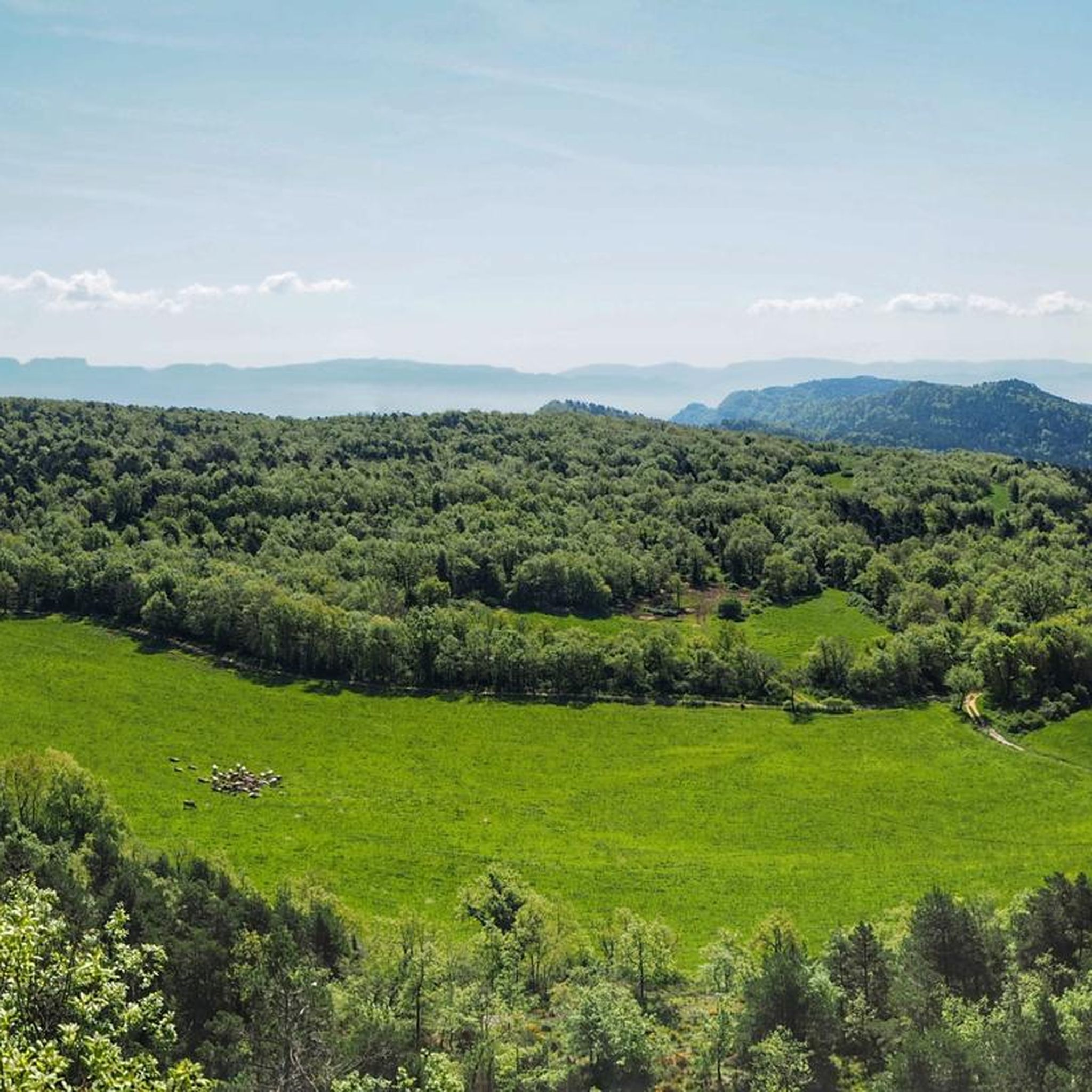
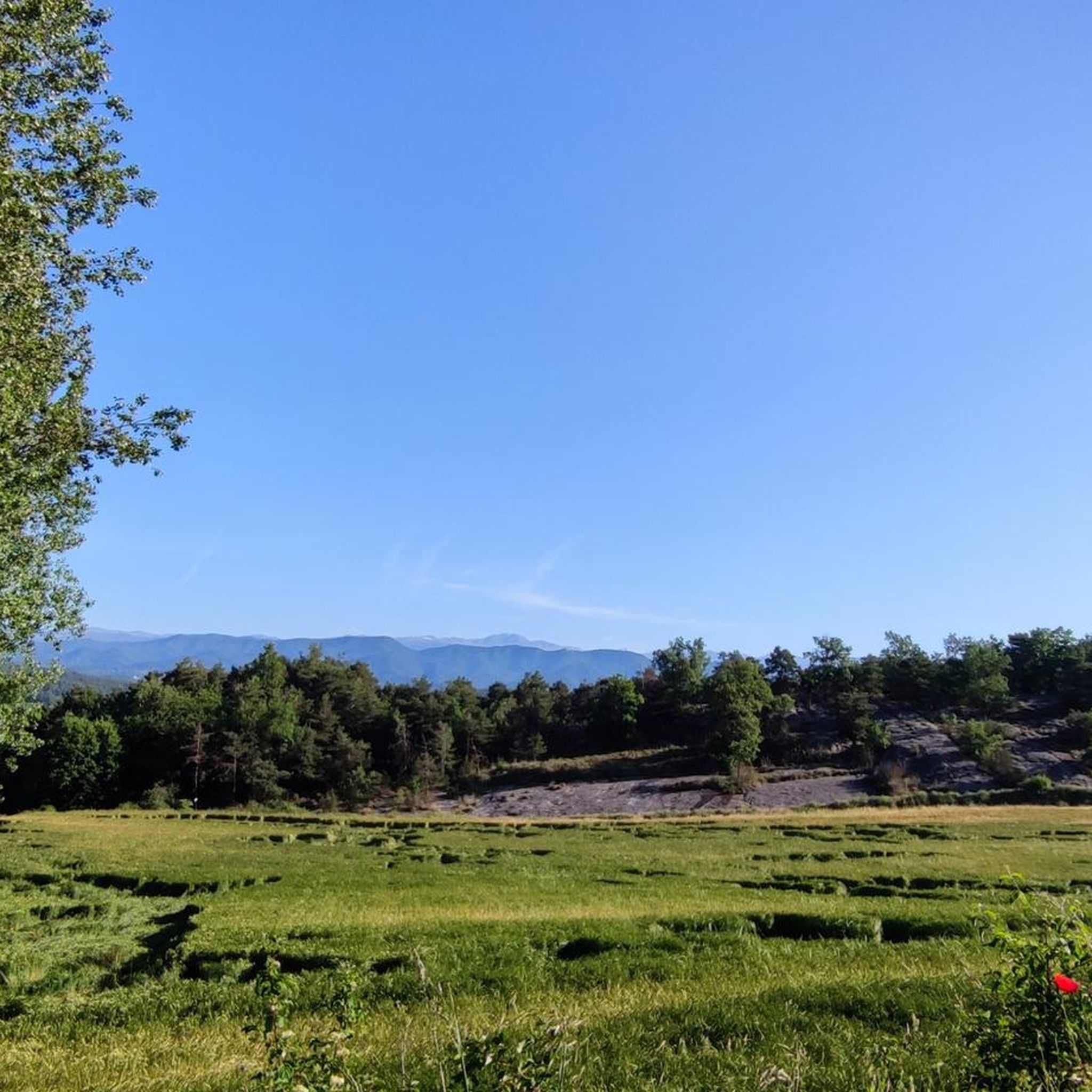
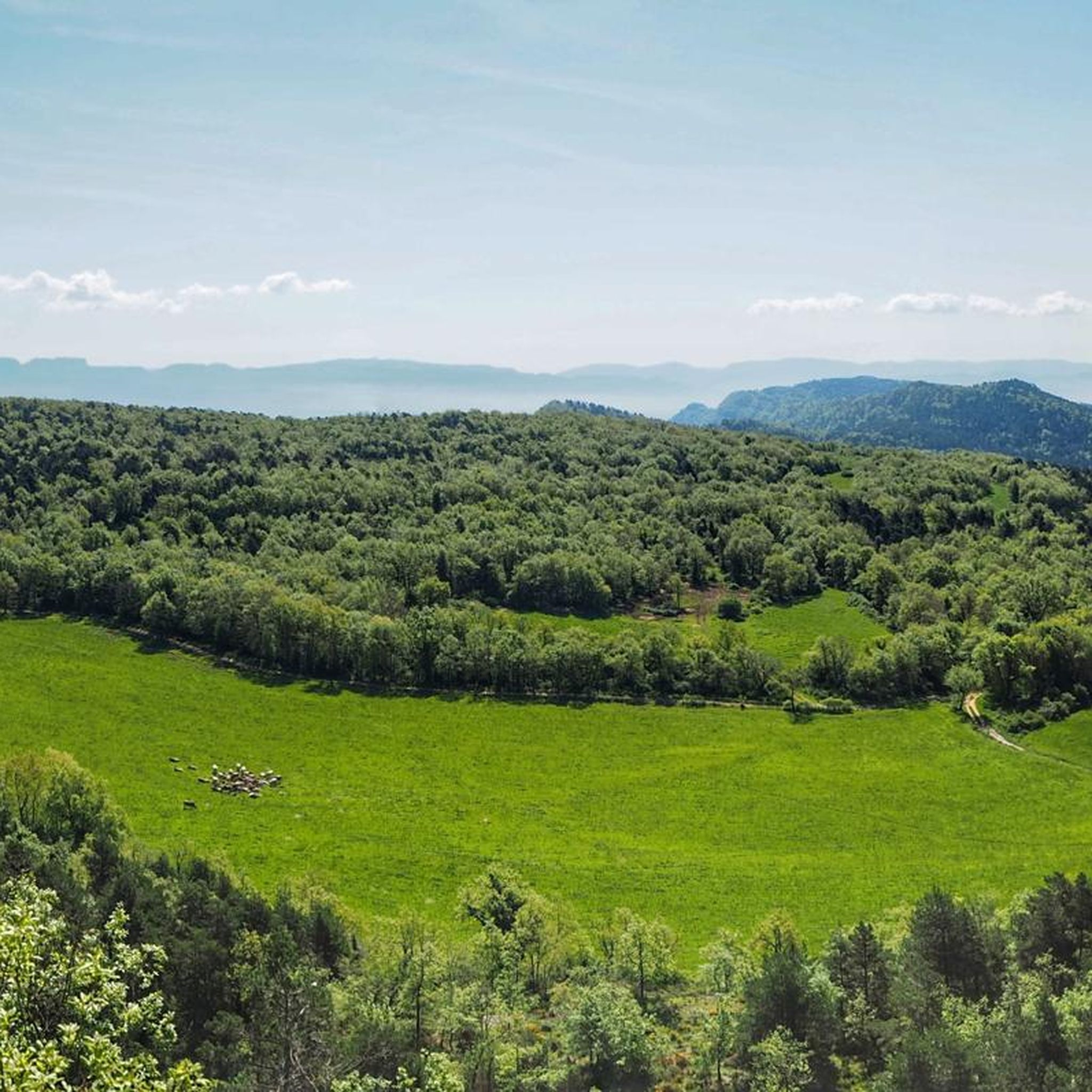
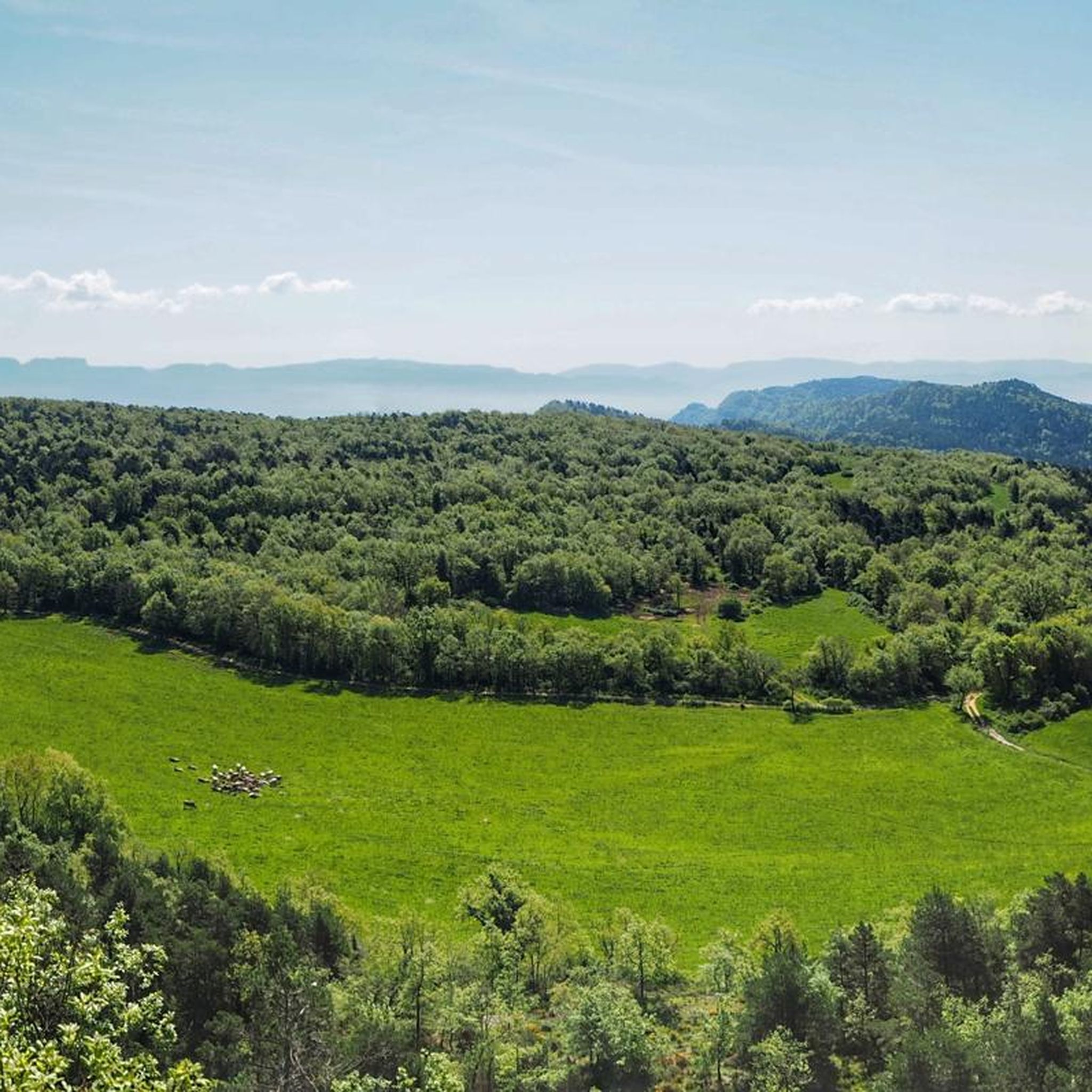
Tips from the Community

The ruins of the Besora castle and the Romanesque church of Santa María are located on a hill at more than 1000 meters above sea level. It is worth calmly exploring each of its corners and enjoying the beautiful views.
2
0

Very curious temple due to its proportions. It has preserved its entire structure in its primitive elements. The only tagline made in the course of its history was the belfry on the wall opposite the apse. Rectangular plan with a single nave crowned to the east by a semicircular apse. It is covered with a barrel vault reinforced by a single main arch. The covers were non-existent; that of the nave has been resolved with Arab tiles while that of the apse is with stone slabs very well cut and jointed. Below this cover there is a course of very regular rectangular stones placed in the restoration as a cornice. The closing wall of the nave at the eastern corner rises above the roof level. The apparatus is made of limestone ashlars, squared and of very irregular sizes, arranged in irregular courses held with lime mortar. The entrance door opens at noon, resolved with a semicircular arch made of well-cut voussoirs. In this same corner there is a semicircular window and another equal to the west corner that, with the one in the back of the apse, completes the lighting of the church.
0
0

A few months ago I covered the route from the R 3 train station, from Farga de Bebié to Montesquiu Castle and back to Sant Quirze de Besora Pueblo de la Ratafía: It is approximately 5 km. It is worth it, it is a very beautiful route.
2
0

The castle of Montesquiu, in the region of Osona, is a beautiful example of a recently restored medieval fortification. Built, surely, during the 13th century, it formed a defensive triangle together with the castles of Besora and Saderra.
3
0

Fantastic castle that is worth visiting
2
0

It first appears in documents from 1285, listed as a fortified house that would later be named a castle. Initially, it was known as the castle of Colobrer and later, of Montesquiu. Its origin probably lies in the enclave where a guard tower, commissioned by Count Guifré (el Pilós) in the 11th century, once stood. In the 14th century, it became a fortified residence, and in the 16th century, the castle was expanded and fortified. However, it wasn't until the early 20th century that it was reformed to give it the appearance it has today.
0
0

All that remains of the castle are badly damaged fragments of walls. The only clearly visible remains are those of the castle's church, dedicated to Santa Maria, and which allow us to see that it was a construction of a nave topped to the east by a semicircular apse. The nave and the apse, preceded by a presbytery section, were covered by barrel vaults. As for the remains of the castle itself, you can see the remains of the closing wall in the northern area of the hill, around the area of access and entrance to the castle. In this same northern area, remains of several rooms of the castle appear. A possible cistern is also located in this sector. In the central part, there would be a pool, documented during the excavation work of the 2006-2010 campaigns. In the southern area, close to the precipice, there are also very eroded fragments of the closing wall. We enjoy a fantastic 360º panorama.
2
0
Frequently Asked Questions
What historical landmarks can I explore in Sant Agustí De Lluçanès?
The region is rich in Romanesque heritage. You can visit the ruins of Besora Castle, which includes the Romanesque church of Santa María and offers panoramic views. Another notable site is the ancient parish church of Església de Sant Agustí de Lluçanès, documented as early as 905. Don't miss the well-preserved Sant Martí Xic Chapel, known for its primitive architectural elements and good views.
Are there any significant religious sites or sanctuaries in the area?
Yes, the Sanctuary of Mare de Déu dels Munts is a prominent religious site located at 1060 meters above sea level, offering a fantastic 360º panorama of the Lluçanès sub-region. Additionally, the beautiful Romanesque Sant Moí Hermitage, believed to have been built in the late 10th century, is worth visiting.
Where can I find the best panoramic views in Sant Agustí De Lluçanès?
For exceptional panoramic views, head to the Sanctuary of Mare de Déu dels Munts, which provides a 360º vista of the Lluçanès sub-region. The Mirador dels Munts is also considered a prime spot to appreciate the region's natural beauty. The ruins of Besora Castle, situated on a hill over 1000 meters high, also offer breathtaking scenery.
What natural features can I explore around Sant Agustí De Lluçanès?
The region is characterized by its mountainous terrain, extensive pine and oak forests, and pastures. You can visit the Riera de Sorreigs Reservoir, which offers picturesque landscapes. The Pantà de Sant Agustí (Sant Agustí Reservoir) is another natural attraction. The area's forests and trails are ideal for enjoying nature.
What outdoor activities are popular near these attractions?
The Lluçanès region is a paradise for outdoor enthusiasts, offering over 200 km of trails. You can find numerous routes for hiking, cycling, and gravel biking. For specific routes, check out the Gravel biking around Sant Agustí De Lluçanès guide, the Running Trails around Sant Agustí De Lluçanès guide, or the MTB Trails around Sant Agustí De Lluçanès guide.
Are there family-friendly attractions or activities in the area?
Many of the natural sites and viewpoints can be enjoyed by families. The Sanctuary of Mare de Déu dels Munts and the Riera de Sorreigs Reservoir are both listed as family-friendly. The extensive network of trails also includes options suitable for family walks, allowing everyone to enjoy the rural landscape.
What is the best time to visit Sant Agustí De Lluçanès for outdoor activities?
The region's climate makes it suitable for outdoor activities throughout much of the year. Spring and autumn generally offer pleasant temperatures for hiking and cycling, with lush landscapes in spring and vibrant colors in autumn. Summers can be warm but are still popular for exploring, especially at higher elevations. Winters are cooler but can offer unique experiences for those prepared for the weather.
What cultural experiences can I have beyond historical sites?
Sant Agustí de Lluçanès offers a glimpse into authentic rural life. You can experience agritourism, enjoy local cuisine in traditional restaurants, and stay in rural accommodations. The Fira de l'Hostal del Vilar, historically a significant livestock fair, is a notable cultural event if your visit coincides.
What do visitors enjoy most about Sant Agustí De Lluçanès?
Visitors particularly appreciate the blend of history and nature. The panoramic views from sites like Besora Castle and the Sanctuary of Mare de Déu dels Munts are highly praised. The tranquility of the rural setting, the well-preserved Romanesque architecture, and the opportunities for hiking and cycling through forests and pastures are also frequently highlighted.
Are there any hidden gems or lesser-known spots to discover?
While not widely publicized, the Sant Moí Hermitage is a beautiful and ancient Romanesque site with a fascinating local legend, offering a more secluded experience. Exploring the numerous dispersed farmhouses and smaller chapels throughout the Lluçanès region can also lead to unique discoveries off the main tourist paths.
Can I find places to eat or stay near the attractions?
The region supports rural life and agritourism, meaning you can find traditional restaurants and rural accommodations scattered throughout the area. The Sanctuary of Mare de Déu dels Munts even includes an inn, offering a convenient option for visitors.
Most popular routes around Sant Agustí De Lluçanès
Most popular attractions around Sant Agustí De Lluçanès

Get inspired with the komoot mobile app


Explore more
Still not found the Highlight you’re looking for? See guides of the top attractions in other regions:
