The best MTB trails around Sant Boi De Lluçanès
4.3
(369)
3,087
riders
190
rides
Mountain biking around Sant Boi de Lluçanès offers diverse terrain within the Osona region of Catalonia. The area is characterized by a valley setting surrounded by mountain ranges such as the Munts (reaching 1050m), Puigcornador (977m), and Serra de Sant Salvador (952m). These elevations provide varied climbs and descents, while the valleys feature green pastures and woodlands of red pine and oak. Numerous rural paths and freshwater springs contribute to the natural landscape for mountain bike trails.
Best mountain bike…
Last updated: October 15, 2026
4.0
(1)
27
riders
37.6km
03:55
1,080m
1,080m
Hard mountain bike ride. Very good fitness required. Advanced riding skills necessary.
4.5
(4)
22
riders
53.6km
05:17
1,410m
1,410m
Hard mountain bike ride. Very good fitness required. Advanced riding skills necessary.

5.0
(1)
17
riders
Moderate mountain bike ride. Good fitness required. Suitable for all skill levels.
3.7
(6)
17
riders
55.5km
04:24
900m
900m
Moderate mountain bike ride. Good fitness required. Suitable for all skill levels.
27
riders
53.1km
05:34
1,390m
1,400m
Hard mountain bike ride. Very good fitness required. Advanced riding skills necessary.
Get access to more routes and recommendations from other explorers.
Already have an account?
Our route recommendations are based on thousands of hikes, rides, and runs completed by other people on komoot.
Start today with a free account
Your next adventure awaits.
Tips from the Community

The Mother of God depicted and venerated here is the Virgin Mary of Lourdes. This well-known Marian pilgrimage site is located in the French Pyrenees and is visited annually by large numbers of people, including many sick people hoping for healing. The devotional image of the Mother of God has become widespread – not only in France – with believers building Lourdes chapels and grottos everywhere. The church feast day of "Our Lady of Lourdes" is February 11th, the anniversary of the Marian apparition (1858), when the Mother of God appeared to 14-year-old Bernadette Soubirous in a rock grotto very close to Lourdes. Bernadette later became a nun and died at the age of just 35. On December 8th (the Feast of the Immaculate Conception of Mary), 1933, she was canonized by Pope Pius XI. The commemoration of the Madonna of Lourdes is also World Day of the Sick.
0
0


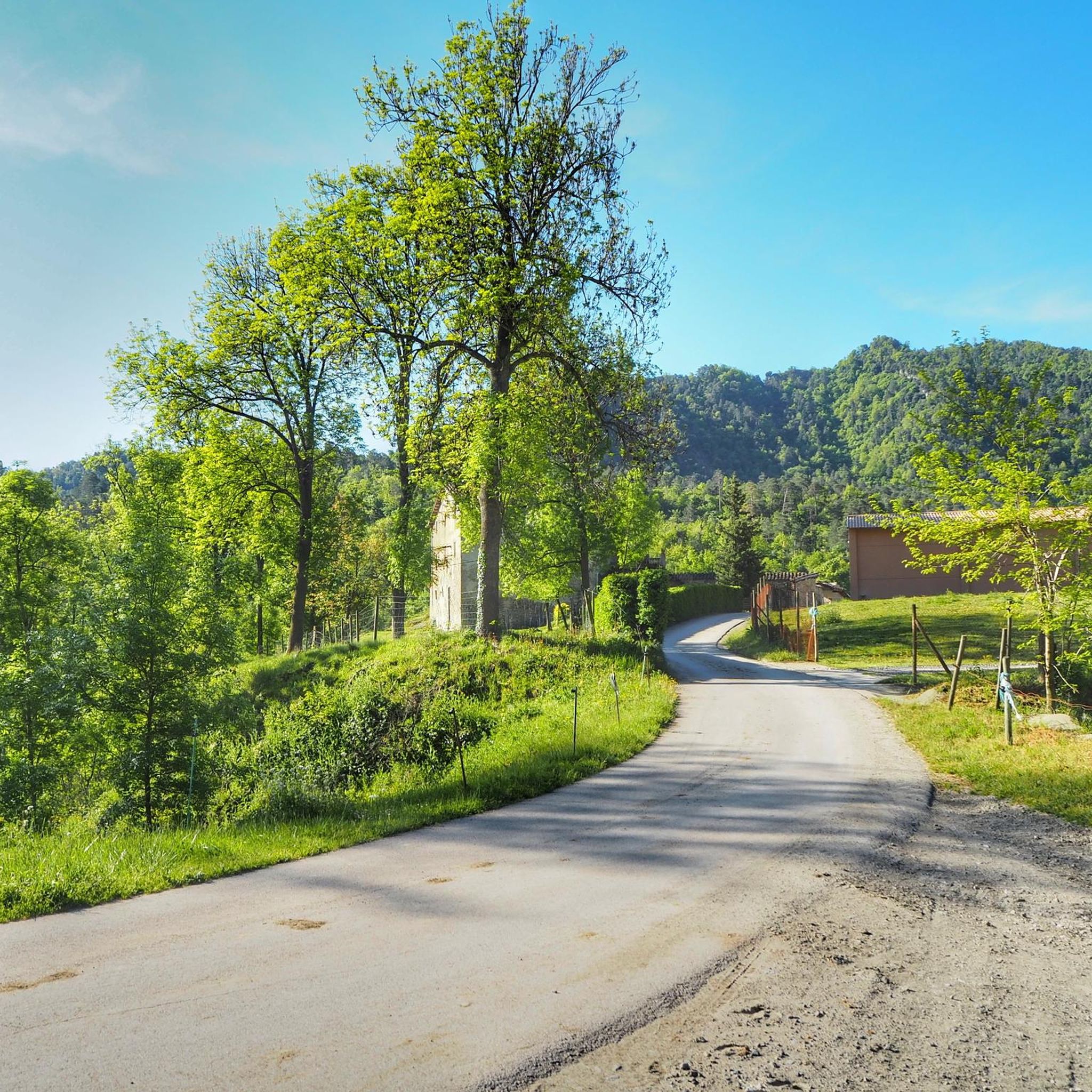
A perfect adventure for kids and adults
0
0

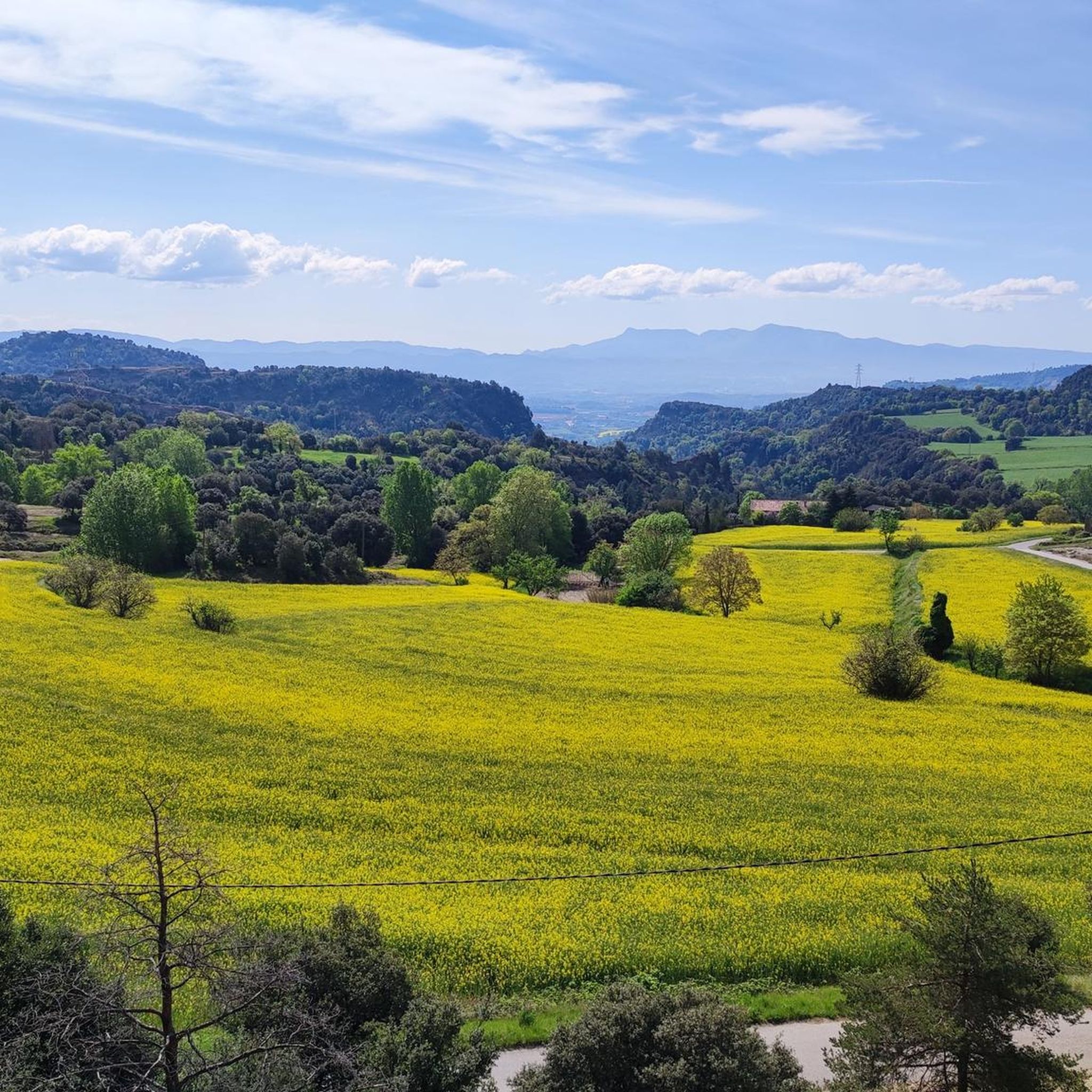
Shaded with good views of the Ter River
2
0


At the exit from Roda de Ter we find this bridge and passage over the river Ter in the tail of the Pantà de Sau.
1
0

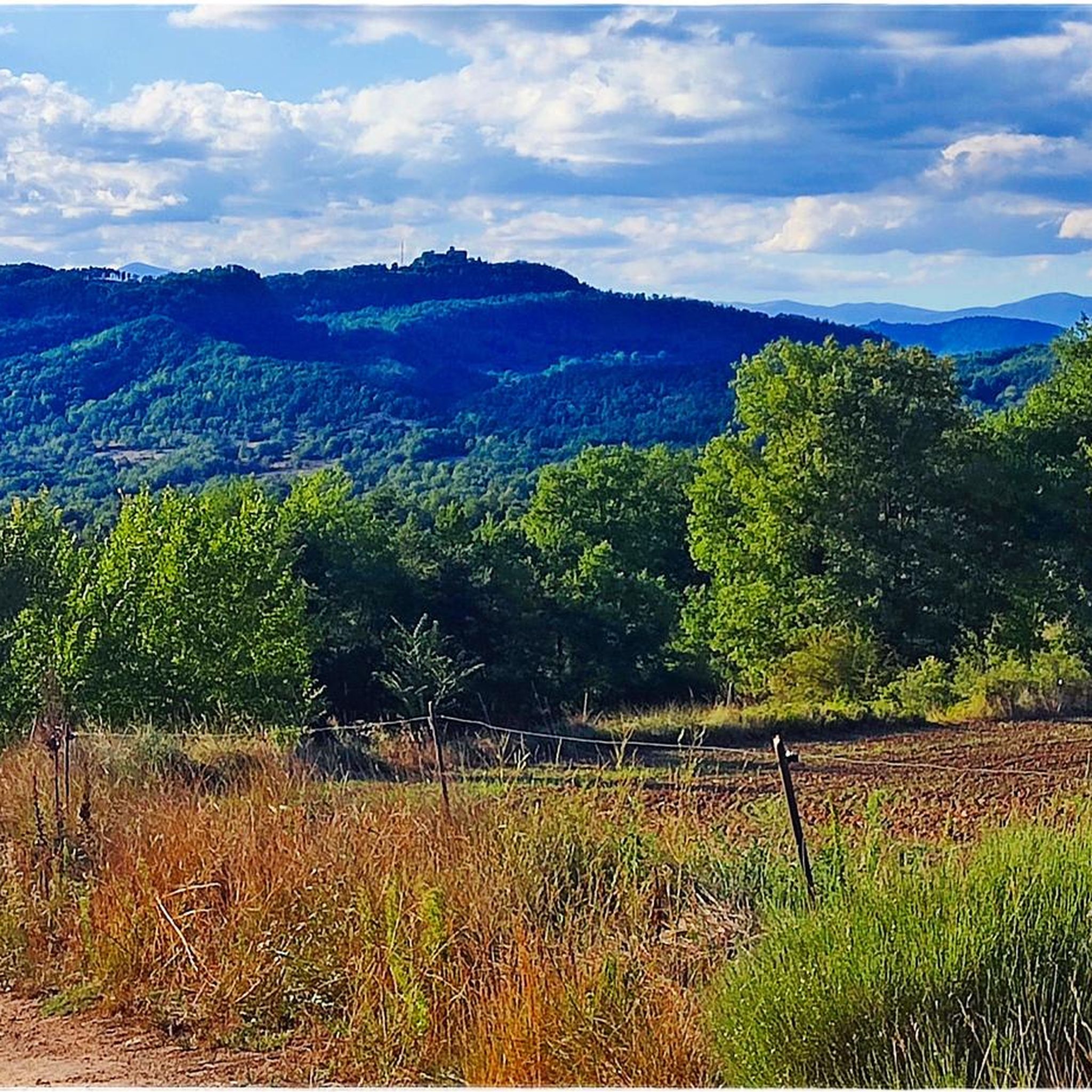
A few months ago I covered the route from the R 3 train station, from Farga de Bebié to Montesquiu Castle and back to Sant Quirze de Besora Pueblo de la Ratafía: It is approximately 5 km. It is worth it, it is a very beautiful route.
2
0
Frequently Asked Questions
How many mountain bike trails are available in Sant Boi De Lluçanès?
There are over 200 mountain bike trails in Sant Boi De Lluçanès. This includes a wide range of options, with approximately 33 easy routes, 105 moderate routes, and 63 more challenging trails for experienced riders.
What kind of terrain can I expect on mountain bike trails in Sant Boi De Lluçanès?
The terrain in Sant Boi de Lluçanès is diverse, featuring a mix of valley floors, green pastures, and dense woodlands of red pine and oak. You'll encounter varied elevations due to surrounding mountain ranges like the Munts and Puigcornador, offering both challenging climbs and exhilarating descents. Many routes also follow rural paths and pass by freshwater springs.
Are there any circular mountain bike routes in Sant Boi De Lluçanès?
Yes, many routes in the area are circular. For example, the Font de la Prada – Riera de Sorreigs Reservoir loop from Sant Boi de Lluçanès is a popular moderate option exploring the Lluçanès landscape. Another great choice is the Riera de Sorreigs Reservoir – Serratosa Pass Viewpoint loop from Sant Boi de Lluçanès, which offers scenic views.
What natural features or landmarks can I see along the mountain bike trails?
You can discover a variety of natural features and historical landmarks. The region is known for its freshwater springs, such as those at La Prada, La Presa, and La Talaia. You might also encounter significant natural monuments like Mir Waterfall or Els Bufadors de Beví. Historical sites include various castles, such as Besora Castle or Lluçà Castle and Church of Sant Vicenç.
Are there mountain bike trails suitable for families or beginners?
Yes, Sant Boi de Lluçanès offers trails suitable for various skill levels, including easier paths. While specific 'family-friendly' designations aren't always explicit, the 33 easy routes available are generally well-suited for beginners or those looking for a less strenuous ride through pastures and woodlands.
What do other mountain bikers enjoy most about mountain biking in Sant Boi De Lluçanès?
The area is highly rated by the komoot community, with an average score of 4.3 stars from over 240 reviews. Riders often praise the diverse terrain, from tranquil forest paths to challenging mountain climbs, and the scenic views over the Lluçanès and Osona regions. The variety of routes catering to different abilities is also frequently highlighted.
Are there any trails that pass by waterfalls or reservoirs?
Yes, several routes incorporate these natural attractions. For instance, the Molí de Puigoriol Waterfall – Vila-rasa Reservoirs loop from Sant Boi de Lluçanès is a popular trail that leads through woodlands and past reservoirs, offering beautiful waterside views. The Font de la Prada – Riera de Sorreigs Reservoir loop also explores the area around the Riera de Sorreigs Reservoir.
What are some of the best viewpoints accessible by mountain bike?
The region offers several spectacular viewpoints. The Santuari de la Mare de Déu dels Munts, accessible via a panoramic track, provides stunning views over the Lluçanès and Osona areas. Another notable spot is the Santuari de Bellmunt, which on clear days offers expansive views extending to the Pyrenees and Montserrat.
Can I find trails that explore historical or cultural sites?
Absolutely. The region is rich in history. Many routes pass by ancient farmhouses and hermitages. You can explore trails that lead to sites like the Santuari de Puig-agut, known for its historical architecture and unique landscapes. Additionally, some routes, like the Alpens Iron Route – Vila-rasa Reservoirs loop from Sobremunt, hint at the area's industrial heritage.
What is the best time of year for mountain biking in Sant Boi De Lluçanès?
Sant Boi de Lluçanès is generally suitable for mountain biking throughout much of the year. Spring and autumn offer pleasant temperatures and vibrant scenery, with forests of red pine and oak providing beautiful backdrops. Summer can be warm, but the forested areas offer shade. Winter rides are possible, though some higher elevation trails might be affected by colder weather.
Are there any long-distance mountain bike routes in the area?
While many routes are day trips, some can be combined or are longer in nature. For example, the Alpens Iron Route loop from Perafita covers approximately 41.9 km, offering a substantial ride. The 'Tracks del Diable' is also described as an adventurous mountain biking tour through the Osona and Ripollès counties, suggesting options for more extensive exploration.
Most popular routes around Sant Boi De Lluçanès
Most popular attractions around Sant Boi De Lluçanès

Get inspired with the komoot mobile app


Explore more
Browse the best MTB trails in other regions.
