Attractions and Places To See around Torres De La Alameda - Top 20
Best attractions and places to see around Torres De La Alameda, a municipality in the Community of Madrid, offers a blend of historical sites, cultural landmarks, and natural areas. The region features a rich history, with evidence of human occupation dating back to the Middle Paleolithic period, alongside significant agricultural landscapes like olive groves. Visitors can explore a variety of sites, from ancient ruins to modern green spaces, providing diverse experiences.
Best attractions and places to see around Torres De La Alameda
- The most popular attraction is Goyeneche Palace of Nuevo Baztán, a historical site that forms the central nucleus of the town of Nuevo Baztán. This 17th-century Renaissance palace was declared a historical-artistic monument in 1941.
- Another must-see spot is Europa Park, a large green area in Torrejón de Ardoz featuring representations of important European monuments. Visitors can experience a European-inspired walk and interact with architectural and cultural works of art.
- Visitors also love Ruins of Alcalá la Vieja Fortress, an ancient Muslim city. This historical site, known as al-Qal'at abd al-Salam, was recovered in 1118 and is part of the sites that can be visited in the Community of Madrid.
- Torres De La Alameda is known for its historical sites, man-made monuments, and family-friendly parks. The area provides a variety of attractions to see and explore, from ancient fortresses to expansive green spaces.
- The attractions around Torres De La Alameda are appreciated by the komoot community, with 72 upvotes and 36 photos shared by visitors.
Last updated: July 7, 2026
Goyeneche Palace of Nuevo Baztán
Highlight • Historical Site
Translated by Google •
Tip by

Parque Europa Monuments, Torrejón de Ardoz
Highlight • Monument
Translated by Google •
Tip by

Sign up now to discover places like this
Get recommendations on the best single tracks, peaks, & plenty of other exciting outdoor places.
Sign up for free
Ruins of Alcalá la Vieja Fortress
Highlight • Historical Site
It is part of the set of sites that can be visited in the Community of Madrid, although it is currently fenced off and you have to settle for seeing it from the fence.
Translated by Google •
Tip by

Cervantes Square
Highlight • Historical Site
es.wikipedia.org/wiki/Plaza_de_Cervantes_(Alcal%C3%A1_de_Henares)
Translated by Google •
Tip by
Brandenburg Gate
Highlight • Monument
Translated by Google •
Tip by
Sign up for free to discover even more attractions around Torres De La Alameda.
Sign up for free
Already have an account?
Start today with a free account
Your next adventure awaits.
Login or Signup

Tips from the Community


The unique urban style of Nuevo Baztán maintains the original Baroque model from the beginning of the 18th century, designed by José de Churriguera by order of Juan de Goyeneche, who had permission from Charles II to build glass, paper and textile factories on Spanish territory. The Navarrese businessman was originally from Arizkun, in the Baztán Valley, but spent time in Madrid because he had other properties and professional relations with the Court. He chose the site of Madrid's Alcarria to found an industrial and rural centre in honour of his homeland and commissioned the Madrid architect to build a glass factory, a farming village of half a thousand inhabitants, a palace, a monumental church and gardens with centuries-old pines and elms. The town preserves cobbled streets, stone squares, rural buildings from the time of its foundation, between 1709 and 1713, and palace gardens, a beautiful heritage complex declared a Historic-Artistic Monument in 1941 and a Site of Cultural Interest in 2000.
0
0

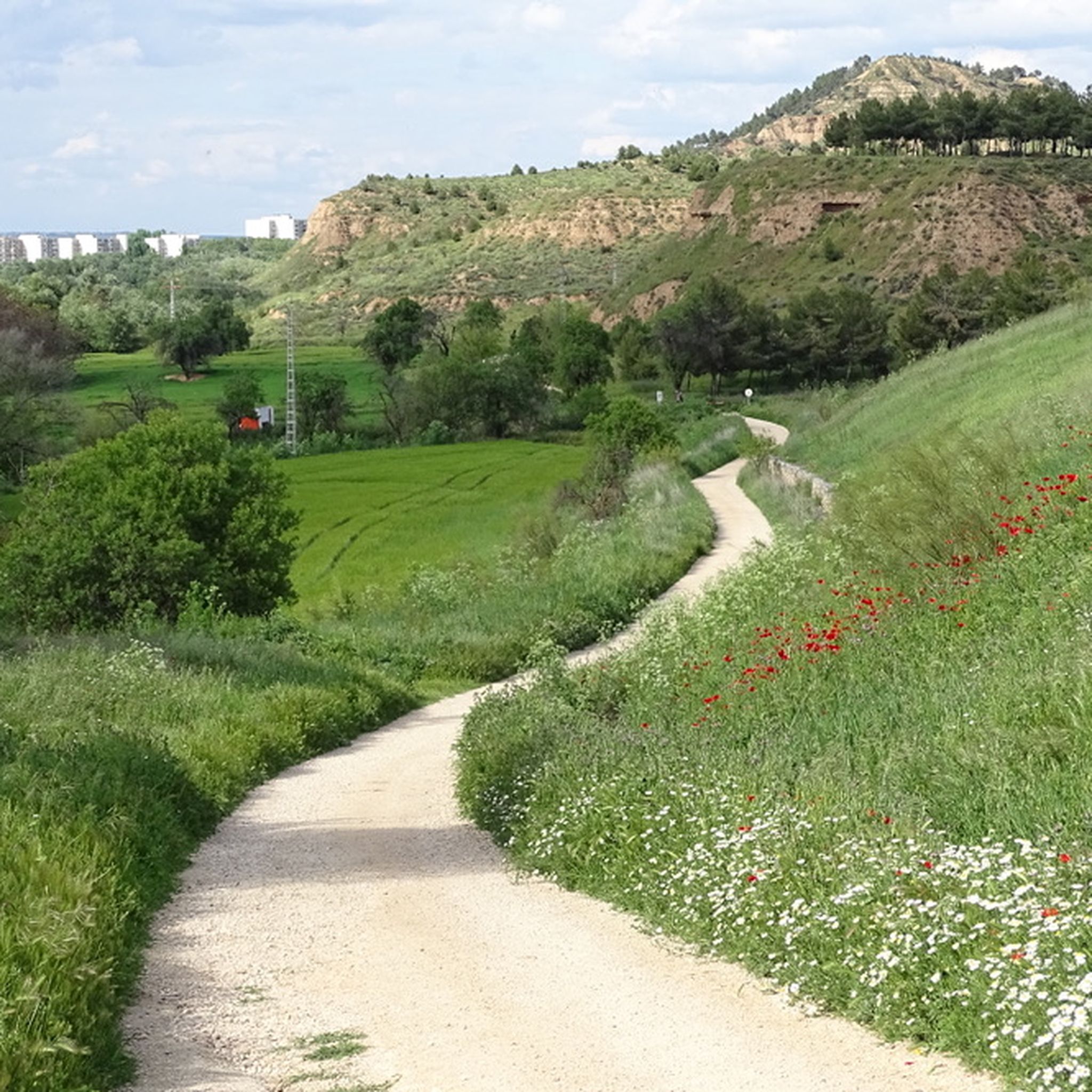
There is a section of the route that is quite out of the way, starting from the passage through the ruins of Alcalá Vieja.
1
0

Ancient Muslim city of the Middle March. Neighbor of Madina Al Faray, which was the most important in the Middle Brand.
1
0

Fountain in the small park in front of the church.
0
0

The Europa Park in Torrejon de Ardoz, with its more than 230,000 m2 surface area, is the largest green area in the city and one of the parks with the greatest tourist attraction in the Community of Madrid. In addition to its ecological value, Parque Europa stands out for housing representations of some of the most important and well-known European monuments. Without leaving the park, it is possible to enjoy a European-inspired walk and come into contact with architectural and cultural works of art from the different European capitals represented. Without a doubt, Parque Europa is a place that offers top-level tourist interest for all tourists who visit the Madrid region.
10
1
It is located in Berlin and was made between 1788 and 1791, being one of the doors that allowed access through the old wall that surrounded Berlin in 1860. After the events of 1989, it recovered its original prominence and became the symbol of the reunification of Germany. The replica is built at a 1:2.5 scale with great fidelity and presides over the entrance to the park.
7
0

The original of this model is located in the German capital, Berlin. The Brandenburg Gate was built at the end of the 18th century under Prussian rule. After the end of World War II, it formed the border between the eastern and western sectors of the city, becoming a symbol of the division of Germany and the so-called "Iron Curtain" between the two systems for many decades. Since reunification in 1991, visitors to Berlin can once again walk through the gate with its famous quadriga (a chariot drawn by four horses). The original can be found as a hiking highlight in Berlin at the following link =>> https://www.komoot.com/de-de/highlight/124359
5
0
Frequently Asked Questions
What historical and cultural sites can I explore in Torres de la Alameda?
Torres de la Alameda offers a rich history. You can visit the 16th-century Iglesia de la Asunción de Nuestra Señora, known for its Renaissance architecture and the unique "Sábana Santa Santificada." Another significant site is the Ermita de la Soledad, also from the 16th century, which features a Roman tombstone from the 2nd century integrated into its facade. The town's urban center itself retains a charming Castilian-Manchegan character with its traditional houses and narrow streets. Additionally, archaeological sites in the area provide evidence of human occupation dating back to the Middle Paleolithic period.
Are there any notable natural viewpoints or scenic spots in the area?
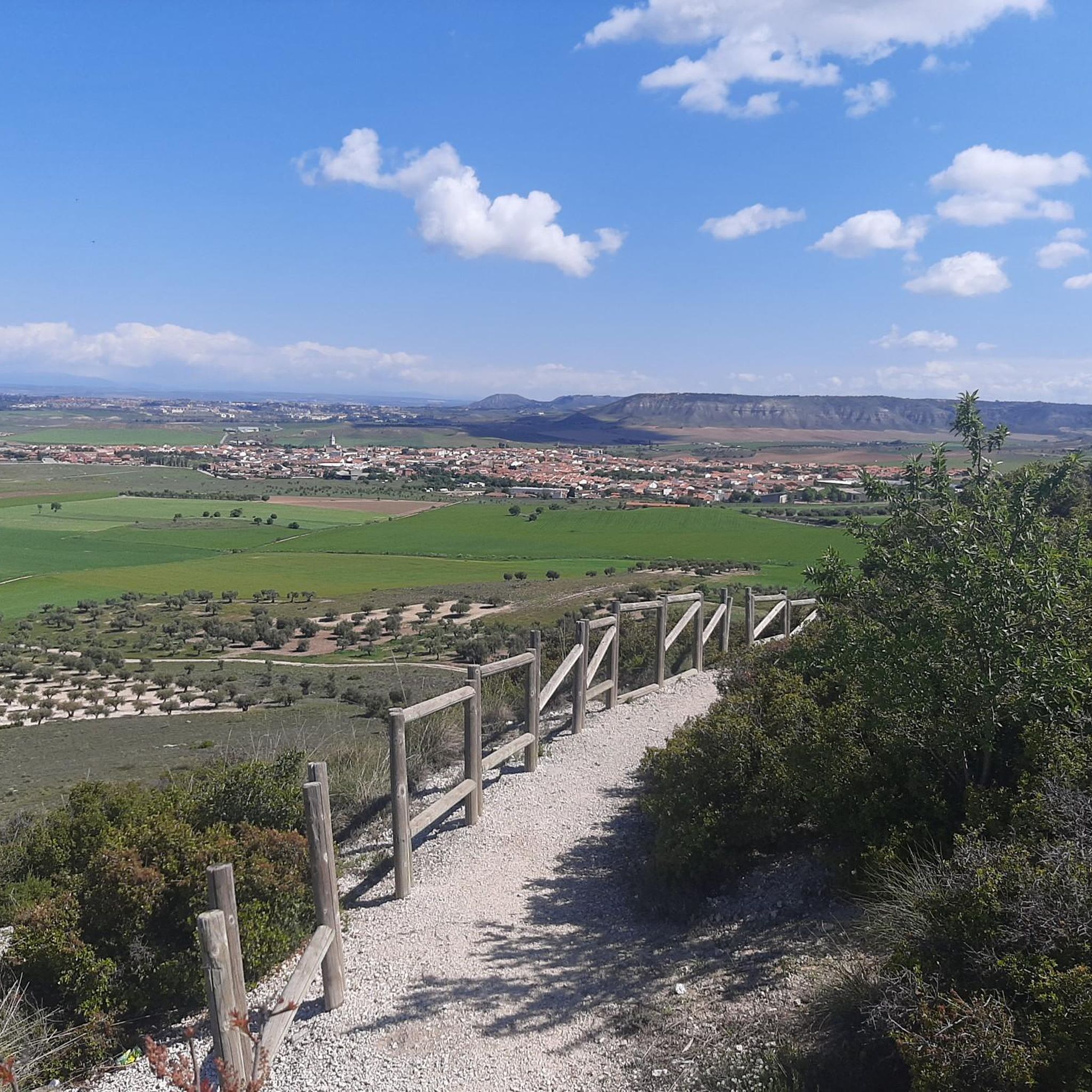
Yes, the Mirador de los Pájaros is a local favorite, offering panoramic views of the municipality, its fields, and olive groves. On clear days, you might even catch a glimpse of the Madrid skyline. The hills of Cerro de Monte Alto and Pico del Búho also provide serene natural settings, popular for those seeking quiet outdoor experiences.
What kind of outdoor activities can I do around Torres de la Alameda?
The area is excellent for outdoor activities, particularly hiking and cycling. You can find various routes, including circular trails like the "Cerro de Monte Alto Loop" or the "Camino de Los Ángeles and Cerro de Monte Alto Circular." For cycling enthusiasts, there are options for both touring and gravel biking. Explore more routes on the hiking guide, cycling guide, and gravel biking guide for Torres de la Alameda.
Are there family-friendly attractions near Torres de la Alameda?
Absolutely! A highly recommended family-friendly spot is Europa Park in Torrejón de Ardoz. This large green area features representations of important European monuments, offering a unique European-inspired walk. It's ideal for spending the day, especially with children, as it includes multi-adventure activities, boat rides on the lake, and even a zip line. The Goyeneche Palace of Nuevo Baztán is also considered family-friendly and offers a historical experience.
What is the significance of the olive groves in Torres de la Alameda?
Olive cultivation is a significant agricultural feature of Torres de la Alameda. The region is known for producing highly valued olive oil within the Community of Madrid. These olive groves also contribute to the scenic beauty of the landscape, especially when viewed from spots like the Mirador de los Pájaros.
Can I find any ancient ruins or archaeological sites in the vicinity?
Yes, the area has a rich archaeological heritage. Evidence of human occupation dates back to the Middle Paleolithic period. A significant collective burial site from the Chalcolithic era, known as "El Perdido" yacimiento, was discovered in the industrial park. Additionally, settlements from the Bronze Age and Iron Age have been identified. Nearby, you can also explore the Ruins of Alcalá la Vieja Fortress, an ancient Muslim city that played a crucial role in the region's history.
What kind of wildlife can I expect to see in the natural areas?
Torres de la Alameda boasts significant biodiversity. Its slopes and ravines are home to various butterflies and insects. The area is also a habitat for raptors, including impressive birds like the imperial eagle and black vulture. Part of the territory is protected under the European Union's Habitats Directive due to its international environmental importance, making it a great spot for nature observation.
Is there a historical square or urban center worth visiting?
While Torres de la Alameda's urban center retains a charming Castilian-Manchegan character, a notable historical square nearby is Cervantes Square in Alcalá de Henares. This square is the heart of social life in the city, which is a UNESCO World Heritage Site and the birthplace of Cervantes, offering a rich historical and cultural experience with many monuments and a vibrant atmosphere.
What do visitors enjoy most about the attractions around Torres de la Alameda?
Visitors particularly appreciate the blend of historical sites, such as the 17th-century Goyeneche Palace of Nuevo Baztán, and expansive green spaces like Europa Park. The opportunity to explore ancient fortresses like the Ruins of Alcalá la Vieja Fortress also receives positive feedback. The variety of experiences, from cultural immersion to family-friendly fun and natural beauty, is highly valued by the komoot community.
Are there any easy hiking trails suitable for different skill levels?
Yes, there are several hiking routes around Torres de la Alameda that cater to various skill levels. For example, the "Cerro de Monte Alto Loop" is an easy 8.3 km trail. Other moderate options include the "Camino de Los Ángeles and Cerro de Monte Alto Circular" (11.1 km) and the "Birds' Viewpoint Trail from Torres de la Alameda" (8.6 km). You can find more details and routes on the hiking guide for Torres de la Alameda.
Is there any specific monument or building that stands out for its architecture?
The Iglesia de la Asunción de Nuestra Señora is a prominent architectural highlight. This 16th-century church showcases beautiful Renaissance architecture, believed to have been built upon an earlier Mudejar structure. Its prominent portico and tower, along with the artesonado ceiling inside, make it a significant cultural asset in the region.
Are there any attractions that are wheelchair accessible?
Yes, Cervantes Square in Alcalá de Henares is noted as wheelchair accessible. This central urban space is a key part of a UNESCO World Heritage Site and offers a pleasant experience with its historic buildings and vibrant atmosphere.
Most popular routes around Torres De La Alameda
Most popular attractions around Torres De La Alameda

Get inspired with the komoot mobile app


Explore more
Still not found the Highlight you’re looking for? See guides of the top attractions in other regions:
