The best road cycling routes around Santorcaz
4.5
(25)
3,156
riders
86
rides
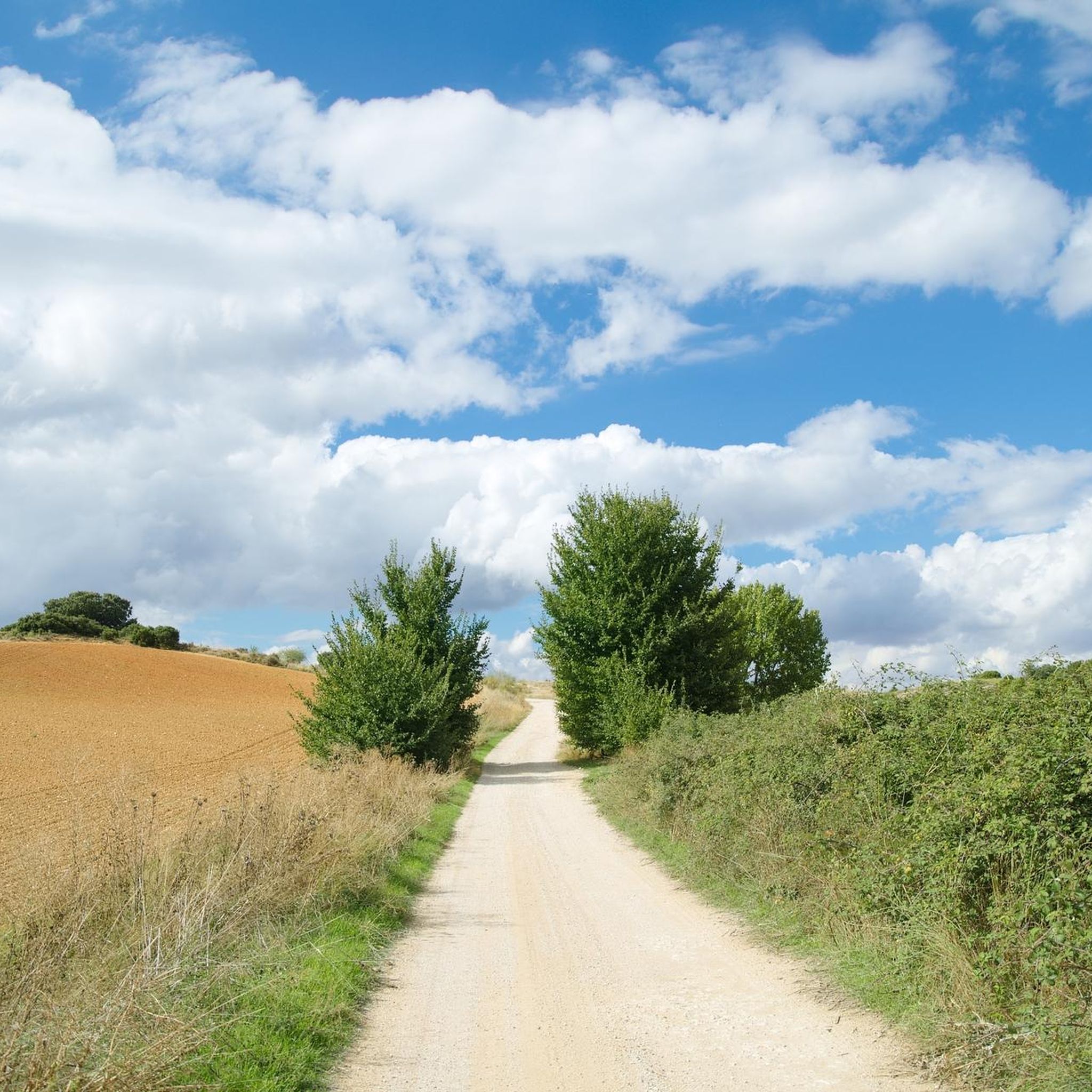
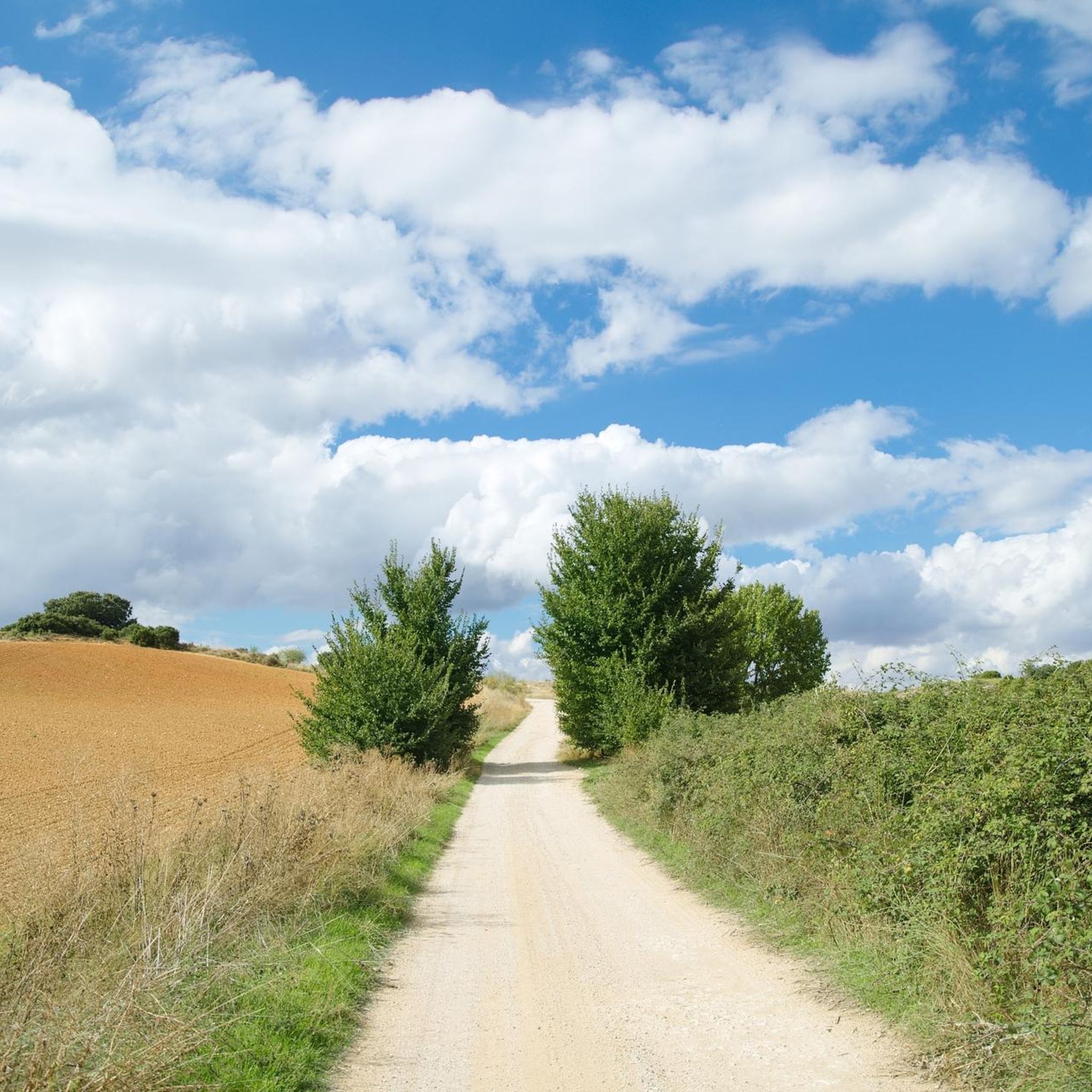
Road cycling routes around Santorcaz are situated on the elevated Alcarria plateau, offering diverse geology and open landscapes. The terrain is characterized by clays, gypsum, marls, limestone, and flint, contributing to varied and undulating paths. This region provides opportunities for challenging climbs and scenic views across the high plateau. Quiet roads with light traffic are common, enhancing the cycling experience.
Best road cycling routes around Santorcaz
- The most popular road cycling route is The two Castles - Castillo de Pioz…
Last updated: October 15, 2026
15
riders
Hard road ride. Very good fitness required. Mostly well-paved surfaces and easy to ride.
9
riders
Moderate road ride. Good fitness required. Some segments of this route may be unpaved and difficult to ride.

35
riders
94.8km
04:18
1,050m
1,050m
Hard road ride. Very good fitness required. Mostly well-paved surfaces and easy to ride.
28
riders
Hard road ride. Very good fitness required. Some segments of this route may be unpaved and difficult to ride.
4.5
(2)
27
riders
43.9km
02:02
490m
490m
Moderate road ride. Good fitness required. Mostly well-paved surfaces and easy to ride.
Get access to more routes and recommendations from other explorers.
Already have an account?
Our route recommendations are based on thousands of hikes, rides, and runs completed by other people on komoot.
Start today with a free account
Your next adventure awaits.
Tips from the Community


The Torremocha Castle represents the history and monumentality of Santorcaz. The current construction dates back to the 14th and 15th centuries. It was a fortress for the defence and control of the Anchuelo river plain, built on a previous watchtower of Arab origin that formed part of the strategic line of the Alcalá stronghold. At different times it has been the residence of nobles, the seat of archbishops and a prison for clerics, where Cardinal Cisneros and the Princess of Éboli were among others. Attached to the castle walls is the church of San Torcuato, founded in the 13th century, with a beautiful Mudejar tower.
0
0

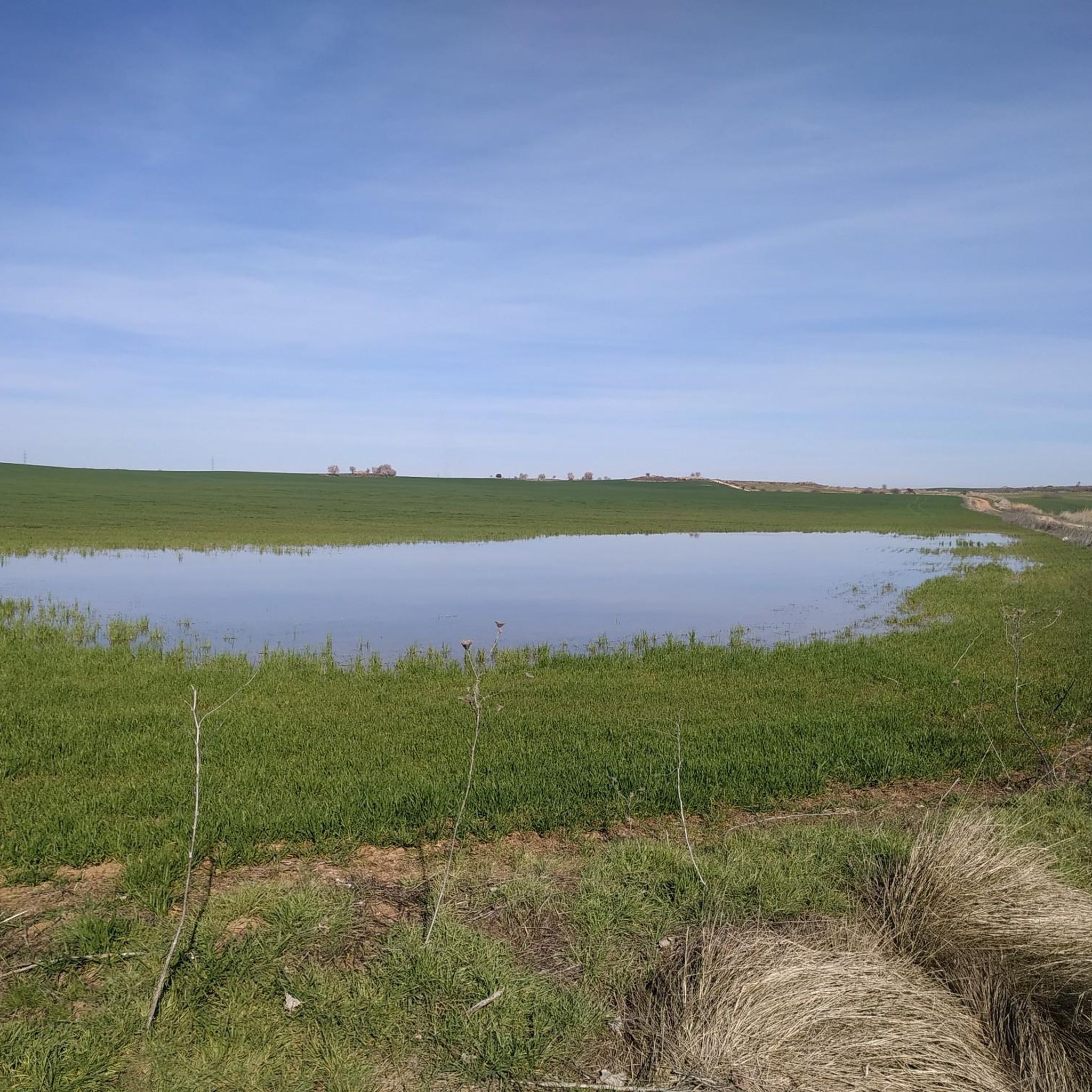
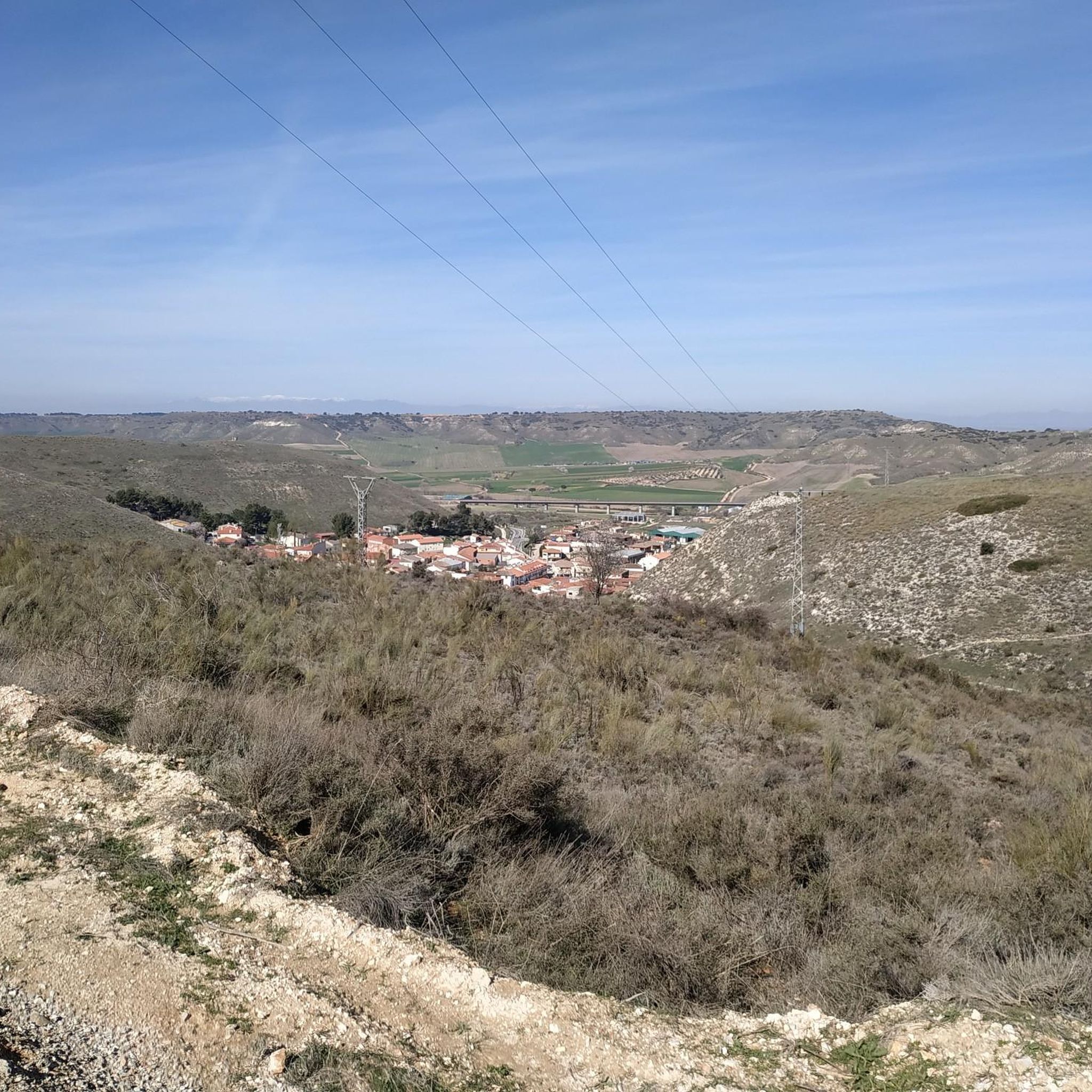
At this point you can decide to go to Santorcaz or Santos de la Humosa
0
0

Guadalajara deserves it, we coincide with the story marathon, an event that takes place over three days in this same palace. We stopped by the tourist office and they told us about botargas, about an event prior to the carnival in which you can enjoy botargas from the entire province of Guadalajara.
0
0

In restoration works, it presents a beautiful appearance
2
0

Like the fortified archbishop's palace of Alcalá de Henares, this enclosure was ordered to be built by Archbishop Pedro Tenorio in the 14th century. It is a strong plaza with seven towers, a wall and the church of San Torcuato.
1
0

The church dedicated to San Pedro is from the 13th century but important reforms were carried out in it during the 15th century, the main nave was redone and two other lateral ones were added, for example. It preserves its original Romanesque head, the belfry and the presbytery. Inside, don't miss the Gothic ornaments, the Mudejar pair and knuckle armor; and the small ivory carving of the Virgen de los Llanos. It was declared B.I.C with the category of Monument in 1990.
3
0
Interesting work of the s. XV, which allows us to appreciate how a castle was arranged when the use of artillery had already been imposed: harquebuses and cannons. It is erected on a plain, and preserves both its interior and towers, as well as the outer enclosure and the moat. Free access to the outside. To visit the interior, contact the Pioz town hall, telephone 949.272.076.
3
0
Frequently Asked Questions
What kind of terrain can I expect when road cycling around Santorcaz?
Road cycling routes around Santorcaz are primarily situated on the elevated Alcarria plateau, offering diverse geology with clays, gypsum, marls, limestone, and flint. This results in varied and undulating paths, providing opportunities for challenging climbs and expansive scenic views across the high plateau. You'll find quiet roads with light traffic, enhancing the cycling experience.
How many road cycling routes are available in the Santorcaz area?
There are over 70 road cycling routes around Santorcaz documented on komoot, catering to various skill levels. This includes 7 easy routes, 40 moderate routes, and 29 difficult routes, ensuring options for every cyclist.
Are there any challenging climbs for experienced road cyclists in Santorcaz?
Yes, the region offers several challenging climbs. For instance, the ascent to Los Santos de la Humosa from Santorcaz is a notable climb, and routes like The two Castles - Castillo de Pioz and Castillo de Torremocha feature significant elevation gain, making them suitable for advanced riders.
What historical landmarks can I see along the road cycling routes in Santorcaz?
Many routes pass by significant historical sites. You can explore the remnants of Santorcaz Castle and its walls, once a residence of the Archbishop of Toledo. Other notable attractions include the Pioz Castle, the Church of San Torcuato, and the Hermitage of La Soledad. Routes like Church of Santorcaz – Pioz Castle loop from Anchuelo specifically highlight these historical points.
Are there any natural features or viewpoints to enjoy while cycling?
Absolutely. The Alcarria plateau offers open landscapes and expansive views. Routes often lead to scenic spots like the Viewpoint of Los Santos de la Humosa. You might also encounter natural monuments such as Fuente Grande de Corpa or the Los Cerros Forest Park.
What is the best time of year for road cycling in Santorcaz?
The Mediterranean climate of the region generally offers favorable cycling conditions. Spring and autumn are ideal, with pleasant temperatures. While possible, peak summer heat can be intense, so early morning or late afternoon rides are recommended during those months. Winters are generally mild, allowing for cycling, though some days might be cooler.
What do other road cyclists say about the routes in Santorcaz?
The road cycling routes in Santorcaz are highly rated by the komoot community, with an average score of 4.5 stars from over 10 reviews. Cyclists often praise the quiet roads, the varied terrain offering both scenic views and challenging climbs, and the opportunity to explore historical landmarks.
Are there any circular road cycling routes available?
Yes, many of the routes around Santorcaz are designed as circular loops, allowing you to start and end at the same point. Examples include The two Castles - Castillo de Pioz and Castillo de Torremocha — circular through the valleys of the Río Tajuña and Roadbike loop from Pozo de Guadalajara.
Can I find cafes or places to rest along the road cycling routes?
While specific cafes are not detailed for every route, Santorcaz and surrounding towns offer amenities. Given the region's popularity for cycling, you'll often find small cafes or local establishments in villages along the routes where you can refuel and rest.
Are there any longer distance road cycling routes in the Santorcaz area?
Yes, Santorcaz is a great starting point for longer rides. Routes like The two Castles - Castillo de Pioz and Castillo de Torremocha cover nearly 92 km, and Road Along the Tajuña River – Ascent to Pastrana loop from Pioz extends to almost 90 km, offering substantial distances for endurance cyclists.
What is the general traffic situation on roads around Santorcaz for cyclists?
The Alcarria region, including Santorcaz, is known for its quiet roads with light traffic. This makes for a more enjoyable and safer road cycling experience, allowing riders to focus on the scenery and the ride itself.
Most popular attractions around Santorcaz

Get inspired with the komoot mobile app


Explore more
Browse the best Road cycling routes in other regions.
