Attractions and Places To See around San Pelayo - Top 11
Best attractions and places to see around San Pelayo are primarily located in the Castile and Leon region of Spain, an area known for its rich historical and cultural heritage. The landscape features a mix of historical sites, religious buildings, and natural elements like reservoirs. This region offers a blend of architectural marvels and serene natural settings for exploration. Visitors can discover significant historical landmarks and tranquil outdoor spaces.
Best attractions and places to see around San Pelayo
- The most…
Last updated: July 8, 2026
Monastery of La Santa Espina
Highlight • Religious Site
Translated by Google •
Tip by

Bajoz River Reservoir
Highlight • Lake
Translated by Google •
Tip by

Sign up now to discover places like this
Get recommendations on the best single tracks, peaks, & plenty of other exciting outdoor places.
Sign up for free
Wamba
Highlight • Religious Site
Translated by Google •
Tip by

Ossuary of the Order of Saint John, Wamba
Highlight • Religious Site
Translated by Google •
Tip by

Torrelobatón Castle
Highlight • Castle
Translated by Google •
Tip by
Sign up for free to discover even more attractions around San Pelayo.
Sign up for free
Already have an account?
Start today with a free account
Your next adventure awaits.
Login or Signup

Tips from the Community

Well-preserved castle, interesting visit, and beautiful views of the Castilian countryside, especially in spring. Good trails for mountain biking.
1
0

The Castle of the Comuneros rises majestically above the Torozos Mountains, visible from several kilometers around. Located in Torrelobatón, in the province of Valladolid, this castle has become the symbol of the town and is one of the best preserved in Castilla y León. It was declared Historical Heritage in 1949. This imposing castle, a witness to history and struggle, remains a fascinating attraction for visitors. If you ever have the opportunity, I recommend exploring its walls and discovering the secrets it keeps in its centuries-old stone. 🏰
5
0

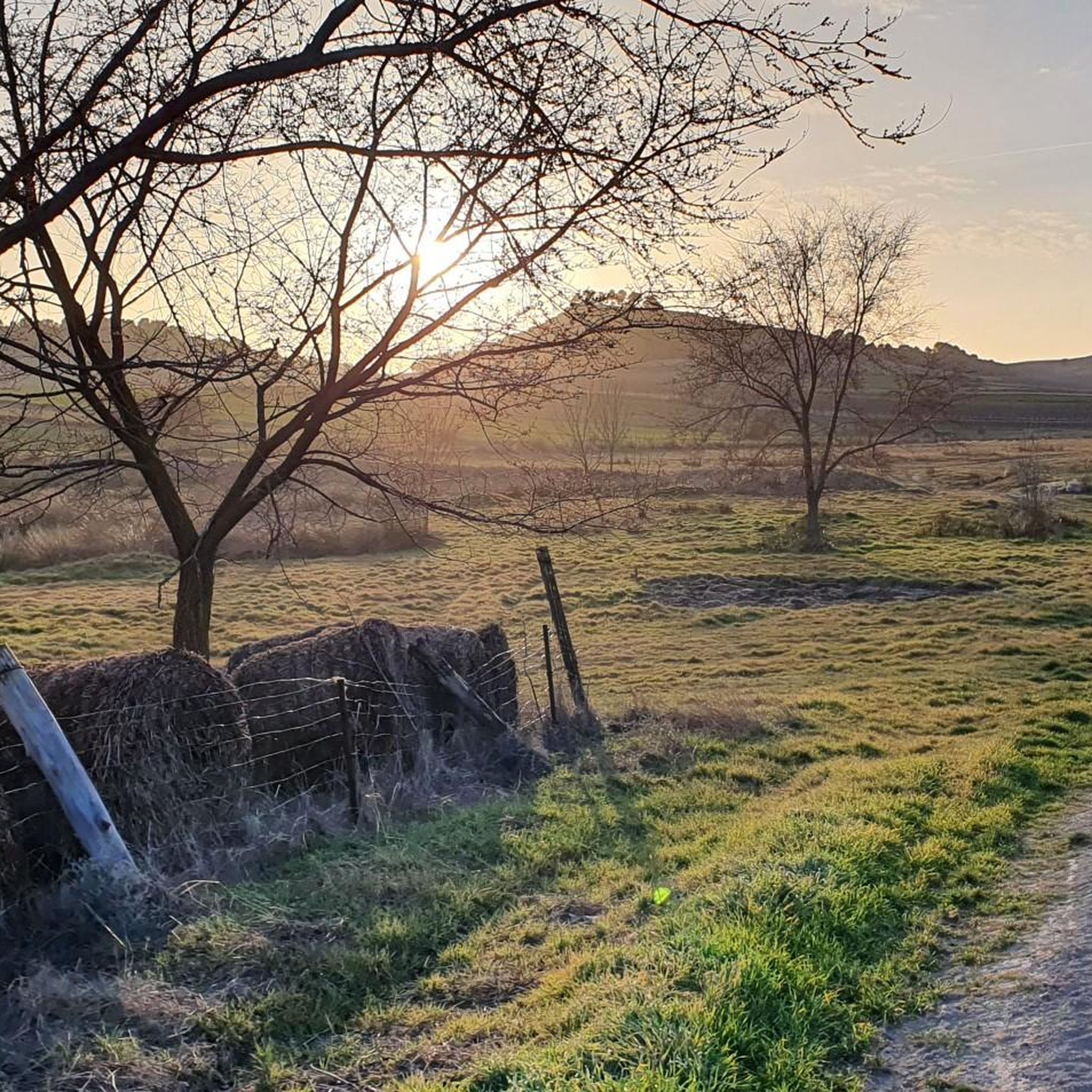
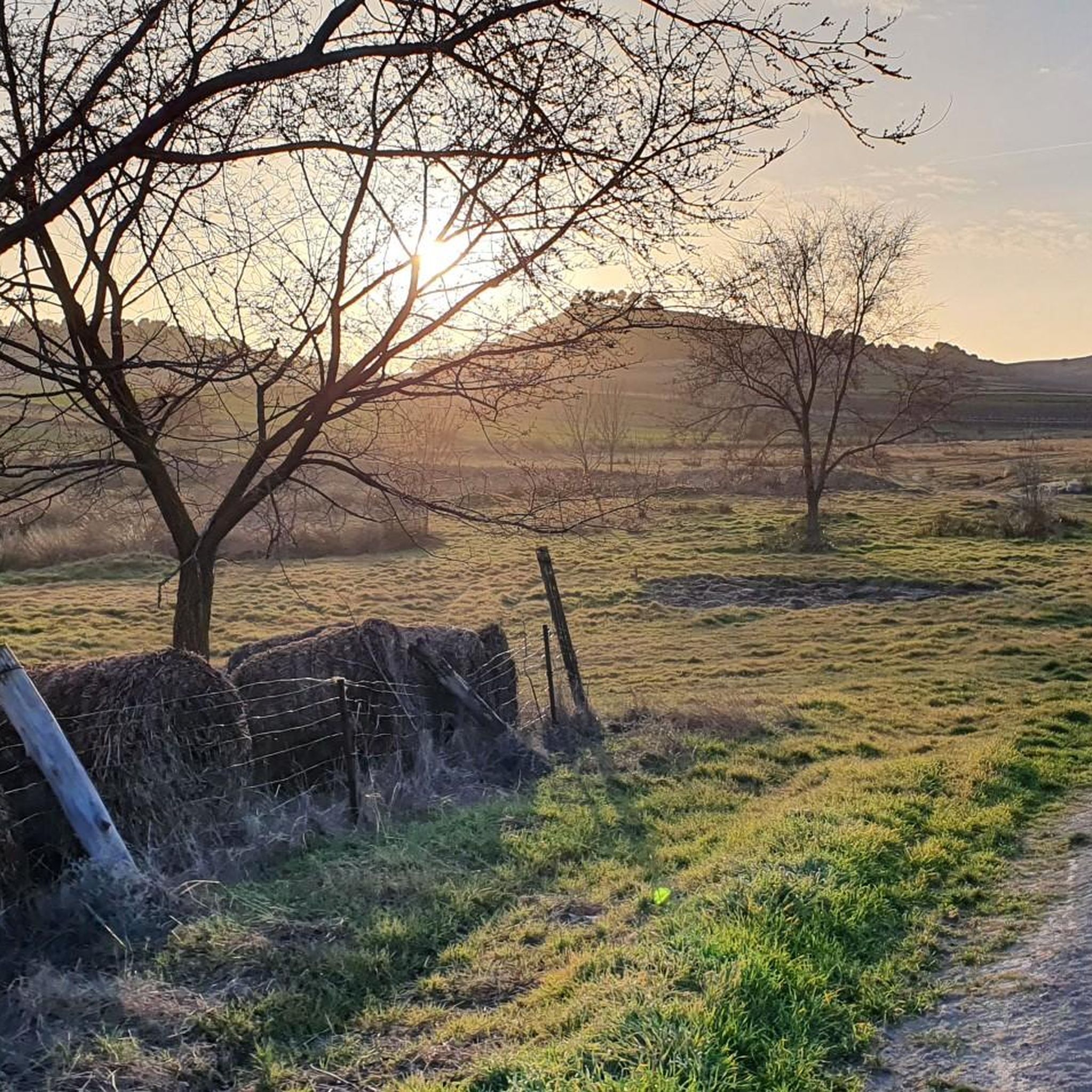
It is a small reservoir on the Bajoz River, a tributary of the Duero. You can go around it, walking or cycling, for a pleasant walk of just over 4 km.
0
0
It is worth the visit. It lasts about 50' and they explain it very well. We visit the monastery and the church. Visiting schedule: FRIDAY: 16:00-17:00-18:00. SATURDAYS: Morning: 10:00 11:00-12:00- 13:00 Afternoon: 16:00-17:00- 18:00 SUNDAYS AND HOLIDAYS: Morning: 10:00-11:00-12:00-13:00 Afternoon: 16:00-17:00-18:00 https://lasantaespina.es/oficina-de-turismo/
0
0

A magnificent and well-preserved 15th-century castle-fortress, Torrelobatón Castle, standing on a formidable hill, dominates the valley below.
1
1

Historical and spiritual treasure dating from the 12th century. The Cistercian monastery captivates with its mix of Romanesque and Gothic architecture. The monastery is known for being a point of pilgrimage and for its charming natural environment, which invites reflection and tranquility.
1
0
The Castillo de los Comuneros de Torrelobatón, built in the 13th century, is an architectural treasure. It was built with the aim of monitoring the entire Hornija valley. This imposing castle-fortress was the scene of the Battle of Villalar and represents an important symbol of the resistance of the community members. Its robust walls and towers offer impressive views of the surroundings. Currently, the castle has become a place of tourist and cultural interest.
2
0

This is an amazing and beautiful historical site. It is obtained from the relic relics that have been housed in one of its chapels for almost nine centuries.
0
0
Frequently Asked Questions
What historical sites can I visit around San Pelayo?
The region around San Pelayo is rich in history. You can explore the 12th-century Monastery of La Santa Espina, which houses a relic believed to be a thorn from the crown of Christ. Another significant historical site is the Church of Santa María de Wamba, a historic place in the province of Valladolid. Additionally, the Church of the Immaculate Conception of Castromonte stands on the remains of an ancient Roman fortress.
Are there any significant religious buildings in the area?
Yes, San Pelayo is known for its religious buildings. Key sites include the Church of Santa María de Wamba, a historic church in Valladolid, and the Monastery of La Santa Espina, a 12th-century sanctuary. You can also visit the unique Ossuary of the Order of Saint John in Wamba, known for its collection of bones and skulls.
Where can I find natural attractions or scenic views?
For natural beauty, visit the Bajoz River Reservoir, a small reservoir offering a pleasant walk or cycling route of just over 4 km. The Cerrato region, where the Monasterio de San Pelayo de Cerrato is located, features an exceptional natural environment with holm oak forests, dryland crops, and eleven springs feeding the Arroyo del Maderón, offering rich biodiversity.
Are there opportunities for hiking or cycling near these attractions?
Absolutely. You can enjoy various outdoor activities. For hiking, consider routes like the 'Embalse de la Espina — circular desde el Monasterio de la Santa Espina' or 'La Santa Espina from Castromonte — circular by the Senda del Embalse del Río Bajoz (SL-VA 74)'. Cyclists can explore routes such as 'Montes Torozos Castles and Monasteries Loop' or 'Torrelobatón Castle – 💧Water source loop from Wamba'. You can find more details on these and other routes in the Hiking around San Pelayo and Cycling around San Pelayo guides.
What kind of natural landscapes can I expect in the Cerrato region?
The Cerrato region, particularly around the Monasterio de San Pelayo de Cerrato, is characterized by an undulating landscape of limestone moors and green plains. It features holm oak forests, dryland crops, and several springs. This area offers a rich biodiversity, making it ideal for nature lovers to explore local flora and fauna.
Are there family-friendly attractions around San Pelayo?
Yes, several attractions are suitable for families. The Monastery of La Santa Espina and the Church of Santa María de Wamba are historical sites that can be interesting for all ages. The Bajoz River Reservoir offers a pleasant and easy walk or cycling route, perfect for a family outing.
What do visitors enjoy most about the attractions around San Pelayo?
Visitors appreciate the blend of historical and natural sites. The Church of Santa María de Wamba is noted for its historic significance and being surrounded by roads with minimal traffic. The Monastery of La Santa Espina is revered for its ancient relic and architectural beauty. The Bajoz River Reservoir is enjoyed for its scenic and accessible walking/cycling path.
Can I see Romanesque architecture in San Pelayo?
Yes, the region offers examples of Romanesque architecture. The Church of Santa María de Wamba is a notable historic religious building. Further afield, the San Pelayo Cathedral in Castile and Leon is an impressive 11th-century Romanesque building, and the Iglesia San Pelayo de Puentedey in Burgos Province is also a Romanesque church.
Are there any unique 'hidden gems' to discover?
Beyond the main attractions, consider exploring the Ossuary of the Order of Saint John in Wamba, a truly unique and somewhat strange historical site. The natural bridge of Puentedey, known as 'Pont de Dieu' (God's Bridge), carved by the Nela River, is another spectacular and less-known natural marvel.
What is the best time to visit San Pelayo?
While specific seasonal recommendations vary by activity, generally, spring and autumn offer pleasant weather for exploring both historical sites and natural landscapes in the Castile and Leon region. These seasons avoid the intense heat of summer and the colder temperatures of winter, making outdoor activities and sightseeing more comfortable.
What is the significance of the Monastery of La Santa Espina?
The Monastery of La Santa Espina is a 12th-century sanctuary that owes its name to a relic believed to be a thorn from the crown of Christ. This relic has been housed in one of its chapels for almost nine centuries and remains an object of veneration, drawing visitors interested in its religious and historical importance.
Most popular routes around San Pelayo

Get inspired with the komoot mobile app


Explore more
Still not found the Highlight you’re looking for? See guides of the top attractions in other regions:
