The best cycling routes around Umbrías
4.7
(25)
163
riders
20
rides
Touring cycling routes around Umbrías traverse a landscape characterized by mountainous terrain, river valleys, and historic sites in the province of Ávila, Spain. The region features routes that often include passes, bridges, and views of castles, reflecting its historical and geographical context. These routes offer varied elevation profiles, from river-adjacent paths to more challenging ascents into the surrounding hills.
Best touring cycling routes around Umbrías
- The most popular touring cycling route is Castillo de Valdecorneja, puente del Tormes y Puerto…
Last updated: June 24, 2026
4.5
(4)
8
riders
Moderate bike ride. Good fitness required. Mostly paved surfaces. Suitable for all skill levels.
12
riders
77.6km
05:20
1,310m
1,310m
Hard bike ride. Very good fitness required. Mostly paved surfaces. Suitable for all skill levels.

Sign up for free
5.0
(3)
11
riders
Hard bike ride. Very good fitness required. Mostly paved surfaces. Suitable for all skill levels.
3.0
(1)
10
riders
50.1km
03:24
780m
780m
Hard bike ride. Very good fitness required. Mostly paved surfaces. Suitable for all skill levels.
9
riders
100km
07:29
2,300m
2,300m
Hard bike ride. Very good fitness required. Mostly paved surfaces. Suitable for all skill levels.
Get access to more routes and recommendations from other explorers.
Sign up for free
Already have an account?
Our route recommendations are based on thousands of hikes, rides, and runs completed by other people on komoot.
Start today with a free account
Your next adventure awaits.
Login or Signup
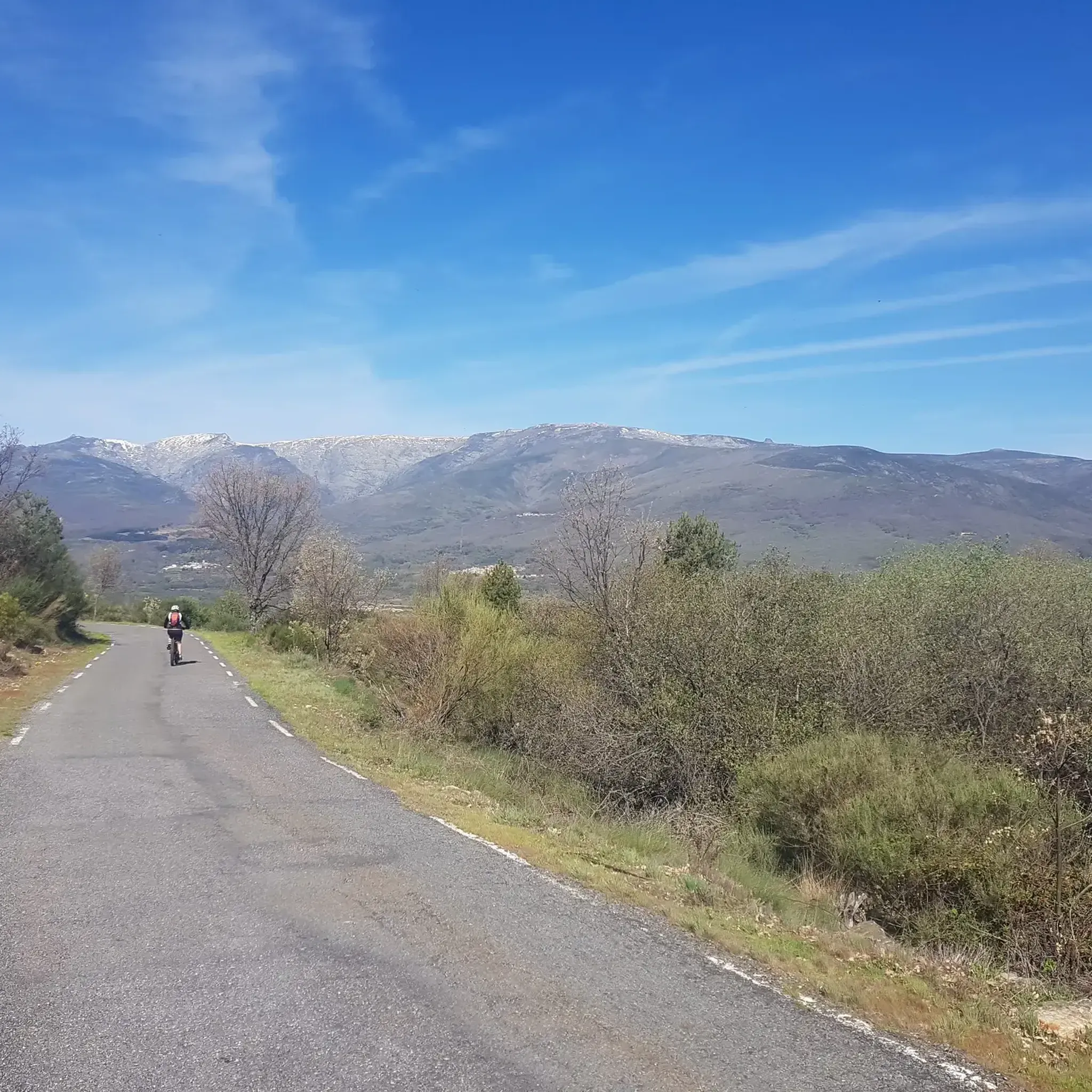
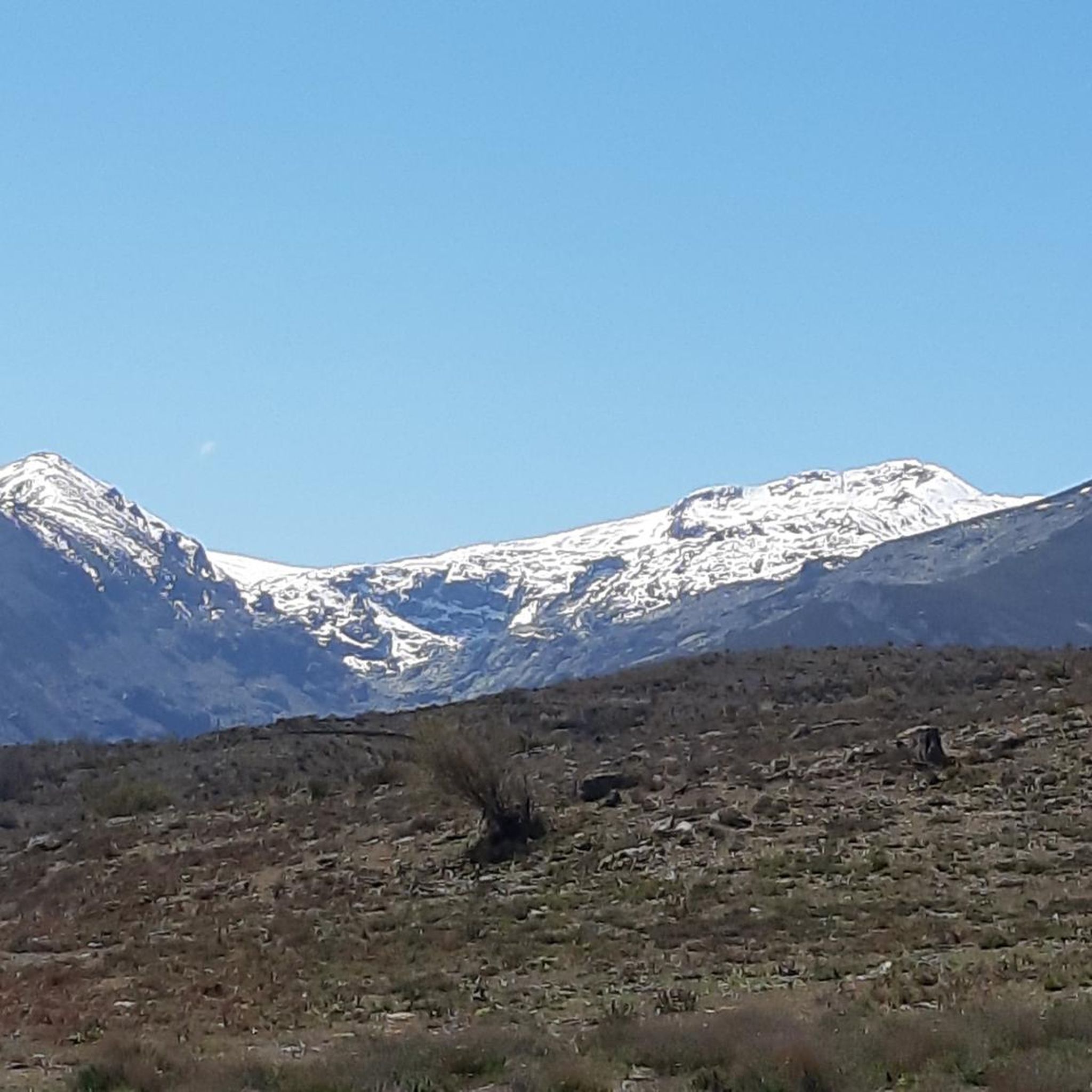
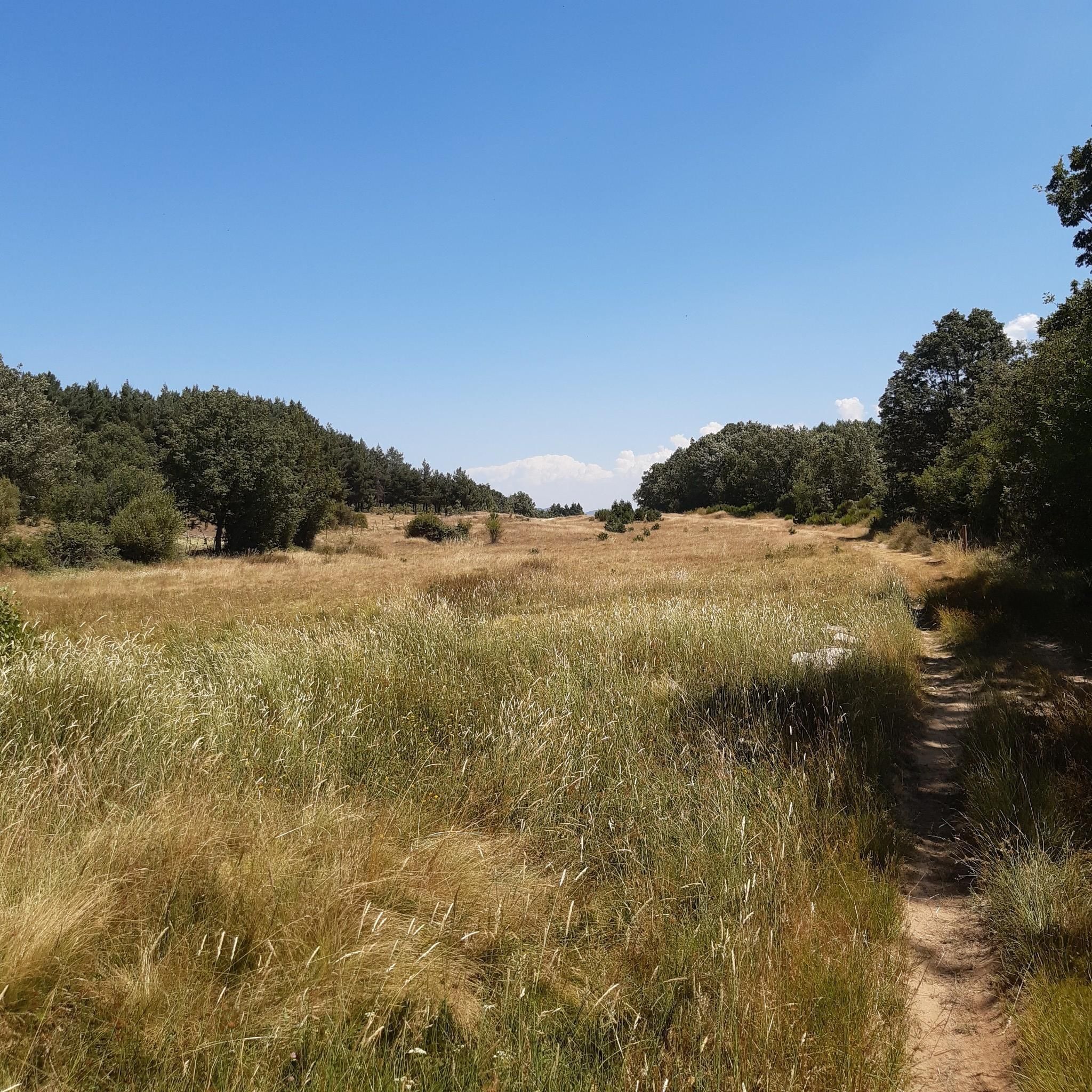

Tips from the Community

The Old Bridge of El Barco de Ávila, also known as the Medieval Bridge, is one of the most representative symbols of this town in Ávila. It crosses the Tormes River and connects the historic center with the old communication route to Castile and León. Although its current structure is medieval (12th–13th centuries), it is believed to have been built on Roman foundations.
1
0
The Old Bridge of El Barco de Ávila, also known as the Medieval Bridge, is one of the most representative symbols of this town in Ávila. It crosses the Tormes River and connects the historic center with the old communication route to Castile and León. Although its current structure is medieval (12th–13th centuries), it is believed to have been built on Roman foundations.
2
0
Valdecorneja Castle, located in El Barco de Ávila, is a medieval gem that dominates the Tormes River valley from a strategic, elevated position. It is one of the most emblematic monuments in the province of Ávila and a must-see for history and architecture lovers.
2
0
Visiting El Barco de Ávila is an excellent option for a cultural and natural getaway at any time of year. This medieval town, located in the Alto Tormes region and at the gateway to the Sierra de Gredos, combines history, architecture, landscapes, and gastronomy in a charming way.
2
0

Uneven road but ideal for emery
0
0

Built on a Vettonian fort that was destroyed by the Romans, it was built in the 12th century and rebuilt in the 14th century. After being conquered from the Arabs, King Alfonso VI donated the Lordship of Valdecorneja to his daughter and son-in-law, Ramon de Borgoña, for repopulation. At the beginning of the 14th century, Henry II of Trastamara donated these lands to the House of Alba in the person of Don García Álvarez de Toledo. The House of Alba was responsible for building the castle. Grand Duke Don Fernando Álvarez de Toledo had his second residence here. During the Peninsular War, it suffered significant deterioration, not only due to the war itself but also because its stones were used to build private homes. The old interior arcade (which apparently formed a double gallery on the inside of the tower) was dismantled and rebuilt to provide arcades for the town hall building, located in the Plaza Mayor. Between 1851 and 1904, the interior of the castle grounds was used as a municipal cemetery, which further deteriorated its condition. Today, the exterior is in perfect condition after restorations carried out in 1985 and 2004, preserving its original perimeter. The pavement and part of the keep were repaired. Access to the monument is free, and visitors can see the well located in the center of the courtyard, a vaulted cistern excavated in the subsoil rock, and the ancient windows and oriel windows with double pointed arches. The courtyard is used for certain cultural events held in this town.
1
0

The bullring of the city of Béjar, in the province of Salamanca (Spain), better known as La Ancianita, is the oldest bullring preserved in Spain, inaugurated in 1711.2 Located on the Castañar mountain next to the Sanctuary of the Virgen del Castañar, two kilometers from Béjar.3
0
0
Frequently Asked Questions
How many touring cycling routes are available in Umbrías?
There are 17 touring cycling routes around Umbrías, offering a variety of experiences for cyclists. These routes are highly rated by the komoot community, with an average score of 4.6 stars.
What is the best time of year for touring cycling in Umbrías?
Umbrías, located in the province of Ávila, Spain, experiences varied weather. Spring and autumn generally offer the most pleasant conditions for touring cycling, with milder temperatures and beautiful landscapes. Summers can be hot, especially in the valleys, while winters can be cold, particularly at higher elevations.
Are there any family-friendly touring cycling routes in Umbrías?
While the guide data indicates a majority of routes are moderate to difficult, the region's river valleys and historic sites suggest that some sections might be suitable for families. For a moderate option that includes historical landmarks, consider the Castillo de Valdecorneja, puente del Tormes y Puerto de Umbrías — circular desde El Barco de Ávila, which is 17.6 miles (28.3 km) long.
Are there any circular touring cycling routes in Umbrías?
Yes, many touring cycling routes in Umbrías are designed as loops, allowing you to start and end in the same location. Examples include the popular Castillo de Valdecorneja, puente del Tormes y Puerto de Umbrías — circular desde El Barco de Ávila, the challenging El Barco de Ávila – Valdecorneja Castle loop from El Barco de Ávila, and the Valdecorneja Castle – El Barco de Ávila loop from Los Loros.
What kind of natural features or landmarks can I expect to see along the routes in Umbrías?
Touring cycling routes in Umbrías often feature a mix of natural beauty and historical sites. You can expect to see river valleys, mountainous terrain, and historic castles like Valdecorneja Castle. The area also boasts several natural monuments and lakes, such as Garganta de la Nava, Laguna de la Nava, and the Viewpoint of the Puerto de Tornavacas.
Are there routes suitable for advanced touring cyclists looking for a challenge?
Absolutely. Umbrías offers several challenging routes with significant elevation gain, perfect for advanced touring cyclists. For instance, the El Barco de Ávila – Valdecorneja Castle loop from El Barco de Ávila is a difficult 48.2 miles (77.6 km) path with over 1300 meters of ascent. Another demanding option is the Valdecorneja Castle – El Barco de Ávila loop from Nava del Barco, covering nearly 50 km with substantial climbs.
What do other cyclists say about touring cycling in Umbrías?
The touring cycling routes in Umbrías are highly regarded by the komoot community, holding an average rating of 4.6 stars from over 20 reviews. Cyclists often praise the diverse terrain, which includes river valleys, historic castles, and mountain passes, providing varied experiences for all skill levels.
Can I bring my dog on touring cycling routes in Umbrías?
While many outdoor areas in Spain are dog-friendly, it's always best to check local regulations for specific trails, especially those passing through protected natural areas or private land. Generally, dogs on a leash are welcome on public paths, but ensure they are well-behaved and that you carry waste bags.
How can I access the touring cycling routes in Umbrías using public transport or where can I park?
Many routes in Umbrías, such as those starting from El Barco de Ávila, are accessible by car, with parking often available in or near the starting towns. For public transport, regional bus services connect towns within the province of Ávila, but options for transporting bicycles may be limited. It's advisable to check specific bus routes and their bicycle policies in advance.
Are there any cafes or places to stop along the touring cycling routes in Umbrías?
The routes in Umbrías often pass through or near charming villages and towns like El Barco de Ávila. These locations typically offer opportunities to stop for refreshments, find cafes, restaurants, and sometimes accommodation. Planning your route to include these stops can enhance your cycling experience.
What is the general difficulty level of touring cycling routes in Umbrías?
The touring cycling routes in Umbrías offer a range of difficulties. Out of 17 routes, 6 are classified as moderate, and 11 are considered difficult. This indicates that while there are options for those seeking a moderate ride, the region is particularly well-suited for cyclists looking for challenging ascents and significant elevation changes.
What wildlife might I spot while cycling in Umbrías?
The natural landscapes of Umbrías, with its river valleys and mountainous areas, are home to various wildlife. Depending on the season and specific location, you might spot birds of prey, deer, or smaller mammals. The region's biodiversity is part of its appeal for outdoor enthusiasts.
Are there any specific viewpoints along the touring cycling routes in Umbrías?
Yes, the mountainous terrain of Umbrías provides numerous opportunities for scenic viewpoints. A notable one is the Viewpoint of the Puerto de Tornavacas, which offers expansive vistas of the surrounding landscapes. Many routes with significant elevation gain will naturally lead to elevated positions with great views.
Most popular attractions around Umbrías

Get inspired with the komoot mobile app


Explore more
Browse the best Cycling routes in other regions.
