Attractions and Places To See around El Carpio - Top 20
Attractions and places to see around El Carpio, a town approximately 30 kilometers east of Córdoba, offer a blend of historical landmarks, cultural sites, and natural features. Its strategic location by the Guadalquivir River and historical significance have shaped its points of interest. The area provides opportunities to explore ancient structures, historic churches, and river-side locations.
Best attractions and places to see around El Carpio
- The most popular attractions is Puente Mocho, a bridge that is a Roman bridge…
Last updated: August 23, 2026
Puente Mocho
Highlight • Bridge
Showing Translation
Tip by

Villafranca Iron Bridge
Highlight • Bridge
Translated by Google •
Tip by

Sign up now to discover places like this
Get recommendations on the best single tracks, peaks, & plenty of other exciting outdoor places.
Sign up for free
Fountain in Montoro
Highlight • Monument
Translated by Google •
Tip by

Los Cansinos Straight Road
Highlight (Segment) • Cycleway
Translated by Google •
Tip by
Sierra Morena Viewpoint
Highlight • Viewpoint
Translated by Google •
Tip by

Sign up for free to discover even more attractions around El Carpio.
Sign up for free
Already have an account?
Start today with a free account
Your next adventure awaits.
Login or Signup

Tips from the Community

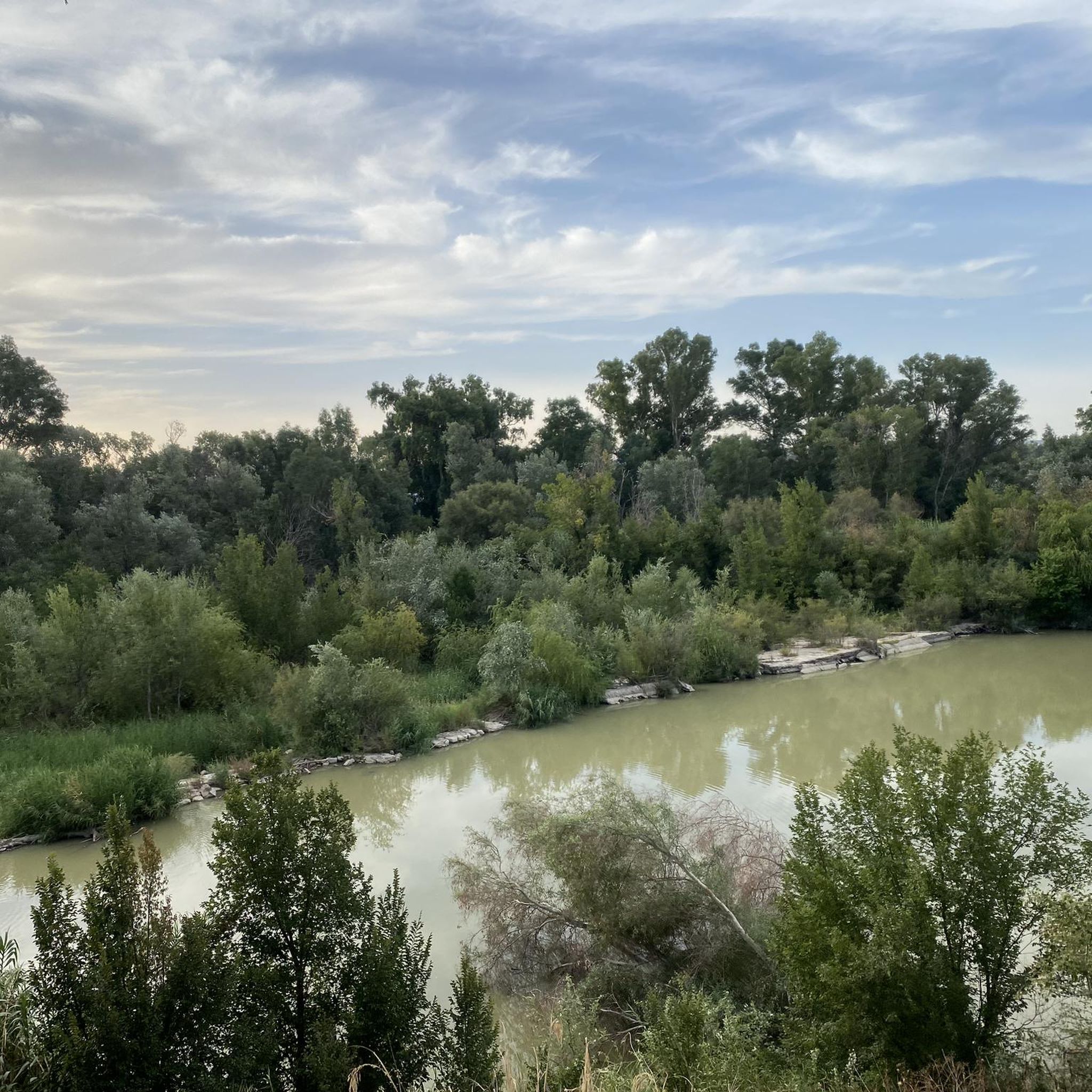
A metal bridge crosses the Guadalquivir River on the outskirts of Villafranca de Córdoba. Built in the late 19th century, it is notable for its riveted iron structure, typical of the engineering of that era.
0
0

The Mocho bridge is located in Alcolea, within the municipality of Córdoba, and crosses the Guadalmellato river near its mouth in the Guadalquivir. It is a Roman bridge that was part of the Via Augusta, the great road that connected Cádiz with the Pyrenees passing through Córdoba.
4
0

El Puente Mocho connects the CH-1 road with the CO-3103 road which will take us to the town of Villafranca de Córdoba. It is a route frequently used by cyclists as its asphalt is in good condition and its low volume of motor vehicles makes it very safe. The route is winding with continuous ups and downs, it is a perfect area to train on.
0
0

Municipality located to the east of the province of Córdoba, on the border with Jaén. Most of it is located in the foothills of Sierra Morena, making the Guadalquivir River the border with the countryside. Therefore, the mountains, the river and the countryside are the three elements that determine the landscape. The first is part of the Sierra de Cardeña y Montoro Natural Park, and in it we can find vegetation of holm oaks, wild olive trees, stone and maritime pines and a population of melojo oak, rare in Andalusia. It is also an area of great fauna, hunting and livestock value. The second, which surrounds the town, is the axis of the landscape, life and history of the town; Due to the beauty of the meander, it is also known as the Andalusian Toledo. The third, populated by olive trees, places us in a truly Cordoba environment. The town, with an Iberian, Greek, Roman, and Muslim past, is located on a small elevation that dominates the course of the river that divides it into two neighborhoods, offering an unmistakable image. Declared a Historic-Artistic Site in 1969, it brings together a multitude of attractions and tourist attractions to visit, such as the bridge over the river, the Church of San Bartolomé, the Casa de las Tercias, its steep streets of white houses, or the Torre de Villaverde. Its Holy Week, declared of Tourist Interest, reaches its greatest splendor on the afternoon of Holy Thursday with the presence of the Roman Empire. It is one of the towns included in the Baético Romana Route.
0
0
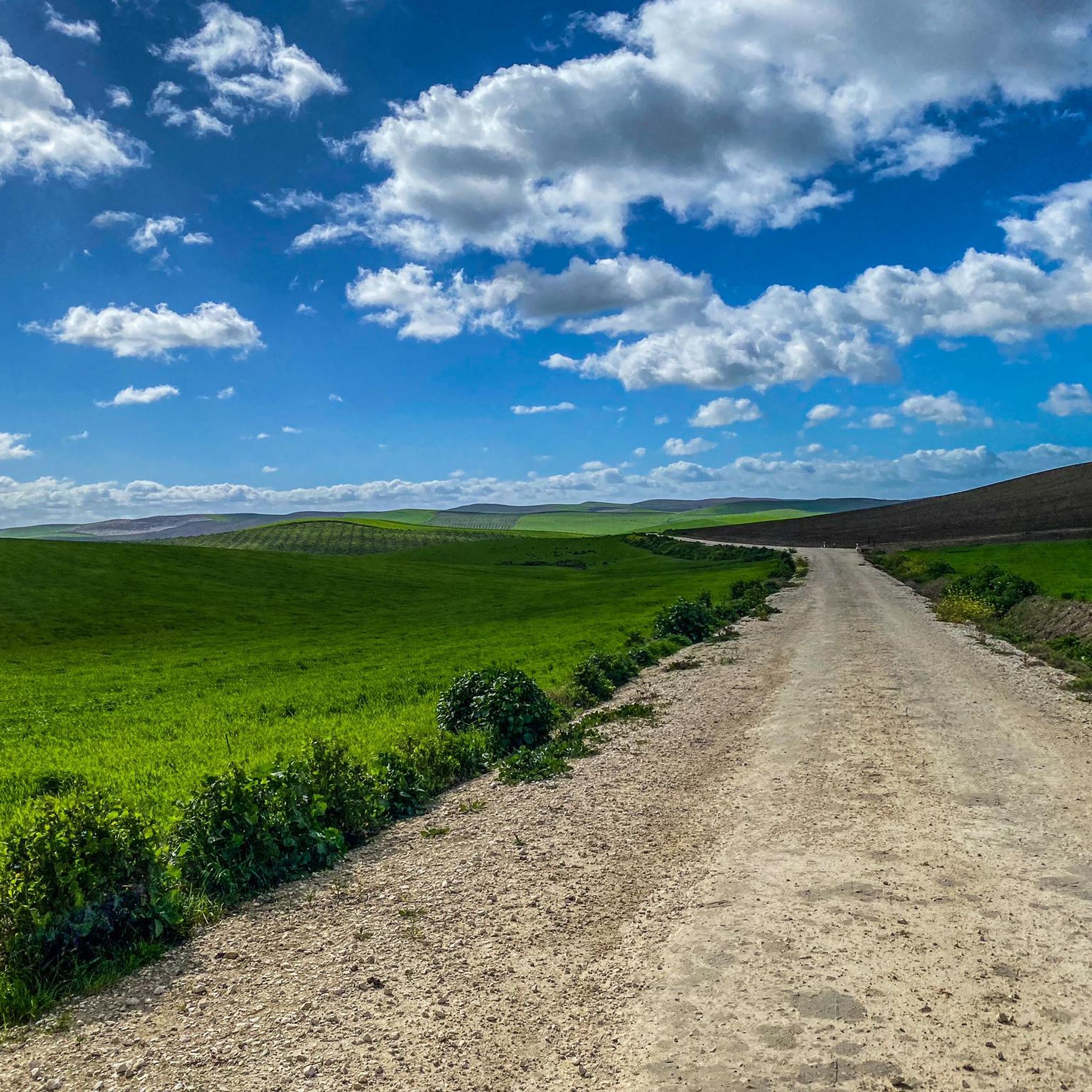
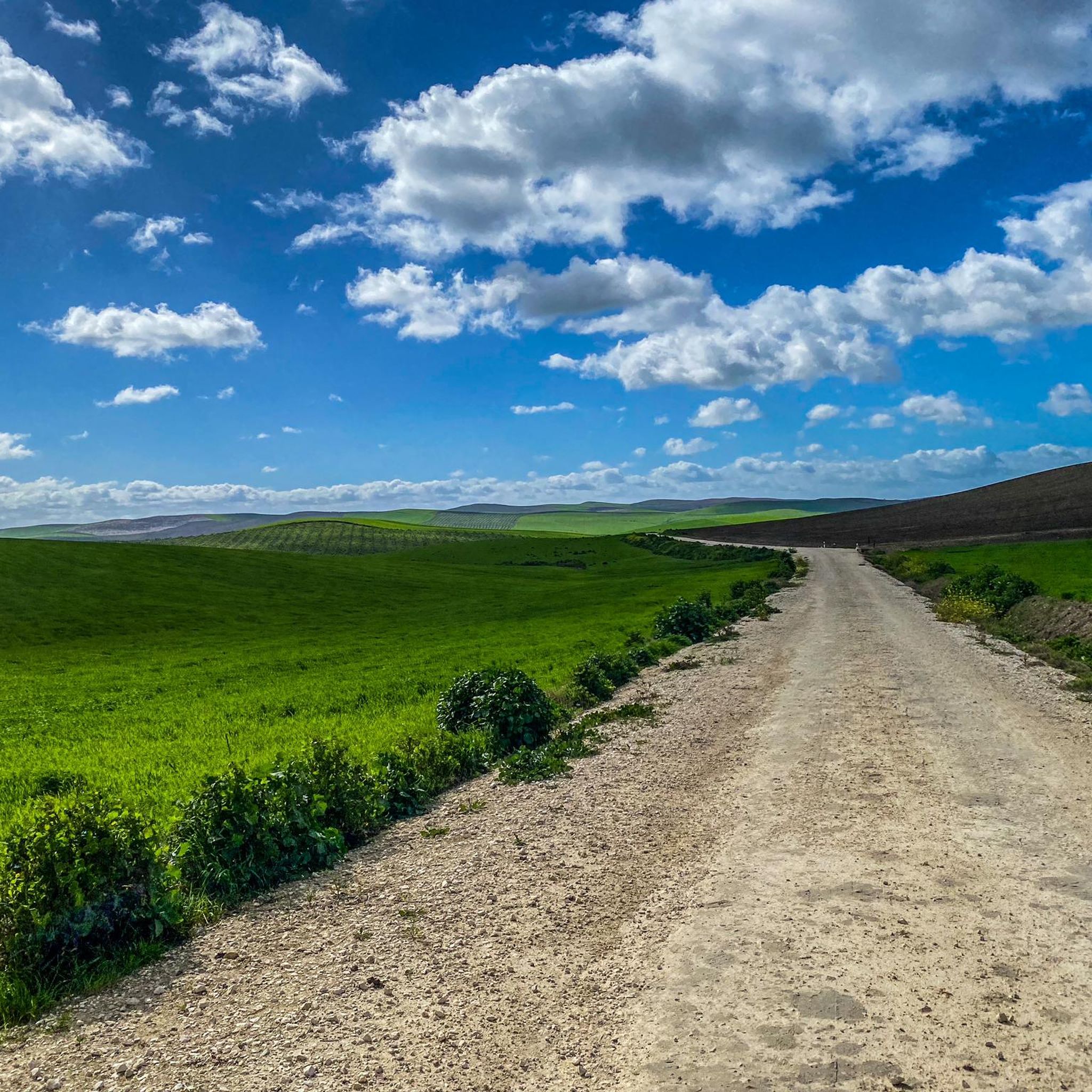
This 7 km straight is a common passage for road cyclists, connecting the town of Alcolea de Córdoba, with the A-4 service road, a frequent passage for cyclists.
0
0
Puente de los Remedios welcomes us to the town of Villafranca de Córdoba, this bridge crosses the Guadalquivir River, in the surroundings of this bridge there is a recreational area and a small pier.
0
0
Flat straight line where the wind usually blows on the way out or on the way back.
0
0

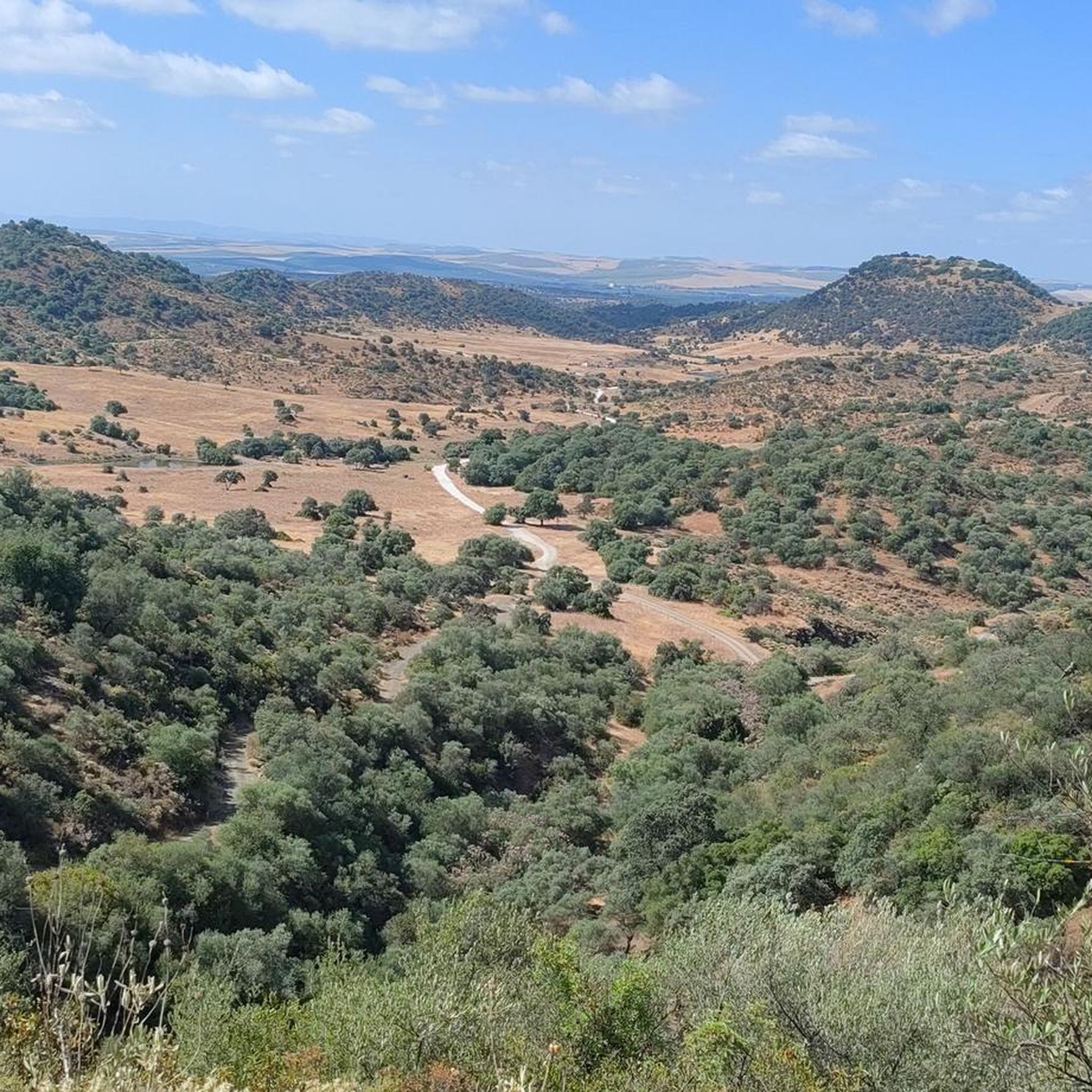
One of the most beautiful viewpoints is the Sierra Morena Cordoba. In the background you can see the town of Adamuz.
2
0
Frequently Asked Questions
What historical landmarks can I explore in El Carpio?
El Carpio boasts several significant historical landmarks. The most emblematic is the Torre de Garci Méndez, a 14th-century Mudejar-style tower that was once the keep of the ancient castle and now houses the Municipal History Museum. You can also visit the Nuestra Señora de la Asunción Parish, which contains an 18th-century altarpiece and the crypt of the Marquises of El Carpio. The Duke Palace (Palacio Ducal), built in 1671, is another notable site, now used for cultural activities.
What natural features are prominent around El Carpio?
The Guadalquivir River is a central natural feature, offering opportunities for recreation and providing small forest areas that serve as refuges for waterfowl. You can also find a historic Water Hoist from the 16th century near the river, designed to lift water for agriculture. Additionally, a significant dam and power station on the Guadalquivir, located between El Carpio, Pedro Abad, and Adamuz, is notable for its distinctive horseshoe arch and polygonal tower.
Are there any unique cultural sites or traditions in El Carpio?
Beyond its historical buildings, El Carpio is renowned for its beautiful Patios, which are celebrated even beyond Andalusia. The Municipal Theater, housed in the former castle granary next to the Garci Méndez Tower, serves as a hub for cultural activities. The Plaza del Triunfo features a monument to the Immaculate Conception, erected in 1803, reflecting a local tradition of gratitude.
Are there family-friendly attractions in El Carpio?
Yes, the Villafranca Iron Bridge is considered family-friendly and offers a pedestrianized crossing over the Guadalquivir River. The surrounding area near the bridge also features a recreational area and a small pier, perfect for a family outing. Exploring the historical sites like the Torre de Garci Méndez can also be an engaging activity for families.
What kind of outdoor activities can I do near El Carpio?
The region around El Carpio is excellent for outdoor activities, especially cycling and hiking. You can find numerous routes that take you through scenic landscapes. For cycling, there are routes like the 'Puente Mocho – Los Arenales Bridge loop' or the 'Puente Mocho – Guadalmellato Reservoir loop'. Hikers can explore trails such as 'Villafranca de Córdoba – Iron Bridge' or a 'Hiking loop from Villafranca de Córdoba'. You can find more details on these activities in the dedicated guides for Cycling around El Carpio, Road Cycling Routes around El Carpio, and Hiking around El Carpio.
Are there hiking opportunities around El Carpio?
Yes, there are several hiking opportunities. You can enjoy moderate hikes like the 'Villafranca de Córdoba – Iron Bridge' trail, which is about 9.5 km long. For an easier option, consider the 'Hiking loop from Villafranca de Córdoba', which is around 5.9 km. These routes allow you to explore the natural beauty of the Guadalquivir River banks. Discover more hiking trails in the Hiking around El Carpio guide.
What about cycling routes near El Carpio?
El Carpio is a popular spot for cyclists. The Puente Mocho, a Roman bridge that was part of the Via Augusta, is a common passage for cyclists. Another popular spot is Los Cansinos Straight Road, a 7 km flat stretch frequently used by road cyclists. You can find challenging routes like the 'Puente Mocho – Los Arenales Bridge loop' (147 km) or moderate ones such as the 'Puente Mocho – Guadalmellato Reservoir loop' (67 km). For more options, check the Cycling around El Carpio and Road Cycling Routes around El Carpio guides.
What is the best time of year to visit El Carpio for outdoor attractions?
Given El Carpio's location in Andalusia, spring and autumn generally offer the most pleasant weather for exploring outdoor attractions. Temperatures are milder, making hiking and cycling more comfortable. Summers can be very hot, especially for extensive outdoor activities, while winters are generally mild but can be cooler and wetter.
Are there any viewpoints to enjoy the scenery?
Yes, the Torre de Garci Méndez offers panoramic views of El Carpio and the surrounding area from its top. Additionally, the El Carpio Junction is noted as a viewpoint where you can appreciate the beautiful rolling countryside.
Where can I find unique architectural sites?
Beyond the Torre de Garci Méndez, the San Pedro Chapel (Ermita de San Pedro) near the Guadalquivir River is a tiny chapel with a tunnel vault and plain interior featuring geometric stucco work, with some exterior buttresses dating to the 15th century. The Water Hoist, built between 1561 and 1568, is another unique piece of historical engineering near the river.
What are some lesser-known places to visit in the El Carpio region?
While not a hidden gem in the traditional sense, the Patios of El Carpio are a unique cultural feature that might be overlooked by some visitors. The San Pedro Chapel, with its ancient origins and simple beauty, also offers a tranquil and less crowded experience. Exploring the banks of the Guadalquivir River near areas like 'El Salto' or the Embalse de El Carpio can also lead to peaceful nature observation spots.
How accessible is El Carpio for visitors?
El Carpio is well-connected, situated off the A-4 highway, making it an accessible destination for a side trip from larger cities like Córdoba. The Fountain in Montoro is noted as wheelchair accessible, indicating some infrastructure for accessibility in the broader region.

Get inspired with the komoot mobile app


Explore more
Still not found the Highlight you’re looking for? See guides of the top attractions in other regions:
