Attractions and Places To See around Cabra - Top 20
Best attractions and places to see around Cabra include a rich tapestry of historical, cultural, and natural sites. This municipality is nestled in the foothills of the Sierras Subbéticas Natural Park in Córdoba, Spain. Visitors can explore ancient landmarks, admire Baroque architecture, and enjoy the landscapes of Andalusia, characterized by limestone formations and olive orchards. The region offers a blend of historical monuments and natural features for exploration.
Best attractions and places to see around Cabra
- The most popular attractions…
Last updated: October 9, 2026
Doña Mencía Station
Highlight • Rest Area
A few meters from the passenger building …
Translated by Google •
Tip by

Zuheros Castle
Highlight • Castle
Translated by Google •
Tip by

Sign up now to discover places like this
Get recommendations on the best single tracks, peaks, & plenty of other exciting outdoor places.
Views of Zuheros Castle from the viaduct
Highlight • Viewpoint
Translated by Google •
Tip by
Zuheros is a beautiful place.
Highlight • Settlement
Translated by Google •
Tip by
Fuente del Río
Highlight • Natural Monument
Translated by Google •
Tip by

Sign up for free to discover even more attractions around Cabra.
Already have an account?
Start today with a free account
Your next adventure awaits.
Tips from the Community

El Castillo de Zuheros is a historic fortress in the small municipality of Zuheros. The castle sits spectacularly on a rock and has become a landmark of the region. The castle's origins date back to the Moors in the 9th century. It was strategically built on a limestone cliff to control and defend the region. Its location made it almost impregnable.
0
0

The Zuheros Viaduct crosses the embedded bed of the Bailón River. It has a length of 104 meters resolved into two lateral sections of 31.5 meters and a central section of 41.0 meters. Its structure is metallic and is very similar to that of the Guadajoz River Viaduct. It seems that both projects were drawn up by the same engineers, Alessandri and Delaperrière.
9
0
The Fuente del Río in Cabra, is a picturesque natural park considered the origin of the Río Cabra. The park combines the natural beauty of a karst spring with landscaped gardens and a diverse tree landscape. It was declared a “Sitio de Interés Natural” in 1929 and today offers recreational areas and picnic areas for visitors. The spring rises at the foot of the Sierra de Cabra, an area with high rainfall and calcareous rock that leads to the formation of such karst springs. The water flows through a series of waterfalls and artificial springs and supplies the entire municipality. The Fuente del Río is part of the “Ruta del Agua” in the Subbética Cordobesa and offers a harmonious interplay of nature and human design. The park is a popular place for locals and visitors who want to enjoy the tranquility and beauty of this unique place. A visit to the Fuente del Río offers the opportunity to experience the natural beauty of the region and explore the origins of the Río Cabra.
3
0
El Castillo de Zuheros stands spectacularly on a rock and offers impressive views of the Sierra Subbética. The castle is a major landmark in the region. The castle's origins date back to the Moors in the 9th century. It was strategically built on a limestone cliff to control and defend the region. Its location made it almost impregnable. It was part of a network of castles designed to secure Moorish influence in Andalusia. In 1240, Zuheros was conquered by the troops of Ferdinand III of Castile. The castle passed into Christian ownership and was integrated into the kingdom's defensive structure. With the end of its military importance in the region, after the conquest of Granada in 1492, the castle began to decline in importance. Parts of the complex were destroyed by earthquakes and neglect over the centuries. In 1964, the towers were reconstructed as they can be seen in their current form. The ruins of the castle are now one of the main attractions of Zuheros and can be visited.
9
0
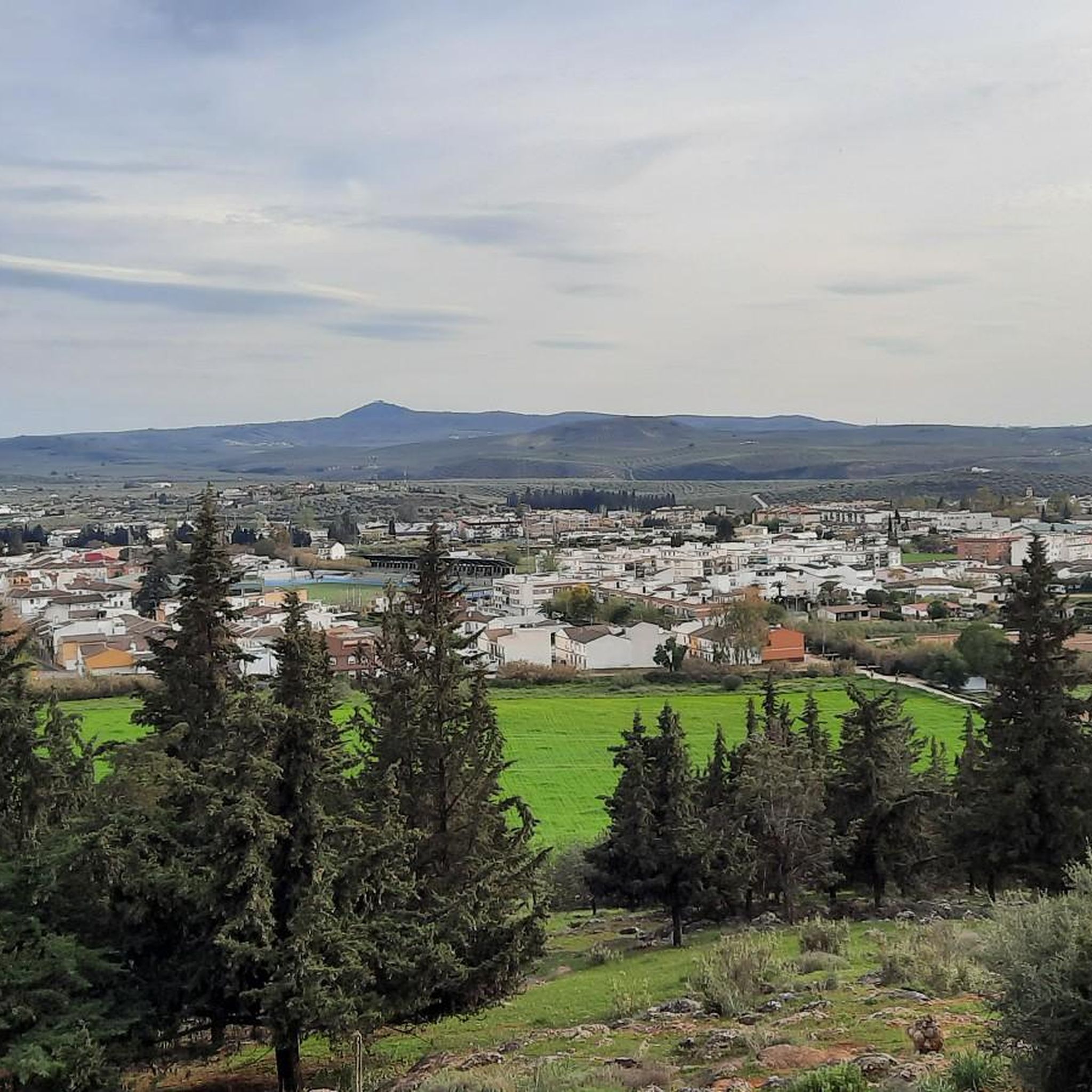
El Castillo de Zuheros is a historic fortress in the small municipality of Zuheros. The castle sits spectacularly on a rock and has become a landmark in the region. The castle's origins date back to the Moors in the 9th century. It was strategically built on a limestone cliff to control and defend the region. Its location made it almost impregnable. The viaduct is a historic remnant of the old railway line and offers an elevated platform with unobstructed views of the surrounding landscapes. The section near Zuheros is particularly spectacular as the viaduct crosses a gorge through which the Bailón River flows. From here, Zuheros Castle rises majestically above the village, embedded in a rock. The castle seems to be one with the landscape as it is integrated directly into the limestone. The view of Zuheros Castle from the viaduct is a perfect example of the unique combination of nature and history that characterizes the Córdoba region. It is a moment that makes every bike ride along the Vía Verde unforgettable.
9
0
The Doña Mencía station is the only one of the stations that we will find along the nature trail, built on one floor. A few meters from the passenger building and on the same side of the road, there is a building that has been rehabilitated as a bicycle center. This is the old freight dock of the station. The goods were located on open-air docks or other covered docks, depending on their economic value or characteristics. The closed docks consisted of open roof naves, with a small office for the clerk who was responsible for the delivery notes. On one side, the wagons were loaded or unloaded, while on the other side, the vehicles that arrived by road did so. In order to protect the goods during loading and unloading, these buildings were designed with a gable roof that ends in two large lateral overhangs.
10
0
The Zuheros viaduct crosses the embedded bed of the Bailón River. It has a length of 104 metres. Its structure is made of metal and is very similar to that of the Guadajoz River viaduct. A few metres away is the old Zuheros stop, a small building, very sober and functional. This building, smaller than the station, allowed the entry and exit of goods and passengers. A cobblestone in front of the façade served as a platform. From here you have a good view of the castle.
10
0
The remains date from two different periods. The massive, crenellated square tower is of Moorish origin, while the remains of the Renaissance palace date from the 16th century. At the same time, the Plaza de la Paz offers a natural viewpoint (622m), with shooting views** over the hills with their carpet of olive groves and Baena in the background.
11
0
Frequently Asked Questions
What historical sites can I explore in Cabra?
Cabra offers a rich history, with the Castle of the Counts of Cabra being a significant landmark, showcasing its Andalusí origins and strategic importance. While exploring the town, you can also discover the ancient Puerta del Sol gateway, surrounded by ancestral homes, and wander through the oldest neighborhoods of La Villa and El Cerro, known for their picturesque streets.
Are there any notable churches or religious sites in Cabra?
Yes, Cabra is home to several impressive Baroque churches. The Church of Nuestra Señora de la Asunción y Ángeles, built on a former mosque, is known for its grandeur and 42 marble columns. Another significant site is the Church of San Juan Bautista, featuring a Mudejar-style tower and offering spectacular views from its location in the El Cerro neighborhood. Additionally, the Hermitage of the Virgen de la Sierra, located at the top of Sierra de Cabra, is a significant Marian sanctuary with breathtaking panoramic views.
What natural attractions are there near Cabra?
Cabra is an excellent gateway to the Sierras Subbéticas Natural Park, characterized by its stunning limestone landscapes and olive orchards. Just a kilometer from the town center, you'll find Fuente del Río, a natural spring and declared Place of Natural Interest, offering lush vegetation and walking trails. The park also features impressive geological formations like El Picacho, La Nava, and Sima de Cabra.
Where can I find the best panoramic views around Cabra?
For spectacular views, head to the Hermitage of the Virgen de la Sierra, situated at over 1,200 meters above sea level, offering extensive vistas of the Sierras Subbéticas Natural Park. Another excellent spot is the Castle of the Counts of Cabra, which provides panoramic views over the surrounding countryside. Don't miss the impressive perspective of Views of Zuheros Castle from the viaduct, where the castle appears integrated into the limestone landscape.
Are there family-friendly activities or places to visit in Cabra?
Families can enjoy the natural beauty and walking trails at Fuente del Río, a natural spring with picnic areas. The Vía Verde de la Subbética, a converted railway line, is perfect for family cycling or hiking outings. The picturesque village of Zuheros, with its castle and charming streets, also offers a delightful experience for all ages.
What museums are available in Cabra?
Cabra hosts several museums that delve into the region's heritage. The Municipal Archaeological Museum, housed within the historic Palace of the Counts of Cabra, traces the area's cultures from prehistory to Roman and Islamic times. The Natural History Museum Aguilar y Eslava preserves the rich pedagogical and historical heritage, while the Olive Oil Museum "El Molino Viejo" guides visitors through the history and methods of olive oil extraction in a 19th-century industrial building.
What outdoor activities can I do near Cabra's attractions?
The area around Cabra is ideal for active tourism. You can enjoy cycling or hiking along the Vía Verde de la Subbética, a former railway line passing through olive groves and mountains. For more specific routes, consider hiking trails like the Enrique Triano Trail or exploring the Poljé de la Nava de Cabra. Cyclists can find various cycling routes, including those that incorporate sections of the Vía Verde del Aceite.
Are there any unique or 'hidden gem' attractions in Cabra?
Beyond the main highlights, Cabra offers charming spots like the Paseo "Alcántara Romero", a beautiful 19th-century garden considered a botanical jewel of Córdoba province, featuring rare plant species. The historic Plaza de Toros, the oldest bullring in the province, inaugurated in 1857, also offers a glimpse into local tradition. Exploring the whitewashed streets and flower-adorned balconies of the El Cerro neighborhood can also feel like discovering a hidden gem.
What is the best time to visit Cabra for sightseeing and outdoor activities?
The best time to visit Cabra is typically during the spring (April to June) and autumn (September to October) months. During these periods, the weather is pleasantly mild, making it ideal for exploring historical sites, enjoying outdoor activities like hiking and cycling in the Sierras Subbéticas Natural Park, and experiencing the town's cultural offerings without the intense heat of summer.
What do visitors enjoy the most about Cabra?
Visitors frequently praise Cabra for its unique blend of history, culture, and natural beauty. The dramatic setting of Zuheros Castle, perched on a cliff, and the picturesque village of Zuheros itself, with its whitewashed houses and flower-filled streets, are often highlighted. The opportunity to explore the stunning landscapes of the Sierras Subbéticas Natural Park and enjoy activities along the Vía Verde also receives high acclaim from the komoot community.
Can I find places to rest or eat along the Vía Verde de la Subbética near Cabra?
Yes, along the Vía Verde de la Subbética, you can find convenient stops. Doña Mencía Station, an old railway station, has been rehabilitated into a restaurant and bicycle center, making it a perfect spot to stop, regain strength, and enjoy local gastronomy. This facility also offers parking, making it a practical starting or ending point for your journey.
Most popular attractions around Cabra

Get inspired with the komoot mobile app


Explore more
Still not found the Highlight you’re looking for? See guides of the top attractions in other regions:
