Attractions and Places To See around Marcilla De Campos - Top 20
Best attractions and places to see around Marcilla De Campos, a town in the province of Palencia, offers a blend of historical, cultural, and natural attractions. The area's history dates back to the Bronze Age, with Roman presence also noted. Marcilla De Campos is conveniently located near the Canal de Castilla and the Camino de Santiago, making it a point of interest for travelers.
Best attractions and places to see around Marcilla De Campos
- The most popular attraction is Quadruple…
Last updated: July 7, 2026
Canal de Castilla
Highlight • River
Translated by Google •
Tip by

Quadruple Lock of the Canal de Castilla
Highlight • Monument
In total, the locks save almost 15 meters of difference in level.
Translated by Google •
Tip by

Sign up now to discover places like this
Get recommendations on the best single tracks, peaks, & plenty of other exciting outdoor places.
Sign up for free
Church of Santa María la Blanca in Villalcázar de Sirga
Highlight • Religious Site
It can be …
Translated by Google •
Tip by

Scenic Section of the Canal de Castilla
Highlight (Segment) • Structure
It coincides with the Camino Frances de Santiago and with the EV1 EuroVelo route.
Translated by Google •
Tip by
Frómista
Highlight • Settlement
Here the itineraries of the Camino de Santiago and the Canal de Castilla intersect, so that it …
Translated by Google •
Tip by
Sign up for free to discover even more attractions around Marcilla De Campos.
Sign up for free
Already have an account?
Start today with a free account
Your next adventure awaits.
Login or Signup


Tips from the Community

A short, pleasant stretch to walk because the water cools the air a little.
1
1

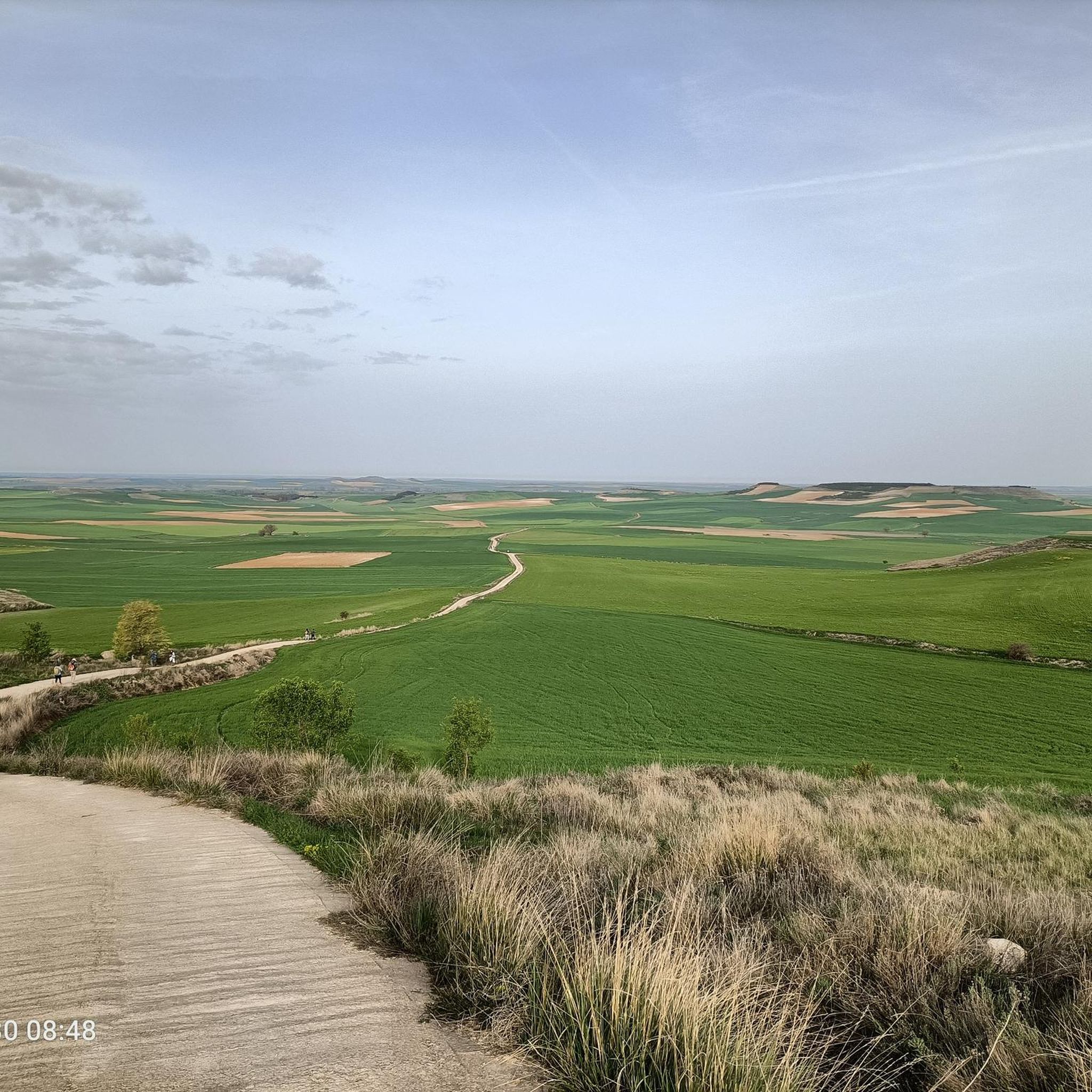
Beautiful sunrise on the Way of St. James
2
1

Santa Maria la Blanca is a temple-fortress of Templar origin dating back to the 12th century.
3
1
The Castile Canal, whose construction began in 1753, was intended to connect Castile to the Atlantic Ocean.
7
0

The Castile Channel (Canal de Castilla) is a historic canal in northern Spain, built between the latter half of the 18th century and the first half of the 19th century. It passes through the provinces of Burgos, Palencia and Valladolid and has a total length of 207 kilometres. The canal was originally built to facilitate the transport of grain from Castile to the ports in the Bay of Biscay, but today it is mainly used for irrigation and tourism.
2
1
The Iglesia de Santa María la Blanca in Villalcázar de Sirga is an important stop on the Camino de Santiago. The church was built at the end of the 12th century, during the transition from Romanesque to Gothic style, and was completed in the 14th century. It is a temple-fortress with a beautiful portal from the 13th century, decorated with an impressive sculptural ensemble. Inside you will find a collection of polychrome tombs from the 13th and 14th centuries, a Gothic altarpiece from the 15th and 16th centuries, and a beautiful image of the Virgen del Rosario. The church is linked to the Order of the Temple and has played an important role as a religious site on the Camino de Santiago.
3
1

The church was built in a transitional style from Romanesque to Gothic. The southern double portal with sculptures of Christ Pantocrator, Tetramorphs and Apostles is particularly noteworthy. The Chapel of St. James, dating from the early 14th century, is also very interesting, as it contains the sarcophagi of Infante Felipe and his wife Leonor Ruíz de Castro. This church also contains the White Virgin 'Virgen Blanca', who was sung about by Alfonso X the Wise in his 'Cantigas' (religious songs). She represented one of the most important religious sites on the Way of St. James.
3
0

It's really nice to drive along the canal here, as the path is well developed and can therefore be easily driven on.
3
2
Frequently Asked Questions
What historical landmarks can I explore in Marcilla de Campos?
Marcilla de Campos boasts a rich history. You can visit the Iglesia de Nuestra Señora de la Asunción, a stone church from the late 16th century featuring a Plateresque altarpiece and 16th-century sculptures. The town is also known for its traditional dovecotes, or palomares, such as the 'Palomar de la Mercedes', which are unique historical structures.
Are there any natural attractions or scenic spots in the area?
Absolutely. The most prominent natural feature is La Laguna, a significant natural lagoon near Marcilla de Campos, known for its beautiful night skies due to the absence of light pollution. Additionally, the Canal de Castilla offers scenic routes for walking and cycling, providing a tranquil natural setting alongside a historic waterway.
What cultural sites are available for visitors?
Marcilla de Campos offers the unique Museo Etnográfico y esculturas / Centro de Interpretación de la Vida Rural. This open-air museum, partly located in the Las Bodegas neighborhood, showcases traditional rural life with tools, machinery, and sculptures made from recycled farm tools. Visitors can use QR codes for information and learn about the region's heritage.
What outdoor activities can I do near Marcilla de Campos?
The area around Marcilla de Campos is ideal for outdoor activities, especially along the Canal de Castilla. You can enjoy hiking, cycling, and mountain biking. For specific routes, consider exploring the hiking trails or MTB trails guides, which feature routes like the 'Fromista and its locks of the Canal de Castilla' for hikers or the 'French Way: Villalcázar de Sirga Loop' for mountain bikers.
Are there family-friendly attractions around Marcilla de Campos?
Yes, several attractions are suitable for families. The Quadruple Lock of the Canal de Castilla is an impressive engineering marvel that can be fascinating for all ages. The Scenic Section of the Canal de Castilla is also a pleasant area for family walks or bike rides. The Museo Etnográfico y esculturas, with its animated sculptures and interactive elements, offers an engaging experience for children and adults alike.
What is the best way to experience the Canal de Castilla?
The Canal de Castilla is best experienced by walking or cycling along its banks. You can explore sections like the Scenic Section of the Canal de Castilla, which is part of the Camino Frances de Santiago and the EV1 EuroVelo route. Don't miss the Quadruple Lock of the Canal de Castilla near Frómista, a remarkable feat of 18th-century engineering.
What is Frómista and why is it a popular stop?
Frómista is a town located where the Camino de Santiago and the Canal de Castilla intersect, making it a popular stop for pilgrims and travelers. It offers various services and is renowned for its beautiful Romanesque church of San Martín de Tours. It's also a great starting point for exploring the Canal's locks.
Are there any unique art or sculpture installations in the area?
Yes, the Museo Etnográfico y esculturas features unique sculptures made from recycled iron farm tools. Some of these sculptures are animated, have moving parts, or produce sounds, serving a didactic purpose to illustrate traditional rural life. The town also has an 'Itinerario de puntos de interés' with various installations, including an Equatorial Clock and a Time Machine.
What is the significance of the Statue of Pablo Payo Pérez?
The Statue of Pablo Payo Pérez, located in Villalcázar de Sirga, commemorates Pablo Payo, a beloved innkeeper who dedicated himself to pilgrims on the Camino de Santiago. It's a popular photo opportunity for pilgrims, offering a moment of reflection on the journey's history and hospitality.
What is the main square of Marcilla de Campos like?
The Plaza Mayor is the central point of interest in Marcilla de Campos. It serves as the heart of the town, offering a glimpse into local life and providing a pleasant spot to relax and observe the surroundings.
Are there any easy walking routes suitable for beginners or short strolls?
Yes, the paths along the Canal de Castilla offer many easy walking opportunities. For instance, the 'Fromista and its locks of the Canal de Castilla' route, found in the hiking guide, is considered easy and provides a pleasant stroll along the water. The Scenic Section of the Canal de Castilla is also well-suited for leisurely walks.
What efforts does Marcilla de Campos make towards sustainability?
Marcilla de Campos is committed to sustainability and creative use of resources. The town actively reuses recycled materials in various projects, such as creating decorative signs and protective covers for containers from recycled pallets. This initiative highlights their dedication to preserving history, tradition, and nature.

Get inspired with the komoot mobile app


Explore more
Still not found the Highlight you’re looking for? See guides of the top attractions in other regions:
