Attractions and Places To See around Tardienta - Top 7
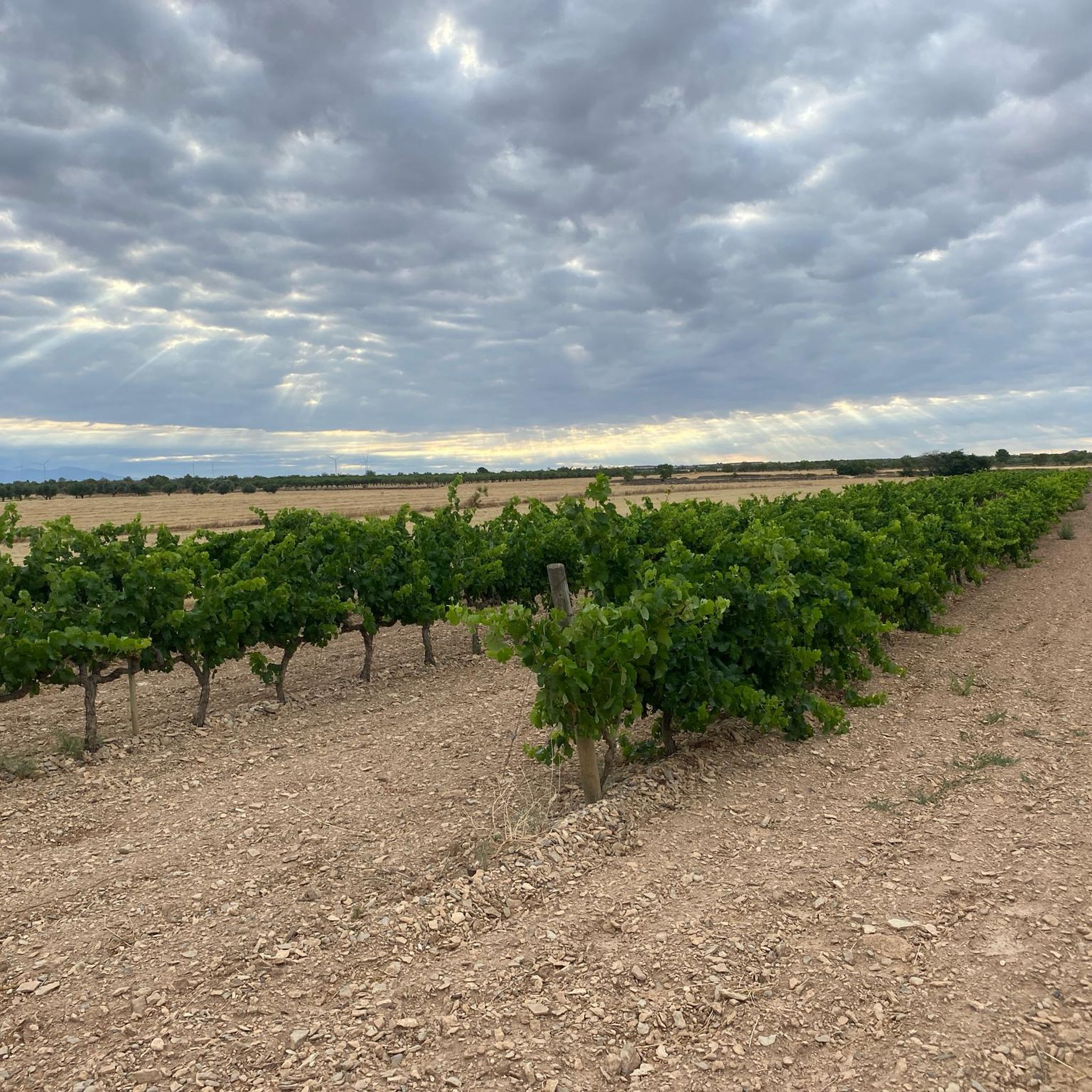
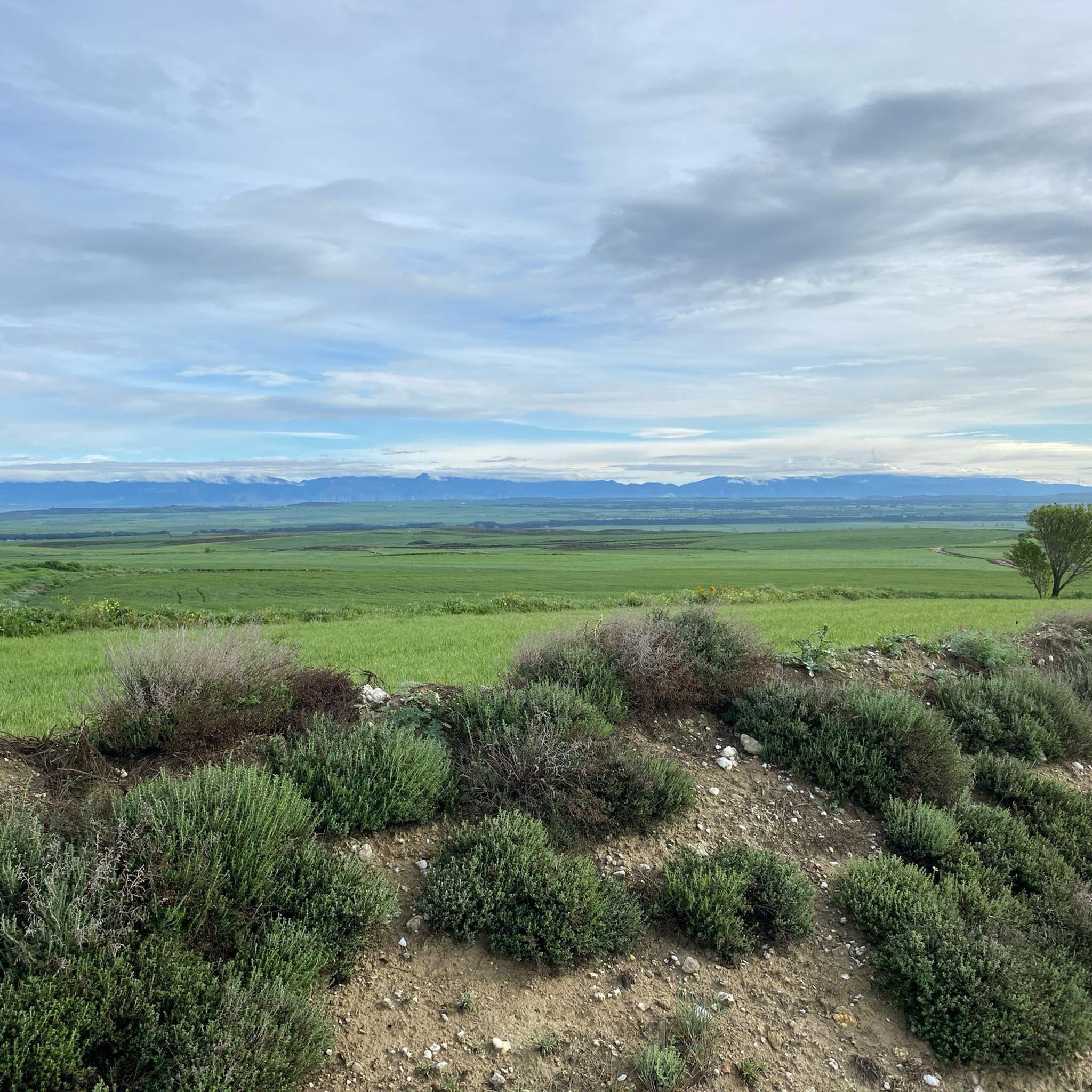
Best attractions and places to see around Tardienta are found in the unique semi-desert landscape of the Los Monegros region in Huesca, Spain. This area is characterized by its distinctive steppe environment and dryland crops, offering a different natural experience in Europe. Tardienta itself has a rich history, serving as a significant railway hub since the 19th century and preserving historical sites from pre-Roman times and the Spanish Civil War. The region provides a blend of historical, cultural, and natural…
Last updated: June 29, 2026
Sanctuary of Our Lady of Magallón
Highlight • Religious Site
Translated by Google •
Tip by

Posición San Simón
Highlight • Historical Site
Translated by Google •
Tip by
Sign up now to discover places like this
Get recommendations on the best single tracks, peaks, & plenty of other exciting outdoor places.
Sign up for free
Almudévar
Highlight • Settlement
The origins of Almudévar date back to pre-Roman times, when Basques lived there. …
Translated by Google •
Tip by

Orwell Trenches
Highlight • Historical Site
Translated by Google •
Tip by

Valdabra Reservoir
Highlight • Lake
Translated by Google •
Tip by

Sign up for free to discover even more attractions around Tardienta.
Sign up for free
Already have an account?
Start today with a free account
Your next adventure awaits.
Login or Signup

Tips from the Community

A legacy of the grayest history of this country
0
0

Remains of an old Civil War defensive position, located high on a hill between Monzón and Almunia de San Juan. Accessible via a dirt track, with a short but steep final slope. From the top, trenches, parapets, and some excavated lookout posts are preserved, as well as stunning views of the Cinca Valley and surrounding area. A historic spot, ideal for stopping, taking a breath, and reflecting on everything that happened in these mountains. Highly recommended for MTB or gravel routes in the area.
0
0

Almudévar is a town in Huesca in the Hoya de Huesca region, in the community of Aragón. The origins of Almudévar date back to pre-Roman times, when Basques lived there. Since Romanization it acquired great importance, being located in the heart of Vía Lata, the Roman road that linked Zaragoza with Lérida. After the Muslim domination it acquired the current toponym, which means "round", referring to the outline of the castle, a Muslim fortress known as Castle of the Crown. Among its heritage, the parish church of the Assumption stands out, whose construction began in 1757, as the old church, located within the castle grounds, threatened ruin.
0
0

This monument, also known as the San Simón Position, is a problematic and controversial tribute to the fallen of the Francoist army. This same building was built in the 1940s to commemorate Sergeant San Simón and his soldiers who fell in battle. In the area there are various signs of protest against this monument due to its relationship with La Falange.
1
0
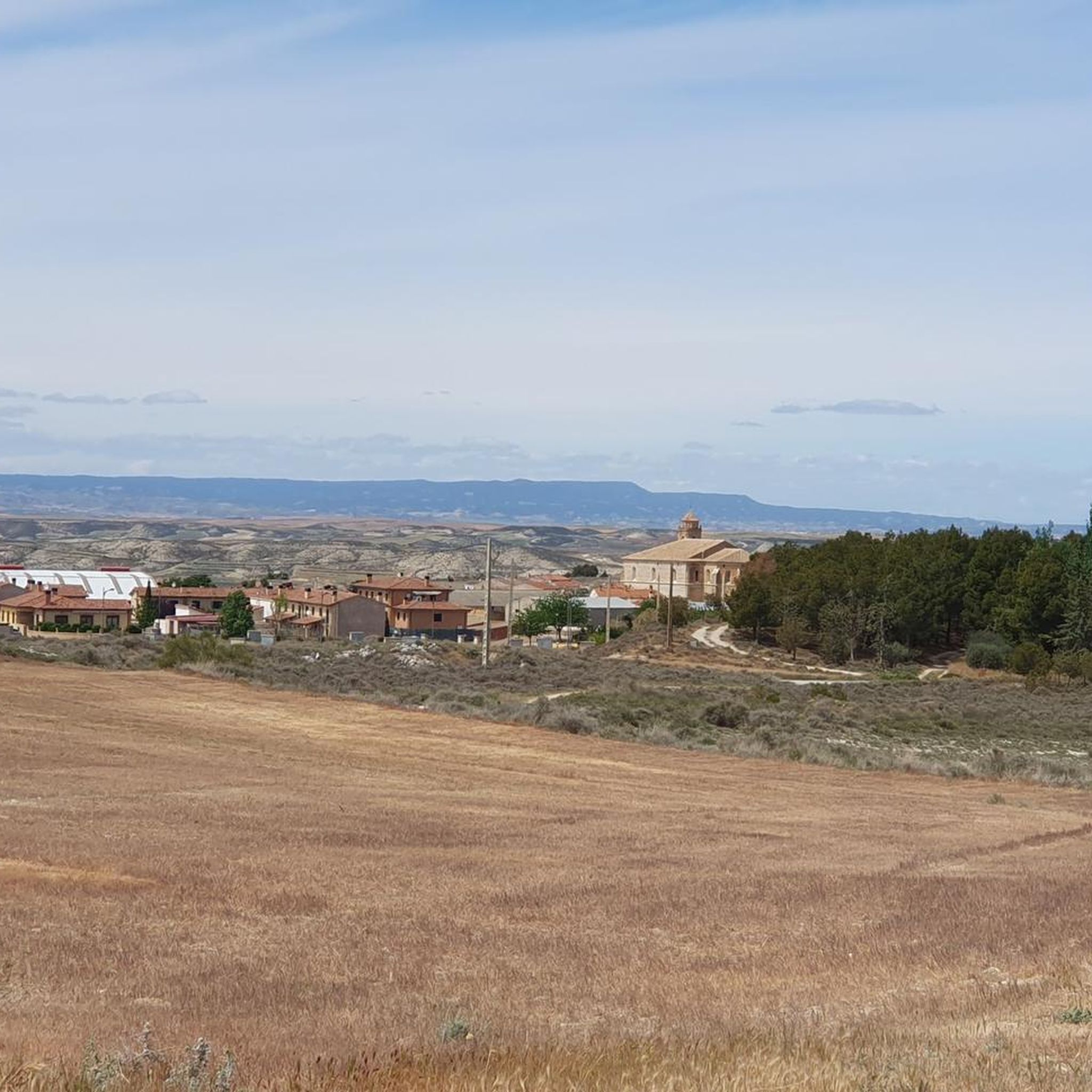
This small municipality of Leciñena in the Aragonese Monegros has a small population (1150 in 2004) but quite a bit of history. The town played an important role in the reconquest of Zaragoza. Much later, during the Spanish Civil War it was part of the republican resistance until October 12, 1936 when Franco's troops took the town. The town has a very good hostel where you can enjoy the tranquility. Around Leciñena we can find Sabinas, a tree from the Mesozoic era that, thanks to its properties resistant to extreme temperatures, can coexist with the harsh weather conditions of the area.
0
0

The Valdabra Reservoir is located very close to the city of Huesca. Built in the early 1980s, over the years it has become a first-line setting for cyprinid fishing, mainly Carp and Roach. Prestigious championships such as the International Fiestas de San Lorenzo are held there.
0
0

The Sierra de Alcubierre acts as the backbone of Los Monegros and given its strategic location, it played a major role during the Civil War, dividing Aragon in two. On the A-129 road from Leciñena to Alcubierre (Km. 34.6) take the detour that leads to the position of Monte Irazo where this point is located.
0
0

The restored trenches of 1936 are a perfect place to see the sunrise and also camp inside where the soldiers also used to call the bivouac or life zone! Also recommended to visit
2
0
Frequently Asked Questions
What historical sites can I explore around Tardienta?
Tardienta and its surroundings are rich in history. You can visit the Orwell Trenches, restored from the Spanish Civil War, which offer a glimpse into the region's past. Another significant historical site is the Posición San Simón, a former Civil War defensive position with preserved trenches and lookout posts. The municipality also preserves the Tardienta Bunker, the Tardienta Aqueduct, and the old Harinera de Tardienta flour mill, showcasing its industrial heritage.
Are there any religious landmarks worth visiting in the area?
Yes, several religious landmarks are notable. The 16th-century Church of Santiago el Mayor in Tardienta, though reconstructed, is a significant historical church. Outside the town, you can find the Hermitage of Santa Quiteria, central to local festivities, and the Hermitage of Santa Águeda, known for its original octagonal layout. Additionally, the Sanctuary of Our Lady of Magallón is a religious building with a deep history in the Aragonese Monegros.
What natural features characterize the Tardienta region?
Tardienta is situated in the unique semi-desert landscape of the Los Monegros region, characterized by its distinctive steppe environment and dryland crops. This area offers a rare natural experience in Europe. You can also visit the Valdabra Reservoir, a lake known for fishing, located very close to Huesca. While not directly in Tardienta, the nearby Sierra y los Cañones de Guara Natural Park is an excellent option for nature lovers, famous for its canyons and ravines.
What kind of outdoor activities can I do near Tardienta?
The area around Tardienta offers various outdoor activities, especially cycling and mountain biking. You can find numerous routes, such as the challenging 'Almudévar – Alcalá de Gurrea loop' for cycling or the 'Leciñena, San Caprasio, y Estación meteorlógica — circular por los Monegros' for mountain biking. For road cycling, consider the 'Sierra de Alcubierre – circular from Tardienta'. You can explore more options on the Cycling around Tardienta, MTB Trails around Tardienta, and Road Cycling Routes around Tardienta guide pages.
Are there any family-friendly attractions or activities in Tardienta?
Yes, the Valdabra Reservoir is categorized as family-friendly and is a popular spot for fishing. The unique semi-desert landscape of Los Monegros also offers opportunities for family walks and exploring nature. The Interpretation Center of the Water of Monegros provides an educational experience about the region's hydraulic history, which can be engaging for families.
What is the best time of year to visit Tardienta for outdoor activities?
Given its semi-desert climate, the best time to visit Tardienta for outdoor activities is generally during the spring (April to June) and autumn (September to October). During these seasons, temperatures are milder and more comfortable for hiking, cycling, and exploring the natural and historical sites. Summers can be very hot, and winters can be chilly.
What is the significance of the railway in Tardienta's history?
Tardienta has been a significant railway hub since the 19th century. Its railway complex reflects this historical role, contributing to the town's development and connectivity. The presence of the railway is an integral part of its industrial and historical heritage.
Can I find viewpoints to enjoy the landscape around Tardienta?
Yes, several locations offer scenic views of the unique Monegros landscape. The Orwell Trenches and Posición San Simón, both historical sites, are also noted as viewpoints, offering panoramic vistas of the surrounding area, including the Cinca Valley from San Simón.
What is the Interpretation Center of the Water of Monegros?
The Interpretation Center of the Water of Monegros highlights the close relationship between the Monegros region and water. It details the area's hydraulic history through elements like ditches, ponds, and aqueducts, explaining how water has shaped this unique semi-desert steppe landscape, which is rare in Europe.
What is Almudévar and what can I see there?
Almudévar is a town in the Hoya de Huesca region with origins dating back to pre-Roman times. It was historically important due to its location on the Vía Lata, a Roman road. Visitors can see the remains of its Muslim fortress, known as the Castle of the Crown, and the impressive parish church of the Assumption, which began construction in 1757.
Are there any specific tips for visiting the historical sites?
When visiting historical sites like the Orwell Trenches or Posición San Simón, it's recommended to wear comfortable shoes as they often involve walking on uneven terrain. These sites offer a profound historical experience, providing insight into the region's past during the Civil War. Some visitors also enjoy camping near the trenches to experience the bivouac life of soldiers.

Get inspired with the komoot mobile app


Explore more
Still not found the Highlight you’re looking for? See guides of the top attractions in other regions:
