The best walks and hikes around La Pueblanueva
4.7
(90)
669
hikers
80
hikes
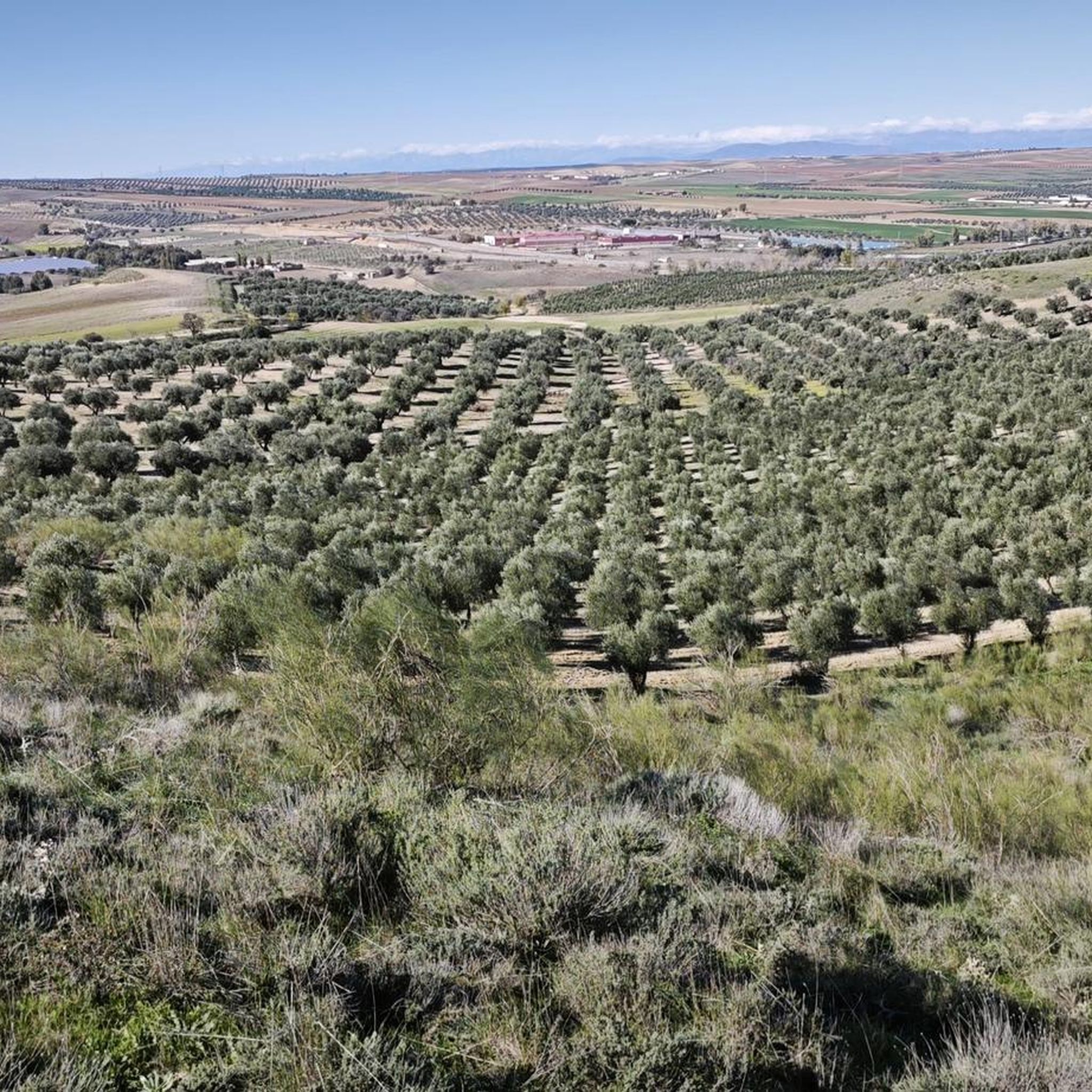
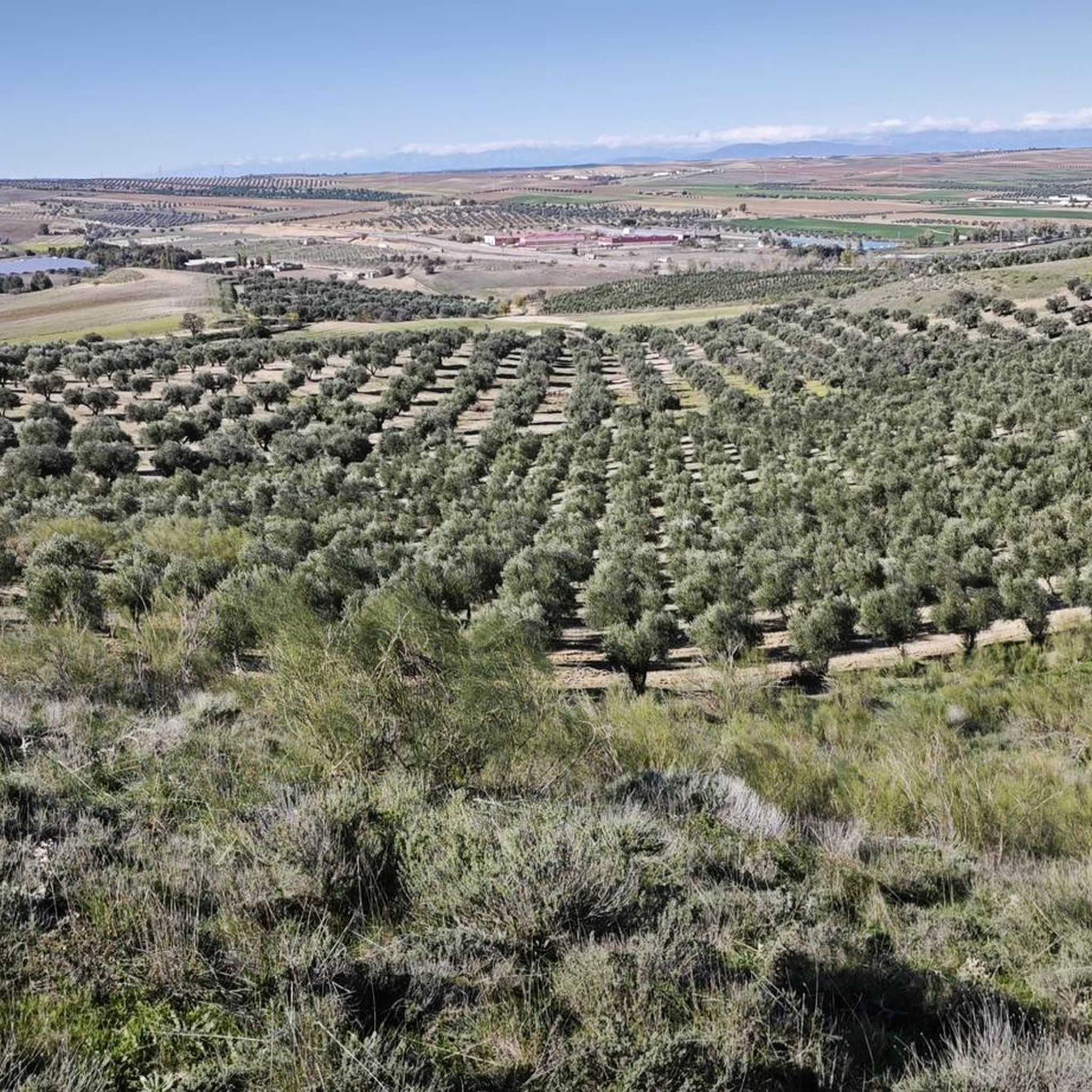
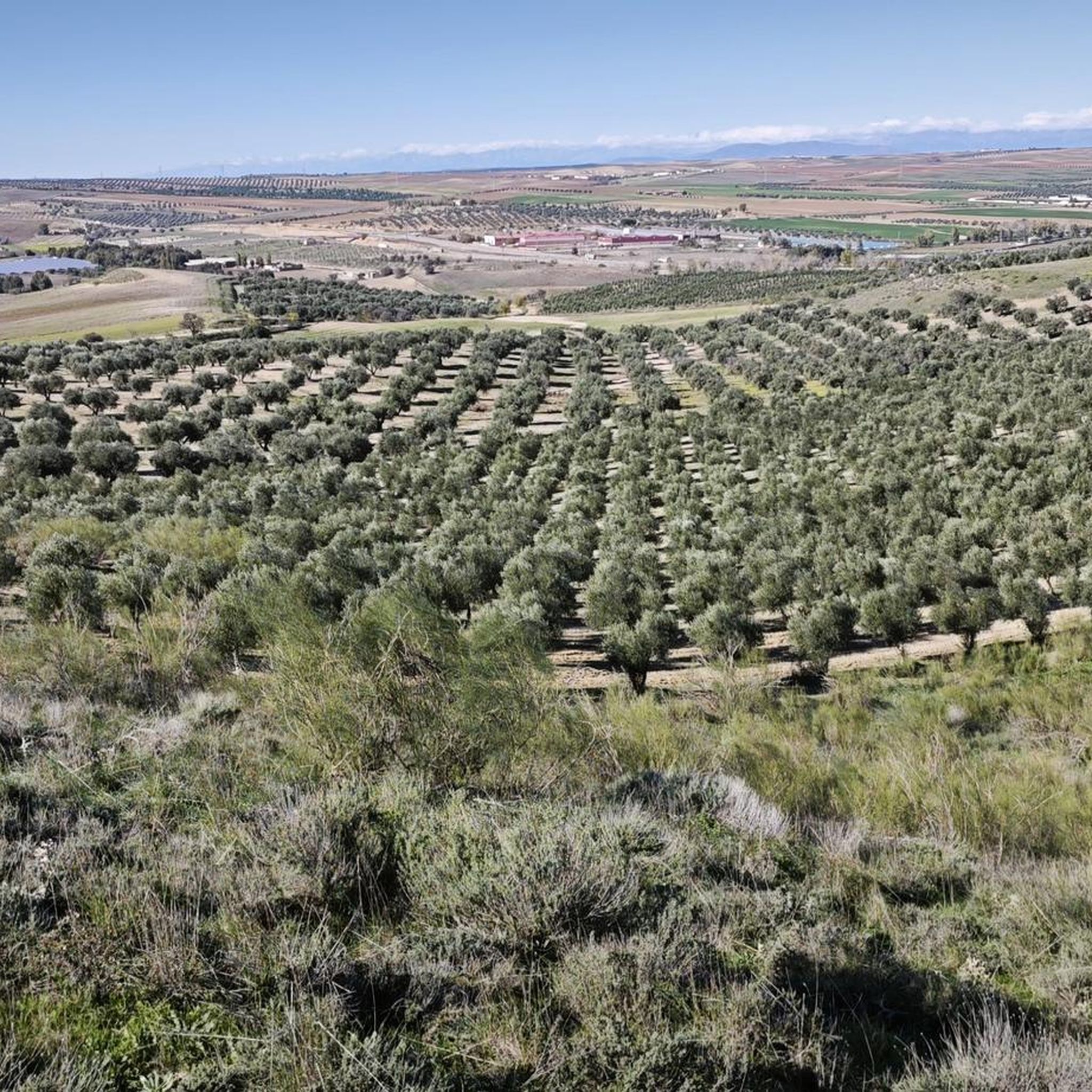
Hiking around La Pueblanueva offers access to trails primarily characterized by river valleys and open landscapes. The region's topography features gentle elevations, with routes often following waterways like the Sangrera River. These paths provide opportunities to explore the natural surroundings near urban centers such as Talavera de la Reina. The terrain is generally mild, suitable for various hiking abilities.
Best hiking trails around La Pueblanueva
- The most popular hiking route is Sangrera River Valley Trail, a 10.4 miles (16.7…
Last updated: July 8, 2026
4.6
(5)
35
hikers
15.7km
04:03
80m
80m
Moderate hike. Good fitness required. Easily-accessible paths. Suitable for all skill levels.
5.0
(2)
21
hikers
11.7km
02:59
50m
50m
Moderate hike. Good fitness required. Easily-accessible paths. Suitable for all skill levels.

Sign up for free
1
hikers
5.24km
01:20
20m
20m
Easy hike. Great for any fitness level. Easily-accessible paths. Suitable for all skill levels.
5.0
(1)
1
hikers
16.7km
04:28
200m
200m
Moderate hike. Good fitness required. Easily-accessible paths. Suitable for all skill levels.
5.33km
01:23
30m
30m
Easy hike. Great for any fitness level. Easily-accessible paths. Suitable for all skill levels.
Get access to more routes and recommendations from other explorers.
Sign up for free
Already have an account?
Our route recommendations are based on thousands of hikes, rides, and runs completed by other people on komoot.
Start today with a free account
Your next adventure awaits.
Login or Signup


Tips from the Community

That a place on the Iberian Peninsula is listed among the three most famous pilgrimage destinations in the Christian world – along with Jerusalem and Rome – is thanks to one of Jesus' apostles, who is said to have preached here. After his martyrdom, about which the Acts of the Apostles report very briefly, his body miraculously found its final resting place here: Saint James the Greater. A small local shrine was initially built over his tomb, later a city developed, which even bears his name (Santiago de Compostela), and the church in his honor became a cathedral, i.e. a bishop's church. According to national legends, Saint James also played a significant role in the Reconquista of the Iberian Peninsula from the Moors and is the patron saint of Spain.
0
0

It is located on Corredera del Cristo Street, near the Plaza del Reloj (Clock Square), in the old town of Talavera de la Reina, Toledo. It is visible from the street, and it is common for passersby to cross themselves as they pass by, continuing a deeply rooted popular tradition.
12
0
The chapel forms part of an albarrana tower, one of the defensive structures of Talavera's first walled enclosure, later converted for religious use. Its Rococo altarpiece is particularly noteworthy, housing the carving of Christ of the Merchants, a symbol of devotion especially among the merchant guild. The base features granite pieces with coats of arms, possibly belonging to the Maldonado lineage, although their exact provenance remains a subject of debate.
14
0
The Basilica of Our Lady of the Prado is located in Talavera de la Reina. The church was built in the 16th century in the Renaissance style, on the foundations of an old Mudéjar temple. Tradition holds that it was a Roman temple where the goddess Ceres was worshipped, Christianized in 602 by Liuva II to house the image of Our Lady of the Prado, who is now the city's patron saint. Known as the Queen of Hermitages by Philip II, it is also called the "Sistine Chapel" of ceramics, as this vibrant art form has been displayed here in all its splendor from the 16th century to the present day.
16
0
The La Caprichosa bullring, a mecca for bullfighting, is located next to the Basilica of Prado and the Alameda Park.
11
0
The history of this bridge dates back to 1870, although its construction did not begin until the beginning of the last century, in 1904. Its inauguration in 1908 was a major milestone for the city, which saw its communications with the historic region of La Jara, Extremadura and Andalusia improve.
14
0
The new Talavera de la Reina cable-stayed bridge is an engineering prodigy, it is a world record in the type of cable-stayed bridges with a single mast in high-resistance prestressed concrete, with the highest inclined pylon in Europe. Its 152 stays and 192 meters make it the second highest cable-stayed bridge in Spain and the second in Europe. It is a display of national and international architecture.
12
0
It extends along the eastern bank of the Tagus River and is the second most populated municipality in the province and the fourth in Castilla-La Mancha. Among its monuments are the Basilica of Our Lady of the Prado, which houses what is today the patron saint of the city. It was called Queen of the Hermitages by Philip II, it is also called the Sistine Chapel of ceramics, because this colorful art shows here all its splendor from the 16th century to the present day. The style of its construction is a combination of Renaissance and Baroque, although it has undergone various restorations over the centuries. It was elevated to the dignity of Basilica in 1989 by Pope John Paul II. In the Church of Santa María La Mayor (La Colegial) you can admire its pure Gothic cloister, which was built around the year 1469. Its floor plan is rectangular, made up of three longitudinal naves and without a transept. In the years 1704 and 1705 the two upper sections of the Tower were added.
10
0
Frequently Asked Questions
How many hiking trails are available in La Pueblanueva?
La Pueblanueva offers a wide selection of hiking opportunities, with over 60 trails to explore. These routes cater to various preferences, from leisurely strolls to more extended excursions through the region's river valleys and open landscapes.
What kind of terrain can I expect on hikes around La Pueblanueva?
The terrain around La Pueblanueva is primarily characterized by gentle elevations, river valleys, and open fields. Many routes follow waterways like the Sangrera River, offering mild paths suitable for various hiking abilities. You'll find a mix of natural environments near urban centers such as Talavera de la Reina.
What do other hikers say about the trails in La Pueblanueva?
The trails in La Pueblanueva are highly regarded by the komoot community, boasting an average rating of 4.8 stars from over 80 reviews. More than 500 hikers have used komoot to explore the varied terrain, often praising the accessible nature and scenic riverine landscapes.
Are there easy hiking trails suitable for beginners or casual walkers?
Yes, La Pueblanueva is an excellent destination for easy hikes. There are over 30 easy routes available, perfect for beginners or those looking for a relaxed walk. An example is the Castilla-La Mancha Bridge – Castilla-La Mancha Bridge loop from Talavera de la Reina, which is an easy 7.7 km trail.
Are there more challenging hikes for experienced hikers?
While the region is known for its gentle terrain, there are a few options for more experienced hikers. La Pueblanueva features 4 difficult trails that offer a greater challenge. These routes typically involve longer distances or slightly more varied elevations compared to the easier paths.
What are some options for longer hikes in the area?
For those seeking longer excursions, the region offers several routes that extend beyond typical day hikes. The Sangrera River Valley Trail is a notable option, covering 16.7 km and exploring the natural environment of the river valley.
Can I find circular hiking routes in La Pueblanueva?
Yes, circular routes are a popular feature in La Pueblanueva, allowing you to start and end your hike in the same location. Many trails are designed as loops, such as the Castilla-La Mancha Bridge loop from Talavera de la Reina, which offers riverine landscapes in a convenient circular format.
Are the hiking trails in La Pueblanueva suitable for families with children?
Absolutely. The gentle elevations and numerous easy trails make La Pueblanueva very suitable for families with children. Many routes follow riverbanks and open fields, providing safe and enjoyable environments for all ages. Look for the 'easy' graded trails for the most family-friendly options.
Are dogs allowed on the hiking trails around La Pueblanueva?
Generally, dogs are welcome on the hiking trails around La Pueblanueva, especially on paths through open landscapes and river valleys. It's always recommended to keep your dog on a leash, particularly near wildlife or agricultural areas, and to carry waste bags to maintain the cleanliness of the trails.
What are some interesting places to see near the hiking trails?
While hiking around La Pueblanueva, you'll find several points of interest nearby. You can explore the city of Talavera de la Reina, or admire architectural landmarks like the Castilla-La Mancha Bridge and the Reina Sofía Bridge. The Church of San Francisco also offers a cultural stop.
Is public transport available to access hiking trails in La Pueblanueva?
Access to hiking trails in La Pueblanueva often involves starting points near urban areas like Talavera de la Reina, which are typically served by local and regional bus services. While direct public transport to every trailhead might be limited, you can usually reach central points and then walk or take a short taxi ride to your desired starting location.
Are there parking facilities available at the trailheads?
For many popular hiking routes around La Pueblanueva, especially those originating near towns or significant landmarks like the Castilla-La Mancha Bridge, you will typically find designated parking areas. It's advisable to check specific route details on komoot for information on parking availability at your chosen trailhead.
What is the best time of year to hike in La Pueblanueva?
The best time to hike in La Pueblanueva is generally during the spring (April to June) and autumn (September to November) months. During these periods, the weather is mild and pleasant, making for comfortable hiking conditions. Summers can be quite hot, while winters are generally mild but can be damp.
Most popular routes around La Pueblanueva
Most popular attractions around La Pueblanueva

Get inspired with the komoot mobile app


Explore more
Browse the best Hikes in other regions.
